Can You Wear a Bike Helmet on a Motorcycle: Safety Tips Unveiled

Riding a motorcycle brings excitement, freedom, and sometimes anxiety about safety. One common question appears often: Can you wear a bike helmet on a motorcycle? The answer is not as simple as yes or no. Many people think all helmets are the same, but there are important differences between bike helmets and motorcycle helmets. If you want to stay safe and follow the law, you need to understand these differences. This article will help you make the right choice, avoid mistakes, and protect yourself on the road.
Bike Helmets Vs. Motorcycle Helmets: The Key Differences
At first glance, both helmets look similar. They cover your head, use straps, and claim to protect you. But the details matter. Let’s see how bike helmets and motorcycle helmets compare in design, materials, and safety standards.
Design And Structure
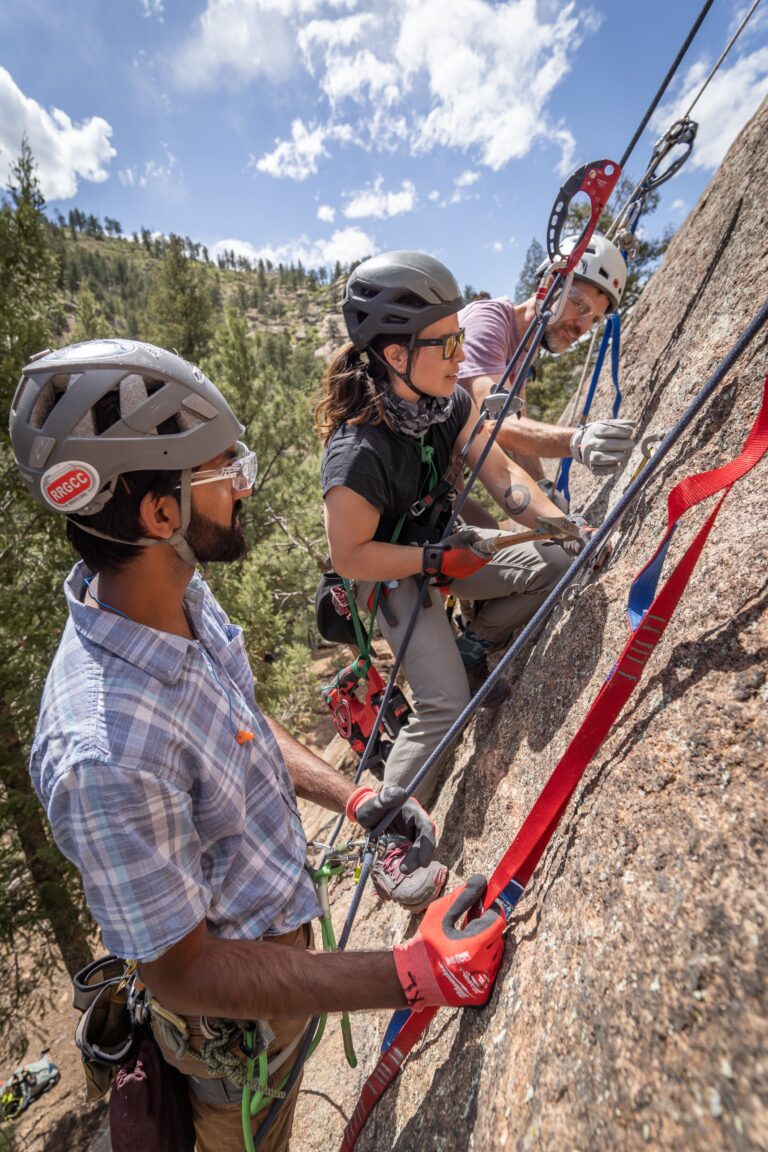
Bike helmets are built for low-speed impacts. Most are lightweight, use thin foam, and have plenty of vents for airflow. Their main job is to protect you if you fall from a bicycle, usually at speeds below 20 km/h.
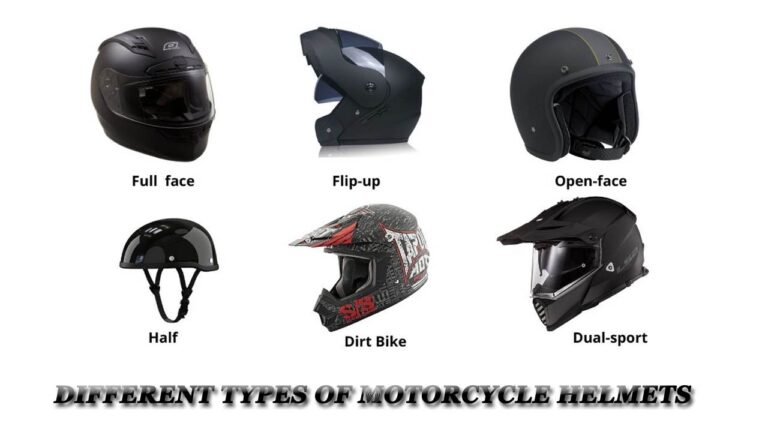
Motorcycle helmets are designed for much higher speeds. They have thicker shells, stronger foam, and fewer vents. The goal is to protect you in crashes that can happen at 50 km/h or more. Motorcycle helmets often cover more of the head and face, with options like full-face, modular, or open-face designs.
Materials Used
Bike helmets usually use expanded polystyrene (EPS) foam and thin polycarbonate shells. These materials absorb impact well at low speeds but may not survive harder hits.
Motorcycle helmets use tougher materials like fiberglass, carbon fiber, or advanced plastics. The foam inside is denser and thicker. This helps absorb more force and protect you against high-speed crashes.
Safety Standards And Certifications
Bike helmets must meet standards like CPSC (Consumer Product Safety Commission) in the US, or EN 1078 in Europe. These rules check helmets for basic impact resistance, but only at bicycle speeds.
Motorcycle helmets must pass stricter tests like DOT (Department of Transportation) in the US, ECE 22.05 in Europe, or Snell. These standards require helmets to survive much stronger impacts, protect from penetration, and stay secure during a crash.
Here’s a table showing the main differences:
| Feature | Bike Helmet | Motorcycle Helmet |
|---|---|---|
| Impact Speed | Low (up to 20 km/h) | High (up to 80 km/h or more) |
| Shell Material | Polycarbonate | Fiberglass, carbon fiber, advanced plastics |
| Foam Thickness | Thin | Thick, dense |
| Certifications | CPSC, EN 1078 | DOT, ECE 22.05, Snell |
| Ventilation | High | Low |
| Coverage | Top and sides | Full head, face, chin |
Legal Rules: Is It Allowed?
Every country or region has its own laws about motorcycle helmet use. In most places, wearing a bike helmet on a motorcycle is not legal. Let’s look at why.
Helmet Laws In The Us
In the United States, most states require motorcycle riders to wear a helmet that meets the DOT standard. Bike helmets are not DOT certified. If the police stop you and see a bike helmet, they can fine you. In some states, you could even lose your license or face court.
Helmet Laws In Europe
European countries follow the ECE 22.05 standard for motorcycle helmets. Bike helmets, even those with EN 1078 certification, are not accepted for motorcycle use. Riding with a bike helmet may lead to fines, points, or insurance problems if you crash.
Helmet Laws In Asia
In countries like India, China, and Thailand, motorcycle helmets must meet national standards (like ISI in India). Bike helmets are not approved. Police checks are strict, especially in cities.
Real-world Example
A study from Australia showed that riders using bicycle helmets on motorcycles were twice as likely to suffer severe head injuries compared to those wearing proper motorcycle helmets.
Legal Consequences
- Fines ranging from $50 to $500 (depending on country)
- Insurance claims denied after a crash
- Criminal charges in case of serious accidents
- Motorcycle license suspension
Here is a comparison of legal requirements:
| Country | Accepted Helmet Standard | Bike Helmet Allowed? | Penalty |
|---|---|---|---|
| USA | DOT | No | Fine, points |
| UK | ECE 22.05 | No | Fine, license impact |
| India | ISI | No | Fine, license impact |
| Australia | AS/NZS 1698 | No | Fine, insurance denial |
Safety: What Happens If You Use A Bike Helmet On A Motorcycle?
Wearing a bike helmet while riding a motorcycle is risky. The helmet may feel comfortable, but it cannot protect you in a real motorcycle crash. Let’s see why.
Impact Protection
Bike helmets are tested for falls at low speeds. Most tests use a drop from about 1. 5 meters, simulating a typical bicycle accident. Motorcycle helmets are tested with much harder impacts, including hitting the ground at 50 km/h or more.
If you crash a motorcycle wearing a bike helmet, the foam will crush too quickly. The shell may crack or shatter. Your head will absorb more force, leading to serious injuries like skull fractures, brain trauma, or death.
Face And Jaw Protection
Most bike helmets do not cover the face or jaw. Motorcycle crashes often involve sliding or hitting the ground face-first. Without a chin bar or full-face shield, your face is exposed. Studies show that over 60% of motorcycle crash injuries involve the face or jaw.
Retention System
Bike helmets use simple straps. In a motorcycle crash, the force can rip the helmet off your head. Motorcycle helmets use stronger retention systems, including double-D rings or advanced buckles, to keep the helmet secure.
Real Crash Data
According to the National Highway Traffic Safety Administration (NHTSA), motorcycle helmets reduce the risk of head injury by 69% and the risk of death by 42%. These numbers only apply to helmets meeting motorcycle standards.
Non-obvious Insight
Many beginners believe that a helmet is better than none, even if it’s a bike helmet. While this is true for low-speed falls, in motorcycle accidents, a bike helmet can give false confidence. You may ride faster, thinking you are protected, but the helmet will not save you in a serious crash.
Comfort And Practicality: Why Do Some Riders Choose Bike Helmets?
Sometimes, riders are tempted to use a bike helmet on a motorcycle. This usually happens for reasons like:
- Lightweight feel: Bike helmets are lighter and less tiring to wear.
- Better ventilation: More air flow helps in hot weather.
- Cheaper price: Bike helmets cost less than motorcycle helmets.
- Easy to carry: Smaller and less bulky.
But these advantages come with big risks. Motorcycle helmets are heavier and hotter for a reason: they are built to protect you from deadly accidents.
Common Mistakes
- Using a bike helmet on a scooter or moped, thinking it’s “almost a bicycle.”
- Wearing a bike helmet for short trips, hoping “nothing bad will happen.”
- Choosing style over safety, because bike helmets look sporty.
These mistakes can lead to serious injuries or legal trouble.
Practical Guidance
If you want more comfort, look for motorcycle helmets with extra ventilation or lightweight materials. Many brands offer helmets with cooling channels, anti-fog visors, and lightweight shells. Never compromise safety for comfort.
Insurance And Liability: What Happens After A Crash?
If you wear a bike helmet on a motorcycle and crash, your insurance may not cover you. Most motorcycle insurance policies require you to follow local helmet laws. If you break the law, your claim can be denied.
Case Study
In 2021, a rider in California crashed his motorcycle wearing a bike helmet. The insurance company refused to pay for his medical bills, citing “failure to use DOT-approved helmet. ” The rider faced over $30,000 in hospital costs.
Liability Issues
If you cause an accident and injure someone else, wearing the wrong helmet can increase your legal risk. Courts may find you negligent or reckless, leading to higher penalties.
Non-obvious Insight
Some riders think insurance will pay as long as they have any helmet. This is false. Insurance companies check helmet certifications carefully. Always use a helmet that meets local motorcycle standards.
Helmet Technology: How Motorcycle Helmets Protect You
Motorcycle helmets use advanced technology to keep you safe. Here are some features that make them different from bike helmets:
- Multi-layer shells: Strong outer layer, energy-absorbing foam, and comfortable padding.
- Impact dispersion: Spreads force across the helmet to reduce injury.
- Face shields: Protects eyes from debris, bugs, and wind.
- Chin bars: Guards jaw and lower face during crashes.
- Quick-release straps: Keeps helmet secure, easy to remove after accident.
- Anti-fog and UV coatings: Improves visibility in all weather.
Bike helmets do not offer these features. They are meant for low-impact, not high-speed protection.
Helmet Testing
Motorcycle helmets are tested in labs for:
- Impact resistance
- Penetration protection
- Retention strength
- Field of vision
Bike helmets pass simpler tests, mostly for shock absorption and basic strap strength.

Credit: bicycles.stackexchange.com
Choosing The Right Helmet For Your Motorcycle
To stay safe and legal, you must use a helmet made for motorcycles. Here is how to pick one:
1. Check Certification
Always look for a DOT, ECE, or Snell sticker. This proves the helmet is tested for motorcycle use.
2. Choose The Right Size
A helmet should fit snugly. Too loose, and it may slip off. Too tight, and it’s uncomfortable. Try several sizes and shapes.
3. Pick The Best Type
Motorcycle helmets come in three main styles:
- Full-face: Best protection, covers head and face.
- Modular: Can flip open, good for comfort.
- Open-face: Less protection, but more airflow.
Pick the type that matches your riding style.
4. Comfort Features
Look for:
- Ventilation channels
- Removable liners
- Anti-fog visors
These features make riding more comfortable without losing safety.
5. Avoid Common Mistakes
- Never buy used helmets. Internal damage may be hidden.
- Don’t paint or modify the helmet.
- Replace helmet every 5 years or after a crash.
Data Table: Helmet Types And Protection
| Helmet Type | Head Protection | Face Protection | Comfort Level |
|---|---|---|---|
| Full-face | Excellent | Excellent | Medium |
| Modular | Good | Good | High |
| Open-face | Good | Poor | High |
| Bike helmet | Poor | Poor | High |
Common Questions And Myths
Many riders have doubts and hear myths about helmets. Let’s clear up some confusion.
Myth 1: “any Helmet Is Better Than Nothing.”
While a bike helmet may help in a minor fall, it will not protect you in a serious motorcycle crash. It’s better than nothing, but much worse than a proper motorcycle helmet.
Myth 2: “bike Helmets Are Lighter And More Comfortable.”
True, but comfort should never replace safety. Many motorcycle helmets now use lightweight materials and smart ventilation.
Myth 3: “short Trips Don’t Need A Motorcycle Helmet.”
Most accidents happen close to home, often during short trips. Always wear a certified helmet.
Myth 4: “full-face Helmets Restrict Vision.”
Modern full-face helmets offer wide fields of vision. They protect more without blocking your view.
Myth 5: “helmet Laws Are Not Enforced.”
In many countries, police check helmet certifications often. Fines and penalties are real.
Real-world Experiences: Stories From Riders
Many riders have learned the hard way. Here are a few examples:
Story 1: The Commuter
Ali, a commuter in Indonesia, used a bike helmet for short rides to work. One day, a car hit his scooter, and his helmet cracked instantly. He suffered a head injury and missed work for months. After recovering, Ali now uses a proper motorcycle helmet.
Story 2: The Beginner
Lisa bought her first motorcycle and used her old bicycle helmet. She was stopped by police and fined. Lisa realized the risk and invested in a certified helmet.
Story 3: The Experienced Rider
John has ridden motorcycles for over 20 years. He says, “I tried a bike helmet once for fun, but it felt flimsy. After seeing crash tests online, I would never risk my life with the wrong helmet. ”
These stories show that even experienced riders sometimes make mistakes, but learning from them is key.
How To Spot A Fake Motorcycle Helmet
Another danger is fake helmets. Some sellers offer cheap helmets with fake DOT or ECE stickers. Here’s how to check:
- Look for official certification stickers inside and outside the helmet.
- Check the weight. Real motorcycle helmets are heavier.
- Inspect the liner. Genuine helmets have thick, dense foam.
- Research the brand. Only buy from trusted sellers.
- Avoid helmets with poor finishing or loose parts.
Fake helmets are as dangerous as using a bike helmet.
Alternatives For Low-powered Vehicles
Some riders use mopeds or e-bikes, thinking a bike helmet is enough. Check your local laws. Many places require motorcycle helmets for any powered vehicle over 50 cc or speeds above 30 km/h.
If you ride an electric scooter or moped, use a helmet certified for your vehicle. For high-speed e-bikes, some countries now require motorcycle helmets.
How To Take Care Of Your Motorcycle Helmet
A helmet’s life depends on how you care for it. Follow these tips:
- Clean the shell and visor regularly with mild soap.
- Avoid dropping or hitting the helmet.
- Store in a cool, dry place away from sunlight.
- Replace if damaged, even if damage is not visible.
- Don’t share helmets. Each head shape is different.
Proper care keeps your helmet safe and extends its life.
The Science Behind Helmet Safety
Crash physics show why motorcycle helmets are necessary. When you fall from a motorcycle at 50 km/h, the force is ten times greater than from a bicycle at 15 km/h. Bike helmets cannot absorb this force.
Motorcycle helmets use layers to slow down the head’s movement, reducing injury. Without these layers, your brain may hit the skull, causing trauma.
A study from the World Health Organization shows that motorcycle helmets prevent over 37% of deaths in motorcycle crashes worldwide.
Environmental Factors: Weather And Visibility
Bike helmets may feel cooler, but motorcycle helmets protect you from rain, wind, dust, and bugs. Visors keep your eyes safe and improve visibility.
In cold weather, full-face helmets keep you warm. In rain, they prevent water from entering. Bike helmets do not offer this protection.
Helmet Price Vs. Safety: Is It Worth It?
Many riders choose bike helmets to save money. But a proper motorcycle helmet is an investment in your life.
- Bike helmet: $25 to $60
- Motorcycle helmet: $70 to $300 (or more)
The cost of a head injury is much higher: hospital bills, lost income, and pain. It’s better to spend more for real protection.
Global Helmet Use Statistics
According to the WHO, helmet use varies worldwide:
- Europe: 95% of riders use proper motorcycle helmets
- US: 80% compliance
- Asia: 60%, but many use wrong helmets
- Africa: Only 40% use certified helmets
These numbers show that education is needed. Using the right helmet saves lives.

Credit: www.youtube.com
The Final Answer: Should You Wear A Bike Helmet On A Motorcycle?
After all the facts, the clear answer is no. Bike helmets are not designed for motorcycle crashes. They do not meet legal or safety standards. Wearing a bike helmet on a motorcycle is dangerous, illegal in most places, and puts your life at risk.
If you ride a motorcycle, always use a helmet certified for motorcycle use. It’s the smart, safe, and legal choice.
Frequently Asked Questions
Is It Legal To Wear A Bike Helmet On A Motorcycle?
No, in most countries, bike helmets are not legal for motorcycle use. Motorcycle helmets must meet specific safety standards like DOT, ECE, or ISI.
What Happens If I Crash Wearing A Bike Helmet On A Motorcycle?
A bike helmet cannot protect you from high-speed impacts. You risk severe head injuries, face trauma, and your insurance may not cover you.
Are Bike Helmets Ever Accepted For Mopeds Or Scooters?
Usually not. Even for mopeds or e-scooters, most regions require motorcycle helmets if the vehicle travels faster than 30 km/h or has more than 50 cc.
How Can I Check If My Helmet Is Certified For Motorcycle Use?
Look for certification stickers like DOT, ECE, Snell, or ISI. Check inside and outside the helmet. Research the brand and avoid fakes.
Where Can I Find More Information About Helmet Safety And Laws?
You can learn more from the World Health Organization, which provides detailed data and safety tips for riders worldwide.
Choosing the right helmet is about protecting your life and following the law. Never compromise. The road is unpredictable—your helmet is your best defense.

Credit: www.youtube.com