White Smoke from Bike Exhaust When Accelerating

White smoke from your bike’s exhaust during acceleration can be alarming, but it’s not always a sign of serious trouble. While it may indicate harmless condensation or minor fuel issues, persistent white smoke could point to coolant leaks, head gasket failure, or oil burning. Understanding the root cause helps you act fast and avoid costly repairs.
Key Takeaways
- Condensation is common: Light white smoke on cold starts is usually just water vapor from normal combustion and harmless.
- Coolant leaks are serious: Thick, sweet-smelling white smoke often means coolant is burning in the combustion chamber—check your coolant level immediately.
- Head gasket failure is a red flag: If white smoke persists and coolant levels drop, the head gasket may be compromised and needs professional inspection.
- Oil burning creates blue-tinged smoke: Pure white smoke is rarely from oil, but if it has a bluish tint, worn piston rings or valve seals could be the culprit.
- Fuel contamination matters: Water in the fuel tank can cause white smoke; use a fuel additive like the best additive to remove water from gas tank to fix it.
- Act quickly on persistent smoke: Ignoring ongoing white smoke can lead to engine damage—diagnose early to save time and money.
Quick Answers to Common Questions
Is light white smoke on startup normal?
Yes! Light white vapor on cold starts is usually just condensation in the exhaust and is completely harmless.
What does sweet-smelling white smoke mean?
A sweet odor indicates coolant is burning in the engine, likely due to a blown head gasket or cracked cylinder head—seek professional help immediately.
Can water in fuel cause white smoke?
Absolutely. Water doesn’t burn like gasoline and creates white smoke when ignited. Use a fuel additive to absorb moisture and drain the tank if necessary.
Should I stop riding if I see white smoke?
Only if it’s thick, continuous, or accompanied by coolant loss, overheating, or power loss. Otherwise, monitor closely and diagnose the cause.
Will changing oil fix white smoke?
Not usually—white smoke is rarely caused by oil burning. Blue smoke would indicate an oil-related issue instead.
📑 Table of Contents
Why Is There White Smoke Coming From My Bike Exhaust When I Accelerate?
You’re riding along, feeling the wind in your hair, when suddenly you notice a puff of white smoke trailing behind your bike—especially when you hit the throttle. Your first thought might be panic: “Is my engine dying?” But before you assume the worst, know this: white smoke from bike exhaust when accelerating isn’t always a disaster signal.
In fact, many riders see light white vapor on cold mornings or after short trips. That’s often just harmless condensation built up in the exhaust system. However, if the smoke is thick, continuous, or has a strange smell, it’s time to pay attention. The key is knowing how to tell the difference between normal operation and a real problem. In this guide, we’ll break down what causes white smoke, how to diagnose it, and what you can do about it—without needing a mechanic’s degree.
Common Causes of White Smoke from Bike Exhaust
White smoke can stem from several sources, ranging from benign to severe. Let’s explore the most frequent culprits so you can narrow down what’s happening under your seat.
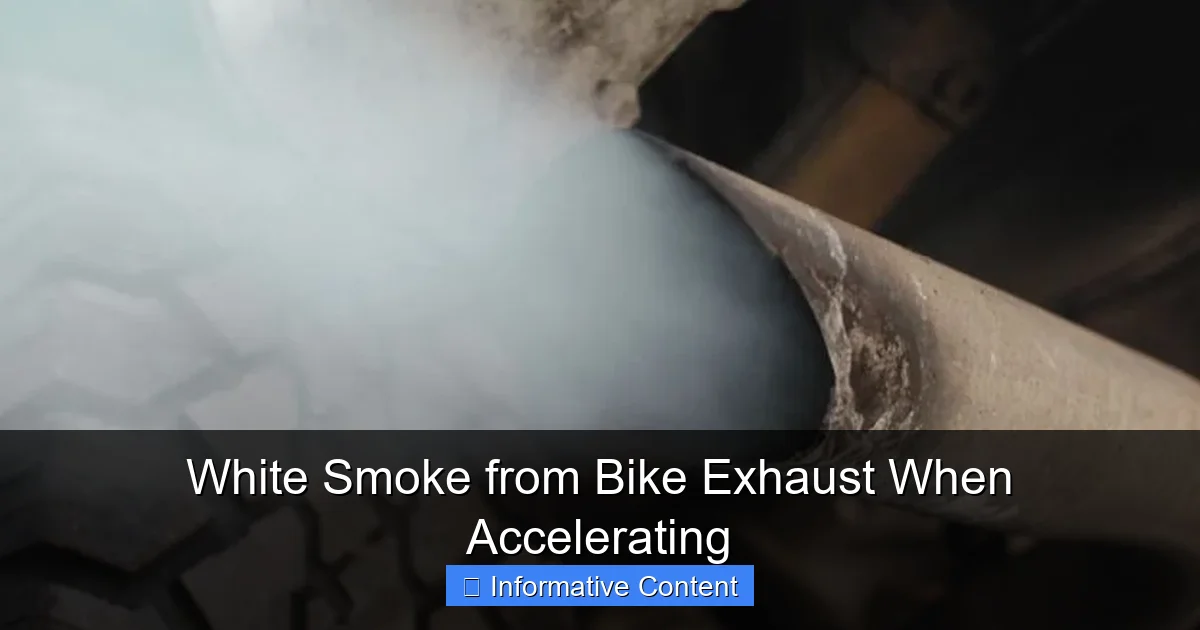
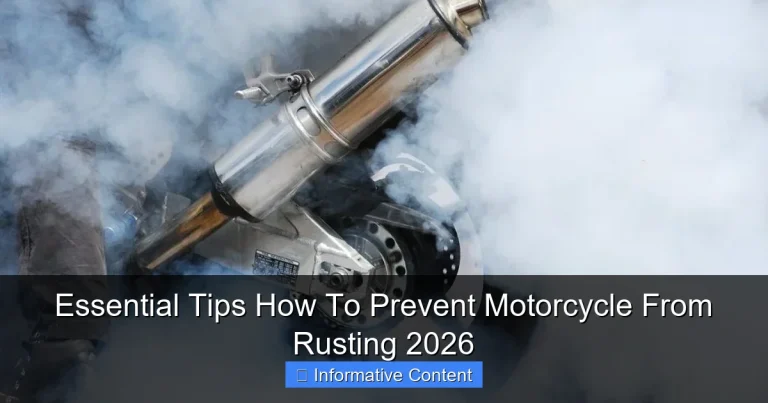
Visual guide about White Smoke from Bike Exhaust When Accelerating
Image source: roadsumo.com
1. Normal Condensation (Harmless)
On cooler days or after your bike has been sitting overnight, moisture accumulates inside the exhaust system. When you start the engine and accelerate, this water turns to steam and exits as light white vapor. It’s especially common in humid climates or during winter months. If the smoke disappears after a few minutes of riding and your bike runs smoothly, you likely have nothing to worry about.
2. Coolant Leak into Combustion Chamber
This is where things get serious. If coolant (antifreeze) leaks into the combustion chamber—usually due to a blown head gasket, cracked cylinder head, or warped engine block—it burns alongside fuel and produces thick, billowing white smoke. You might also notice a sweet, syrupy smell (from ethylene glycol in coolant) and a drop in coolant levels without any visible leaks. This condition, known as “hydrostatic lock” if severe, can destroy your engine if ignored.
3. Water in the Fuel System
Water can sneak into your fuel tank through condensation, contaminated fuel, or poor storage. When water mixes with gasoline, it doesn’t burn efficiently and creates white smoke during acceleration. You may also experience rough idling, hesitation, or stalling. Using a high-quality fuel additive designed to absorb water—like those discussed in our guide on the best additive to remove water from gas tank—can resolve this issue quickly.
4. Worn Engine Components (Less Common)
While pure white smoke is rarely caused by oil burning (which typically produces blue smoke), extremely worn piston rings or valve seals can allow small amounts of oil to enter the combustion chamber. If the smoke has a faint bluish tint and you’re also noticing oil consumption or loss, it’s worth inspecting these components. However, this is more typical in high-mileage bikes.
How to Diagnose White Smoke: A Step-by-Step Approach
Don’t guess—diagnose. Here’s a simple process to figure out what’s really going on:
Check the Smoke’s Appearance and Smell
Observe the color, thickness, and odor. Light, wispy vapor that clears quickly? Probably condensation. Thick, opaque smoke with a sweet smell? Likely coolant. If it smells like unburned fuel or has a chemical tang, consider fuel contamination.
Monitor Coolant and Oil Levels
Check your coolant reservoir and radiator (if applicable). Is the level dropping without explanation? Top it off and monitor over a few days. Also, inspect your oil dipstick—if the oil looks milky or frothy, coolant may be mixing with it, indicating a head gasket issue.
Perform a Compression Test
A compression test measures cylinder pressure and can reveal internal engine problems like a blown head gasket or cracked head. Low compression in one or more cylinders is a strong indicator of mechanical failure. Many local shops offer this service for under $50.
Inspect the Spark Plugs
Remove your spark plugs and examine them. If one plug is clean while others are sooty, it suggests uneven combustion—possibly due to coolant entering that cylinder. Clean, white-frosted plugs may also hint at coolant exposure.
When to Worry—and When Not To
Not all white smoke demands immediate action. Here’s a quick rule of thumb:
- Safe: Light vapor on startup that clears within 2–3 minutes of riding.
- Caution: Occasional puffs during hard acceleration with no other symptoms—monitor closely.
- Urgent: Continuous thick white smoke, sweet smell, coolant loss, overheating, or loss of power.
If you notice power loss alongside white smoke, don’t ignore it. Reduced performance could signal internal damage affecting combustion efficiency. For more on this, read our article about why your motorcycle might be losing power when accelerating.
Practical Fixes and Preventive Measures
Once you’ve identified the likely cause, here’s what you can do:
For Condensation
No fix needed! Just ride your bike regularly and let it reach full operating temperature. Avoid short trips that don’t allow the exhaust to dry out completely.
For Coolant Leaks
This usually requires professional repair. Replacing a head gasket is complex and labor-intensive. If you’re handy, you can attempt it yourself—but only if you have the right tools and experience. Otherwise, take it to a trusted mechanic. Delaying repairs can lead to hydrostatic lock, which may destroy your engine.
For Water in Fuel
Drain the tank if possible, then refill with fresh, high-quality fuel. Add a water-absorbing fuel additive (we recommend products with isopropanol). Run the bike until the old fuel is burned off. To prevent future issues, always use a fuel stabilizer if storing your bike for more than a month.
General Maintenance Tips
Regular maintenance goes a long way. Change your oil and filter as recommended—using the right type matters. Check out our guide on the difference between bike engine oil and car engine oil to ensure you’re using the correct lubricant. Also, inspect hoses, clamps, and the radiator cap periodically for signs of wear or leaks.
Conclusion: Stay Calm, Stay Informed
Seeing white smoke from your bike’s exhaust when accelerating can be unsettling, but it doesn’t automatically mean your ride is headed for the scrapyard. Most of the time, it’s either harmless condensation or a manageable issue like water in the fuel. However, if the smoke is persistent, thick, or accompanied by performance problems, don’t delay—act fast to prevent major engine damage.
Remember: early diagnosis saves money and keeps you safe on the road. Keep an eye on fluid levels, listen to your bike, and don’t ignore warning signs. With a little knowledge and proactive care, you’ll keep your motorcycle running smoothly for years to come.
Frequently Asked Questions
Why is my bike blowing white smoke only when accelerating?
This often happens because higher engine loads increase combustion pressure, forcing contaminants like coolant or water into the exhaust. It’s more noticeable under acceleration than at idle.
Can a dirty air filter cause white smoke?
No, a dirty air filter typically causes black smoke (rich fuel mixture) or poor performance, not white smoke. White smoke points to coolant, water, or condensation issues.
How do I know if my head gasket is blown?
Look for white smoke, coolant loss, milky oil, overheating, or bubbles in the coolant overflow tank. A compression test can confirm the diagnosis.
Is white smoke dangerous to inhale?
While brief exposure to condensation vapor is harmless, prolonged inhalation of coolant fumes can be toxic. Avoid running the bike in enclosed spaces if smoke is present.
Can I fix a blown head gasket myself?
It’s possible if you have mechanical experience and the right tools, but it’s a complex job. For most riders, professional repair is safer and more reliable.
Does using premium fuel prevent white smoke?
Premium fuel won’t prevent white smoke caused by coolant leaks or condensation. However, high-quality fuel with fewer contaminants reduces the risk of water buildup in the tank.