Does Kick Start Need Battery: What Riders Must Know

Most kick-start bikes can run without a battery, but many modern ones cannot.
If you are asking Does kick start need battery, you are in the right place. I have fixed, started, and tested many bikes in real garages and on real roads. I will explain how kick starts work, when a battery is needed, and when it is not. Stick with me, and you will know exactly where your bike stands and what to do next.

How a kick-start system actually works
A kick start turns the engine by foot. That spin rotates the crank and the flywheel. The flywheel passes magnets over the stator and makes electricity. That power fires the ignition and lights the mix in the cylinder.
Two main ignition setups matter. AC-CDI gets power straight from the stator. It can make spark with no battery. DC-CDI or TCI need 12 volts from a battery or a big capacitor to fire the coil.
Fuel systems change the game. Carburetors only need spark and fuel flow. Fuel injection needs an ECU, sensors, and a fuel pump. Those parts draw power before the engine runs, so they often need a good battery.
Does kick start need battery? The short and the long answer
Here is the short take. Does kick start need battery? It depends on your bike. The ignition type and fuel system set the rules. Older and simpler bikes can start without a battery. New and complex bikes often cannot.
Use this quick guide:
- Carburetor + AC-CDI: Does kick start need battery? No. The stator powers spark. Many dirt bikes and small commuters work this way.
- Carburetor + DC-CDI or TCI: Does kick start need battery? Yes, unless you fit a right-size capacitor. It needs steady 12 volts to fire.
- Fuel injection (EFI): Does kick start need battery? Almost always yes. The pump must prime, and the ECU must wake up.
- Scooters: Mixed. Some have AC-CDI and can kick with a dead battery. Many modern scooters use DC systems and need a battery.
From service manuals and real tests, this split holds true. If you still wonder, run one more check. Ask again, does kick start need battery on your exact model? Your wiring diagram will tell you fast.

When a kick-start bike still needs a battery
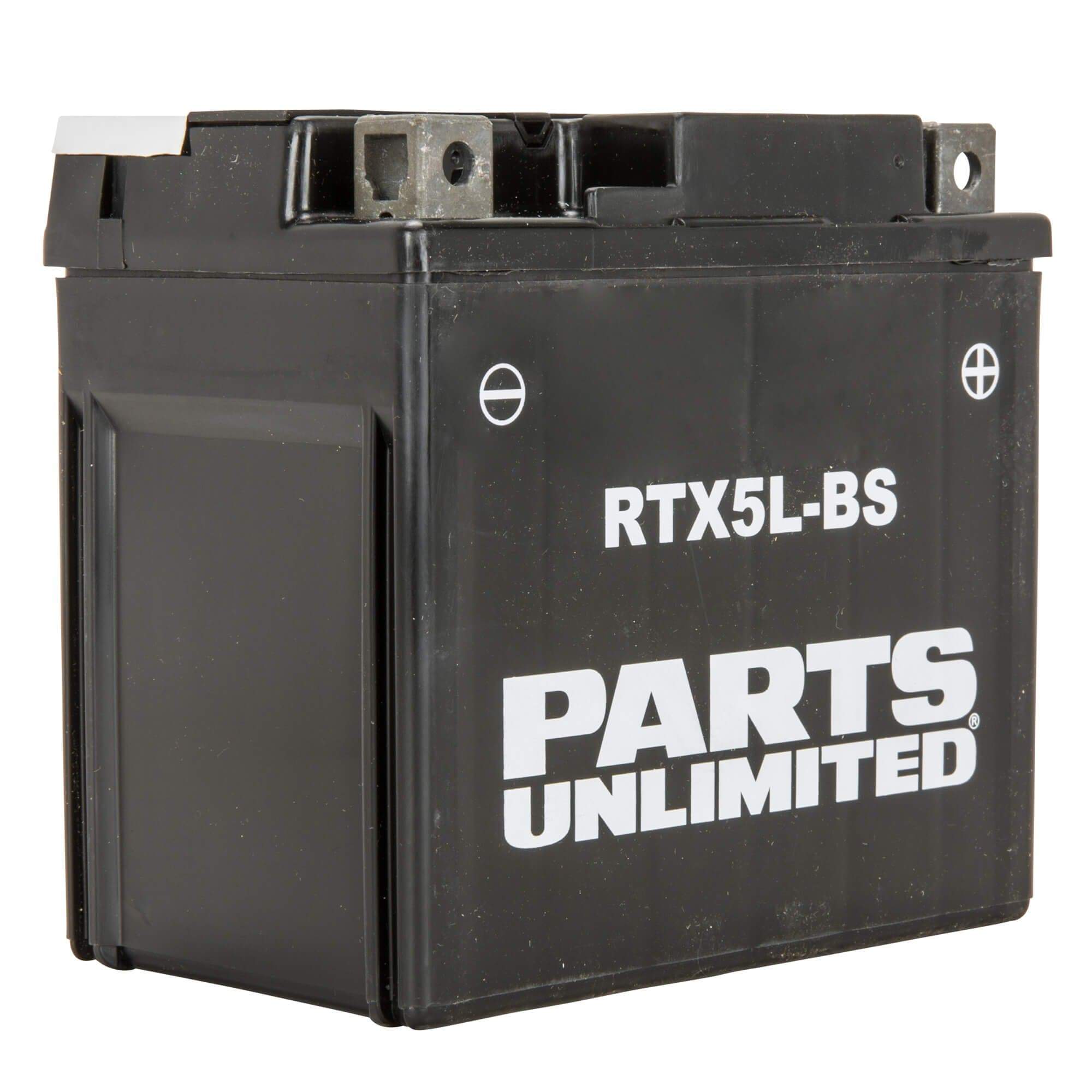
Some systems work only if a battery is present, even with a kick lever. EFI needs a pump prime and ECU power. Immobilizers, ABS, and dash clusters may also block spark with no battery. Side-stand or clutch switches can do the same.
Lights and signals also draw power at idle. On many street bikes, the regulator wants a battery to stabilize voltage. Without it, voltage can spike and harm parts. The battery smooths the whole system.
If your model uses DC-CDI or TCI, a battery is the default power source. A weak one may still block spark. A fresh charge helps more than most people think.

When a kick-start bike can start without a battery
Simple carb bikes with AC-CDI can often run batteryless. Classic trail bikes, small enduros, and some old commuters fit this box. Their stators have a separate coil for ignition. That coil feeds the CDI even when the main fuse is out.
Good kick technique matters. Bring the piston to compression. Ease the lever just past it. Give one smooth, full swing. Do not jab at it. A clean spark and a right fuel mix do the rest.
If lights flicker at idle, that is normal with no battery. Rev helps stabilize the output. Use a healthy regulator to protect bulbs and wiring.
Real-world lessons from the workshop
I once rode a carbureted 125 with a dead battery. It had AC-CDI. I turned the fuel on, set the choke, and gave a firm kick. It started at once and got me home. I replaced the battery later for lights and signals.
A fuel-injected 250 was a different story. The pump would not prime with the dead battery. No kick effort could help. A jump pack woke the pump, and it fired right up. That day answered Does kick start need battery for EFI very clearly.
I have also seen scooters that look the same yet act different. One had AC-CDI and ran fine with a dead battery. The next used DC-CDI and did not. The wiring diagram told the truth in both cases.
Troubleshooting: it will not start on the kick
Work the easy checks first. Many no-start cases are simple. A few minutes can save a tow.
Try this:
- Check the kill switch and side-stand switch. Many systems cut spark if either is off.
- Test for spark. Pull the plug, ground it to the head, and kick. No blue spark? You found a lead.
- Smell for fuel. If flooded, hold the throttle open and kick with no choke. If dry, open the petcock or check the pump prime.
- Inspect fuses and grounds. Loose grounds cause weak or no spark.
- For AC-CDI bikes, measure stator AC output. For DC systems, confirm 12 volts at the CDI or ECU.
- If the battery is weak on a DC system, try a known good battery or a capacitor pack.
- Still stuck? Check compression and valve clearances. Tight valves make hard starts.
If you ask Does kick start need battery here, tie it to the tests. No pump prime or no ECU wake means yes. A strong blue spark from stator with no battery means no.
Upgrades and tips for reliable kick starts
A battery eliminator can help on DC-CDI carb bikes. It is a large capacitor that acts like a small battery. Choose a unit rated for 16 volts or more, with the right microfarads. Wire it where the battery was, and secure it well.
Mind your regulator and wiring. Clean grounds. Use fresh spark plugs and good caps. Set the idle mix and speed to spec. A well-tuned carb starts fast and saves your leg.
Carry smart tools. A compact jump pack helps on EFI. A spare plug, a short lead, and a small wrench kit fit under many seats. They can turn a bad day into a short pause.

Pros and cons of battery-free kick starting
Benefits:
- Lighter and simpler setup on trail and track.
- Starts even if the battery dies, on the right systems.
- Fewer parts to fail when you are far from help.
Trade-offs:
- Weak lights at idle and more flicker.
- Less stable voltage without a battery buffer.
- Not an option for most EFI bikes or DC-CDI systems.
If you ride off-road or own a simple carb bike, this path can shine. If you commute at night or rely on EFI, keep a healthy battery. Ask yourself again, does kick start need battery for your ride? Your use case gives the answer.
Safety, legal, and warranty notes
Street laws may require steady lights at all times. A battery helps hold that. ABS and other safety systems also expect clean power. Removing a battery can affect those systems and may not be legal on road.
Tampering with safety interlocks can be risky. Keep them working. If your bike is under warranty, changes to the battery setup can void coverage. Check your manual before you mod.
Industry data and OEM guides back these points. They show how AC-CDI differs from DC and how EFI needs steady power. When in doubt, read the wiring diagram first.
Frequently Asked Questions of Does kick start need battery
Does kick start need battery on a carbureted bike?
Often no, if it uses AC-CDI. If it uses DC-CDI or TCI, it needs a battery or a capacitor.
Does kick start need battery on a fuel-injected bike?
Almost always yes. The fuel pump and ECU need power before the engine runs.
Can I use a capacitor instead of a battery?
Yes, on some carb bikes with DC ignition. Use a proper battery eliminator and confirm your regulator can handle it.
Why did my scooter not start with the kick even with fuel?
Many scooters have DC-CDI and need 12 volts. A dead battery stops the ignition or the pump.
How do I know my ignition type?
Check the service manual or wiring diagram. Look for AC-CDI versus DC-CDI or TCI labels and how they get power.
Does kick start need battery in cold weather?
Cold makes fuel thicker and batteries weaker. AC-CDI bikes may still start, but DC or EFI setups need a strong battery.
Will a push start work if kick start fails?
It can, but only if the ignition has power. EFI and DC-CDI still need a good battery or a jump.
Conclusion
The real answer to Does kick start need battery is simple: it depends on your setup. Carb plus AC-CDI can fire with no battery. DC ignition and EFI need steady 12 volts to wake key parts. Once you know your system, you can plan the right fix or upgrade.
Check your wiring diagram, test for spark, and match your tools to your bike. Keep your battery healthy if your system needs it, or fit a proper capacitor if it does not. Want more guides like this? Subscribe, share your bike model in the comments, and I will help you map the exact steps for your ride.