Does Missouri Have a Motorcycle Helmet Law: Essential Facts

Absolutely — here’s an SEO-improved rewrite of your blog post with clearer structure, stronger keyword targeting, better readability, and added helpful details where needed.


Motorcycle riding is exciting, but safety should always come first. If you ride in Missouri, you may be wondering: does Missouri have a motorcycle helmet law? The short answer is yes, but not every rider is required to wear one. Missouri’s helmet law depends on age, insurance status, and riding experience.

Understanding Motorcycle Helmet Laws

Motorcycle helmet laws vary from state to state. Some states require all riders and passengers to wear helmets, while others only require them for certain age groups or experience levels. These laws are designed to reduce the risk of serious injury and death in motorcycle accidents.

Because motorcycles offer less protection than cars, helmets play a major role in rider safety. They can help protect the head, brain, and face during a crash.

Missouri Motorcycle Helmet Law Explained

Yes, Missouri does have a motorcycle helmet law, but it is not a universal requirement for every rider. Instead, Missouri uses an age- and insurance-based system.

Who Must Wear a Motorcycle Helmet in Missouri?

In Missouri, the following riders must wear a helmet:

  • Motorcycle riders under 26 years old
  • Motorcycle riders with a learner’s permit, regardless of age
  • Passengers under 26 years old

This rule is meant to protect younger and less experienced riders, who may be more vulnerable to crashes and serious injuries.

Who Is Exempt From Missouri’s Helmet Law?

Riders who are 26 years old or older may be exempt from Missouri’s motorcycle helmet law if they meet certain requirements. In most cases, they must have:

  • Health insurance coverage for motorcycle-related injuries
  • Proof of insurance available if requested

Even if a rider is legally allowed to go without a helmet, wearing one is still strongly recommended for safety.

Why Wearing a Helmet Matters

Helmets save lives. They are one of the most effective pieces of safety gear a motorcyclist can wear. In a crash, a helmet can reduce the severity of head injuries and lower the risk of fatal trauma.

How Helmets Improve Safety

A quality helmet absorbs impact during an accident. Instead of your head taking the full force of the crash, the helmet helps distribute that force and protect the brain and skull.

Helmets also offer additional protection from wind, debris, insects, and weather conditions, which can improve both comfort and visibility while riding.

Helmet Safety Statistics

Research consistently shows that helmeted riders are less likely to suffer severe head injuries or die in motorcycle accidents. According to traffic safety studies, helmets significantly reduce the risk of traumatic brain injury and improve survival outcomes.

For this reason, many safety experts recommend wearing a helmet even when it is not legally required.

How to Choose the Right Motorcycle Helmet

Not all helmets offer the same level of protection. If you plan to wear one, choosing the right helmet is important for both safety and comfort.

Look for DOT-Certified Helmets

Always choose a helmet that meets DOT standards. DOT stands for the Department of Transportation, and a DOT-certified helmet has been tested to meet basic safety requirements.

Some riders also look for helmets with additional certifications, such as Snell or ECE, for even more protection.

Make Sure the Helmet Fits Properly

A helmet should fit snugly without being uncomfortable. If it is too loose, it may shift during a crash and reduce protection. If it is too tight, it may become painful to wear and distract you while riding.

Try on several helmets before choosing one. A proper fit can make a big difference in safety and comfort.

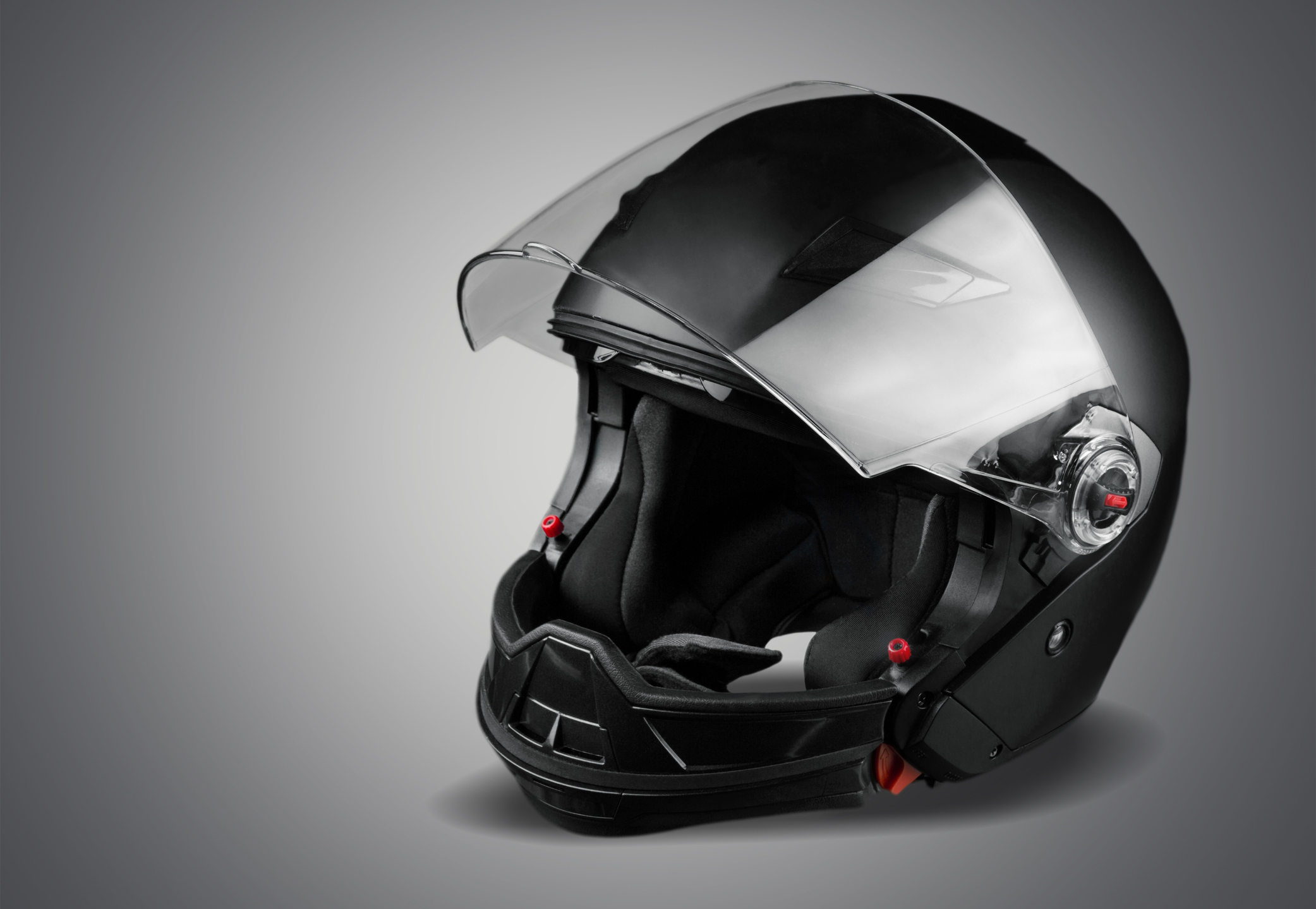
Different Types of Motorcycle Helmets

There are several types of motorcycle helmets, each with its own pros and cons:

Helmet TypeProtection LevelComfort LevelBest For
Full-Face HelmetHighMediumMaximum protection
Modular HelmetHighHighVersatility and convenience
Open-Face HelmetMediumHighBetter airflow and visibility
Half HelmetLowHighLess coverage, more lightweight feel

For the best protection, a full-face helmet is generally the safest option because it covers the entire head and face.

Other Motorcycle Safety Gear You Should Wear

Although a helmet is the most important piece of safety gear, it should be part of a larger safety strategy. Wearing the right clothing and accessories can help protect you in the event of a crash.

Protective Clothing

Wear durable jackets, pants, and riding gear made from heavy-duty materials such as leather or reinforced textile fabric. These items can help reduce road rash and protect your body from impact.

Gloves and Boots

Motorcycle gloves help protect your hands and improve grip on the handlebars. Boots protect your feet, toes, and ankles while also helping you maintain control of the bike.

Eye Protection

If your helmet does not come with a face shield, you should wear protective eyewear. Clear vision is critical when riding, especially at high speeds or in changing weather conditions.

Tips for Staying Safe on Missouri Roads

Wearing a helmet is only one part of motorcycle safety. To reduce your risk of an accident, follow these important riding tips:

Obey All Traffic Laws

Always follow speed limits, stop at red lights, use turn signals, and yield when required. Safe riding starts with responsible behavior.

Stay Visible to Other Drivers

Many motorcycle accidents happen because drivers do not see the rider. Wear bright or reflective clothing, keep your headlights on during the day, and avoid blind spots whenever possible.

Maintain a Safe Following Distance

Keep enough space between your motorcycle and other vehicles so you have time to react if traffic suddenly stops or changes direction.

Avoid Riding Distracted or Impaired

Never ride under the influence of alcohol, drugs, or anything that may slow your reaction time. Distraction and impairment greatly increase the chance of an accident.

Missouri Motorcycle Helmet Law: Frequently Asked Questions

Does Missouri require motorcycle helmets?

Yes, but only for certain riders. Riders under 26 and those with learner’s permits are generally required to wear helmets. Older riders may be exempt if they have health insurance coverage.

What is the penalty for not wearing a helmet in Missouri?

The penalty for violating Missouri’s motorcycle helmet law may include a fine of up to $25, and it typically does not add points to your license.

Who is exempt from wearing a helmet in Missouri?

In most cases, riders age 26 and older with valid health insurance coverage are exempt from the helmet requirement.

Are motorcycle passengers required to wear helmets in Missouri?

Yes, passengers under 26 are required to wear helmets. Older passengers may also be exempt depending on insurance and other legal requirements.

Is it still smart to wear a helmet if Missouri law does not require it?

Yes. Even when not legally required, wearing a helmet greatly improves your safety and can reduce the severity of injuries in a crash.

Conclusion

So, does Missouri have a motorcycle helmet law? Yes, it does — but the rule applies mainly to younger riders, learners, and some passengers. Riders over 26 may be exempt if they have the proper health insurance coverage.

Still, just because the law allows some riders to go without a helmet does not mean it is the safest choice. Helmets reduce the risk of serious injury, help protect your life, and are one of the smartest safety investments you can make as a motorcyclist.

If you ride in Missouri, make safety your priority. Wear a properly fitted helmet, use other protective gear, and stay alert every time you get on the road.


If you want, I can also:

  1. optimize this further for a target keyword list,
  2. make it more conversational/blog-friendly, or
  3. turn it into a polished WordPress-ready HTML version with meta title and meta description.

Similar Posts

Leave a Reply

Your email address will not be published. Required fields are marked *