How Often to Replace Motorcycle Helmet: Essential Safety Guide

Absolutely — here’s a more SEO-friendly, polished rewrite of your blog post with improved structure, clearer keyword usage, and expanded helpful content. I’ve also cleaned up the wording, tightened the flow, and added more value where it makes sense.
Motorcycle helmets are one of the most important safety gear items a rider can own. They are designed to protect your head and reduce the risk of serious injury in the event of an accident. However, even the best helmet will not last forever. Over time, materials degrade, padding compresses, and safety performance can decline.
If you are wondering how often to replace a motorcycle helmet, the answer depends on the helmet type, usage, storage, and whether it has been involved in a crash. In general, most experts recommend replacing a motorcycle helmet every 3 to 5 years, or sooner if it shows signs of damage.
Why It’s Important to Replace Your Motorcycle Helmet
A motorcycle helmet may look fine on the outside, but internal damage and material breakdown can happen gradually. The outer shell, impact-absorbing foam, straps, and padding all age over time.
Here are some reasons why replacing your helmet matters:
- Impact protection decreases over time
- Sweat, UV exposure, and weather can weaken materials
- Padding compresses and loses comfort and support
- Straps and fasteners can wear out
- Hidden damage may go unnoticed after an accident or drop
Wearing an old or damaged helmet can reduce your protection and put you at greater risk during a ride.
General Helmet Replacement Timeline
Most motorcycle helmet manufacturers and safety experts recommend replacing your helmet every five years from the date of purchase, or sooner if it has been heavily used.
That said, the actual replacement timeline can vary based on:
- Helmet quality
- Frequency of use
- Riding conditions
- Exposure to sunlight and moisture
- Whether the helmet has been dropped or crashed
For racing or off-road helmets, replacement may be needed sooner because these helmets often experience more intense wear.
When to Replace a Motorcycle Helmet
There are several clear signs that it may be time to replace your helmet.
1. After Any Crash or Impact
If your helmet has been involved in an accident, replace it immediately. Even if there is no visible damage, the inner foam may have compressed and lost its ability to absorb impact properly.
2. Visible Cracks or Damage
Look for signs such as:
- Cracks in the shell
- Dents
- Frayed chin straps
- Broken buckles
- Loose or damaged interior padding
Any visible damage is a strong indicator that the helmet is no longer safe to use.
3. Loose or Poor Fit
A helmet should fit snugly and securely. If your helmet feels loose, shifts while riding, or no longer sits properly on your head, it may be time to replace it.
4. Worn-Out Interior Padding
Helmet liners and foam padding break down over time. If the padding feels flattened, loose, or uncomfortable, the helmet may no longer provide the proper level of protection.
5. Damaged Straps or Retention System
The chin strap is a critical safety feature. If the straps are worn, stretched, or the buckle no longer works correctly, the helmet should be replaced right away.
6. Dropped Helmet
If you drop your helmet from a significant height or onto a hard surface, inspect it carefully. While not every drop causes damage, it can create hidden structural issues. When in doubt, replacing it is the safest option.
Do Motorcycle Helmets Expire?
Motorcycle helmets do not have a printed expiration date like food, but they do have a practical lifespan. The materials inside the helmet gradually break down due to:
- Age
- Heat
- Sun exposure
- Moisture
- Regular use
- Cleaning chemicals
This is why many riders and manufacturers suggest replacing a helmet every 3 to 5 years, even if it appears to be in good condition.
Motorcycle Helmet Replacement Frequency Table
| Helmet Type | Recommended Replacement |
|---|---|
| Standard Helmet | Every 5 Years |
| Off-Road Helmet | Every 3–5 Years |
| Racing Helmet | Every 2–3 Years |
This table is a general guide. Always check the helmet manufacturer’s recommendations for the most accurate replacement interval.
How to Make Your Motorcycle Helmet Last Longer
Proper care can help extend the life of your helmet and keep it performing better for longer.
Helmet Care Tips
- Store your helmet in a cool, dry place
- Keep it out of direct sunlight when not in use
- Clean it regularly with mild soap and water
- Avoid harsh chemicals or strong solvents
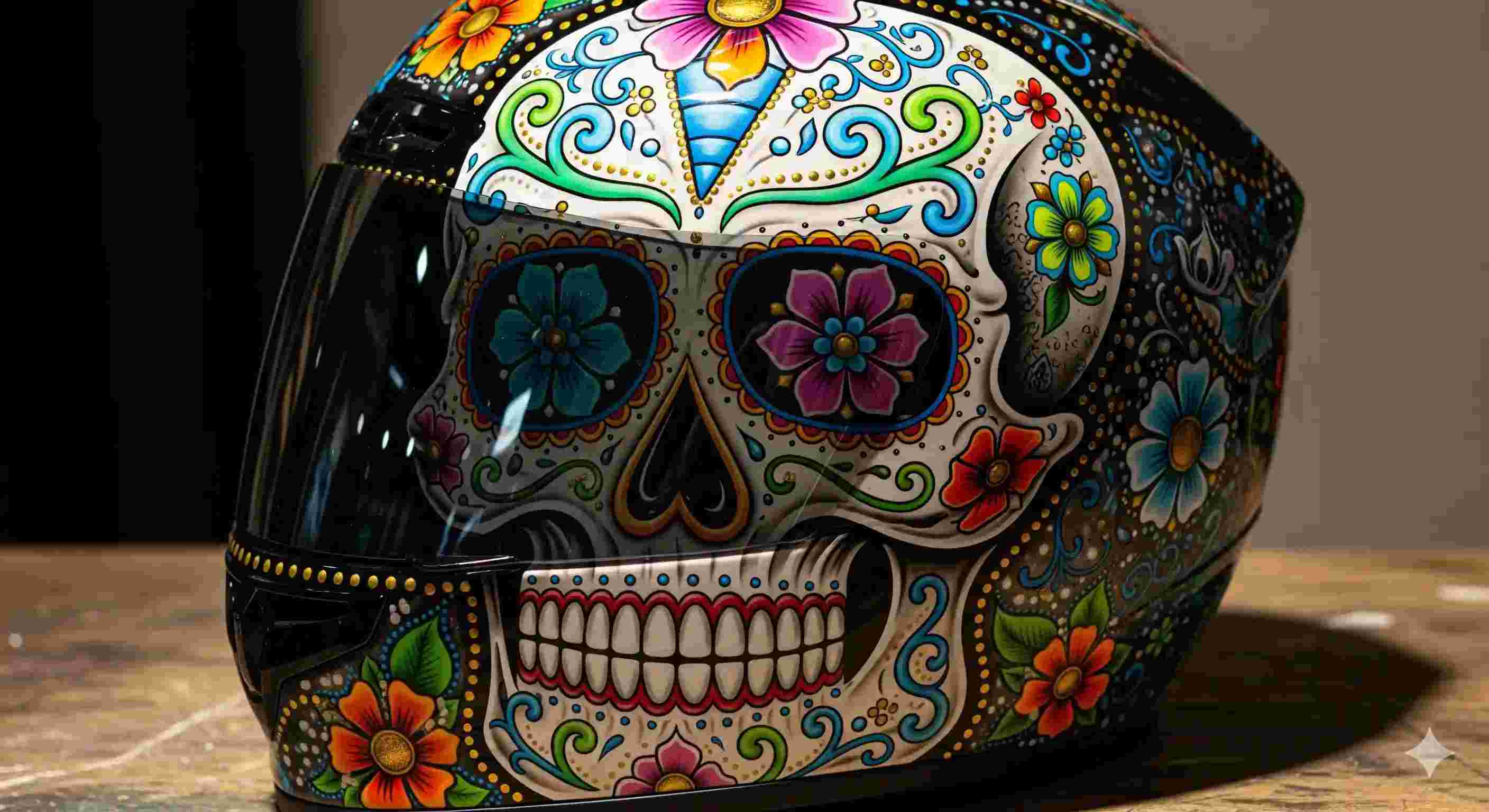
- Don’t paint the helmet or apply unsafe adhesives
- Never hang it on mirrors or handlebars for long periods
- Avoid dropping it or tossing it around
Taking care of your helmet won’t make it last forever, but it can help preserve its safety and comfort.
How to Choose a New Motorcycle Helmet
When it is time to replace your helmet, choose one that offers the right balance of safety, comfort, and fit.
Look for These Features:
- Safety certification: Check for DOT, ECE, or Snell approval
- Proper fit: The helmet should feel snug without being painful
- Comfort: Try it on and wear it for several minutes before buying
- Ventilation: Good airflow helps keep you cool during long rides
- Weight: A lighter helmet may feel more comfortable, but safety should remain the priority
- Visor quality: A clear, scratch-resistant visor improves visibility
- Noise reduction: Some helmets are designed to reduce wind noise
A properly fitted, certified helmet is always worth the investment.
Frequently Asked Questions
How often should you replace a motorcycle helmet?
Most motorcycle helmets should be replaced every 3 to 5 years, or immediately after a crash or major impact.
What are the signs my helmet needs replacing?
Common signs include cracks, loose padding, damaged straps, poor fit, and visible shell damage.
Do motorcycle helmets expire?
Yes, in a practical sense. The materials degrade over time, so helmets should be replaced regularly even if they look fine.
Can a dropped helmet be reused?
It depends on the impact. Minor drops may not cause serious damage, but if the helmet hit a hard surface from a height, it’s safest to replace it.
How do I know if my helmet is still safe?
Inspect the shell, padding, and straps regularly. If the helmet has been in a crash, dropped hard, or shows signs of wear, replace it.
Conclusion
Replacing your motorcycle helmet is essential for staying protected on the road. Even if a helmet looks fine on the outside, age, wear, and hidden damage can reduce its effectiveness.
As a rule of thumb, replace your helmet every 3 to 5 years, or sooner if it has been damaged, dropped, or involved in an accident. By choosing a high-quality helmet and caring for it properly, you can help ensure better safety and peace of mind every time you ride.
If you'd like, I can also:
- optimize this for a specific keyword like “when to replace motorcycle helmet,”
- turn it into a more natural human-written blog tone, or
- add meta title, meta description, and SEO FAQ schema markup.