Ece Vs Snell: Ultimate Helmet Safety Comparison Revealed

Choosing the right helmet can be confusing, especially when you see labels like ECE and Snell. You want to protect yourself, but which standard truly keeps you safer on the road?
Understanding the difference between ECE and Snell isn’t just about knowing acronyms—it’s about making a smart choice that affects your safety every time you ride. Keep reading to discover what sets these two safety standards apart, so you can pick the helmet that gives you confidence and peace of mind.
Credit: smf.org
Ece Standards
ECE Standards play a crucial role in defining safety requirements for helmets used in motorcycling and other activities. These standards are set by the United Nations Economic Commission for Europe (UNECE) to ensure helmets provide adequate protection. Understanding ECE standards helps riders choose helmets that meet strict safety rules. This section explains the history, testing, certification, and global acceptance of ECE standards.
History And Origin
The ECE helmet standards began in the early 1950s as a way to create uniform safety rules across Europe. The goal was to protect riders by setting minimum requirements for helmet design and performance. The first standard was called ECE 22-01.
Key points in the history:
- 1958: Introduction of the original ECE standard under the UNECE.
- 1980: Update to ECE 22-02, improving testing methods.
- 1997: ECE 22-03 introduced, adding stricter impact and retention tests.
- 2000: ECE 22-04 replaced the previous version, focusing on better protection and comfort.
The ECE 22-05 standard became widely accepted and is still used today, although ECE 22-06 is the newest version being introduced. The standards evolved to keep up with new materials and helmet technologies.
| Year | Standard Version | Main Changes |
|---|---|---|
| 1958 | ECE 22-01 | First helmet safety standard in Europe |
| 1997 | ECE 22-03 | Stricter impact and retention testing |
| 2000 | ECE 22-04 | Improved protection and comfort |
| Current | ECE 22-05 / 22-06 | Latest safety and performance updates |
Testing Procedures
ECE standards require helmets to pass several tests before approval. These tests check the helmet’s ability to protect the head during crashes.
Main testing procedures include:
- Impact tests: Helmets are dropped onto different anvils at set speeds to measure shock absorption.
- Penetration tests: A pointed striker hits the helmet to test resistance to sharp objects.
- Retention system test: Straps are pulled with force to check if they stay secure during impact.
- Field of vision test: Ensures the helmet does not block the rider’s sight.
Helmets must meet strict limits for impact energy and penetration. These limits help reduce head injuries in accidents. The testing uses special machines and precise measurements.
| Test | Purpose | Method |
|---|---|---|
| Impact Test | Shock absorption | Drop helmet on anvils at 27 km/h |
| Penetration Test | Resistance to sharp objects | Strike with pointed striker |
| Retention Test | Strap strength | Pull straps with 50 kg force |
| Field of Vision | Visibility check | Measure visible angle around helmet |
Certification Process
Getting an ECE certification means a helmet passed all required tests. The process involves several steps:
- Helmet design and manufacturing: The company builds the helmet according to ECE rules.
- Testing at an approved lab: Independent labs conduct the safety tests.
- Documentation review: All test results and technical details are checked.
- Approval and marking: Helmets that pass receive an ECE label with a unique number.
- Quality control: Ongoing checks ensure helmets remain consistent in safety.
Each certified helmet shows a label inside. This label has important information such as:
- ECE approval number
- Model and size
- Manufacture date
- Manufacturer’s name
Consumers can trust helmets with this label because they meet European safety standards.
Global Acceptance
ECE standards are recognized in over 50 countries worldwide. Many countries adopt ECE rules for helmet safety, especially in Europe, Asia, and parts of Africa.
Countries that accept ECE certified helmets include:
- All European Union member states
- Russia
- Japan
- South Africa
- Australia (alongside other standards)
ECE helmets often meet or exceed safety requirements in other regions. This broad acceptance helps manufacturers sell helmets internationally without extra testing.
In some countries, ECE certification is mandatory for street use. Riders benefit from knowing their helmet meets trusted safety rules no matter where they ride.
Credit: kdfoundation.org
Snell Standards
Snell Standards are a set of safety rules for helmets. They aim to protect the head during crashes. These standards come from the Snell Memorial Foundation, a group focused on helmet safety. Unlike some other standards, Snell tests helmets under tough conditions. This makes them popular among racers and serious riders. Understanding the Snell Standards helps choose helmets that offer strong protection.
Background And Development
The Snell Memorial Foundation started in 1957. It was named after Dr. William Snell, who died in a racing accident. The foundation’s goal is to improve helmet safety through research and testing. Since then, Snell has updated its standards many times.
Key points in Snell’s history:
- Founded in 1957 to honor Dr. William Snell
- Focus on helmet safety for motorcycle and auto racing
- Regular updates based on new research and technology
- Independent and nonprofit organization
The foundation works with engineers and scientists. They study how helmets can protect better. This research shapes the strict rules helmets must pass to get Snell certified.
Testing Criteria
Snell helmets must pass tough tests to prove safety. These tests measure impact resistance, shell strength, and retention system durability. The goal is to ensure helmets protect the head well in crashes.
Main Snell testing areas include:
- Impact Testing: Helmets hit at high speeds on hard surfaces.
- Shell Penetration: Sharp objects try to pierce the helmet shell.
- Retention System: Chin straps tested for strength and security.
- Flame Resistance: Some helmets tested against fire exposure.
Testing uses different impact points on helmets. This checks all areas for protection. The tests are harder than many other standards. This means Snell helmets often offer higher safety.
Certification Requirements
Helmets must meet several rules to get Snell certification. These ensure the helmet is safe and reliable. Manufacturers submit helmets for testing to the Snell Foundation.
Certification steps include:
- Helmet design review by Snell engineers
- Testing on impacts, penetration, and retention
- Passing all tests within strict limits
- Labeling helmets with Snell certification mark
Snell also requires helmets to be retested every five years. This keeps safety high as materials age. Helmets failing tests must be redesigned or removed from the market.
| Requirement | Description |
|---|---|
| Impact Resistance | Helmet absorbs and reduces impact force |
| Penetration Resistance | Helmet shell blocks sharp objects |
| Retention System | Chin strap stays secure during crash |
| Labeling | Helmet shows official Snell certification mark |
Regional Influence
Snell Standards are popular mainly in the United States and Canada. Many racing organizations require Snell-certified helmets for competition. This gives Snell a strong reputation among racers.
Other regions use different standards, like ECE in Europe. These focus on everyday riding safety and legal requirements. Snell is often seen as stricter and more focused on high-impact crashes.
Where Snell is common:
- USA – motorcycle and auto racing
- Canada – competitive motorsports
- Some parts of Asia – niche markets for racing helmets
Some countries do not require Snell certification by law. Instead, they use local or international standards. Riders in these areas may choose Snell helmets for extra protection.
Snell continues working with global partners. This helps improve helmet safety worldwide. Its tough testing makes it trusted by serious riders and racers.
Safety Performance
Safety performance is a key factor in choosing between ECE and Snell motorcycle helmets. Both certifications focus on protecting riders during crashes, but their testing methods and standards differ. Understanding these differences helps pick a helmet that offers the best protection. Below, we explore how ECE and Snell helmets perform in impact resistance, durability tests, and real-world effectiveness.
Impact Resistance
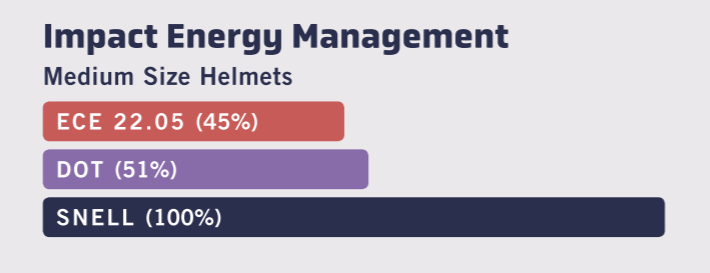
Impact resistance measures how well a helmet absorbs and reduces the force from a crash. Both ECE and Snell standards require helmets to pass impact tests, but the procedures vary.
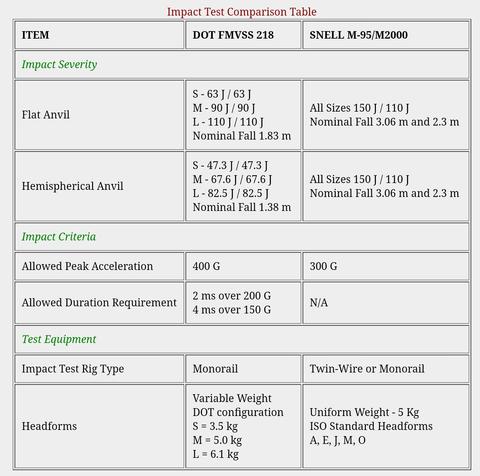
- ECE Test: Uses a drop test from a specific height onto a flat anvil and a kerb-shaped anvil.
- Snell Test: Uses multiple impact points with higher energy impacts and different anvil shapes.
Snell standards are generally stricter, applying more force in tests. This means Snell helmets often have thicker shells and more padding to absorb stronger impacts.
| Test Aspect | ECE | Snell |
|---|---|---|
| Drop Height | Lower (7.5 m/s impact speed) | Higher (up to 8.5 m/s impact speed) |
| Impact Locations | Fewer | Multiple, including chin bar |
| Energy Absorption | Moderate | High |
Summary: Snell helmets tend to resist impacts better due to tougher testing, but ECE helmets still provide solid protection.
Durability Tests
Durability tests check how helmets handle wear, tear, and environmental factors. Both ECE and Snell require helmets to endure these tests before certification.
- ECE Durability: Includes tests for shell rigidity, strap strength, and resistance to UV and chemicals.
- Snell Durability: Adds additional tests for shell penetration and repeated impacts on the same spot.
Snell helmets often use tougher materials and construction to meet these higher durability demands. This makes them heavier but longer-lasting.
Below is a comparison of durability features:
| Durability Feature | ECE | Snell |
|---|---|---|
| Strap Strength | Passes minimum load | Higher load requirements |
| Shell Penetration | Basic resistance | Stricter penetration test |
| Environmental Resistance | UV and chemical exposure tested | Same as ECE plus extra impact tests |
Summary: Snell-certified helmets are designed for tougher conditions, while ECE helmets balance durability and weight.
Real-world Effectiveness
Real-world effectiveness shows how helmets protect riders outside the lab. Accident data and rider feedback help understand this performance.
Studies suggest:
- Both ECE and Snell helmets reduce head injuries significantly.
- Snell helmets may offer extra protection during very high-speed crashes.
- ECE helmets are popular worldwide due to affordability and good protection.
Many riders prefer ECE helmets for daily use because they are lighter and cooler. Snell helmets suit racers and riders who want maximum safety in extreme conditions.
Key points to consider:
- Comfort affects helmet use and safety. A helmet not worn properly offers less protection.
- Maintenance and helmet replacement after impacts influence long-term safety.
- Both certifications ensure a good safety level; personal fit and helmet condition matter most.

Credit: www.youtube.com
Helmet Types Covered
Understanding the differences between ECE and Snell standards requires knowing the types of helmets each covers. Both certifications test helmets for safety, but their focus varies depending on helmet use. This section explains the main helmet types under ECE and Snell regulations. Knowing these types helps riders choose helmets that meet the right safety standards for their activity.
Motorcycle Helmets
Motorcycle helmets are the most common type tested under both ECE and Snell standards. These helmets protect riders during everyday riding and commuting. The ECE 22.05 (soon 22.06) standard is popular in Europe and many countries worldwide. It ensures helmets meet impact absorption, penetration resistance, and retention system tests.
Snell standards, such as Snell M2020, focus more on high-impact tests and often require thicker padding. Snell helmets usually undergo more rigorous testing, which can result in heavier helmets but with added protection.
Key features tested in motorcycle helmets:
- Impact absorption
- Penetration resistance
- Chin strap strength
- Field of vision
| Feature | ECE 22.05/22.06 | Snell M2020 |
|---|---|---|
| Impact Testing | Lower impact speed | Higher impact speed |
| Weight | Lighter helmets | Heavier helmets |
| Penetration Test | Required | Required |
| Retention System | Strong chin strap | Stronger chin strap |
Both standards aim to keep riders safe but differ in testing methods and helmet design focus.
Racing Helmets
Racing helmets have stricter requirements due to the high speeds and risks involved in motorsports. Snell standards, especially Snell SA (Special Application), are widely accepted in professional racing. They test helmets for fire resistance and higher impact protection.
ECE standards cover some racing helmets but often do not include fire resistance tests. Snell SA helmets have flame-retardant liners and covers, which protect racers in crashes involving fire. These helmets also have enhanced impact protection and more secure retention systems to withstand intense forces.
Racing helmet features under Snell SA include:
- Flame-retardant materials
- Advanced impact absorption
- Improved retention systems
- High-speed impact testing
Many racing organizations require Snell SA certification for helmets used in competitions. ECE helmets might be allowed in amateur or lower-speed events but may not meet all safety demands in top-level racing.
| Standard | Fire Resistance | Impact Speed | Use Case |
|---|---|---|---|
| Snell SA | Yes | High | Professional racing |
| ECE 22.05/22.06 | No | Moderate | General use, some amateur racing |
Other Protective Gear
Besides helmets, some other protective gear falls under safety testing but is less common in ECE and Snell standards. For example, off-road helmets and specialized helmets for activities like karting or snowmobiling may have different certifications.
Snell offers certifications for karting helmets (Snell K standards) and for helmets designed for other sports. These helmets focus on impact protection but may not cover features like fire resistance.
Examples of other protective gear certifications:
- Snell K: Karting helmets with high impact tests
- Snell B:Bicycle helmets with specific impact standards
- ECE standards: Mainly for motorcycle helmets, less for other gear
Safety gear beyond helmets, like gloves and jackets, follow different standards but complement helmet protection. Choosing the right helmet type with the correct certification improves overall rider safety.
Cost And Availability
Choosing between ECE and Snell helmets often depends on cost and availability. Both standards ensure safety but differ in price and where you can buy them. Understanding these factors helps buyers make smart decisions without overspending or facing supply issues. Let’s explore how price, market presence, and consumer choices vary between ECE and Snell helmets.
Price Differences
ECE helmets usually cost less than Snell helmets. The reason lies in testing methods and certification costs. Snell certification requires more rigorous and frequent testing. This increases manufacturing expenses, which reflect in the price.
Here is a simple comparison:
| Helmet Type | Average Price Range | Reason for Price |
|---|---|---|
| ECE Certified | $100 – $300 | Standard testing, less frequent renewals |
| Snell Certified | $150 – $500 | Strict testing, high certification costs |
Price points matter for many riders, especially those on a budget. ECE helmets offer good protection at a lower cost. Snell helmets appeal to riders who want extra safety and are ready to pay for it.
- ECE helmets fit well into most budgets.
- Snell helmets are premium options.
- Price difference can be 30% or more.
Market Availability
ECE helmets dominate in Europe and many other regions. This is because ECE certification is mandatory in over 50 countries. You will find many models from different brands. Stores and online shops usually stock ECE helmets widely.
Snell helmets have a smaller market share. They are popular mainly in the United States and among racing enthusiasts globally. Fewer brands produce Snell-certified helmets. Availability is limited mostly to specialty stores or online.
The availability comparison:
- ECE helmets: Easy to find in retail stores worldwide.
- Snell helmets: Often require ordering from specialty shops or websites.
Regional laws influence availability. Countries that require ECE certification naturally have more ECE helmets. Snell helmets appear more in racing circuits and niche markets.
Summary:
- ECE helmets have widespread availability.
- Snell helmets are less common but present in racing markets.
- Buyers may face limited choices depending on location.
Consumer Preferences
Riders choose helmets based on price, safety, and personal needs. Many prefer ECE helmets because of their affordability and legal acceptance in many countries. Casual riders often select ECE helmets for daily use.
Snell helmets attract riders seeking higher safety standards. These include professional racers and safety-conscious enthusiasts. Many consumers trust Snell for extra protection in crashes.
Key factors affecting consumer choice:
- Budget: ECE helmets suit tight budgets better.
- Safety level: Snell is preferred for advanced safety.
- Legal requirements: Some countries only accept ECE.
- Style and comfort: Both types offer various designs.
Consumer reviews often highlight comfort and weight. ECE helmets tend to be lighter and more comfortable for everyday use. Snell helmets may be heavier due to extra padding and reinforcements.
Ultimately, consumer preferences depend on the balance between cost, safety, and availability. Riders looking for certified protection without high costs lean toward ECE. Those focused on top-level safety, especially in racing, choose Snell.
Choosing The Right Standard
Choosing the right helmet safety standard is crucial for every rider. ECE and Snell are two popular certifications, each with unique testing methods and safety focuses. Picking the right one depends on many factors, including your riding style, local laws, and personal safety needs. Understanding these can help you make a smart choice that keeps you safe on the road.
Riding Style Considerations
Your riding style affects which helmet standard suits you best. Different helmets perform differently under various conditions. For example, street riders often prefer helmets with good ventilation and comfort for long rides. Sport riders need helmets that offer higher impact protection at high speeds.
Here are some key points to consider:
- Urban riding: Focus on comfort and visibility.
- Sport riding: Prioritize impact resistance and aerodynamics.
- Off-road riding: Look for helmets with extra face protection and ventilation.
- Touring: Seek helmets with noise reduction and long-lasting comfort.
| Riding Style | Recommended Standard | Reason |
|---|---|---|
| Urban/Commuting | ECE | Focus on comfort and broad acceptance in many countries |
| Sport Racing | Snell | Stricter impact tests for high-speed crashes |
| Off-road | ECE or Snell (depending on region) | Protection and ventilation for rough terrain |
| Touring | ECE | Emphasis on comfort and noise reduction |
Choosing the right standard based on your riding style enhances both safety and comfort on every trip.
Legal Requirements
Laws about helmet standards differ worldwide. Some countries require helmets to meet the ECE standard. Others accept Snell or local standards. Knowing your region’s legal rules avoids fines and ensures your helmet is legal for road use.
Key legal points include:
- Europe: ECE 22.05 or ECE 22.06 is mandatory in most countries.
- United States: Snell is widely recognized, but DOT certification is also required.
- Asia and other regions: Local standards may apply alongside ECE or Snell.
Here is a simple comparison table of helmet standards by region:
| Region | Common Legal Standard | Notes |
|---|---|---|
| Europe | ECE 22.05 / 22.06 | Mandatory for all road helmets |
| USA | DOT, Snell | Diverse standards accepted; DOT required |
| Japan | JIS, ECE | ECE accepted; local standards prevalent |
| Australia | AS/NZS 1698 | Local standard mandatory |
Always check local laws before buying a helmet. Wearing a legally approved helmet is vital for your safety and compliance.
Personal Safety Priorities
Personal safety should guide your helmet choice above all. Both ECE and Snell helmets protect well, but their testing focuses differ. Snell tests often use more severe impact scenarios and higher speeds. ECE tests cover a wide range of real-world crash conditions and include additional checks like chin strap strength.
Consider these safety factors:
- Impact resistance: Snell helmets usually pass tougher impact tests.
- Shell construction: Look for durable materials like fiberglass or carbon fiber.
- Fit and comfort: A snug fit reduces injury risk during impact.
- Additional features: Anti-fog visors, ventilation, and reflective elements improve safety.
A quick safety feature comparison:
| Feature | ECE | Snell |
|---|---|---|
| Impact Testing Speed | Moderate | High |
| Chin Strap Strength | Tested | Tested |
| Testing Frequency | Every 5 years | Every 5 years |
| Real-World Crash Simulation | Yes | Less emphasis |
Choosing a helmet that fits well and meets your safety needs increases your protection significantly. Your helmet is your last defense on the road. Invest in one that matches your safety priorities.
FAQs OF Ece Vs Snell
What Is The Main Difference Between Ece And Snell Standards?
ECE standards focus on European safety regulations, while Snell standards emphasize rigorous impact testing for helmets. ECE is legally required in Europe, Snell is voluntary but highly respected worldwide for safety performance.
Which Helmet Standard Is Safer, Ece Or Snell?
Both ECE and Snell ensure high safety levels, but Snell tests are often more stringent. Snell helmets undergo tougher impact and retention tests, while ECE prioritizes real-world crash scenarios and durability.
Are Snell Helmets Approved For Use In Europe?
Snell helmets are not officially approved for mandatory use in Europe. European countries require ECE certification for legal road use, though Snell helmets meet high safety standards and are accepted in many other regions.
How Often Are Ece And Snell Helmet Standards Updated?
ECE standards are updated every five years to reflect new safety research. Snell updates occur roughly every five years too, incorporating advanced testing methods and materials to improve helmet protection.
Conclusion
Choosing between ECE and Snell depends on your needs and preferences. Both standards offer strong safety features for helmets. ECE is common in Europe, while Snell is popular in the USA. Each has different testing methods and focus areas. Think about where you will use your helmet most.
Check which certification fits your local laws and riding style. Safety comes first, so pick a helmet that feels right and meets trusted standards. Stay safe and enjoy your ride with confidence.