Harley Davidson Battery Size Chart: Harley-Davidson Motorcycle Battery Guide 2026

As a Harley rider, I know the battery is one of the most critical parts on your bike. The battery starts the engine. It also powers the lights, electronics, and heated gear. Choosing the right battery is not just about the physical size. You also need the right power (Ah and CCA), the right chemistry (AGM, lead‑acid, or LiFePO4), and the correct fit for your model and year.
In this guide I walk Harley owners through picking the best battery and keeping it healthy. I cover genuine Harley batteries and solid aftermarket choices. I explain battery numbers, fitment, and charging. I also share practical maintenance tips I use myself. Follow these tips and your Harley will start reliably and run strong for years.
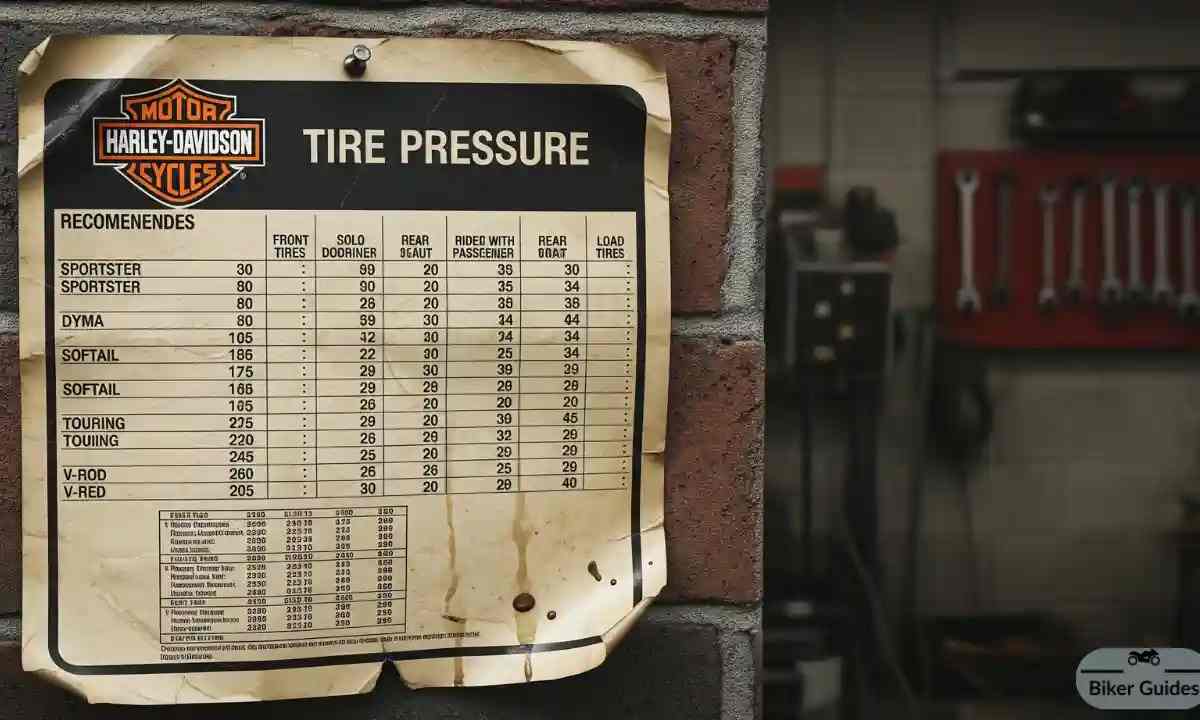
You can also read : My Proven Harley Havidson Tire Tressure Chart: Unlock Excited Rides!
Battery Basics for Your Harley
Before you buy, learn a few key battery terms. They help you match the battery to your Harley’s needs. I keep these short and practical so you can use them when shopping or checking fitment.
Key Terms
- Amp-Hour (Ah): How much energy a battery stores. A 20Ah battery can deliver 1 amp for 20 hours. Higher Ah gives longer run time for accessories like GPS, heated grips, and radios. It also means the battery needs recharging less often.
- Cold Cranking Amps (CCA): A measure of starting power in cold weather. CCA is how many amps a 12V battery can deliver at 0°F (-18°C) for 30 seconds while staying above 7.2V. For Harleys, higher CCA helps start big V‑twin engines quickly—especially in cold climates.
- Voltage: Most modern Harleys use 12V batteries. Older vintage bikes sometimes use 6V systems. Always check your owner’s manual or the old battery label before you buy.
Battery Types
Battery tech has changed a lot. Each chemistry has tradeoffs. I’ll summarize the practical differences I’ve seen in real use.
- Lead-Acid (Flooded): The traditional style. These have removable caps for checking and adding fluid. They work but need regular maintenance and venting. I don’t recommend them for most modern Harleys unless you’re restoring a vintage bike.
- Absorbed Glass Mat (AGM): Sealed and maintenance free. Fluid is held in glass mats so they are spill‑proof and vibration resistant. AGMs start well and tolerate the higher voltages modern chargers use. They are a solid, reliable choice for many riders.
- Lithium Iron Phosphate (LiFePO4 / Lithium): The newest option. Here’s why I prefer lithium for many builds:
- Much lighter: LiFePO4 batteries can cut weight dramatically—up to ~70% vs lead‑acid. That improves handling and reduces unsprung mass. Harley’s own lithium batteries save 17.6 lbs on Touring bikes, 12.2 lbs on Softail/Dyna/V‑Rod, and 8.8 lbs on Sportster/Street models.
- Higher starting power: LiFePO4 cells can deliver 3–4x the starting power vs lead‑acid and 2x vs typical AGM. That means faster starts for big V‑twin engines.
- Fast charging: Lithium charges much quicker. Full charge times can be ~3 hours vs ~12 hours for many lead‑acid batteries.
- Low self‑discharge: Lithium holds charge well—about 3–5% loss per month. Properly disconnected, a Harley lithium battery can sit up to 12 months in storage with minimal care.
- More usable capacity: LiFePO4 delivers a larger share of its rated capacity in actual use. For example, a lithium pack might use ~85% of its capacity; many lead‑acid batteries only give ~10% usable capacity for accessory loads without stressing the starter system.
- Built‑in protection (BMS): Most LiFePO4 batteries include a Battery Management System. It protects against overcharge, deep discharge, and excess heat. That extends life and prevents failures.
- Gel Batteries: Sealed like AGM, but gel cells are less tolerant of high charging voltages and are poor for starting. They should be charged to no more than ~14.4V. Most modern Harley chargers run higher, so gel batteries are rarely a good fit for starter applications today.
Harley‑Davidson now sells factory Lithium LiFe batteries as OEM upgrades. They are designed to be a drop‑in size while offering lithium benefits. That makes upgrading straightforward for many owners. As lithium becomes the norm, older lead‑acid types are being phased out for performance and weight savings.
When someone asks for a “Harley Davidson Battery Size Chart,” they often mean physical dimensions. But “size” includes power and chemistry too. A better view is: does the battery physically fit, does it have enough Amp‑hours for your accessories, and is the CCA high enough to start the engine in your climate? Lithium packs often deliver higher CCA from a smaller, lighter case. So read size as three things: physical fit, capacity (Ah), and starting power (CCA).
The V‑Rod family is worth an extra note. V‑Rods were engineered differently and sometimes use batteries similar to Japanese sportbikes. Fitment guides treat V‑Rod models separately. If you own a V‑Rod, double‑check battery part numbers and tray dimensions before buying.
You can also read : The Ultimate Harley Air Shock Pressure Chart Guide 2025
Real Harley-Davidson Battery Choices
Harley‑Davidson now produces its own Lithium LiFe batteries. These are made to directly replace many OEM lead‑acid packs. Below I break down the genuine Harley lithium options and key specs.
Harley-Davidson Lithium LiFe Batteries: Details and Benefits
Harley offers three main LiFePO4 models: 4Ah (Part No. LTM14BL / 66000171), 6Ah (Part No. LTM21L / 66000174), and 8Ah (Part No. LTM30L / 66000175). All three share the same external dimensions: 146mm tall, 150mm wide, and 87mm front‑to‑back. That common size makes swaps easy across many models.
Here are their typical Cold Cranking Amp (CCA) equivalents and what they replace:
- The 4Ah (LTM14BL) gives 200 CCA and replaces Lead Acid HD-65958-04.
- The 6Ah (LTM21L) gives 270 CCA and replaces Lead Acid HD-65989-97.
- The 8Ah (LTM30L) gives 385 CCA and replaces Lead Acid HD-66010-97.
Weight savings are significant. For example, the 4Ah lithium weighs ~1.0 kg and saves ~4.0 kg vs its lead‑acid counterpart. The 6Ah saves ~5.3 kg and the 8Ah saves ~7.7 kg. In my experience that weight reduction is noticeable on handling and during long rides.
Harley lithium batteries typically last more than twice as long as AGMs under normal use and offer much higher cranking amps. When removed correctly from the bike they require no maintenance for up to 12 months in storage. For some Touring and Softail models Harley includes a special holder so the lithium fits without foam shims.
You can also read: Best Motorcycle Battery For Harley Davidson
Official Harley-Davidson Lead-Acid Batteries
Harley still offers lead‑acid options and AGM packs in its catalog. Common part numbers include 65958-04, 65989-97, and 66010-97. Harley often revises a part number with suffix letters (A, B, C, D) to show minor updates. For example, 65989-97A may become 65989-97C. The 66010-82B is a known AGM that fits some 1980–1996 Touring models.
Standard Sizes of Harley-Davidson Batteries
Harley’s lithium batteries share a uniform size: 146mm height, 150mm width, and 87mm depth. Battery boxes on modern Harleys were designed for larger lead‑acid packs. That gives extra room for smaller lithium units; often you’ll use foam padding or the supplied caddy to make a snug fit.
Genuine Harley-Davidson Lithium and Lead-Acid Battery Comparison
| H-D Lithium Battery / Our Part No. | Harley Genuine Part Number (Lithium) | Lead Acid Equivalent Part Number | Lead Acid CCA | Lithium CCA (Harley) | Weight (Lithium) | Weight Saving (Lithium) | Physical Dimensions (L x W x H) |
| Harley-Davidson® Lithium LiFe 4Ah Battery / LTM14BL | 66000171 | HD-65958-04A | 200 | 160 / 240 | 1.0 kg | 4.0 kg | 150mm x 87mm x 146mm |
| Harley-Davidson® Lithium LiFe 6Ah Battery / LTM21L | 66000174 | HD65989-97C | 270 | 240 / 360 | 1.5 kg | 5.3 kg | 150mm x 87mm x 146mm |
| Harley-Davidson® Lithium LiFe 8Ah Battery / LTM30L | 66000175 | HD66010-97D | 385 | 320 / 480 | 1.8 kg | 7.7 kg | 150mm x 87mm |
Because Harley’s lithium line uses one physical case size, many owners can simply choose the Ah/CCA that suits their needs without worrying about fit. That simplifies upgrades and encourages switching to lithium. Again, the V‑Rod family is an exception—verify fitment for those bikes.
Suffix letters on OEM part numbers (A, B, C, D) usually mean small revisions. A newer suffix often gives improved components or fit. Keep that in mind when sourcing a replacement—look for the latest suffix for the best match.
You can also read: Top 5 Lithium Batteries for Harley Davidson
Harley Havidson Battery Size Chart By Year
Harley-Davidson Battery Size & Fitment Chart
| Model Family | Year Range | H-D OEM Part # | Common Aftermarket # | Specs (CCA / Ah) |
| Touring (Road Glide, Street Glide, Ultra, Road King) | 1997 – 2026 | 66010-97D | YIX30L / ETX30L | 400+ CCA / 28-30 Ah |
| Touring (Older FLH/FLT Models) | 1980 – 1996 | 66010-82B | YTX24HL | 350 CCA / 24 Ah |
| Softail (Fat Boy, Heritage, Slim, Breakout, etc.) | 1991 – 2026 | 65989-97E | YTX20HL / ETX20L | 310+ CCA / 18 Ah |
| Dyna (Street Bob, Low Rider, Wide Glide) | 1991 – 2017 | 65989-97E | YTX20HL / ETX20L | 310+ CCA / 18 Ah |
| Sportster (XL Models) | 2004 – 2022 | 65958-04C | YTX14L / ETX14L | 220 CCA / 14 Ah |
| Sportster (XL Models) | 1997 – 2003 | 65989-97C | YTX20HL / ETX20L | 310+ CCA / 18 Ah |
| Street (500 / 750 / Street Rod) | 2014 – 2021 | 65958-04A | YTX14L | 220 CCA / 14 Ah |
| V-Rod (VRSC Models) | 2007 – 2017 | 65989-97E | YTX20HL | 315 CCA / 18 Ah |
You can also read : Harley Davidson Handlebar Size Chart: A Practical Guide 2025
Other Battery Brands and Guides
Beyond Harley’s OEM options, several aftermarket brands make excellent batteries. Each brand focuses on different strengths—reliability, high CCA, low weight, or price. I rely on Yuasa for fitment specifics and consider Odyssey, Interstate, Shorai, and Antigravity when I want performance or weight savings.
Yuasa Batteries: Fit for Your Model and Year
Yuasa is a top name in motorcycle batteries. Their fitment guides are detailed by engine size and model series (FLH, FXD, XL, etc.) and by exact year. That specificity makes Yuasa my go‑to when I need a reliable replacement with proven specs. They offer GYZ Series (High‑Performance AGM), standard AGM, and conventional batteries.
For example, for 2018–2019 FL (Softail) models with an 1870cc engine, Yuasa recommends GYZ20HL, YTX20HL‑BS, or YTX20L‑BS. Those are typically 6 7/8 x 3 7/16 x 6 1/8 inches with ~20Ah and ~320 CCA. Yuasa also notes special fit or hold‑down needs for some V‑Rod models.
Yuasa Battery Fitment for Harley-Davidson Models (by CC, Model, Year)
| Engine CC | Harley Model Series | Year Range | Recommended Yuasa Battery (Part Number) | Battery Type | Dimensions (L x W x H) (inches) | Capacity (10-HR Ah) | CCA @ 0°F |
| 1870 CC | FX, FL (Softail) | 2018-2019 | GYZ20HL, YTX20HL-BS, YTX20L-BS | GYZ Series AGM, High Performance AGM, AGM | 6 7/8 x 3 7/16 x 6 1/8 | 20 | 320 |
| 1803 CC | CVO FLH (Touring) | 2007-2016 | GYZ32HL, YIX30L-BS, YB30L-B | GYZ Series AGM, High Performance AGM, Yumicron | 6 9/16 x 5 x 6 7/8 | 32 (GYZ32HL), 30 (others) | 500 (GYZ32HL), 400 (others) |
| 1750 CC | FLH, FLT (Touring), FLR | 2017-2019 | GYZ32HL, YIX30L-BS, YB30L-B | GYZ Series AGM, High Performance AGM, Yumicron | 6 9/16 x 5 x 6 7/8 | 32 (GYZ32HL), 30 (others) | 500 (GYZ32HL), 400 (others) |
| 1690 CC | FXD (Dyna) | 2012-2017 | GYZ20HL, YTX20HL-BS, YTX20L-BS | GYZ Series AGM, High Performance AGM, AGM | 6 7/8 x 3 7/16 x 6 1/8 | 20 | 320 |
| 1584 CC | FL, FLH (Touring) | 2007-2010 | GYZ32HL, YIX30L-BS, YB30L-B | GYZ Series AGM, High Performance AGM, Yumicron | 6 9/16 x 5 x 6 7/8 | 32 (GYZ32HL), 30 (others) | 500 (GYZ32HL), 400 (others) |
| 1450 CC | FXST, FLST (Softail) | 2000-2006 | GYZ20HL, YTX20HL-BS, YTX20L-BS | GYZ Series AGM, High Performance AGM, AGM | 6 7/8 x 3 7/16 x 6 1/8 | 20 | 320 |
| 1340 CC | FL, FLH (Touring) | 1985-1996 | YTX24HL-BS, Y50-N18L-A-CX | AGM, Yumicron / Conventional | 8 1/8 x 3 7/16 x 6 3/8 (AGM), 8 1/8 x 3 9/16 x 6 3/8 (Yumicron) | 21 (AGM), 20 (Yumicron) | 350 (AGM) |
| 1250 CC | VRSC V-Rod | 2007-2017 | GYZ20HL, YTX20HLFA, YTX20LFA | GYZ Series AGM, High Performance AGM, AGM | 6 7/8 x 3 7/16 x 6 1/8 | 20 | 320 |
| 1200 CC | XL, XLH (Sportster) | 2004-2019 | GYZ16HL, YTX14L-BS | GYZ Series AGM, AGM | 6 x 3 7/16 x 5 3/4 | 16 (GYZ16HL), 12 (YTX14L-BS) | 240 (GYZ16HL), 200 (YTX14L-BS) |
| 1130 CC | VRSC V-Rod | 2002-2006 | GYZ16H, YTX14HFA | GYZ Series AGM, High Performance AGM | 6 x 3 7/16 x 5 3/4 | 16 (GYZ16H), 12 (YTX14HFA) | 240 (GYZ16H, YTX14HFA) |
| 883 CC | XL, XLH (Sportster) | 2004-2019 | GYZ16HL, YTX14L-BS | GYZ Series AGM, AGM | 6 x 3 7/16 x 5 3/4 | 16 (GYZ16HL), 12 (YTX14L-BS) | 240 (GYZ16HL), 200 (YTX14L-BS) |
| 750 CC | Street | 2014-2019 | GYZ16HL, YTX14L-BS | GYZ Series AGM, AGM | 6 x 3 7/16 x 5 3/4 | 16 (GYZ16HL), 12 (YTX14L-BS) | 240 (GYZ16HL), 200 (YTX14L-BS) |
| 500 CC | Street | 2014-2019 | GYZ16HL, YTX14L-BS | GYZ Series AGM, AGM | 6 x 3 7/16 x 5 3/4 | 16 (GYZ16HL), 12 (YTX14L-BS) | 240 (GYZ16HL), 200 (YTX14 |
Interstate, Odyssey, Antigravity, and Shorai: Other Good Choices
Here are some other brands I recommend and why:
- Interstate Batteries: They make Factory‑Activated AGM Powersports batteries. They list part number, voltage, Ah, CCA, weight, and size. For example, the FAGYZ32HL is 12V, 32Ah, 500 CCA. Use their online fitment tool to find the correct model for your Harley.
- Odyssey Batteries: Known for the Extreme Series AGM. High CCA and long life. Examples: PC950 (12V, 32Ah, 400 CCA) and PC310 (12V, 7Ah, 100 CCA). Great for owners who want durability and high starting power.
- Antigravity Batteries: Lightweight lithium‑ion options. Example: ATX‑20‑HD (12.8V, 780 CA, ~15Ah actual / 30 PbEq Ah). Weighs ~5.18 lb. Good for riders who want dramatic weight reduction and very high cranking power.
- Shorai Batteries: LiFePO4 packs that are light and compact. They require a charging system that holds ~13.1V idle and does not exceed ~15.2V. Case sizes vary; match by case size or physical dimensions to ensure fit. Example: LFM36L3‑BS12 (12V, 12.0Ah, 540 CCA).
How to Size a Motorcycle Battery
Don’t have the bike’s exact year, model, or old battery number? No problem. I often find replacements with these steps:
- Look up the old battery part number on the battery label.
- If the old battery is gone, measure the battery box and note terminal locations and polarity.
- Match Ah range and CCA to your needs: more accessories = higher Ah. Colder climates = higher CCA.
Quick general case-size ranges:
- Small: ~3–10 Ah (small sportbikes and compact applications).
- Medium: ~10–14 Ah (many street and mid‑size bikes).
- Large: ~18–30 Ah (Touring and large cruisers).
Always confirm polarity (positive/negative terminal positions). A reversed polarity battery can damage your bike and electronics.
General Motorcycle Battery Size Chart (Small, Medium, Large Case)
| Case Size Category | Approximate AH Range | Common Part# Examples | Approximate Dimensions (L x W x H) (inches) | CCA (examples) | Polarity |
| Small Case Size | 3-10 AH | YT3L, YTX3L-BS, YTX5L-BS, YTZ7S | Varies (e.g., 3.88×2.13×4.38 to 4.5×2.82×5.19) | 35-130 | Varies |
| Medium Case Size | 10-14 AH | YB10L-A2, YTZ10S, YTX12, YTX14 | Varies (e.g., 5.32×3.57×5.75 to 6.0×3.44×3.69) | 160-240 | Varies |
| Large Case Size | 18-30 AH | YTX20, YTX30, YIX30L | Varies (e.g., 6.89×3.5×5.12 to 6.5×5.0×6.89) | 680-880 | Varies |
Key Specifications of Select Aftermarket Harley-Davidson Batteries
| Brand | Part Number | Battery Type | Voltage | Capacity (Ah) | CCA | Physical Dimensions (L x W x H) | Weight |
| Interstate | FAGYZ32HL | AGM | 12V | 32 | 500 | 4 15/16 x 6 9/16 x 6 7/8 in | 24.7 lb |
| Interstate | FAYIX30L | AGM | 12V | 30 | 385 | 5 x 6 9/16 x 6 7/8 in | 22.0 lb |
| Odyssey | PC950 | AGM | 12V | 32 (C10) | 400 | 250 x 97 x 155 mm | N/A |
| Odyssey | PC310 | AGM | 12V | 7 (C10) | 100 | 137 x 86 x 99 mm | N/A |
| Antigravity | ATX-20-HD | LiFePO4 | 12.8V | 30 (PbEq) / 15 (actual) | 780 | 6.9 x 3.4 x 5.12 in | 5.18 lb |
| Shorai | LFM36L3-BS12 | LiFePO4 | 12V | 12.0 | 540 | 6.55 x 3.39 x 6.10 in | 4.55 lb |
Yuasa’s fitment tables make it easy to match by model year and engine size. Other brands often list specs and require you to match by dimensions and CCA/Ah. Lithium makers often use “PbEq” (lead‑acid equivalent) Ah numbers to help riders compare lithium capacity to older lead‑acid ratings. That helps avoid confusion—don’t compare Ah alone across chemistries without understanding usable capacity.
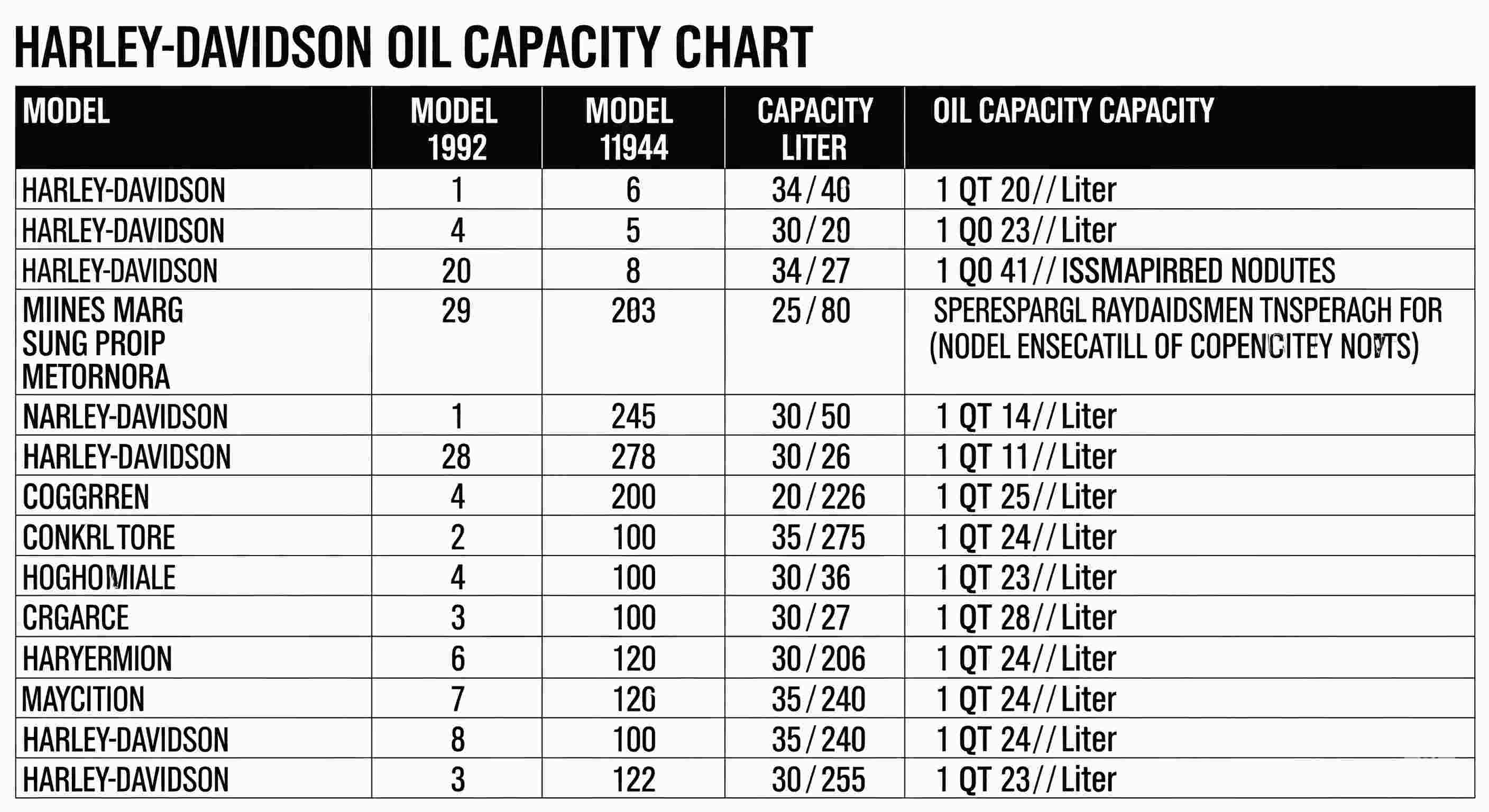
You can also read : Harley Davidson Oil Capacity Chart: What You Need to Know 2025
Making Sure the Battery Fits
Even if power specs match, physical fit and terminal layout matter. A battery that moves or rubs will fail early. Incorrect fit can short wiring or stress hold‑downs. Here’s how I confirm fitment every time.
Harley-Davidson Battery Sizes
Harley’s LiFe batteries are uniform in external size: 146mm tall, 150mm wide, and 87mm deep. Their battery boxes are roomy by design—built for heavier lead‑acid packs. That usually makes installing a smaller lithium unit easy. Use foam shims or the supplied caddy when needed for a secure fit.
Other Battery Tray Sizes
If you ride a custom build or an older bike, measure the tray. I always measure length, width, depth, and the terminal position before ordering.
- FLH 1974–1979 battery tray: 205 x 135 mm (width x depth).
- FX models with electric start 1973–1984: 175 x 100 mm (width x depth).
- FX models with kickstart 1971–1978: 140 x 78 mm (width x depth).
Check Polarity
Terminal position and polarity are critical. Confirm the positive (+) and negative (−) post locations match your bike. If they don’t, you may need a different case or terminal adapter. Reversing polarity will damage electronics and can be dangerous.
Common Harley-Davidson Battery Tray Dimensions (OEM & Aftermarket)
| Model/Year Range | Battery Type/Tray Description | Length (mm/inches) | Width (mm/inches) | Height/Depth (mm/inches) |
| All Genuine H-D Lithium LiFe | Standard Lithium Battery | 150 mm / 5.9 in | 87 mm / 3.4 in | 146 mm / 5.75 in |
| 99-Current Touring with Aftermarket Under Fender Box | Aftermarket Battery Box (max battery size) | 7.25 in | 7 in | 6 in |
| FLH 1974-1979 | OEM Replacement Battery Carrier Tray | 205 mm / 8.07 in | 135 mm / 5.31 in | N/A (depth) |
| FX with electric starter 1973-1984 | OEM Replacement Battery Carrier Tray | 175 mm / 6.89 in | 100 mm / 3.94 in | N/A (depth) |
| FX with kickstart 1971-1978 | OEM Replacement Battery Carrier Tray | 140 mm / 5.51 in | 78 mm / 3.07 in | N/A (depth) |
Because Harley made lithium a standard physical size, most OEM replacements are simple swaps. But for older or custom bikes, measure carefully. Always fasten the battery securely and protect it from vibration.
You can also read: Best Battery Maintainer For Motorcycle
Charging and Caring for Your Harley Battery
Good charging and care keep a battery working well and safe. Follow rules for your battery chemistry. I’ll give clear steps and charger choices I trust.
General Charging Rules and Safety
- Charge in a ventilated area: Batteries can emit hydrogen gas. Good airflow prevents dangerous buildup.
- No sparks or open flames: Keep ignition sources away when charging and handling a battery.
- Connect in the right order: Turn off or unplug the charger before connecting. Attach positive (+) lead first, then negative (−). Remove in reverse order.
- Match voltage: Use a 12V charger for a 12V battery. Mismatched voltage will damage the battery and electronics.
- Choose the right charging current: Aim for around 10% of the battery’s Ah rating (1–2A is common for motorcycle batteries). Slow, controlled charge extends battery life.
- Monitor heat: If a battery heats above ~110°F (43°C) while charging, stop and let it cool.
- Avoid deep discharge: Lead‑acid packs can be damaged or freeze if fully discharged. Lithium packs should not be charged if the voltage is below ~8V—test first and follow manufacturer guidance.
- Check the bike’s charging system: Before fitting a new battery, verify the stator and regulator/rectifier operate correctly. Overcharging will shorten battery life.
How to Charge AGM Batteries
AGM batteries need a smart charger that limits peak voltage. A proper charger uses three stages:
- Bulk: Fast charge to about 80% at higher current. Voltage may approach ~14.7V.
- Absorption: Voltage holds steady (about 14.4–14.7V) while current tapers until the battery reaches full charge.
- Float: Charger reduces to a low maintenance voltage (13.6–13.8V) to avoid overcharge.
Using a simple trickle charger or a constant current charger that can’t switch stages can damage AGM cells and void some warranties. For best life, use a reputable smart AGM‑capable charger and follow manufacturer instructions.
How to Charge Lithium-Ion Batteries
Lithium (LiFePO4) batteries require a Li‑ion specific charger. Do not use lead‑acid chargers that include “desulfation” or high voltage modes. Those can ruin lithium cells.
Key rules I follow when charging lithium:
- Only use a Li‑ion/LiFePO4 compatible charger.
- Target charge voltage is ~14–15V but never exceed 15V.
- Do not attempt to charge if the pack voltage is below ~8V without consulting the manufacturer—this can be dangerous.
- Lithium batteries don’t like constant trickle charges. Instead, give periodic top‑ups. Store at ~70% SOC for long periods and check every 6 months. Recharge if voltage drops below ~12.4V.
Typical charging times Harley lists for their LiFe batteries using a 0.80A charger are:
- 4Ah (66000171): ~3.25 hours from 35% charge (up to ~4.25 hours from 15%).
- 6Ah (66000174): ~4.9 hours from 35% (up to ~6.4 hours from 15%).
- 8Ah (66000175): ~6.5 hours from 35% (up to ~8.5 hours from 15%).
Cold weather tip: Lithium batteries can struggle below 0°C (32°F). If the engine won’t start, plug in a lithium charger briefly (30 seconds) or turn on the lights for 1–2 minutes to warm the battery before cranking. Also ensure your motorcycle’s voltage regulator does not overcharge lithium batteries—older regulators may need replacement.
Harley-Davidson Lithium-Ion Battery Charging Times (using 0.80 Amp Charger)
| Amp Hour Part Number | Voltage (V) | % of Charge | Typical Charging Times (Hours) |
| 4 Ah 66000171 / 66000228 | 13.4 | 100% | N/A |
| 4 Ah 66000171 / 66000228 | 13.3 | 90% | 0.5 |
| 4 Ah 66000171 / 66000228 | 13.2 | 75% | 1.25 |
| 4 Ah 66000171 / 66000228 | 13.1 | 35% (Recommended recharge voltage) | 3.25 |
| 4 Ah 66000171 / 66000228 | 13.0 | 25% | 3.75 |
| 4 Ah 66000171 / 66000228 | 12.9 | 20% | 4 |
| 4 Ah 66000171 / 66000228 | 12.8 | 15% | 4.25 |
| 4 Ah 66000171 / 66000228 | <12.8 | 5% (Risk of deep discharge) | Test voltage before charging |
| 6 Ah 66000174 / 66000229 | 13.4 | 100% | N/A |
| 6 Ah 66000174 / 66000229 | 13.3 | 90% | 0.75 |
| 6 Ah 66000174 / 66000229 | 13.2 | 75% | 1.9 |
| 6 Ah 66000174 / 66000229 | 13.1 | 35% (Recommended recharge voltage) | 4.9 |
| 6 Ah 66000174 / 66000229 | 13.0 | 25% | 5.6 |
| 6 Ah 66000174 / 66000229 | 12.9 | 20% | 6 |
| 6 Ah 66000174 / 66000229 | 12.8 | 15% | 6.4 |
| 6 Ah 66000174 / 66000229 | <12.8 | 5% (Risk of deep discharge) | Test voltage before charging |
| 8 Ah 66000175 / 66000230 | 13.4 | 100% | N/A |
| 8 Ah 66000175 / 66000230 | 13.3 | 90% | 1 |
| 8 Ah 66000175 / 66000230 | 13.2 | 75% | 2.5 |
| 8 Ah 66000175 / 66000230 | 13.1 | 35% (Recommended recharge voltage) | 6.5 |
| 8 Ah 66000175 / 66000230 | 13.0 | 25% | 7.5 |
| 8 Ah 66000175 / 66000230 | 12.9 | 20% | 8 |
| 8 Ah 66000175 / 66000230 | 12.8 | 15% | 8.5 |
| 8 Ah 66000175 / 66000230 | <12.8 | 5% (Risk of deep discharge) | Test voltage before chargin |
Using the wrong charger can void warranties and damage batteries. Harley makes that clear for both AGM and lithium chemistries. For lithium packs especially, avoid lead‑acid desulfation chargers—these can cause irreversible damage.
Repeatable cold‑weather practice I use: if the bike won’t turn over on a cold morning, plug in the lithium charger for 30 seconds to warm the pack, then switch the lights on for a minute before cranking. It often avoids a jump or a tow.
Good Battery Chargers
Pick a charger that matches your battery chemistry. Harley offers OEM smart chargers with quick‑disconnects. Other chargers I trust include:
- NOCO GENIUS2 — works for wet, gel, AGM, and Li‑ion (2A).
- CTEK CS FREE — reliable multi‑stage charger for AGMs.
- Oxford Oximiser 900 — motorcycle‑focused smart charger.
- OptiMate Solar — handy for long term storage and solar trickle maintenance.
- Interstate Guardian 1 — 1.2A smart charger for AGM batteries.
Look for chargers that support multi‑stage charging (Bulk/Absorption/Float), temperature compensation, and built‑in safety against reverse polarity and spark. For lithium, ensure the charger is LiFePO4 compatible.
Tips for Long-Term Battery Care
I treat battery care the same way I treat maintenance on the rest of the bike: simple, regular, and proactive. Here’s my routine:
- If you ride weekly, check the battery box and terminals every few rides.
- If you won’t ride for more than two weeks, connect an AGM smart charger or maintainer. For lithium, store the battery at ~70% SOC and check voltage every 6 months. Recharge if it dips below ~12.4V.
- Clean posts and cable clamps. Remove corrosion and apply a thin film of dielectric grease to protect contacts.
- For flooded batteries, ensure the vent tube is fitted and the caps are tight to route any overflow away from metal parts.
- Periodically test state of charge with a digital voltmeter. For lithium, 12.8–13.2V indicates a healthy resting voltage. For AGM, resting voltages differ—check manufacturer specs.
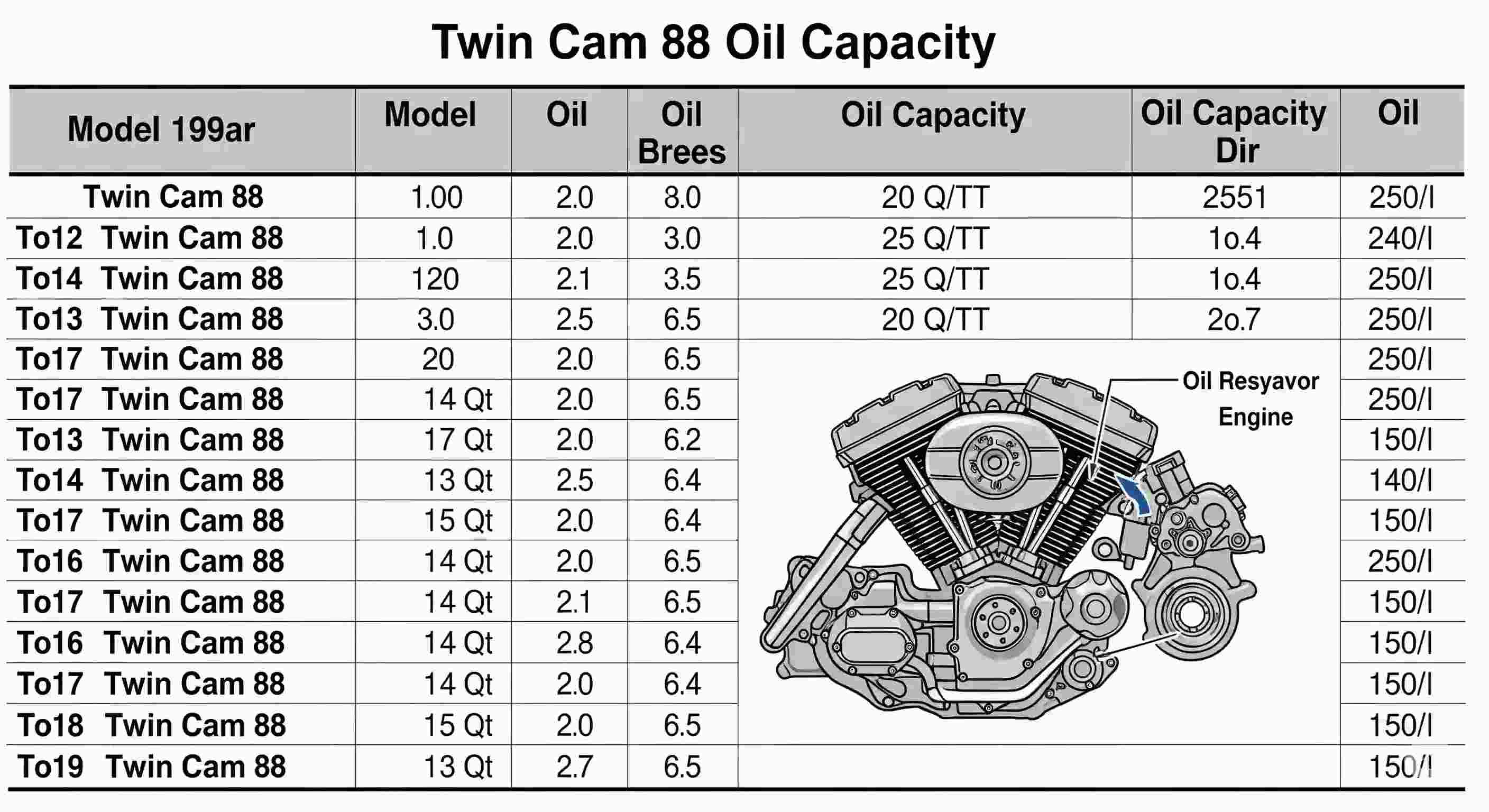
You can also read : Twin Cam 88 Oil Capacity Chart: Everything You Need to Know 2025
FAQs About Harley Davidson Battery Size Chart
What are the main benefits of Harley-Davidson Lithium LiFe batteries?
They are much lighter, deliver stronger cranking power for quick starts, charge faster, and include protection systems (BMS) that extend life. They also hold charge longer in storage.
How do I find the correct size battery for my Harley-Davidson?
Check the old battery’s part number or its exact physical dimensions. Measure your battery compartment if needed. Match polarity and confirm CCA and Ah meet your expected use (cold starts, accessories).
What do Amp-Hour (Ah) and Cold Cranking Amps (CCA) mean for Harley-Davidson batteries?
Ah shows how long the battery can power accessories. CCA shows how well it starts the engine in cold weather. Higher numbers are better for heavier use or colder climates.
Can I use aftermarket batteries like Yuasa or Interstate for my Harley-Davidson?
Yes. Yuasa, Interstate, Odyssey, Antigravity, and Shorai make compatible options. Yuasa offers the most detailed fitment by model and year. Lithium brands offer high performance and weight savings but require careful charging choices.
What kind of charger should I use for my Harley-Davidson AGM battery?
Use a smart multi‑stage charger designed for AGM that limits voltage to ~14.6V and uses bulk/absorption/float stages. Avoid old trickle chargers that can overheat or dry out the battery.
What are the special charging rules for Harley-Davidson Lithium-Ion batteries?
Use only a lithium/LiFePO4 compatible charger. Charging voltage should be ~14–15V and never exceed 15V. Don’t use lead‑acid chargers with desulfation programs.
Are Gel batteries a good choice for Harley-Davidson motorcycles?
Generally no for starting applications. Gel batteries are sensitive to high charge voltage and are not ideal for many modern Harley charging systems.
Do Harley-Davidson’s genuine Lithium LiFe batteries fit all Harley models?
They fit most modern Harleys because they share a standard physical size. However, certain models—most notably some V‑Rods—can require different battery types or hold‑downs. Always verify fitment for your specific model and year.
Conclusion
Choosing a battery for your Harley is about fit, power, and chemistry. Physical size matters, but so do Amp‑hours and Cold Cranking Amps. Decide what you need: reliable starting in cold weather, long accessory run time, or light weight and higher cranking power. Harley’s genuine LiFe batteries make many upgrades simple. Aftermarket options like Yuasa, Interstate, Odyssey, Antigravity, and Shorai give you choices for durability, price, or performance.
Most battery life comes down to correct charging and care. Use the right charger for AGM or LiFePO4. Avoid old trickle or desulfation chargers that can damage modern batteries and void warranties. Keep terminals clean, secure the battery, and store batteries correctly.
Pick the battery that fits your bike, your climate, and how you ride. With the right choice and simple maintenance, your Harley will start every time and stay ready for the next ride.