How are Motorcycle Tires Measured: Ultimate Guide to Accurate Sizing

When it comes to your motorcycle, the right tires make all the difference in performance and safety. But have you ever wondered how motorcycle tires are measured?
Understanding tire measurements can help you pick the perfect fit for your bike, improve your ride, and avoid costly mistakes. You’ll discover exactly what those numbers and letters on your tire mean—and why they matter to you. Keep reading to unlock the secrets behind motorcycle tire sizes and make smarter choices for your next ride.
Tire Measurement Basics
Understanding motorcycle tire measurement is essential for safe riding and proper tire fitment. Motorcycle tires come in many sizes, and each size tells a story about the tire’s shape and fit. The basics of tire measurement include several key terms: Rim Diameter, Tire Profile, Tire Sidewall Markings, and Tire Specification. These help riders choose the right tire based on their motorcycle’s needs. Reading the Tire Sidewall Markings gives clear information about the Motorcycle Tire Size, including Tire Width, Aspect Ratio, and Tire Diameter.
Tire Width And Aspect Ratio
Tire Width refers to the distance across the tire’s tread, measured in millimeters. This number tells how wide the tire is from side to side.
The Aspect Ratio is the height of the tire’s sidewall compared to its width. It is shown as a percentage. For example, an aspect ratio of 70 means the sidewall height is 70% of the tire’s width.
- Tire Width: Usually the first number in the tire size (e.g., 120 in 120/70 ZR17).
- Aspect Ratio: The second number, shown after the slash (e.g., 70 in 120/70 ZR17).
Rim Diameter And Tire Diameter
Rim Diameter is the size of the wheel rim where the tire mounts. It is measured in inches. This measurement must match the tire for a proper fit.
Tire Diameter represents the total height of the tire from the ground to the top of the tread.
| Measurement | Description | Units |
|---|---|---|
| Rim Diameter | Size of the wheel rim | Inches |
| Tire Diameter | Total height of the tire | Inches or millimeters |
Reading Tire Sidewall Markings
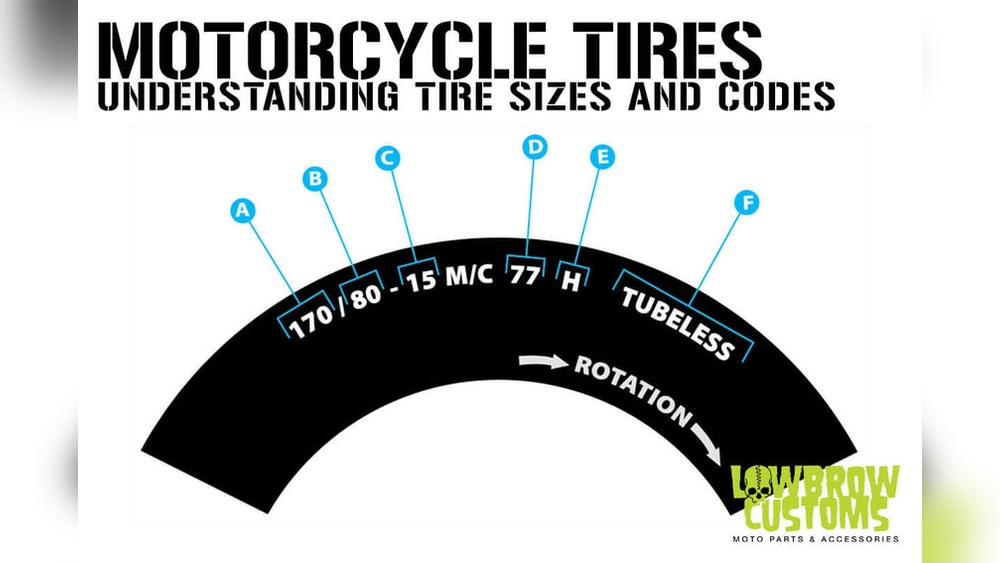
The Tire Sidewall Markings display the tire’s size and type. They include numbers and letters showing Tire Width, Aspect Ratio, Rim Diameter, and speed rating.
Example: 120/70 ZR17 120 = Tire Width in mm 70 = Aspect Ratio (% of width) ZR = Tire Type and speed rating 17 = Rim Diameter in inches These markings act as a Tire Fitment Guide. They help find the right tire size for your motorcycle.
Decoding Tire Size Codes
Understanding how motorcycle tires are measured starts with decoding tire size codes. These codes appear as a series of numbers and letters on the tire’s sidewall. Each part of the code gives important information about the tire’s dimensions and capabilities. Knowing how to read tire codes helps riders choose the right tire for safety and performance. This guide breaks down the main elements of motorcycle tire sizing to make it clear and simple.
Width And Aspect Ratio
The tire width measurement is the first number in the tire size code. It shows the tire’s width in millimeters from sidewall to sidewall. For example, a tire marked “120/70” has a width of 120 mm. This width affects grip, handling, and stability.
The aspect ratio in tires follows the width, shown after the slash (“/”). It is a percentage that compares the tire’s height to its width. A 70 aspect ratio means the tire’s height is 70% of its width. A lower aspect ratio means a shorter, wider tire, which improves cornering but may reduce comfort.
| Code | Meaning |
|---|---|
| 120 | Tire width in millimeters |
| 70 | Aspect ratio (height is 70% of width) |
- Wider tires provide more grip on smooth roads.
- Narrower tires work better on rough surfaces or dirt.
- Aspect ratio affects ride comfort and handling balance.
Understanding these two numbers helps pick the best fit for your motorcycle. They are part of the motorcycle tire specifications that ensure proper tire fit and performance.
Rim Diameter
The rim diameter size is the next important number in tire size codes. It shows the diameter of the wheel rim in inches. This number must match the rim size of your motorcycle exactly for a safe fit.
For example, a tire marked “120/70-17” fits a 17-inch rim. Using a different rim diameter can cause poor handling or even tire failure. This measurement follows a standard in tire dimension standards to keep tires and rims compatible worldwide.
The rim diameter affects:
- How the tire mounts to the wheel
- The overall diameter of the tire and wheel combo
- The motorcycle’s handling and ride height
| Rim Diameter (inches) | Common Use |
|---|---|
| 17 | Sport and street motorcycles |
| 19 | Adventure and dual-sport bikes |
| 21 | Off-road and dirt bikes |
Always check your motorcycle’s manual for the correct rim diameter. This ensures the tire fits well and performs safely.
Load Index And Speed Rating
The load index meaning in a tire code shows the maximum weight the tire can carry safely. It is a number typically found after the rim diameter, such as “54” or “75”. Each number corresponds to a specific weight in pounds or kilograms.
The speed rating explanation is usually a letter following the load index. This letter indicates the maximum speed the tire can handle safely, like “H” for 130 mph or “W” for 168 mph. Choosing the right speed rating helps keep the tire safe at your motorcycle’s top speeds.
| Load Index | Max Load (lbs) | Speed Rating | Max Speed (mph) |
|---|---|---|---|
| 54 | 500 | H | 130 |
| 75 | 852 | W | 168 |
Riders must match the motorcycle tire sizing to their bike’s weight and top speed for safety. Ignoring load and speed ratings risks tire damage or accidents.
- Load index ensures the tire holds the bike and rider weight.
- Speed rating matches the tire’s limits to your riding speed.
- Both numbers help maintain safe motorcycle tire specifications.
Types Of Motorcycle Tires
Motorcycle tires come in various types, each designed for specific riding styles and conditions. Understanding the Motorcycle Tire Sizing and the features of different tire types helps riders choose the right tires. Key aspects like Rim Diameter, Tread Pattern, Tire Profile, and Tire Construction vary across these types. The right tire improves safety, performance, and comfort on the road or trail.
Sport Tires
Sport Tires are built for speed and sharp handling. They fit motorcycles designed for fast road riding and racing. These tires have a low Aspect Ratio, meaning the sidewall is shorter compared to the tire width. This feature improves cornering and stability at high speeds.
The Tread Pattern on sport tires is usually minimal. This design maximizes contact with the road, enhancing grip on dry surfaces. The Tire Construction often includes softer rubber compounds for better traction. However, these tires wear out faster than others.
| Feature | Sport Tires |
|---|---|
| Rim Diameter | Typically 17 inches |
| Tread Pattern | Minimal, slick or semi-slick |
| Load Index | Moderate to high |
| Speed Rating | High (W, Z, or higher) |
- Low profile for better control
- Soft rubber for grip
- Designed for paved roads
Sport tires focus on quick response and maximum traction during aggressive riding. The Tire Circumference is precise to match the speedometer and maintain accurate handling.
Cruiser Tires
Cruiser Tires suit heavier motorcycles built for comfort and long rides. These tires have a higher Aspect Ratio, meaning a taller sidewall. This design offers better shock absorption and a smoother ride.
The Tread Pattern on cruiser tires is deeper and wider. It improves traction on wet or uneven surfaces. The Tire Construction is more durable to support higher Load Index values, matching the weight of heavy bikes.
| Feature | Cruiser Tires |
|---|---|
| Rim Diameter | Typically 15 to 18 inches |
| Tread Pattern | Deep and wide grooves |
| Load Index | High |
| Speed Rating | Moderate (S, T) |
- High profile for comfort
- Durable rubber for long life
- Good wet traction
Cruiser tires balance durability and comfort. The Rim Diameter and Tire Width are designed to support stability and a relaxed riding style. Their Speed Rating fits cruising speeds rather than racing.
Off-road Tires
Off-road Tires are made for rough terrain and dirt trails. They have aggressive Tread Patterns with large knobs to grip loose surfaces like mud, sand, and rocks. The Tire Profile is taller and more flexible to absorb shocks from uneven ground.
The Tire Construction is tough and reinforced to resist punctures. These tires often come with a lower Load Index but high durability. The Rim Diameter varies, depending on the type of off-road bike.
| Feature | Off-road Tires |
|---|---|
| Rim Diameter | Typically 18 to 21 inches |
| Tread Pattern | Large, deep knobs |
| Load Index | Moderate |
| Speed Rating | Lower (P, Q) |
- Knobby tread for grip on dirt
- Flexible sidewalls for shock absorption
- Reinforced for puncture resistance
The Tire Circumference and Tire Width are designed for better traction and control in off-road conditions. These tires perform best at lower speeds on rough surfaces.
Tools For Measuring Tires
Measuring motorcycle tires accurately is essential for safety and performance. Different motorcycle tire dimensions like tire width measurement, rim diameter, and tire profile determine the right fit and handling. Using proper tools helps you get these measurements precisely. This section explains the main tools for measuring tires and their specific uses.
Tape Measure
A tape measure for tires is one of the simplest tools to check motorcycle tire size. It helps find the tire width measurement and the rim diameter quickly. Most tape measures show both metric and imperial units, useful for comparing with the tire size chart.
How to use a tape measure for tires:
- Place the tape across the widest part of the tire to get the tire width.
- Measure the diameter of the rim by placing the tape from one edge to the opposite edge.
- Use the tape along the tire sidewall to estimate the tire profile or height.
Advantages of tape measure:
- Easy to use and widely available.
- Good for rough measurements and quick checks.
- No special skills needed.
Limitations: Tape measure is less accurate for tread depth measurement and detailed sizing. It cannot measure small gaps or precise depths like other tools.
| Measurement Type | Use With Tape Measure | Accuracy Level |
|---|---|---|
| Tire Width | Measure widest point across tread | Medium |
| Rim Diameter | Measure edge to edge inside rim | Medium |
| Tread Depth | Not recommended | Low |
Tire Gauges
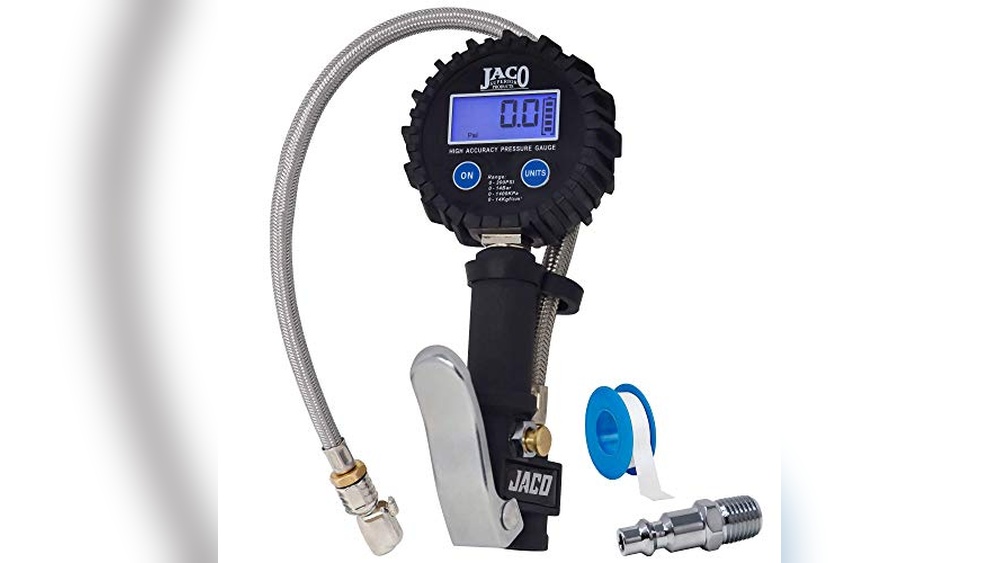
Tire gauges are essential for checking tire pressure gauge and some types can measure tread depth measurement. Maintaining correct tire pressure is crucial for motorcycle safety and tire life.
Types of tire gauges:
- Analog Tire Pressure Gauge: Uses a dial to show pressure. Simple and reliable.
- Digital Tire Pressure Gauge: Provides quick and clear readings in PSI or bar.
- Tread Depth Gauge: Specifically made to measure the depth of the tread grooves.
Using a tire gauge helps you:
- Keep the tire pressure in the right range for better grip and fuel efficiency.
- Monitor tread depth measurement to know when the tire needs replacement.
- Prevent uneven tire wear by checking pressure regularly.
Accurate pressure and tread depth extend tire life and improve handling. Tire gauges are small, portable, and easy to use, making them a must-have for every motorcycle rider.
Calipers
Caliper measurement for tires is a precise method to check various motorcycle tire dimensions. Calipers, especially digital ones, measure small distances accurately. They are perfect for measuring tire width measurement, tread depth measurement, and even the tire aspect ratio.
Common uses of calipers for motorcycle tires:
- Measuring the exact width of the tire tread.
- Checking the depth of the tire tread grooves to ensure safe grip.
- Measuring sidewall thickness and tire profile.
Types of calipers:
| Type | Use | Accuracy |
|---|---|---|
| Vernier Caliper | Manual measurement of width and depth | High |
| Digital Caliper | Quick, digital display of measurements | Very High |
| Dial Caliper | Easy-to-read analog dial | High |
Benefits: Calipers provide exact numbers for motorcycle tire dimensions. This helps you compare with a tire size chart and verify the tire aspect ratio. Calipers are best for detailed inspection and maintenance.
Step-by-step Measurement Process
Understanding motorcycle tire measurements is key to choosing the right tire. The step-by-step measurement process breaks down how to read and measure each part of the tire. This helps riders match tires perfectly to their motorcycles. Each tire has specific motorcycle tire specifications marked on its sidewall. These include the width, aspect ratio, and rim diameter. Learning to measure these parts ensures safety and performance. Here is a simple guide to measuring motorcycle tires accurately.
Measuring Tire Width
Tire width measurement is the first step in understanding tire size. The width is the distance across the tire from one sidewall to the other. It is measured in millimeters (mm) and is usually the first number in the tire size code on the sidewall.
To measure tire width:
- Locate the tire sidewall markings. The width is the first number before the slash (e.g., 120/70 ZR17, where 120 is the width).
- Use a ruler or caliper to measure the tire’s width across the tread.
- Make sure the tire is fully inflated and on a flat surface for an accurate reading.
Here is a quick reference for common tire widths and their uses:
| Tire Width (mm) | Suitable Motorcycle Type |
|---|---|
| 90 – 110 | Small to mid-size motorcycles |
| 120 – 160 | Sport and touring motorcycles |
| 170 and above | Heavyweight and cruiser motorcycles |
Checking Aspect Ratio
Aspect ratio definition explains the tire’s height compared to its width. It is the second number in the tire size code, shown as a percentage. For example, in a 120/70 tire, 70 means the height is 70% of the width.
Steps to check the aspect ratio:
- Find the number after the slash (/) in the tire size on the sidewall.
- Understand that this number shows the tire profile or height relative to width.
- Calculate the tire height by multiplying width by aspect ratio (height = width × aspect ratio ÷ 100).
The aspect ratio affects ride comfort and tire grip. A lower aspect ratio gives a sportier feel with less sidewall flex. A higher ratio means more comfort and better shock absorption.
Example Calculation:
Tire Width = 120 mm Aspect Ratio = 70% Tire Height = 120 × 70 ÷ 100 = 84 mm Confirming Rim Diameter
Rim diameter measurement is the last step to confirm the tire fits the wheel. This measurement is the diameter of the wheel rim in inches. It is the number after the letter in the tire size, for example, 120/70 ZR17, where 17 is the rim diameter.
To confirm rim diameter:
- Look for the rim diameter number on the tire sidewall markings.
- Measure the wheel rim from one edge to the opposite edge across the center using a tape measure.
- Ensure the rim diameter matches the tire’s rim diameter for proper fitting.
Here is a common tire size chart showing rim diameter sizes and their motorcycle types:
| Rim Diameter (inches) | Common Motorcycle Type |
|---|---|
| 16 | Off-road and dirt bikes |
| 17 | Sport and street motorcycles |
| 18 – 21 | Cruisers and adventure bikes |
Common Measurement Mistakes
Common measurement mistakes often confuse riders when reading motorcycle tire specifications. Understanding the tire sidewall numbers is key. Many ignore the rim diameter or misread the aspect ratio. These errors cause wrong tire choices and unsafe rides.
Incorrect Reading Of Tire Sidewall Numbers
The tire sidewall numbers provide critical data about the tire. These numbers show the tire width, aspect ratio, and rim diameter. Mistakes happen when riders mix these numbers or skip parts. For example, a tire marked 120/70ZR17 means:
- 120 – Tire width in millimeters
- 70 – Aspect ratio (sidewall height as a % of width)
- 17 – Rim diameter in inches
Misreading these can lead to choosing a tire that does not fit the rim or affects handling.
Confusing Tire Profile With Tire Width
Tire profile and tire width are often mixed up. The profile is the height of the tire sidewall, shown as a percentage of the width. The width is the distance across the tire. For example, in 120/70, 120 is the width, 70 is the profile. Confusing these numbers leads to wrong tire purchases.
Ignoring Tire Measurement Units
Some riders forget tire measurement units. Tire width and profile are in millimeters, but rim diameter is in inches. Mixing these units causes errors. Always check the motorcycle tire size carefully. Use a tire dimension chart to verify the correct measurements.
Overlooking Tire Marking Explanation
Tire marking explanation helps decode the numbers and letters on the tire. For example, “ZR” indicates speed rating and construction type. Skipping this info may lead to unsafe tire choices. Refer to a detailed guide to understand all markings.
Impact Of Tire Size On Performance
Understanding how motorcycle tires are measured helps reveal why tire size impacts performance. Motorcycle tire sizes include key factors like tire width measurement, rim diameter, and aspect ratio (or tire profile). These elements influence how a bike rides, handles, and consumes fuel. Choosing the right tire size is essential for improving handling performance, fuel economy, and overall safety. This section explores the impact of tire size on these crucial performance areas.
Handling And Stability
The size of a motorcycle tire directly affects its handling and stability. Wider tires offer more contact with the road, increasing tire grip and improving cornering ability. A tire with a lower aspect ratio (a shorter sidewall) often provides quicker response and better stability at high speeds. However, wider tires may make steering heavier and reduce agility.
- Tire Width Measurement: Wider tires improve grip but add weight.
- Aspect Ratio: Lower profiles enhance stability but may reduce comfort.
- Rim Diameter: Larger rims usually fit lower-profile tires, improving handling precision.
| Tire Size Factor | Effect on Handling |
|---|---|
| Wide Tire | Better grip, heavier steering |
| Narrow Tire | Easier steering, less grip |
| Low Aspect Ratio | Improved stability, less shock absorption |
Matching tire size with riding style is key. Sport riders often prefer wider tires with low profiles for sharp handling. Touring riders may choose narrower tires for comfort and steady stability.
Fuel Efficiency
Tire size also influences fuel economy. Larger and wider tires increase rolling resistance, causing the engine to work harder and consume more fuel. Tires with a taller profile create more air drag, reducing efficiency. Correct tire pressure helps optimize fuel consumption by lowering rolling resistance.
- Tire Width Measurement: Narrower tires usually reduce fuel use.
- Aspect Ratio: Taller profiles can increase drag and fuel consumption.
- Rim Diameter: Larger rims with low-profile tires may slightly reduce fuel efficiency.
Here is a simple comparison:
| Tire Size | Fuel Efficiency Impact |
|---|---|
| Wide, Low Profile | Higher fuel consumption |
| Narrow, Taller Profile | Better fuel economy |
Maintaining proper tire pressure is crucial to maximize fuel economy. Underinflated tires increase rolling resistance and reduce mileage. Regular checks help keep performance and efficiency balanced.
Safety Considerations
Safety depends heavily on choosing the correct motorcycle tire size. Tires that do not meet safety standards can lead to poor grip, instability, and increased accident risk. Proper tire width measurement, rim diameter, and aspect ratio ensure the tire fits the bike and performs as intended.
- Incorrect tire sizes can cause poor contact with the road.
- Low or high tire pressure affects grip and braking distance.
- Tires meeting safety standards ensure reliable performance in different conditions.
Choosing the right tire size helps maintain control, especially in emergencies. For example, a tire with sufficient tire grip reduces the risk of skidding. Also, the right size supports the bike’s weight and suspension properly.
Always check the manufacturer’s recommended tire size. This ensures compatibility and compliance with safety standards. Using the wrong size can cause uneven wear, poor handling, and potential tire failure.
FAQs For how are motorcycle tires measured
How Are Motorcycle Tire Sizes Measured?
Motorcycle tire sizes are measured using width, aspect ratio, and rim diameter. Width is in millimeters, aspect ratio is a percentage, and rim diameter is in inches. This standardized format helps ensure proper fit and performance for your motorcycle’s tires.
What Does The Tire Aspect Ratio Mean?
The aspect ratio is the tire’s height compared to its width, expressed as a percentage. It affects handling and ride comfort. A lower ratio means a wider, sportier tire, while a higher ratio offers more cushioning and stability.
Why Is Rim Diameter Important For Tires?
Rim diameter ensures the tire fits the wheel perfectly. It is measured in inches and must match the wheel size exactly. Incorrect rim diameter can cause unsafe riding conditions and reduce tire lifespan.
How To Read Motorcycle Tire Size Codes?
Tire size codes appear as numbers and letters, like 120/70ZR17. The first number is width in millimeters, the second is aspect ratio, the letter indicates tire type, and the last number is rim diameter in inches.
Conclusion
Understanding motorcycle tire measurements helps you pick the right tire. Size numbers show width, aspect ratio, and rim diameter. These details affect bike handling and safety. Check tire markings before buying or replacing tires. Proper fit means better grip and smoother rides.
Keep your bike safe by knowing how tires measure up. It’s a simple step that makes a big difference on the road. Choose wisely and enjoy every ride.