How Often To Change Brake Fluid On Motorcycles?

A motorcycle’s brakes use a basic idea from science: hydraulics. They are well-made. The system is a closed loop. A special fluid moves force from one part to another. When you press the brake lever or pedal, you push a master cylinder. This puts pressure on the brake fluid. The fluid cannot be squeezed, so it sends this pressure through lines to the calipers. The calipers then press on the brake pads. The pads grip the brake discs to slow or stop your motorcycle. The whole system works well only if the fluid is in good shape.
Brake fluid does more than just move force. It helps parts like pistons and seals move smoothly. It also removes heat from braking. The pads and discs get very hot. The fluid must handle this heat well. The fluid moves force and handles heat. This makes it very important for safe braking.
You can also read : What Happens When a Motorcycle Sits Too Long?
Why Brake Fluid Doesn’t Last Forever
Brake fluid does not last forever. Chemical and physical changes make it less useful. This happens because of a property called hygroscopy. Most brake fluids like DOT 3, DOT 4, and DOT 5.1 are made with glycol. This type of fluid absorbs water. It naturally pulls in and takes on water from the air. Even with a sealed system, water can get in. It goes through rubber hoses and seals. Over time, the fluid gets dirty with water.
When the fluid absorbs water, its boiling point drops a lot. Makers use two main numbers to rate fluid. The “dry boiling point” is for new fluid with no water. The “wet boiling point” is for fluid with some water, usually 3 to 3.7%. The two boiling points are very different. For example, new DOT 4 fluid boils at 230 degrees C (446 degrees F). But after it takes in water, it can boil at 166 degrees C (311 degrees F). This big drop in boiling point is bad for your brakes.
Brakes get very hot when you ride hard. This happens on a race track or going down a steep hill. If the fluid has water in it, the heat can make the water boil. This creates gas bubbles in the brake lines. Gas can be squeezed, but liquid cannot. So, the brake pressure is lost. This is called “vapor lock”. It causes a sudden and full loss of brake power. You might feel this as “brake fade”. The brakes feel less responsive. The lever may feel “spongy”. It might pull all the way to the grip with no effect. A spongy lever is a clear sign that the fluid has changed inside. The physical sign comes from the fluid’s chemical breakdown.
The type of brake fluid also affects how fast it breaks down. DOT 4 fluid boils at a higher temp than DOT 3. It works better for high-speed riding. But its parts can make it last for a shorter time. DOT 4 fluids can absorb water faster than DOT 3. This is because they have less glycol ether. A high-end fluid may be safer at first. But it can break down faster. This is true in humid places. So, riders who use fluids for track riding should change them more often. This fights the fast water absorption. A “better” fluid can need more care.
Signs and Symptoms: Identifying a Need for a Fluid Change
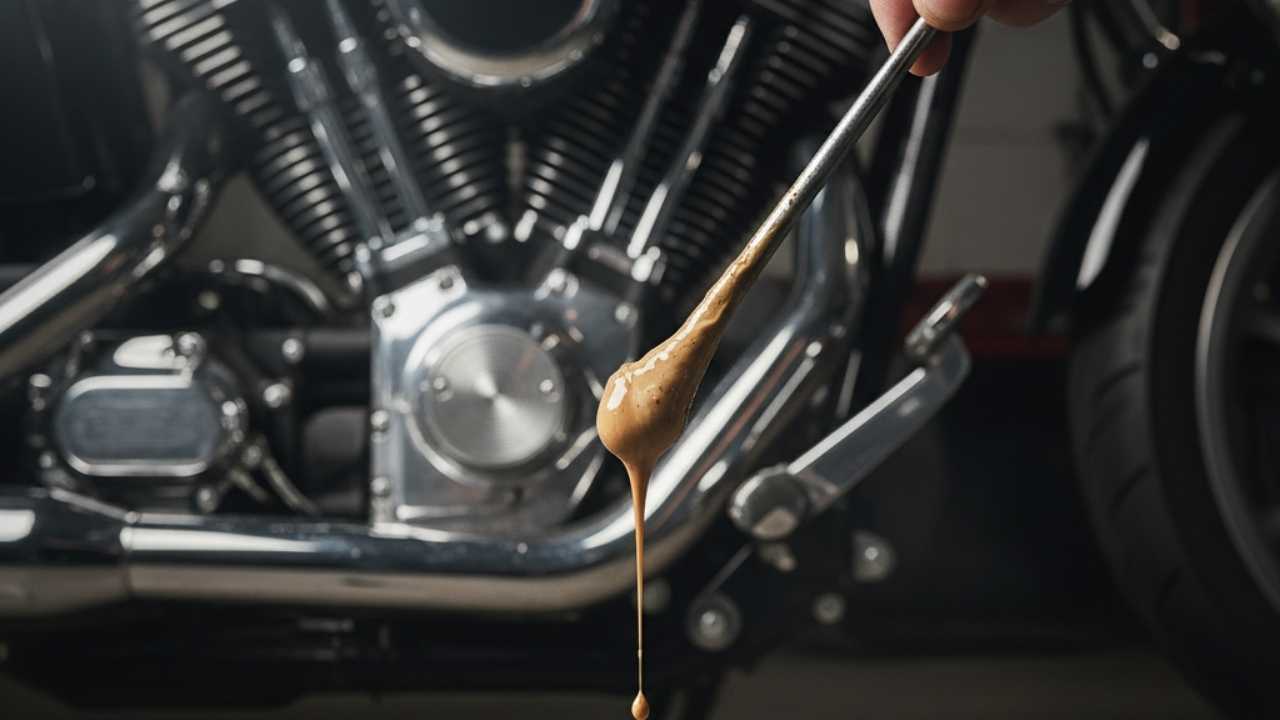
It is key for safety to spot bad brake fluid. There are a few main signs that you need a fluid change. The easiest way is to look at the fluid. New fluid is often pale yellow, amber, or clear. As it gets dirty with water, it changes color. It may look cloudy, brown, or even black. A very dark color is a bad sign. Sometimes it turns dark green from copper. If so, you need a full system flush now.
Looking at the fluid helps, but it is not the only way to tell. Water content is the most important factor. A color change does not always mean there is water. Fluid can look clear and clean. But it can still have enough water to lower its boiling point. Only looking at the fluid can make you feel safe when you are not. A color change is a clear warning. But if the color is fine, the fluid might still be unsafe. A pro can check the fluid with a special tool. They can test its electrical power or its boiling point.
The feel of the brake lever is the best sign. A good brake system should have a firm, rigid lever. It should feel responsive when you pull it. A spongy, soft lever is a bad sign. It means there is air or water vapor in the system. These can be squeezed, so they hurt the brake pressure. A lever that pulls closer to the grip is also a clue. The spongy feeling shows the fluid is not good. When you pull the lever, the force squeezes the gas bubbles. It does not go to the calipers. Worn brake pads can also cause a spongy feeling. So you should always check the whole system.
Other problems with how the brakes work are also key signs. Brakes that don’t stop as well are a sign of brake fade. This is caused by boiling fluid. This happens with heavy braking. Other signs are a longer stop distance. You might smell something burning when you brake. Or you might just not trust your brakes.
Key Indicators of Brake Fluid Degradation
| Symptom | Potential Cause | Required Action |
| Spongy or Soft Lever | Air or water vapor in the brake lines, vapor lock | Immediate flush and bleed of the entire system. |
| Reduced Stopping Power | Decreased boiling point due to moisture, brake fade | Immediate flush and bleed. Consider upgrading fluid for high-performance use. |
| Dark or Murky Color | Contamination with moisture, dirt, or debris | Immediate flush and bleed, with a full system inspection. |
| Burning Smell | Overheated fluid due to excessive use | Immediate inspection and fluid change. Adjust riding style or consider fluid with a higher boiling point. |
| Increased Lever Travel | Degraded fluid, excessive brake pad wear, air in the system | Inspect brake pads and fluid level. If pads are good, flush the fluid. |
Establishing the Optimal Change Interval: General Guidelines and Key Variables
Experts agree on how often to change brake fluid. The usual rule is to change it every two years. This is true no matter how many miles you ride. This rule is based on how fluid absorbs water. It takes on water all the time, even if the bike just sits. A bike in a garage for two years still needs a fluid change.
The two-year rule is good, but other things matter too. Your bike’s owner’s manual is the best source for this info. Yamaha says to change fluid every two years for the FJ-09. Kawasaki says every two years or 15,200 miles for the Ninja H2 SX, whichever is first. These manuals know what your bike needs. Always follow what they say.
Factors Influencing Brake Fluid Change Intervals
| Factor | Description | Effect on Interval |
| Time Since Last Change | Brake fluid absorbs moisture over time, regardless of use. | Two years is the industry-standard baseline. |
| Riding Style | Aggressive riding, track days, or frequent hard braking. | Requires more frequent changes, often annually or even more often. |
| Environmental Conditions | High humidity or mountainous terrain with frequent braking. | Accelerates moisture absorption and fluid degradation. Shorter intervals are recommended. |
| Fluid Type | DOT 3 absorbs moisture faster than DOT 4. Race fluids may have a higher dry boiling point but can degrade quickly. | Requires adherence to manufacturer and fluid-specific recommendations. |
| Mileage | High mileage can increase exposure to heat and contaminants. | Some manufacturers specify a mileage-based interval in addition to a time-based one. |
Your riding style and where you live also matter. Hard riding creates a lot of heat. This includes sport riding or track days. This heat breaks down the fluid faster. These riders must change their fluid every year or even more often. This keeps their brakes working their best. High humidity can also make fluid go bad faster. This is because it absorbs water more quickly. If you live in a humid area, you might want to change your fluid every year.
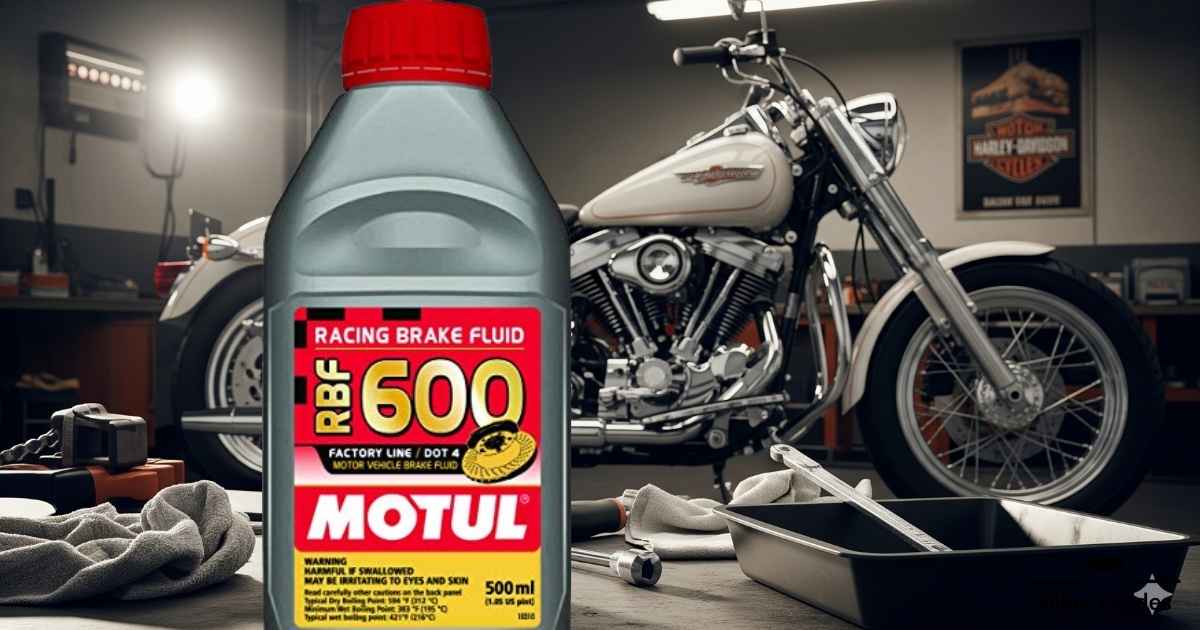
The type of fluid you use also changes the timing. DOT 4 fluids can boil at higher temps. But some types can absorb water faster than DOT 3. This means you may need to change them sooner. So, you must pick your fluid based on how much work it needs. Racing fluids like Motul RBF660 have a very high dry boiling point. But they have a much lower wet boiling point. So, you must flush them often to keep them working well. Do not think a higher DOT number means less work. This can be a very unsafe mistake.
Risks and Repercussions
Not changing your bike’s brake fluid is a big safety risk. It can cause problems now and later. The biggest risk is that your brakes will slowly get worse. As the fluid gets dirty, it works less well. This happens so slowly you might not even notice. You might not notice your stop distance getting longer. You might not feel the lever getting softer. This can be a huge problem during an emergency stop. Your brakes might not work as you expect them to. This slow loss of power can make you feel safe when you are not. This is a very real danger.
Old fluid can also harm your brakes. This is a risk beyond losing brake power. Water in the fluid can cause rust inside the metal parts. This includes the brake lines and calipers. This rust can make the system weak. It also puts rust and metal bits into the fluid. These tiny bits can move through the whole system. They can hurt the seals. They can also clog the small parts of the ABS unit. Fixing or replacing an ABS unit costs a lot of money. It can be thousands of dollars. A cheap fluid change can stop a very bad and expensive failure.
The worst result is a risk to you and others. Brake fade and brake failure at high speeds can be deadly. Not caring for your brakes puts you and others in danger. A small, low-cost job can prevent a very big, life-threatening risk.
Choosing the Right Fluid and Getting the Job Done
Picking the right fluid is as key as changing it often. Bikes are made to use a certain type of fluid. This fluid has a DOT rating. Most bikes use DOT 3, DOT 4, and DOT 5.1 fluids. These are all glycol-based. You must use the fluid your owner’s manual says to use. This makes sure it works with the seals and parts.
A warning: DOT 5 fluid is different. It is made of silicone. Do not use it with glycol-based systems. Mixing DOT 5 with DOT 3, 4, or 5.1 can make seals swell up. They can then fail, causing the brakes to fail completely.
Common DOT Fluid Properties and Specifications
| Fluid Type | Chemical Base | Dry Boiling Point | Wet Boiling Point | Compatibility |
$^\circ$C / $^\circ$F | $^\circ$C / $^\circ$F | |||
| DOT 3 | Glycol-Ether | 205 / 401 | 140 / 284 | Intermixable with DOT 4 & 5.1 |
| DOT 4 | Glycol-Ether | 230 / 446 | 166 / 320 | Intermixable with DOT 3 & 5.1 |
| DOT 5.1 | Glycol-Ether | 260 / 500 | 180 / 356 | Intermixable with DOT 3 & 4 |
| DOT 5 | Silicone | 260 / 500 | 180 / 356 | Not intermixable with other DOT fluids |
For most riders, changing fluid at home is easy. You just need the right tools and care. You will need a box-end wrench. It should fit the bleed nipple, usually 8mm to 10mm. A brake bleeding kit is also good. This kit often has a tube with a one-way valve. This makes the job cleaner. A vacuum pump is a good tool to buy. It makes the job go faster. Have lots of rags ready. Brake fluid can ruin paint. You must clean up any spills right away.
The main steps are simple. Open the reservoir. Put the tube on the nipple. Then, pump the lever. Loosen and tighten the nipple to get the old fluid out and new fluid in. A key safety tip: never let the reservoir get empty. This would let air into the system. Then you would have to bleed the brakes again.
It is harder to do this on a bike with an ABS unit. Just flushing the brakes might not get all the old fluid out. Some can get stuck in the ABS pump. A pro mechanic will use a special tool. This tool makes the ABS pump work. This pushes all the old fluid out for a full flush. Changing fluid on a simple bike is easy. But if your bike has a new, complex system, it is smart to get a pro to do it. This keeps you from hurting the expensive ABS unit.
FAQs for How Often To Change Brake Fluid On Motorcycles
How often should I change my motorcycle’s brake fluid?
Most experts and manuals say to change your brake fluid every two years. This is a standard safety rule for all riders.
How can I tell if my motorcycle needs a brake fluid change?
The fluid can turn dark or cloudy. A spongy or soft brake lever is also a key sign. Your brakes may not feel as responsive.
Does my riding style affect how often I should change my brake fluid?
Yes, it can. If you ride in hot weather or on a race track, you may need more frequent changes. Always check your bike’s owner’s manual.
What happens if I don’t change my motorcycle’s brake fluid?
Old fluid absorbs water over time, which lowers its boiling point. This can cause brake fade and a spongy lever, leading to a loss of stopping power.
Is changing motorcycle brake fluid a hard job for beginners?
It can be a simple task if you have basic tools. However, some modern bikes with ABS may require a professional tool to do it right.
Final Words
Taking care of your brake fluid is not just one rule. It is a key safety practice. It needs you to know about the fluid’s properties. You also need to know what makes it wear out and what the signs of old fluid are. The two-year rule is good for most riders. But your real schedule should fit your riding style, climate, and bike. Someone in a humid place who brakes hard may need a fluid change every year. They might even need it more often.
A brake fluid change is not very costly. But not doing it can be very bad. Dirty fluid can cause a lot of damage over time. It can cause rust inside and clog ABS units. This leads to very large repair bills. The cost is much more than the cost of a simple fluid change. Most of all, bad brakes put your life at risk. They also risk the lives of others. So, you should always care for your brake fluid. Follow your manual’s advice. Know the warning signs. This is a smart and key step for your own safety.