What is the Difference between Scooter Oil And Motorcycle Oil?

If you own a scooter or a motorcycle, you might wonder why the oil you use matters so much. You may think that all oils are the same, but that’s not true.
Using the right oil can keep your engine running smoothly and save you from costly repairs. So, what is the difference between scooter oil and motorcycle oil? Understanding this can help you make the best choice for your ride. Keep reading to find out how these oils work differently and why choosing the right one is important for your vehicle’s performance and lifespan.
Types Of Engine Oils
Understanding the difference between scooter oil and motorcycle oilrequires a look at the types of engine oils available. Engine oils vary based on their purpose and the type of engine they serve. Two-Stroke Vs Four-Stroke Oilis a key distinction, as scooters often use two-stroke engines, while motorcycles usually have four-stroke engines. Each engine type demands specific oil with unique properties to ensure smooth operation and engine longevity. Choosing the right oil impacts performance, maintenance, and engine health significantly.
Formulation Differences
The scooter oil compositiondiffers from motorcycle oil mainly due to engine design and operating conditions. Scooters often use two-stroke engines, which burn oil along with fuel. This requires oils that burn cleanly and reduce deposits. Motorcycle engines are mostly four-stroke, needing oils that provide strong lubrication and heat resistance without burning.
Synthetic Vs Mineral Oilalso affects formulation. Synthetic oils have uniform molecules and better thermal stability, ideal for high-performance motorcycles. Mineral oils, often found in scooter oils, are less expensive and work well for regular riding conditions.
- Scooter Oil:Contains additives to reduce smoke and prevent carbon buildup.
- Motorcycle Oil:Focuses on high wear protection and heat resistance.
- Two-Stroke Oil:Designed to mix with fuel and burn efficiently.
- Four-Stroke Oil:Stays in the crankcase, lubricating engine parts directly.
| Feature | Scooter Oil | Motorcycle Oil |
|---|---|---|
| Engine Type | Two-Stroke (mostly) | Four-Stroke (mostly) |
| Burn Characteristics | Burns with fuel, low residue | Does not burn, stays in engine |
| Additives | Detergents, anti-smoke agents | Wear inhibitors, anti-oxidants |
| Base Oil | Often mineral, some synthetic blends | Primarily synthetic or semi-synthetic |
Viscosity Variations
Oil viscosity comparisonis crucial for selecting the right lubricant. Viscosity refers to how thick or thin the oil is at certain temperatures. Scooter oils usually have lower viscosity to flow easily through small engine parts and mix well with fuel in two-stroke engines. Motorcycle engine oil tends to have higher viscosity grades to protect larger engines under various conditions.
Different engine oil specificationsmatch the needs of each vehicle type:
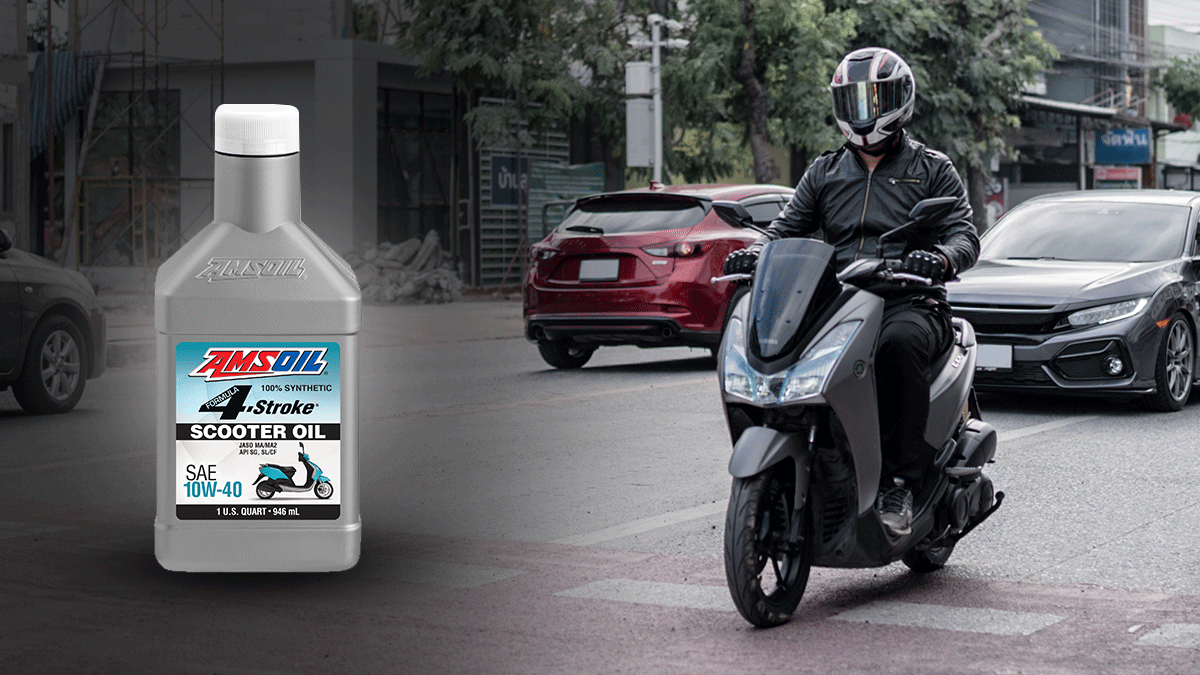
- Scooter Maintenance Oil:Typically lighter, such as 10W-30 or 10W-40, to ensure smooth fuel mixing and quick lubrication.
- Motorcycle Oil Types:Range from 10W-40 to 20W-50, offering thicker protection at high temperatures and under heavy loads.
Viscosity impacts oil performance differenceslike engine start-up protection, fuel efficiency, and long-term wear. Using oil with wrong viscosity can cause poor lubrication or increased engine wear.
| Viscosity Grade | Scooter Oil | Motorcycle Oil |
|---|---|---|
| Low Temperature (W rating) | Usually 5W to 10W | 5W to 15W |
| High Temperature (Second number) | 30 to 40 | 40 to 50 |
| Viscosity Importance | Ensures quick flow and fuel mixing | Provides thicker film for protection |
Credit: blog.amsoil.com
Engine Requirements
Understanding the engine requirementsis key to choosing the right oil for scooters and motorcycles. Both engines need proper lubrication, but their designs and operations differ. These differences affect what type of oil suits best. Scooter oiland motorcycle oil are formulated with unique properties to meet these needs. Factors like engine size, cooling system, and fuel type influence the oil’s role. Knowing these engine needs helps in selecting oil that protects and boosts engine life.
Scooter Engine Needs
Scooter engines usually have smaller, simpler designs. Many scooters use two-stroke engines, but some have four-stroke engines. Each type requires specific oil for smooth running. Scooter oil typesoften focus on easy mixing with fuel or separate lubrication systems. Scooters need oil that provides quick protection against engine wear and keeps the engine clean.
- Two-Stroke Oil:Mixed with fuel for combustion and lubrication.
- Four-Stroke Oil:Used in separate lubrication systems, similar to car engines.
- Viscosity requirements:Usually lighter oils for faster engine response.
- Oil additives:Detergents and anti-wear agents are crucial to prevent carbon buildup.
Scooter engine maintenancedepends on using the right oil grade. The engine operates at lower speeds and temperatures, so oil must handle frequent stops and starts. Proper lubrication reduces friction and heat, extending engine life.
| Feature | Requirement |
|---|---|
| Engine Type | Mostly Two-Stroke & Small Four-Stroke |
| Oil Type | Two-Stroke Oil or Light Four-Stroke Oil |
| Viscosity | Low to Medium (e.g., 10W-30) |
| Oil Additives | Anti-wear, Detergents |
Motorcycle Engine Needs
Motorcycle engines are usually larger and more powerful. They often use four-stroke enginesbut some models still run on two-stroke engines. The oil must support higher engine speeds and temperatures. Motorcycle performance oilis specially designed to meet these tough demands. It provides stronger protection against engine wear and better thermal stability.
Different motorcycle oil gradesexist to suit various engine types and riding conditions. The oil must handle clutch friction and gearbox lubrication too. This requires a balanced formula that does not harm transmission parts.
- Four-Stroke Oil:Commonly used, provides engine and transmission lubrication.
- Two-Stroke Oil:Used in older or specialized motorcycles.
- Viscosity requirements:Medium to heavy oils for high performance and heat resistance.
- Oil additives:Friction modifiers, anti-foaming agents, and extreme pressure additives.
Engine lubrication differencesbetween motorcycles and scooters highlight why oil choice matters. Motorcycle oil ensures smooth clutch operation and protects high-revving parts. It also helps maintain engine power and reduces wear during long rides.
| Feature | Requirement |
|---|---|
| Engine Type | Mostly Four-Stroke, Some Two-Stroke |
| Oil Type | Four-Stroke Motorcycle Performance Oil |
| Viscosity | Medium to High (e.g., 10W-40, 20W-50) |
| Oil Additives | Friction Modifiers, Anti-Wear, Anti-Foaming |
Performance Impact
Scooter Oil Vs Motorcycle Oilshows clear differences in how each affects performance. Both oils serve to protect and enhance engine function, yet their impact on fuel efficiency and engine protection varies. Understanding these differences helps riders choose the right oil for their vehicle, improving overall performance and engine life.
Fuel Efficiency
Fuel Efficiency In Scootersdepends heavily on using the correct oil type. Scooter oils are designed for smaller engines and automatic transmissions, which have unique lubrication needs. Using motorcycle oil in a scooter may cause increased friction, reducing fuel efficiency.
Differences Between Scooter And Motorcycle Oilinclude viscosity and additive packages. Scooter oil typically has a thinner viscosity to suit the scooter’s engine design. Thicker motorcycle oil can increase engine drag in scooters, leading to lower miles per gallon.
- Scooter oils optimize fuel combustion by reducing engine friction.
- Motorcycle oils focus on high-speed engine protection, which may not suit scooters.
- Oil change intervals scooter need are often shorter due to engine design.
| Oil Type | Viscosity | Impact on Fuel Efficiency |
|---|---|---|
| Scooter Oil | Lower viscosity (e.g., 10W-30) | Improves fuel efficiency by reducing drag |
| Motorcycle Oil | Higher viscosity (e.g., 20W-50) | May reduce fuel efficiency in scooters |
Choosing the right oil enhances fuel economy and lowers emissions. Scooter oil benefitsinclude smoother engine operation and better mileage. Using synthetic oil for motorcycles helps high-performance bikes but is not always ideal for scooters.
Engine Protection
Engine Protection For Motorcyclesrequires oils with strong additives and suitable viscosity to handle high temperatures and loads. Motorcycle oil advantages include enhanced wear resistance and deposit control, essential for powerful engines.
Scooter engines have different lubrication requirements motorcycle oils may not meet. Scooter oil formulas focus on protecting small engines and automatic clutches. Using motorcycle oil in scooters risks poor lubrication and clutch slippage.
- Scooter oil has additives that protect against corrosion in humid conditions.
- Motorcycle oils contain friction modifiers to protect high-revving engines.
- Oil viscosity for scooters is carefully balanced to maintain clutch performance.
Regular oil change intervals scooter engines require help maintain optimal engine life. Motorcycle oils often last longer but may not protect scooter engines properly. Proper oil choice minimizes engine wear and overheating.
| Aspect | Scooter Oil | Motorcycle Oil |
|---|---|---|
| Lubrication Type | Designed for small, automatic engines | Formulated for high-performance, manual engines |
| Additive Package | Focus on clutch protection and anti-corrosion | Enhanced wear resistance and thermal stability |
| Oil Change Interval | Shorter intervals (e.g., 1000-1500 miles) | Longer intervals (e.g., 3000-5000 miles) |
Additives And Ingredients
The difference between scooter oil and motorcycle oillies mainly in their additives and ingredients. These components affect how well the oil protects the engine and performs under different conditions. Both oils share some basic functions but have unique formulations designed for their specific engines and uses. Understanding the Scooter Oil Propertiescompared to Motorcycle Oil Specificationshelps choose the right oil for each vehicle type. Key additives like detergents, dispersants, and anti-wear agents play crucial roles in oil performance in two-wheelers. These additives improve lubrication, reduce engine wear, and keep the engine clean. The differences in engine oil viscosity differencesand additive packages also reflect the unique needs of scooters and motorcycles.
Detergents And Dispersants
Detergents and dispersantsare essential detergent additives in engine oil. They keep engines clean by preventing sludge and deposits from forming. Dispersant function in oilshelps suspend dirt particles and combustion by-products. This keeps the oil clean and extends engine life. Scooter engines often run at different speeds and temperatures compared to motorcycle engines. Therefore, lubrication for scootersrequires detergents and dispersants that handle these conditions without causing sludge buildup.
Motorcycle oils usually have stronger detergent packages because motorcycle engines work harder and at higher RPMs. They face more stress, which creates more deposits and contaminants. Detergents break down these contaminants, while dispersants keep them suspended in the oil until the next oil change.
| Aspect | Scooter Oil | Motorcycle Oil |
|---|---|---|
| Detergent Strength | Moderate | High |
| Dispersant Level | Balanced for low-speed engines | Higher for high-speed engines |
| Function | Prevents sludge in stop-and-go riding | Removes heavy deposits from intense use |
Understanding these differences helps maintain engine health and improves oil performance in two-wheelers. Choosing the correct detergent and dispersant balance protects the engine and enhances oil life.
Anti-wear Agents
Anti-wear agentsprotect engine parts from friction and damage. They form a thin protective layer on metal surfaces, reducing wear during engine operation. Both scooter and motorcycle oils contain these agents, but their types and amounts vary. Anti-wear agents benefitsinclude longer engine life, better performance, and reduced repair costs.
Scooter engines often use synthetic vs mineral oil scooterswith different anti-wear packages. Synthetic oils usually have advanced anti-wear additives that perform better under high stress and temperature. Motorcycle oils must meet stricter motorcycle oil specificationsbecause motorcycles generally have larger engines running at higher RPMs. These engines need stronger anti-wear protection.
- Scooter oil:Moderate anti-wear agents for smoother city rides.
- Motorcycle oil:Enhanced anti-wear agents for high-speed, high-load use.
The choice of anti-wear agents affects lubrication for motorcyclesand scooters differently. High-quality anti-wear additives reduce friction and heat, preventing engine parts from wearing out quickly. This improves the oil’s overall performance and reliability.
| Feature | Scooter Oil | Motorcycle Oil |
|---|---|---|
| Anti-wear Agent Type | Standard additives | Advanced additives (e.g., ZDDP) |
| Protection Level | Moderate for low-load engines | High for high-load engines |
| Best Used For | City commuting, low RPM | High RPM, heavy loads |
Choosing the right anti-wear agents improves engine durability. It ensures smooth operation and better response for both scooters and motorcycles.
Oil Change Intervals
Understanding the difference between scooter oil and motorcycle oil is crucial for proper engine care and performance. One key aspect is oil change intervals, which vary based on engine type and oil specifications. Scooters and motorcycles often use different oils due to their engine designs. For example, two-stroke vs four-stroke oil varies greatly in formulation. Knowing the right oil viscosity for scooters or motorcycles ensures the engine runs smoothly and lasts longer. Regular oil changes help prevent wear and tear, reduce friction, and maintain engine health.
Scooter Maintenance
Scooters typically have smaller engines and often use two-stroke or four-stroke oildepending on the model. The oil viscosity for scootersis usually lighter, as scooter engines operate at lower speeds and temperatures compared to motorcycles.
Oil change intervalsfor scooters are generally shorter. Most scooter manufacturers recommend changing oil every 1,000 to 2,000 kilometers. This is especially true for two-stroke engines, which mix oil with fuel and require frequent checks.
- Use scooter oil typesdesigned for specific engine models.
- Check oil level regularly to avoid engine damage.
- Choose between synthetic vs mineral oilbased on scooter usage and budget.
| Engine Type | Recommended Oil Change Interval | Oil Type |
|---|---|---|
| Two-Stroke Scooter | Every 1,000 km | Two-Stroke Oil (Mixed) |
| Four-Stroke Scooter | Every 2,000 km | Four-Stroke Scooter Oil |
Following these guidelines supports scooter engine maintenanceand improves fuel efficiency. Skipping oil changes can cause engine wear and reduce scooter life. Regular checks help spot leaks or oil quality issues early.
Motorcycle Maintenance
Motorcycles often have larger, more complex engines requiring different care. The motorcycle oil specificationsmust match the engine design, especially for high-performance bikes. The right oil viscosity for motorcyclesdepends on the climate and engine load.
Oil change intervalsfor motorcycles vary widely. Typically, four-stroke motorcycle engines need oil changes every 3,000 to 5,000 kilometers. Some synthetic oils allow longer intervals, up to 10,000 km. Two-stroke motorcycles require frequent oil mixing and checks.
- Use oil meeting the manufacturer’s standards for engine protection.
- Monitor oil condition regularly for discoloration or contamination.
- Choose between synthetic vs mineral oilbased on riding style and engine age.
| Motorcycle Type | Oil Change Interval | Preferred Oil |
|---|---|---|
| Four-Stroke Motorcycle | 3,000 – 5,000 km (Mineral) | Mineral or Synthetic Oil |
| Four-Stroke Motorcycle | Up to 10,000 km (Synthetic) | Full Synthetic Oil |
| Two-Stroke Motorcycle | Every 500 – 1,000 km | Two-Stroke Oil (Mixed) |
Proper motorcycle engine care requires sticking to these intervals. Ignoring oil changes risks engine damage and poor performance. A good oil change routine improves engine life and riding safety.

Credit: www.youtube.com
Choosing The Right Oil
Choosing the right oil is essential for the health and performance of your vehicle’s engine. The difference between scooter oil and motorcycle oil lies in their formulation and purpose. Scooter engines often require specific lubrication due to their design and operating conditions. Using the wrong oil can reduce engine efficiency and cause damage. Understanding Scooter Oil Vs Motorcycle Oilhelps in selecting the best product for your engine. Proper oil ensures smooth engine operation, reduces wear, and increases lifespan. Factors like Oil Performance In Scootersand Engine Oil Compatibilityplay key roles in this choice. This section explains how to pick the correct oil based on manufacturer advice and environmental conditions.
Manufacturer Recommendations
Following the Manufacturer Oil Specificationsis the safest way to maintain your scooter or motorcycle engine. Each vehicle brand suggests oil types based on engine design and expected use. These specifications cover oil viscosity, additives, and performance standards. Using oil that meets these criteria ensures proper Scooter Engine Lubricationand prevents engine wear.
Key points to consider from manufacturer guidelines:
- Recommended oil viscosity grade for your engine type
- Approved oil standards and certifications (API, JASO, etc.)
- Specific formulations for two-stroke or four-stroke engines
- Guidance on synthetic versus mineral oils
Here is a simple table showing common manufacturer oil recommendations:
| Vehicle Type | Oil Viscosity | Oil Type | Standard |
|---|---|---|---|
| Scooter | 10W-30 | Semi-synthetic | JASO MB |
| Motorcycle (4-stroke) | 10W-40 | Fully synthetic | JASO MA2 |
Ignoring these recommendations risks poor Oil Performance In Scootersor motorcycles. Always check the user manual or consult a mechanic. Proper adherence to Manufacturer Oil Specificationshelps maintain engine efficiency and longevity.
Environmental Factors
The Environmental Impact Of Engine Oilinfluences oil selection for scooters and motorcycles. Oil must perform well in different weather and road conditions. Cold climates need oils with lower viscosity for easy starting. Hot climates require oils that resist breakdown under heat.
Consider these environmental factors:
- Ambient temperature affecting oil viscosity
- Humidity and moisture exposure
- Type of roads – dusty, wet, or smooth
- Frequency of short trips or long rides
Scooter Maintenance Tipssuggest changing oil more often in harsh environments. Some oils contain special Motorcycle Oil Additivesto protect against corrosion and deposit formation. These additives improve oil life and engine protection.
Below is a quick guide on oil choice based on climate:
| Climate | Recommended Oil Viscosity For Scooters | Oil Type |
|---|---|---|
| Cold | 5W-30 | Synthetic or Semi-synthetic |
| Moderate | 10W-30 | Semi-synthetic |
| Hot | 10W-40 | Fully synthetic |
Choosing oil based on environmental conditions ensures consistent lubrication and reduces engine stress. This practice enhances both Engine Oil Compatibilityand overall vehicle performance.

Credit: www.mpmoil.com
Frequently Asked Questions
What Makes Scooter Oil Different From Motorcycle Oil?
Scooter oil is specially formulated for small engines with integrated gearboxes. Motorcycle oil suits larger, high-performance engines. Scooter oil often includes friction modifiers for automatic clutches, while motorcycle oil focuses on higher shear resistance and better thermal stability.
Can I Use Motorcycle Oil In My Scooter?
Using motorcycle oil in a scooter is not recommended. Motorcycle oil may lack the friction modifiers needed for scooter automatic transmissions. This can cause clutch slippage and poor performance. Always use oil specified for your scooter model for optimal engine health.
Why Does Scooter Oil Have Friction Modifiers?
Friction modifiers in scooter oil help protect the wet clutch system. They reduce clutch slippage and wear in automatic gearboxes. This ensures smoother acceleration and longer clutch life. Motorcycle oils typically do not require these additives due to different transmission types.
How Often Should I Change Scooter Oil Versus Motorcycle Oil?
Scooter oil changes are usually more frequent, around every 2,000 to 3,000 km. Motorcycle oil changes vary widely but often fall between 3,000 to 5,000 km. Always follow your vehicle manufacturer’s guidelines for oil change intervals to maintain engine performance.
Conclusion
Choosing the right oil keeps your vehicle running smooth and safe. Scooter oil suits smaller engines with automatic transmissions. Motorcycle oil fits bigger, more powerful engines with manual gears. Using the wrong oil can cause engine problems and reduce performance.
Always check the owner’s manual before picking oil. Proper oil helps protect the engine from wear and heat. It also improves fuel efficiency and engine life. Remember, the right oil makes a big difference in ride quality. Keep your ride happy by choosing oil made for its type.
Simple steps, better results.