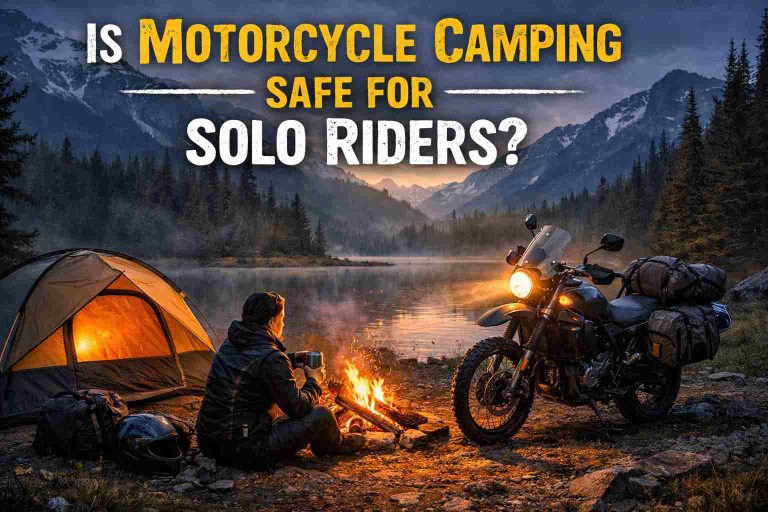
How to Find the Perfect Campsite: Expert Tips for Campers

Finding the perfect campsite can turn a simple outdoor trip into a memorable adventure. Whether you’re planning your first camping trip or you’re an experienced camper seeking new challenges, choosing the right site is the foundation for safety, comfort, and fun.
The process isn’t just about picking a spot on a map—it’s about understanding your needs, the landscape, and the unique factors that make a campsite ideal. This guide will help you navigate the search, avoid common mistakes, and discover lesser-known tips that beginners often miss.
Understanding Your Camping Style
Before you start searching, think about your camping style. Some people enjoy roughing it in the wild, while others prefer established campgrounds with modern facilities. Your style will shape your search.
Wild Camping Vs. Campgrounds
Wild camping means you’ll be away from crowds, sometimes with no amenities. You have more freedom, but also more responsibility. Established campgrounds offer amenities like toilets, showers, and sometimes Wi-Fi. They’re great for families, beginners, or those who like a bit more comfort.
Solo, Group, Or Family Camping
Are you camping alone, with friends, or with family? Solo campers may want solitude and easy access to trails. Groups often need larger spaces and more facilities. Family campers may need playgrounds, shallow water, and safe surroundings.
Activities And Interests
Think about what you want to do: hiking, fishing, swimming, or just relaxing. Your ideal campsite should be close to the activities you love. For example, if you want to fish, look for sites near lakes or rivers.
Key Factors To Consider When Choosing A Campsite
The right campsite depends on many factors. Missing even one can lead to discomfort or safety issues. Here are the most important things to check.
Location And Accessibility
Location is more than just scenery. It affects your safety, comfort, and travel time.
- How far is it from home? Long drives can tire you out before you even start camping.
- Is the road paved or gravel? Some remote sites require four-wheel-drive vehicles.
- Are there emergency services nearby? This matters for families and less-experienced campers.
Terrain And Ground Surface
The ground where you pitch your tent affects your sleep and safety.
- Avoid sites with rocks, roots, or uneven surfaces.
- Look for flat, dry ground.
- Stay away from low spots where rainwater collects.
Water Access
Water is essential, but not all campsites provide it.
- Is there a natural water source nearby? Streams, lakes, or rivers can be useful.
- Does the campground provide potable water?
- If not, plan to bring enough water for drinking, cooking, and cleaning.
Shade And Sun Exposure
Too much sun can make tents hot and uncomfortable. Not enough can leave you cold.
- Trees provide natural shade and wind protection.
- Avoid sites directly under dead or weak branches (widowmakers).
- In colder months, pick sites with morning sun.
Wind And Weather Protection
The best campsites protect you from strong winds and sudden storms.
- Use natural barriers like hills, trees, or bushes.
- Avoid exposed ridges and valleys where wind funnels through.
Privacy
Privacy is important for relaxation and safety.
- Look for sites not directly next to others.
- Use bushes, rocks, or trees for separation.
- In busy campgrounds, arrive early to claim private spots.
Wildlife And Insects
Some sites have more bugs and animals than others.
- Avoid areas with standing water to reduce mosquitoes.
- Look for signs of wildlife, like tracks or droppings.
- Store food safely to keep animals away.
Safety
Always consider safety first.
- Avoid camping near cliffs, fast rivers, or unstable terrain.
- Check for signs of recent flooding or landslides.
- Learn about local hazards, such as poisonous plants or dangerous animals.
Regulations And Permits
Many areas require permits or have rules.
- Check if you need a permit to camp.
- Follow local fire regulations.
- Respect “Leave No Trace” principles.
Researching Campsite Options
Once you know what you need, start researching.
Online Resources
Many websites and apps help you find campsites.
- National and state park websites list official campgrounds.
- Apps like AllTrails and Campendium have reviews and maps.
- Read recent reviews for up-to-date info.
Guidebooks And Maps
Printed guidebooks are useful for remote areas with poor phone signal.
- Look for books specific to your region or state.
- Topographic maps show terrain and water sources.
Local Advice
Ask local outdoor stores, rangers, or experienced campers.
- Rangers know about recent changes, closures, or hazards.
- Locals can suggest hidden gems that don’t appear online.
Comparing Campgrounds
Here’s a comparison table of three popular campground types to help you decide:
| Type | Amenities | Privacy | Best For |
|---|---|---|---|
| National Park | Restrooms, water, fire pits | Medium | Families, beginners |
| Private Campground | Showers, Wi-Fi, playgrounds | Low | Groups, families |
| Wild Camping | None | High | Solo, experienced campers |
Evaluating Campsite Amenities
Amenities can make or break your experience, especially for beginners and families.
Essential Amenities
- Restrooms: Basic but important for hygiene.
- Potable Water: Saves you from carrying extra weight.
- Trash Disposal: Keeps the site clean and safe.
Nice-to-have Extras
- Showers: Useful for longer stays.
- Picnic Tables: Convenience for eating and cooking.
- Fire Rings: Safer campfires.
Accessibility Features
Some campgrounds have features for people with disabilities.
- Paved paths
- Accessible restrooms
- Reserved sites for accessible camping
Cost Comparison
Here’s a comparison of typical nightly costs:
| Campground Type | Average Cost (USD) | Booking Required? |
|---|---|---|
| National Park | 20–35 | Yes |
| State Park | 15–30 | Sometimes |
| Private Campground | 30–55 | Yes |
| Wild Camping | Free | No |
Credit: theexpertcamper.co.uk
Choosing The Right Campsite Within A Campground
Even within a campground, some sites are better than others. Learn to spot the best ones.
Arrival Time Matters
Arrive early for the best selection. Popular sites fill up fast, especially on weekends.
Walk The Site
Don’t settle for the first spot you see. Walk around and check:
- Flatness
- Proximity to water and restrooms
- Shade and wind protection
- Potential hazards
Distance From Facilities
Being close to restrooms is convenient, but also noisy. Farther sites offer more privacy but may require longer walks.
Avoiding Common Mistakes
- Don’t pick sites near dumpsters or traffic.
- Avoid sites at the bottom of hills (water can pool).
- Don’t camp under leaning trees or unstable rocks.
Scouting For Wild Campsites
Wild camping offers freedom, but you need to be smart and safe.
How To Find Wild Campsites
- Use maps to spot flat areas near water.
- Look for existing clearings to avoid damaging nature.
- Avoid private property unless you have permission.
Checking Legal Status
Wild camping is not allowed everywhere. Check local laws and regulations.
Safety Precautions
- Avoid wildlife trails and nests.
- Camp at least 200 feet from water sources to protect nature.
- Carry a basic first aid kit.
Weather Considerations
Weather affects every part of camping. Don’t ignore forecasts and seasonal changes.
Checking Forecasts
Check the weather before you leave. Apps and websites give real-time updates.
Seasonal Factors
Spring and fall bring mild temperatures, but also rain. Summer can be hot, with thunderstorms. Winter camping is only for advanced campers.
Adjusting Your Site Choice
- In rain, avoid low areas.
- In heat, look for shade and water.
- In cold, pick sunny spots and shelter from wind.
Packing For The Perfect Campsite
Choosing the site is only half the job. Packing right makes your stay comfortable and safe.
Essential Gear
- Tent with ground tarp
- Sleeping bag and pad
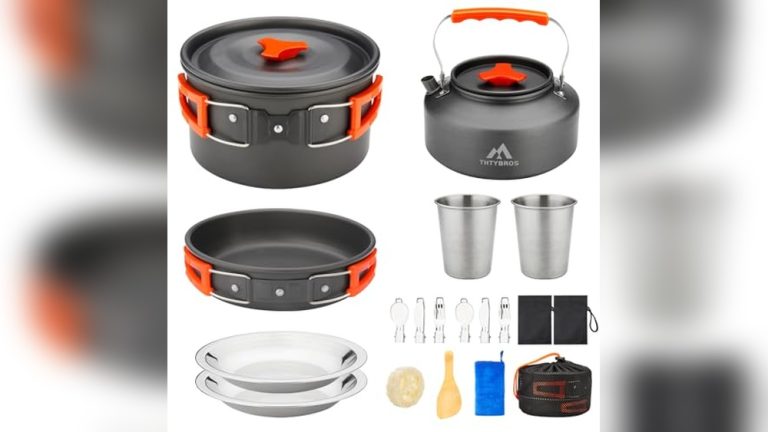
- Cooking equipment
- Water storage
- First aid kit
Extras For Comfort
- Camp chairs
- Headlamp or flashlight
- Portable power bank
Packing Tips
- Use waterproof bags for electronics and clothes.
- Pack according to the weather forecast.
- Bring extra snacks—camping makes you hungry!
Environmental Responsibility
Campsites should be left better than you found them. Respect nature and follow the Leave No Trace principles.
Leave No Trace Guidelines
- Pack out all trash, even small items.
- Use biodegradable soap away from water sources.
- Don’t disturb plants or wildlife.
- Minimize campfire impact.
Protecting Water Sources
Never wash dishes or bathe directly in lakes or streams. Carry water away for cleaning.
Choosing Durable Surfaces
Camp on established sites or durable surfaces like gravel, sand, or dry grass.
Campsite Selection For Different Campers
Every camper is different. Here’s how to match your site to your needs.
Families
- Look for sites with playgrounds and safety features.
- Choose spots close to restrooms.
- Avoid sites near deep water or steep cliffs.
Solo Campers
- Seek quiet, private sites.
- Choose places with easy access to trails.
- Check-in with someone about your plans.
Groups
- Find large sites with multiple tent spaces.
- Look for group shelters or cooking areas.
- Coordinate arrival times to claim spots together.
Accessible Campers
- Check for ADA-compliant facilities.
- Reserve accessible sites early—they fill up fast.

Credit: www.elevationoutdoors.com
Hidden Factors Beginners Often Miss
Even experienced campers sometimes overlook these details.
Cell Signal And Emergency Access
Some remote sites have no cell signal. Plan for emergencies by:
- Carrying a map and compass.
- Letting someone know your plans.
Water Quality
Not all natural water is safe to drink. Bring a filter or purification tablets.
Firewood Rules
Many campgrounds don’t allow outside firewood due to pests. Buy local firewood or check regulations.
Nighttime Noise
Busy campgrounds can be noisy at night. Earplugs help, but choosing a site away from main roads makes a bigger difference.
Unusual Hazards
Some areas have poison ivy, ticks, or snakes. Learn about local dangers before you go.
Making Your Campsite Comfortable
Comfort is more than gear. Small changes can improve your experience.
Setting Up The Tent
- Pitch the tent on flat ground.
- Stake corners tightly for wind resistance.
- Use a ground tarp to prevent moisture.
Arranging Your Space
- Keep food and trash away from the sleeping area.
- Set up a cooking area at least 50 feet from the tent.
- Create a seating space for relaxing.
Lighting
- Use lanterns for group areas.
- Headlamps are best for personal tasks.
- Hang lights outside the tent for safety.
Staying Organized
- Keep gear in separate bags for easy access.
- Use color-coded bags for essentials.
- Clean up daily to avoid clutter.
How To Reserve Or Claim Your Campsite
Getting the perfect spot often means planning ahead.
Online Reservations
Most popular campgrounds use online booking systems.
- Reserve early, especially for weekends or holidays.
- Double-check confirmation emails.
Walk-in Sites
Some sites are first-come, first-served.
- Arrive early in the day.
- Have backup options in case your first choice is taken.
Backup Plans
Always have a backup plan. Weather, closures, or crowds can change your plans suddenly.
Real-world Examples
A look at two different campers’ experiences shows how site selection changes everything.
Example 1: Family Camping At Yosemite
The Smith family booked a campground with playgrounds, water, and restrooms. They arrived early to claim a site near the playground but not too close to the main road. After a rainy night, they realized their site was on higher ground, avoiding puddles. Their careful planning made the trip safe and fun.
Example 2: Solo Wild Camping In Colorado
Jake, an experienced solo camper, used topographic maps to find a flat clearing away from wildlife trails. He checked local regulations and packed a water filter. By choosing a spot near a stream but not too close, he avoided mosquitoes and enjoyed a peaceful night.
Campsite Comparison By Location
Choosing a site in different regions brings unique challenges and rewards.
| Region | Challenges | Best Tips |
|---|---|---|
| Desert | Extreme heat, lack of water | Seek shade, pack extra water |
| Mountain | Cold, unpredictable weather | Choose sheltered spots, check forecasts |
| Forest | Insects, wildlife | Use insect repellent, pick open spaces |
| Coastal | Wind, tides | Camp above high tide line, shelter from wind |
Advanced Tips For Finding The Perfect Campsite
For those who want to take their camping to the next level, here are some expert tips.
Use Satellite Images
Apps and websites show satellite images. Look for clearings, water sources, and access roads.
Seasonal Research
Some sites are great in summer, but muddy or closed in winter. Check seasonal reviews.
Quiet Zones
Some campgrounds have “quiet zones” for peaceful camping. Ask about them when booking.
Test Different Sites
Try different locations to learn what you like best—mountains, forests, lakes, or deserts.
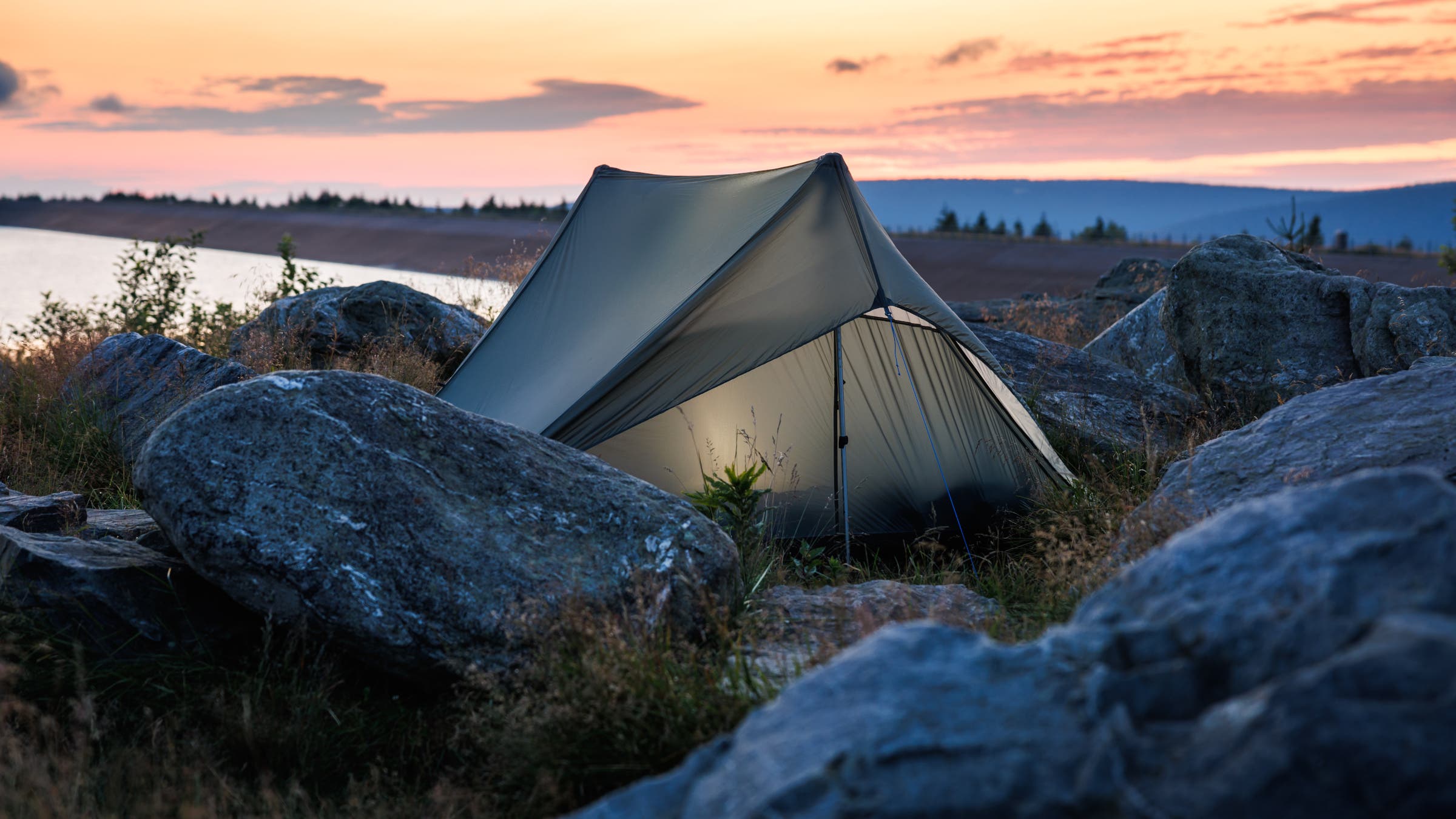
Learn Local Rules
Each area has unique rules about fires, wildlife, and camping. Study them before you go.
Credit: www.backpacker.com
Making The Final Choice
When you’ve narrowed down your options, trust your instincts. If a site feels right, it often is. If you have doubts, look for another. The perfect campsite is the one that matches your needs, protects your safety, and lets you enjoy nature.
Frequently Asked Questions
What Is The Best Way To Find Campsites With Good Reviews?
Use websites like AllTrails, Campendium, or official park sites. Look for recent reviews, as conditions change quickly. Ask local rangers and outdoor stores for advice—they often know about hidden gems.
How Can I Check If A Campsite Allows Campfires?
Most campgrounds list fire rules on their website. Some areas ban fires during dry weather. Always check before you go, and follow local regulations. If unsure, ask a ranger or campground manager.
What Should I Do If My Chosen Campsite Is Full?
Have backup options ready. Check nearby campgrounds or wild camping spots. Arrive early for first-come sites. In busy areas, consider camping mid-week when crowds are lower.
How Do I Protect Myself From Wildlife At Campsites?
Store food in sealed containers or bear-proof lockers. Keep trash away from your tent. Avoid camping near animal trails. Learn about local wildlife and follow safety guidelines.
Are There Online Tools For Finding Campsites?
Yes, many apps and sites help you search and compare campsites. Examples include Campendium, AllTrails, and official park websites. For reliable info, check National Park Service.
Choosing the perfect campsite is both an art and a science. With the right research, careful planning, and a bit of patience, you’ll find a spot that fits your needs and helps you create lasting memories. Whether you’re looking for solitude, adventure, or comfort, the perfect campsite is out there—waiting for you to discover it.