How to Reduce Back Pressure in Exhaust: Proven Tips and Tricks

Reducing back pressure in your exhaust system is a key step if you want better engine performance, improved fuel efficiency, or just a smoother ride. Many car owners hear about “back pressure” but do not fully understand what it means or how it affects their vehicle.
This article will walk you through what back pressure is, why it matters, and—most importantly—how you can reduce it safely and effectively. Whether you drive a daily commuter, a sports car, or a pickup truck, understanding and controlling back pressure can make a noticeable difference.
What Is Back Pressure In An Exhaust System?
Back pressure is the resistance the exhaust gases face as they try to exit the engine through the exhaust system. When your engine burns fuel, it creates gases that must move out quickly. If the exhaust system is too restrictive, these gases get “stuck,” and the engine has to work harder. This can reduce horsepower, increase fuel consumption, and even cause engine damage over time.
While some back pressure is natural, too much can choke your engine. Think of it like trying to breathe through a straw—if the straw is very narrow or blocked, you can’t exhale fast enough. That’s what happens to your engine with high back pressure.
Why Reducing Back Pressure Matters
Lowering back pressure can:
- Increase engine power
- Improve fuel economy
- Reduce engine heat
- Make the engine sound better
- Prolong the life of exhaust system parts
However, reducing back pressure too much can sometimes hurt performance, especially on smaller engines. That’s why it’s important to find the right balance.
Credit: www.truckpipesusa.com
How To Measure Back Pressure
Before making any changes, you need to know your current back pressure levels. Here’s how you can check it:
- Exhaust Pressure Gauge: Mechanics use this tool to measure the pressure in the exhaust manifold or just before the catalytic converter.
- OBD-II Scanner: Some modern cars can give you exhaust readings through the car’s computer port.
- Simple Test: If you notice sluggish acceleration, overheating, or poor fuel economy, these could be signs of high back pressure.
For most cars, an exhaust back pressure reading between 1. 5 to 3 psi (pounds per square inch) at idle is normal. Higher numbers suggest restriction.
Top Methods To Reduce Back Pressure
Let’s look at the most effective ways to lower back pressure, along with practical advice for each method.
1. Upgrade To A Larger Diameter Exhaust Pipe
A wider exhaust pipe allows gases to flow more freely. The stock exhaust on most cars is designed for quietness and emissions, not for best performance.
- For engines up to 200 hp, a 2.25-inch pipe is common.
- For engines between 200-300 hp, a 2.5-inch pipe works well.
- For higher power, 3 inches or more may be needed.
Important tip: Too large a pipe can reduce torque at low RPM. Choose the size that matches your engine’s power and usage.
2. Install A High-flow Catalytic Converter
Standard catalytic converters filter emissions but can create a bottleneck. A high-flow catalytic converter uses a less dense core, allowing gases to pass faster while still reducing pollution.
- High-flow cats can improve exhaust flow by up to 20% compared to stock converters.
- They are street-legal in many places but always check local laws before installation.
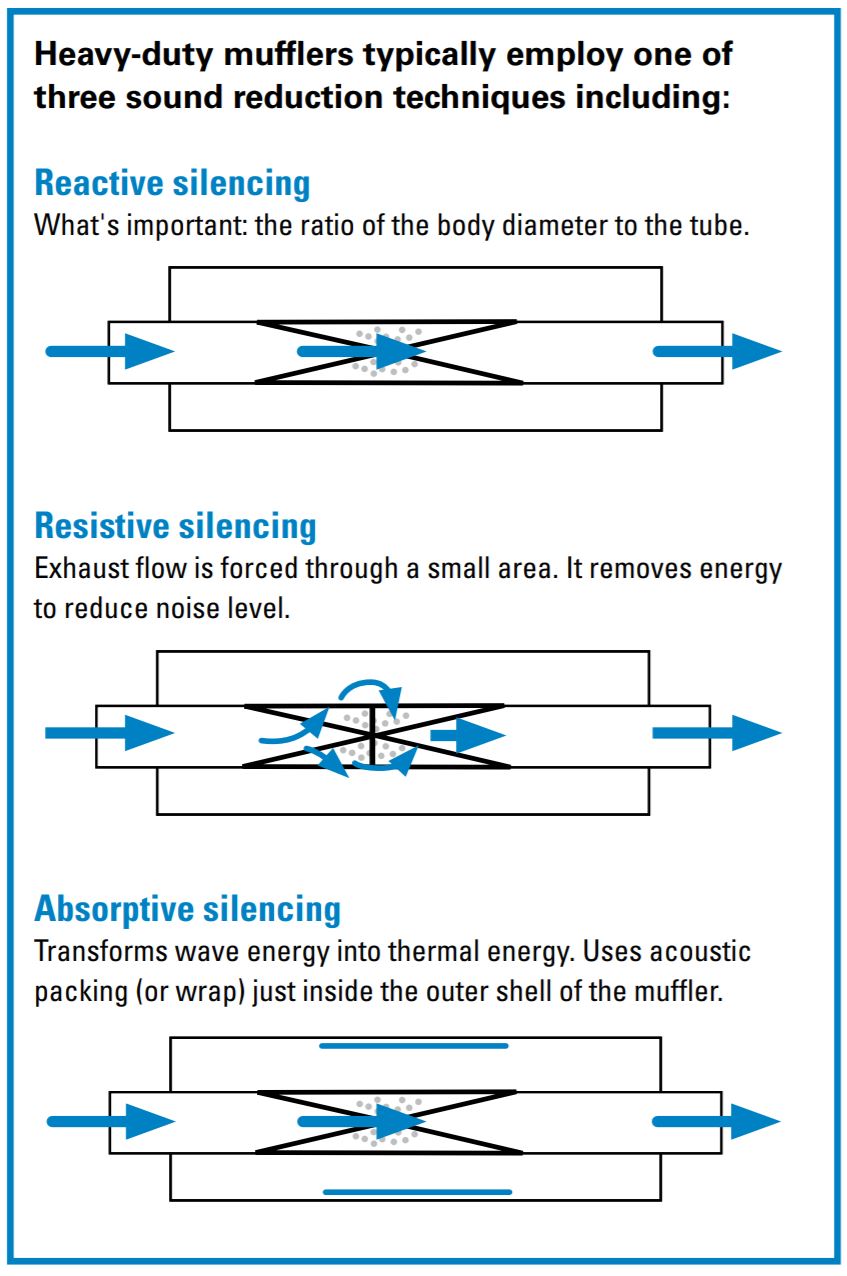
3. Switch To A Performance Muffler
The muffler is often the most restrictive part of the exhaust. Performance mufflers use straight-through designs or special chambers to reduce noise without blocking flow.
- Popular types include glasspack, straight-through, or turbo mufflers.
- Look for models with published flow rates or CFM (cubic feet per minute) ratings.
4. Use Mandrel-bent Pipes
Factory exhausts often use “crush bent” pipes, which pinch at the corners and restrict flow. Mandrel bending keeps the pipe’s diameter consistent, especially in bends.
- A mandrel-bent system can flow 15–20% better than a crush-bent one.
- This is especially important for cars with many bends in the exhaust.
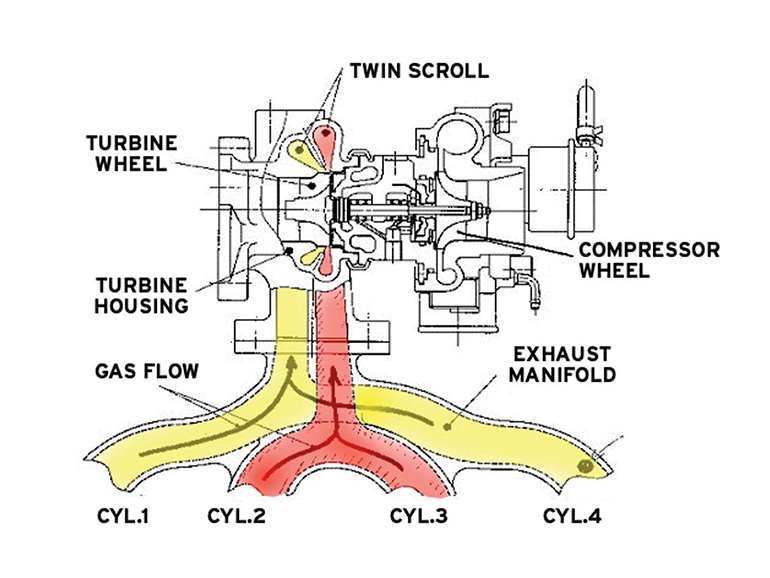
5. Install Headers Instead Of Stock Manifolds
Exhaust headers are designed to let each cylinder push gases out with less resistance. Stock manifolds are often made with rough, cast iron shapes that limit flow.
- Long-tube headers give the best high-RPM gains.
- Shorty headers are easier to fit and improve low-to-mid RPM performance.
Headers can boost power by 10–20 hp on many engines, depending on design.
6. Reduce The Number Of Bends And Length
Every bend and extra foot in your exhaust adds resistance. If possible, shorten the exhaust route and use smoother bends.
- Keep the number of 90-degree bends to a minimum.
- Use gentle, sweeping curves instead of sharp angles.
7. Remove Or Upgrade Resonators
Resonators are used to fine-tune sound, but they also restrict flow. If your car has one or more resonators, removing or replacing them with a less restrictive version can help.
- Removing resonators may make the car louder.
- Some performance resonators are designed to flow better while controlling drone.
8. Regularly Check For Blockages
Over time, carbon buildup, rust, or foreign objects can partially block your exhaust. This is common in older cars.
- Inspect the exhaust system every 12 months or 12,000 miles.
- Look for black soot, rattling noises, or visible blockages.
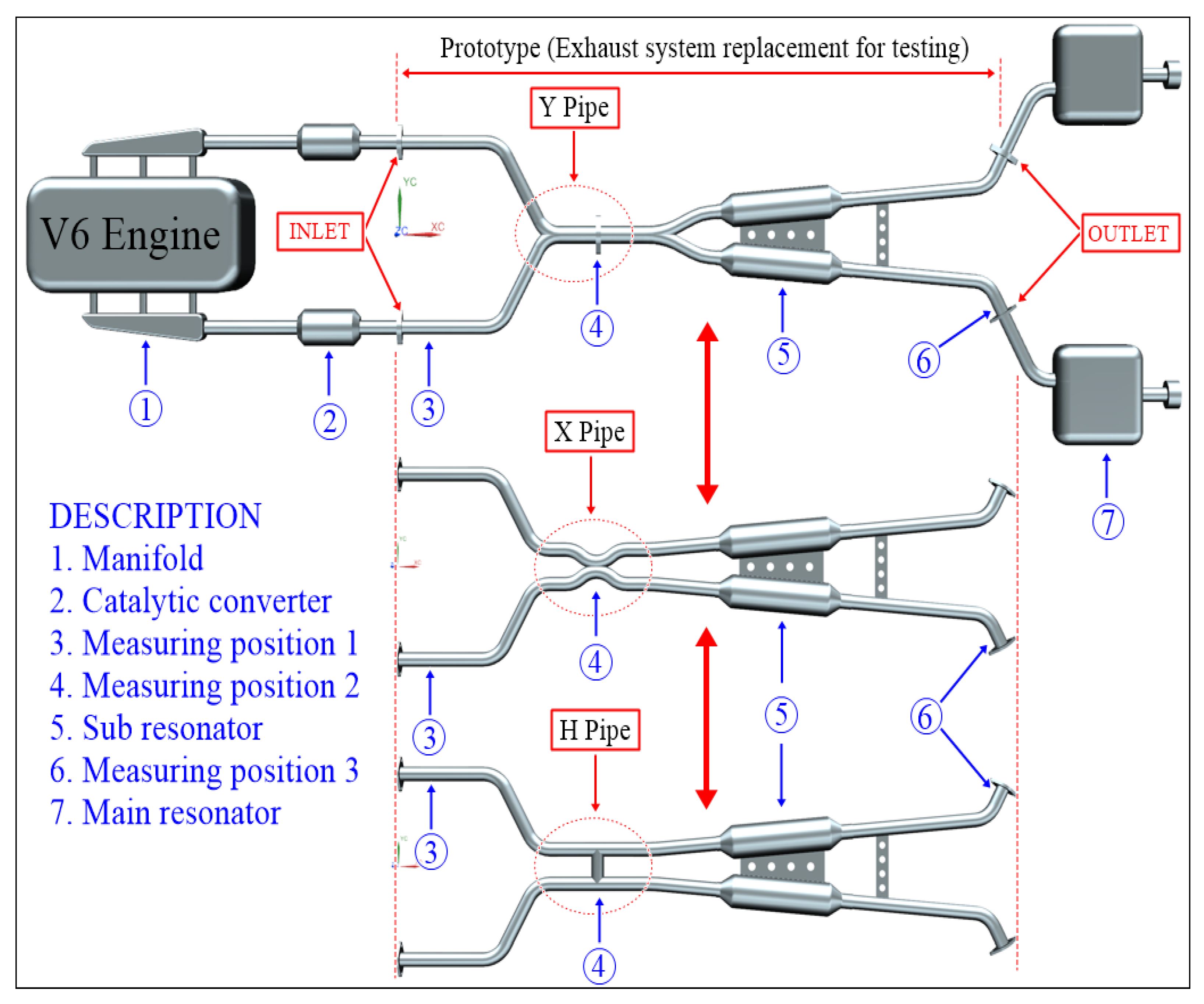
9. Consider An X-pipe Or H-pipe (for Dual Exhausts)
If your car has a dual exhaust, adding an X-pipe or H-pipe can balance pressure and improve flow. X-pipes usually boost high-end power, while H-pipes improve low-end torque.
Comparison of X-Pipe vs. H-Pipe Effects:
| Pipe Type | Power Band | Sound | Back Pressure Reduction |
|---|---|---|---|
| X-Pipe | High RPM | Smoother, Higher Pitch | Better |
| H-Pipe | Low to Mid RPM | Deeper, Classic Tone | Good |
10. Use Free-flowing Exhaust Tips
While exhaust tips mostly change appearance and sound, straight-through tips can slightly reduce restriction compared to restrictive tips with small holes or sharp bends.
11. Tune The Engine Ecu
Modern cars use computers to control fuel and timing. After exhaust changes, updating your ECU tune can help the engine take full advantage of lower back pressure.
- A performance tune can add 5–15% more power.
- Always use a reputable tuner to avoid engine damage.
12. Choose The Right Material
Stainless steel exhausts resist rust, which keeps the inner walls smooth and reduces buildup. Mild steel or aluminized steel can corrode inside, causing rough patches that slow gas flow.
Material Comparison for Exhaust Pipes:
| Material | Durability | Corrosion Resistance | Cost |
|---|---|---|---|
| Stainless Steel | High | Excellent | High |
| Mild Steel | Medium | Poor | Low |
| Aluminized Steel | Medium | Good | Medium |
13. Avoid Overly Large Exhausts
While a bigger pipe helps, going too large can slow down the flow, especially at low RPM. This happens because the exhaust gases cool and slow down in an oversized pipe.
Non-obvious insight: For daily drivers, a slightly larger than stock pipe is better than going “as big as possible.”
14. Use Quality Gaskets And Seals
Leaky gaskets or seals can create turbulence and actually increase local back pressure. Always replace old or leaking gaskets when upgrading the exhaust.
15. Keep Heat In The Exhaust
Hotter gases move faster. Using exhaust wraps or ceramic coatings can keep the gases hotter as they move through the system.
- Exhaust wraps can reduce under-hood temperatures by up to 50%.
- Ceramic coatings last longer but cost more.
Non-obvious insight: Keeping heat in helps the catalytic converter work better and can reduce emissions.
Common Mistakes When Reducing Back Pressure
Many people make the same errors when trying to improve their exhaust:
- Removing the catalytic converter (illegal in many areas and can cause engine problems)
- Installing pipes that are too big or too small
- Ignoring the need for a proper ECU tune after changes
- Using cheap, poor-quality parts that rust or break quickly
- Focusing only on one part (like the muffler) and ignoring the rest of the system
Make sure to plan your changes as a system, not just one part at a time.
How Back Pressure Affects Different Engines
Not all engines react the same to changes in back pressure:
- Turbocharged engines: Lower back pressure before the turbo helps power, but after the turbo, it matters less.
- Naturally aspirated engines: Need some back pressure for best low-end torque.
- Small engines: Lose torque if back pressure is too low.
- Large V8s: Can handle much lower back pressure, especially at high RPM.
Example: A 4-cylinder Honda may run best with a 2.25-inch system, while a V8 Mustang could need 2.5–3 inches for best results.
Credit: www.btbexhausts.co.uk
Real-world Results: Before And After
Let’s look at a typical case:
A stock 2010 Ford Mustang V6 makes about 210 horsepower at the wheels with the factory exhaust. After upgrading to a mandrel-bent 2. 5-inch system, a high-flow cat, and a performance muffler, dyno tests show an increase to about 225–230 horsepower.
Fuel economy also improves by 5–8% on highway driving.
This shows that reducing back pressure, done correctly, gives real gains.
When To Leave Back Pressure Alone
If your car is under warranty, has strict emissions tests, or you use it mainly for city driving, major exhaust changes may not be worth it. Sometimes, the small gains are not worth the cost or possible legal trouble.
Credit: www.mdpi.com
The Balance: Not Too Little, Not Too Much
Reducing back pressure is not about removing all restrictions. It’s about finding the right level for your engine, driving style, and local laws. Too much or too little can cause problems. Always do your research, or ask a professional for advice if unsure.
Frequently Asked Questions
What Is The Ideal Back Pressure For Most Engines?
For most gasoline engines, 1.5 to 3 psi at idle is ideal. This gives a balance of power, torque, and fuel economy. High-performance engines may use slightly less.
Will Removing The Muffler Reduce Back Pressure?
Yes, but it can also increase noise beyond legal limits and may not always improve power, especially if other parts of the exhaust are still restrictive.
Can Reducing Back Pressure Hurt My Engine?
If you reduce back pressure too much, you may lose low-end torque or trigger check engine lights. It is best to follow proven guidelines and not go to extremes.
Is A High-flow Catalytic Converter Street Legal?
Many high-flow cats are EPA-compliant and legal for street use, but always check your state or country’s rules. Some places have strict emissions laws.
Where Can I Learn More About Exhaust System Design?
A good resource is the Wikipedia page on exhaust systems, which covers many technical details and design types.
Reducing back pressure in your exhaust system can unlock extra power and efficiency, but it requires smart choices and careful planning. With the right changes, you’ll enjoy a better driving experience and possibly even a longer-lasting engine. Always balance performance, reliability, and legality for the best results.