Motorcycle Tire Mileage Chart: Ultimate Guide to Maximize Longevity

Are you tired of guessing when to replace your motorcycle tires? Knowing how long your tires will last can save you money and keep you safe on the road.
That’s where a motorcycle tire mileage chart comes in. It gives you a clear idea of what to expect from different tire brands and types. You’ll discover how to use this chart to get the most out of your tires and avoid unexpected wear.
Keep reading to make smarter choices for your bike and ride with confidence every mile.
Factors Affecting Tire Mileage
Understanding the factors affecting tire mileage helps riders get the best value from their motorcycle tires. Several elements influence how long a tire lasts, ranging from its design to how the bike is ridden. These factors impact the motorcycle tire lifespan and the tire wear rate. Knowing them can guide riders in choosing the right tires and maintaining them well.
Tire Type And Compound
The type of tire and its compound greatly affect tire tread durability and mileage. Tires come in different varieties, such as sportbike tires, cruiser tires, and touring tires. Each type uses specific rubber compounds to suit its purpose.
- Sportbike Tire Mileage tends to be lower because these tires use softer compounds for better grip.
- Cruiser Tire Longevity is generally higher due to harder compounds designed for long-distance riding.
- Dual-sport tires balance between on-road traction and off-road durability.
Soft compounds offer excellent grip but wear faster. Hard compounds last longer but may reduce traction. The table below shows how compound types influence mileage:
| Tire Compound Type | Grip Level | Expected Mileage | Ideal Use |
|---|---|---|---|
| Soft | High | 5,000 – 8,000 km | Sport riding, aggressive cornering |
| Medium | Moderate | 8,000 – 12,000 km | Everyday commuting, mixed riding |
| Hard | Lower | 12,000 – 20,000 km | Cruising, touring, long trips |
Choosing the right tire compound helps balance grip and motorcycle tire lifespan. It suits the rider’s needs and riding conditions.
Riding Style Impact
The impact of riding habits is a major factor in tire mileage. Aggressive riding causes faster tire wear. Sudden acceleration, hard braking, and sharp cornering increase the tire wear rate.
Riding style influences how the tire tread wears out:
- Fast acceleration heats the tire, softening the rubber and increasing wear.
- Hard braking can cause flat spots and uneven wear.
- Frequent leaning and cornering stress the edges of the tire tread.
Riders who maintain steady speeds and smooth throttle control usually get more mileage. Here is a simple breakdown:
- Aggressive Riding: 5,000 – 8,000 km mileage
- Moderate Riding: 8,000 – 12,000 km mileage
- Conservative Riding: 12,000+ km mileage
Adjusting riding style helps improve sportbike tire mileage and overall tire life.
Road Conditions
Road surface effects have a strong influence on tire mileage. Rough, uneven, or gravel roads wear tires faster. Smooth asphalt or concrete surfaces cause less wear.
Here is how different road conditions affect tires:
- Rough roads: Increase tire wear due to abrasion and impact.
- Wet or slippery roads: Require careful riding to avoid excessive tire slip.
- Gravel or dirt: Cause faster tread degradation and cuts in the tire.
- Highway roads: Provide more consistent tread wear and longer mileage.
Road conditions also impact tire temperature, affecting the rubber’s performance. Softer compounds may wear quickly on rough roads, reducing tire tread durability. Riders should consider road types before selecting tires.
Maintenance Practices
Proper tire maintenance tips can extend tire life significantly. Keeping tires in good condition reduces the tire wear rate and improves safety.
Key maintenance practices include:
- Tire Pressure Influence: Maintaining correct pressure prevents uneven wear and improves fuel efficiency.
- Regularly checking for cuts, punctures, or damage.
- Balancing and aligning wheels to avoid uneven wear.
- Rotating tires when recommended to distribute wear evenly.
- Cleaning tires to remove debris that can cause damage.
Neglecting maintenance leads to early tire failure. A well-maintained tire lasts longer, giving better value and safer rides.
Simple care routines can boost motorcycle tire lifespan and improve overall performance.
Average Mileage For Popular Tires
The average mileage for popular motorcycle tires varies widely depending on the type of tire and riding style. Understanding the expected motorcycle tire lifespan helps riders plan replacements and maintain safety. Different motorcycle tire types offer unique benefits in grip, durability, and tread life. This section breaks down mileage averages for sportbike, cruiser, touring, and off-road tires.
Sportbike Tires
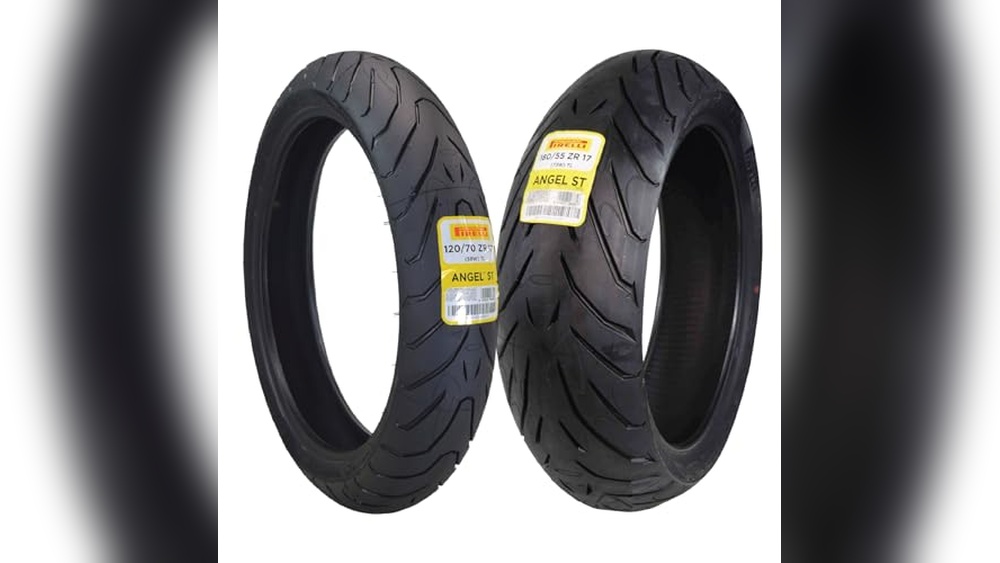
Sportbike tire durability focuses on high grip and performance. These tires provide excellent traction for fast cornering but wear out faster than other types. The average mileage for sportbike tires is usually lower due to the softer rubber compounds used.
- Average mileage: 3,000 to 7,000 miles
- Designed for maximum motorcycle tire grip on paved roads
- Regular tire maintenance tips improve tire tread life and safety
Sportbike tires wear quickly under aggressive riding and high speeds. Riders should watch for tread depth and signs of uneven wear. Below is a basic comparison of sportbike tire mileage:
| Tire Brand | Average Mileage | Grip Level |
|---|---|---|
| Brand A | 3,500 miles | High |
| Brand B | 5,000 miles | Medium-High |
| Brand C | 7,000 miles | Medium |
Cruiser Tires
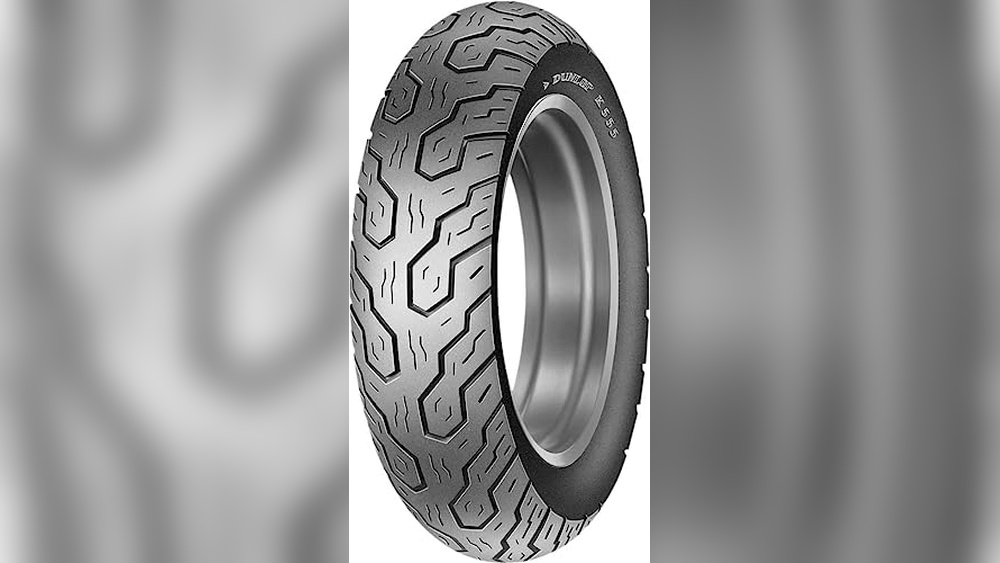
Cruiser tire mileage tends to be higher than sportbike tires. These tires use harder rubber compounds to last longer on highways and city streets. Their design prioritizes comfort and durability over extreme grip.
- Average mileage: 10,000 to 15,000 miles
- Focus on long-lasting tread life and stable handling
- Regular tire maintenance tips extend the motorcycle tire lifespan
Cruiser tires suit riders who prefer steady cruising and less aggressive riding. They resist wear from heavy loads and offer good traction on wet and dry surfaces. Below is an overview of cruiser tire mileage ranges:
| Tire Model | Average Mileage | Durability |
|---|---|---|
| Model X | 12,000 miles | High |
| Model Y | 14,000 miles | Very High |
| Model Z | 10,000 miles | Medium |
Touring Tires
Touring tire longevity is designed for long-distance rides and comfort. These tires often have reinforced sidewalls to handle heavy loads and extended highway use. Their tread compounds balance grip and durability.
- Average mileage: 12,000 to 20,000 miles
- Optimized for smooth ride and steady traction
- Proper tire maintenance tips maintain performance and safety
Touring tires last longer due to their tougher construction and tread design. They maintain grip in various weather conditions while offering a quiet ride. Here is a mileage comparison for popular touring tires:
| Brand | Average Mileage | Performance |
|---|---|---|
| Brand T1 | 15,000 miles | Balanced |
| Brand T2 | 18,000 miles | High Durability |
| Brand T3 | 20,000 miles | Long-Lasting |
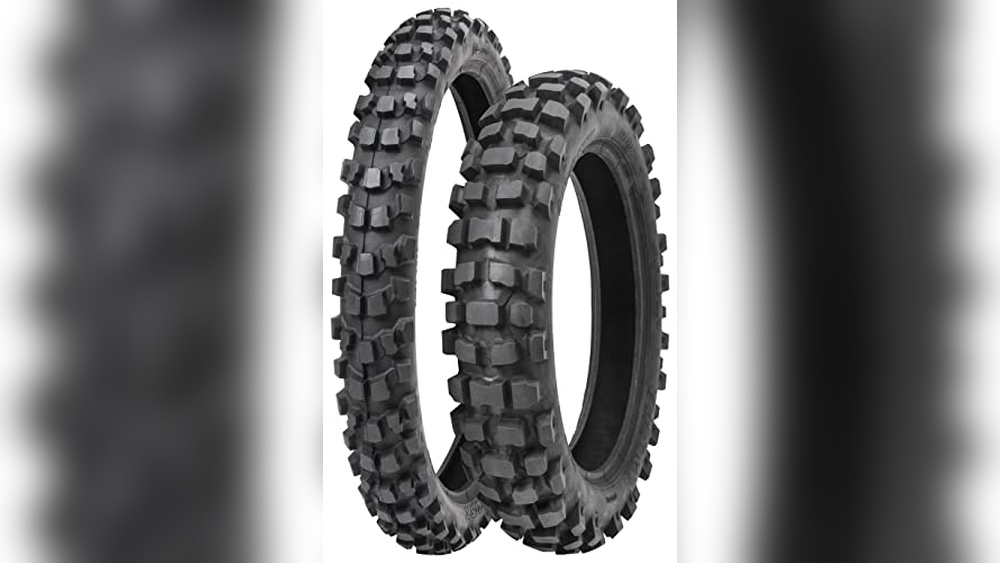
Off-road Tires
Off-road tire wear depends heavily on terrain and riding style. These tires use deep tread patterns for grip on dirt, mud, and rocks. Their rubber compounds are tougher but can wear unevenly on hard surfaces.
- Average mileage: 1,500 to 5,000 miles
- Designed for grip on rough, uneven terrain
- Tire maintenance tips help reduce rapid tread wear
Off-road tires show faster wear on asphalt but excel in mud and loose dirt. Tire tread life varies significantly with trail conditions and rider weight. Below is a quick guide to off-road tire mileage:
| Tire Type | Average Mileage | Best Terrain |
|---|---|---|
| Soft Compound | 1,500 miles | Mud, Soft Dirt |
| Medium Compound | 3,000 miles | Mixed Terrain |
| Hard Compound | 5,000 miles | Rocky, Hard Dirt |
How To Maximize Tire Life
Maximizing the life of your motorcycle tires saves money and improves safety. Tires wear down with use, but proper care extends their durability. Understanding how to maintain your tires helps you get the most mileage from them. Focus on tire pressure maintenance, regular checks, and correct storage to boost motorcycle tire lifespan. These steps also support motorcycle safety equipment by keeping tires in good condition for better grip and control on the road.
Proper Inflation Techniques
Maintaining the correct tire pressure is key to extending tire life. Proper inflation keeps tire tread depth consistent and prevents uneven wear patterns. Underinflated tires cause excess heat buildup, leading to faster wear and reduced motorcycle tire durability. Overinflated tires reduce the contact patch, affecting grip and increasing the risk of damage.
Follow these tire pressure maintenance tips:
- Check tire pressure weekly using a reliable gauge.
- Inflate tires to the manufacturer’s recommended PSI, found in the owner’s manual or on the tire sidewall.
- Adjust pressure before riding, as tires heat up and pressure rises during use.
- Use nitrogen inflation if possible, as it maintains pressure longer than air.
Proper inflation improves fuel efficiency and provides a smoother ride. It also reduces the chance of tire failure, a crucial aspect of motorcycle safety equipment. Here is a simple pressure guide:
| Type of Motorcycle | Front Tire PSI | Rear Tire PSI |
|---|---|---|
| Sport Bikes | 32-36 | 36-42 |
| Cruisers | 30-34 | 34-40 |
| Touring Bikes | 30-36 | 36-42 |
Regular Tire Inspections
Checking your tires regularly helps catch problems early and extends motorcycle tire lifespan. Inspections reveal signs of damage, such as cuts, punctures, or cracks. Tire tread depth must be monitored to maintain grip and safe handling. Worn tires reduce control and increase stopping distance, affecting motorcycle safety equipment effectiveness.
Use this checklist during inspections:
- Look for uneven tire wear patterns, which suggest misalignment or balancing issues.
- Measure tread depth using a tread depth gauge. Replace tires below 2/32 inch depth.
- Check for embedded objects like nails or glass.
- Inspect sidewalls for cracks or bulges.
- Check valve stems for leaks or damage.
Regular inspections prevent accidents and improve tire durability. Keep a tire inspection log to track wear over time. Early detection of issues saves money and ensures a safer ride.
Balancing And Alignment
Wheel balancing and tire alignment are critical for even tire wear and longer tire life. Poor tire alignment causes uneven wear patterns, reducing motorcycle tire durability. Unbalanced wheels lead to vibrations that increase tire stress and rider fatigue.
Follow these tire maintenance tips for balancing and alignment:
- Get wheels balanced whenever you install new tires or notice vibration.
- Have tire alignment checked annually or if you feel the bike pulling to one side.
- Use professional services to ensure accurate wheel balancing and tire alignment importance.
- Keep suspension and steering components in good condition to support alignment.
Proper balancing and alignment improve handling and extend motorcycle tire lifespan. These steps enhance the performance of motorcycle safety equipment by maintaining better road contact and stability.
Storage Tips
Proper tire storage best practices preserve tire quality and prevent premature aging. Tires exposed to sunlight, heat, or moisture degrade faster, reducing motorcycle tire durability. Storing tires correctly keeps rubber compounds flexible and tread depth intact.
Follow these tire storage best practices:
- Store tires in a cool, dry place away from direct sunlight.
- Keep tires off the ground using racks or pallets to prevent moisture damage.
- Avoid storing tires near chemicals, fuels, or solvents.
- If storing the motorcycle, raise it to remove weight from tires to prevent flat spots.
- Cover tires with opaque plastic to block UV rays but allow ventilation.
Good storage practices maintain tire condition and maximize motorcycle tire lifespan. Proper storage also supports tire tread depth and prevents cracking, improving overall motorcycle safety equipment performance.

Credit: www.motorcycle.com
Signs Of Tire Wear And Replacement
Understanding the signs of tire wear and replacement is crucial for every rider. Motorcycle tires face constant pressure and friction, which affect their lifespan. Regular checks help spot issues early, improving safety and performance. Knowing how to read a motorcycle tire mileage chart guides you on when to replace tires. This section explains key warning signs, so you can maintain your tires properly and avoid unexpected problems.
Tread Depth Indicators
The tire tread wear shows how much life your tire has left. Tread depth is the space between the tire grooves. It helps with traction and grip on the road. When tread wears thin, the tire cannot grip well, risking your safety.
Most tires come with tire wear indicators built into the grooves. These small bars become visible when the tread reaches the minimum safe depth, usually 1.6 mm (2/32 inch).
- Check tread depth regularly: Use a tread depth gauge or a coin test.
- Replace tires when indicators appear: This is a clear tire replacement sign.
- Monitor mileage performance: Tires may last between 8,000 to 15,000 miles depending on use.
| Tread Depth (mm) | Condition | Action |
|---|---|---|
| Above 3 mm | Good grip and safe | Continue riding, check regularly |
| 1.6 – 3 mm | Reduced grip, caution needed | Plan tire replacement soon |
| Below 1.6 mm | Unsafe, high risk of slipping | Replace tire immediately |
Following these tire maintenance tips helps extend your motorcycle tire lifespan and keeps your ride safe.
Sidewall Damage
Sidewall cracks and damage affect tire strength and safety. The sidewall is the tire’s outer wall, holding air and supporting weight. Damage here can cause blowouts or sudden air loss.
Look for these signs of damage:
- Cracks or cuts: Small cracks or deep cuts weaken the sidewall.
- Bulges or blisters: These show internal damage or weak spots.
- Dry rot: Rubber becomes brittle from age or sun exposure.
Sidewall damage does not always show on the surface but can affect tire durability factors. Even small cracks can grow with time and pressure changes.
Check sidewalls carefully during routine inspections. If you find any damage, consider it a tire replacement sign. Riding with damaged sidewalls can lead to accidents.
Proper tire pressure effects sidewall health. Over or under-inflated tires stress the sidewalls and speed up wear. Always keep your tires inflated to the recommended level.
Uneven Wear Patterns
Uneven tread wear patterns show problems with tire alignment, suspension, or inflation. Tires wearing unevenly lose grip and reduce mileage performance.
Common uneven wear patterns include:
- Center wear: Happens when tire pressure is too high, wearing the middle faster.
- Edge wear: Occurs if tire pressure is too low, causing more wear on the sides.
- Patchy wear: Caused by misalignment or suspension issues, leading to rough spots.
These patterns affect motorcycle tire lifespan and indicate the need for immediate action. Fixing tire pressure and alignment improves tire durability factors and overall safety.
Use this checklist for uneven wear:
- Check tire pressure regularly.
- Inspect tires for odd wear spots.
- Get wheel alignment and suspension checked.
- Replace tires showing uneven wear to maintain control.
Comparing Tire Brands And Models
Choosing the right motorcycle tire affects both safety and riding enjoyment. The Motorcycle Tire Mileage Chart helps riders see how different brands and models perform in real life. Comparing tire brands and models reveals important differences in tire wear comparison, tire mileage performance, and motorcycle tire lifespan. This guide breaks down options by price, performance, and user feedback. Understanding these factors helps pick tires that match riding style and budget.
Budget Vs Premium Options
Budget motorcycle tires offer a low initial cost but often sacrifice some durability. Riders who want to save money might choose these tires for casual or short rides. Premium tires come with higher prices but promise better materials and technology. This can lead to longer life and better safety.
Key differences between budget and premium tires:
- Price: Budget tires cost less upfront.
- Tire Durability Ratings: Premium tires usually score higher.
- Tire Traction And Grip: Premium tires provide better handling.
- Motorcycle Tire Maintenance: Budget tires may need more frequent checks.
| Feature | Budget Tires | Premium Tires |
|---|---|---|
| Average Mileage | 8,000 – 12,000 km | 15,000 – 25,000 km |
| Grip Quality | Moderate | High |
| Price Range | $40 – $80 | $100 – $200 |
Choose based on riding frequency and budget. Budget tires work for light use, while premium tires fit long rides and tough conditions.
Performance Vs Longevity
Performance tires focus on grip and speed. They excel in cornering and wet roads but wear out faster. Longevity tires aim for long-lasting motorcycle tires with steady grip. These tires suit touring and daily riding.
Comparing performance and longevity tires:
- Performance Tires: Better traction, quicker wear, higher cost.
- Longevity Tires: Longer life, moderate grip, cost-effective.
| Type | Tire Mileage Performance | Tire Traction And Grip | Best For |
|---|---|---|---|
| Performance | 8,000 – 10,000 km | Excellent | Sport and aggressive riding |
| Longevity | 18,000 – 25,000 km | Good | Commuting and touring |
Riders must balance speed and grip against how long tires last. Regular motorcycle tire maintenance helps get the best from either type.
User Reviews And Ratings
User tire reviews provide real-world insights on tire durability and performance. Reviews highlight common issues like uneven wear or poor wet traction. Ratings help compare tire durability ratings and satisfaction levels.
Points found in user feedback:
- How long tires last under different conditions.
- Performance on dry and wet roads.
- Comfort and noise levels.
- Value for money versus expected lifespan.
Many riders share experience with budget motorcycle tires lasting less than claimed. Premium tires often receive praise for consistent grip and longer mileage.
Checking user reviews helps avoid poor choices. Look for trends in comments about wear patterns and grip. This supports informed decisions about motorcycle tire maintenance and replacement timing.
Credit: www.lowbrowcustoms.com

Credit: www.southbayriders.com
FAQs For Motorcycle Tire Mileage Chart
What Factors Affect Motorcycle Tire Mileage?
Tire mileage depends on tire type, riding style, road conditions, and tire maintenance. Proper inflation and regular checks extend tire life significantly.
How Long Do Motorcycle Tires Typically Last?
Motorcycle tires usually last between 10,000 to 20,000 miles. Sport tires wear faster, while touring tires offer longer mileage.
Can Tire Pressure Impact Mileage?
Yes, incorrect tire pressure reduces mileage and tire lifespan. Maintaining recommended pressure improves fuel efficiency and tire durability.
How Often Should Motorcycle Tires Be Replaced?
Replace tires when tread depth reaches 2/32 inch or signs of damage appear. Regular inspection ensures safety and optimal mileage.
Conclusion
Tire mileage depends on many factors like road and riding style. Check your tire chart to pick the best option. Good tires help you ride safer and longer. Change tires when the tread gets low or worn out. Regular care keeps your bike running smooth and steady.
Remember, smart tire choices save money and improve your ride. Keep an eye on tire health for better trips ahead.