When Should You Replace Motorcycle Tires: Essential Safety Tips

Your motorcycle tires are the only part that touches the road, so their condition affects your safety more than anything else. But how do you know when it’s time to replace them?
Riding on worn-out tires can lead to poor grip, longer stopping distances, and even dangerous accidents. You might think your tires still look fine, but hidden signs could mean they’re ready for a change. Keep reading to learn the key signs that tell you exactly when to replace your motorcycle tires—and how doing it at the right time can keep you safer and your ride smoother.
Signs Of Tire Wear
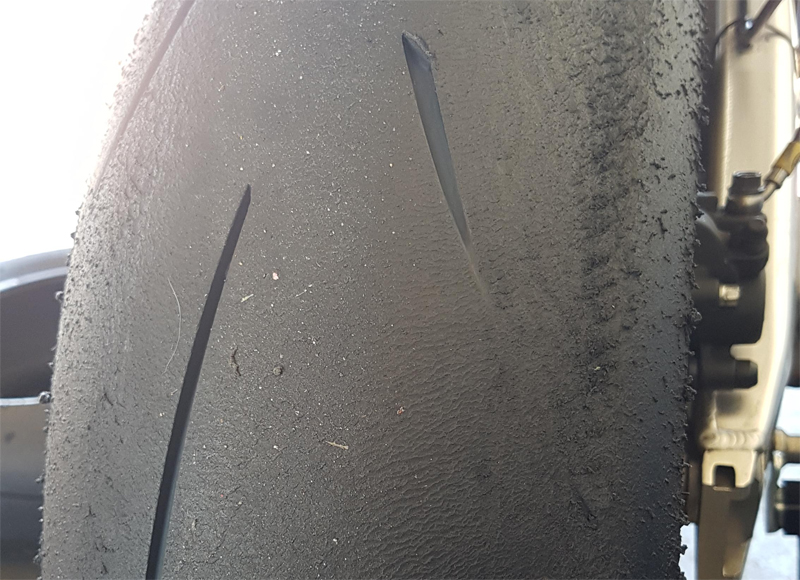
Motorcycle tires wear down over time and affect your bike’s safety and performance. Knowing the signs of tire wear helps you decide when to change tires. Regular tire safety inspection can reveal problems before they become dangerous. Look for clear clues like low tread, cracks, or uneven wear. These signs mean it’s time for motorcycle tire replacement. Understanding tire wear indicators keeps you safe on the road and improves your bike’s handling.
Tread Depth Limits
Tire tread depth is one of the easiest ways to check tire health. The tread grips the road and helps prevent slipping, especially on wet surfaces. When the tread wears down, the risk of accidents rises sharply.
Most motorcycle tires have tire wear indicators molded into the tread grooves. These small bars show when tread depth is too low. The minimum safe tread depth is usually around 1 to 2 millimeters. Below this, tires lose grip and must be replaced.
- Use a tread depth gauge or a coin to measure the grooves.
- Check multiple spots on the tire to spot uneven wear.
- Replace tires before tread reaches the wear indicators.
| Tread Depth (mm) | Condition | Action |
|---|---|---|
| Above 3 mm | Good | Safe for riding |
| 2 – 3 mm | Warning | Plan for replacement soon |
| Below 2 mm | Unsafe | Replace immediately |
Maintaining proper tread depth is key to motorcycle tire lifespan. Check regularly as part of your tire maintenance tips.
Visible Cracks And Damage
Cracked motorcycle tires show clear signs of aging or damage. Cracks can appear on the sidewalls or tread surface. They happen due to weather, heat, or long storage without use.
Small cracks weaken the tire structure and may cause blowouts. Look for these tire damage signs during your tire safety inspection:
- Fine lines or splits on the rubber surface
- Chunks missing from the tire edges
- Bulges or bubbles on the sidewall
- Hard, dry, or brittle rubber texture
Cracks often mean the tire is past its safe life, even if tread looks okay. Riding on damaged tires risks safety and control. Replace cracked tires promptly to avoid accidents.
Store tires properly to reduce cracking: keep them out of direct sunlight and avoid extreme temperatures. Following these tire maintenance tips extends tire life and keeps cracks at bay.
Uneven Wear Patterns
Uneven tire wear shows as inconsistent tread depth across the tire surface. It signals problems with your bike’s setup or riding habits. Uneven wear can shorten motorcycle tire lifespan and reduce grip.
Common causes of uneven wear include:
- Incorrect tire pressure – low or high pressure wears tires unevenly.
- Misaligned wheels – cause one side to wear faster.
- Suspension problems – lead to irregular contact with the road.
- Aggressive cornering or braking – wear certain parts of the tire more.
Signs of uneven wear:
- One side of the tire is smoother than the other
- Center tread wears faster than edges or vice versa
- Feathering or cupping patterns on the tread
Check tires regularly and correct issues with bike setup. Keep tire pressure within recommended limits for even wear. These tire maintenance tips improve safety and help decide when to change tires.

Credit: www.youtube.com
Impact Of Tire Age
The impact of tire age on motorcycle safety and performance is often overlooked. Even if the tread looks good, old tires can pose serious risks. Over time, the rubber compounds break down and lose their ability to grip the road properly. This decline affects tire performance, leading to longer stopping distances and less control. Understanding the tire age limit is crucial for any rider to know when to replace motorcycle tires safely.
Recommended Tire Lifespan
Most motorcycle tires have a recommended lifespan that manufacturers suggest for optimal safety. Generally, the tire lifespan indicators point to around 5 to 6 years from the manufacture date. This timeframe assumes average riding conditions and proper tire maintenance tips are followed.
Here are key points to consider about tire age:
- Check the DOT code: This code on the tire sidewall shows the production week and year.
- Store tires properly: Avoid heat and sunlight to slow rubber aging.
- Regular inspections: Look for signs of tire damage like cracks or hardening.
| Years Since Manufacture | Recommended Action |
|---|---|
| 0-3 Years | Good condition, normal use |
| 4-6 Years | Inspect closely, consider replacement |
| 6+ Years | Replace regardless of appearance |
Ignoring the tire age can reduce tire safety. Even new tires stored for many years can lose effectiveness. Always combine age checks with tire tread wear and pressure monitoring for a full safety picture.
Effects Of Aging Rubber
Rubber in motorcycle tires changes as it ages. Rubber degradation lowers grip and flexibility. This process happens even if tires are unused. Over time, the rubber hardens and cracks appear, reducing the tire’s ability to absorb shocks.
Signs of aging rubber include:
- Fine cracks on sidewalls and tread
- Hard or brittle feel when pressed
- Loss of elasticity and traction
These changes impact tire performance significantly. Harder rubber means less grip on wet or uneven surfaces. It also increases the risk of sudden tire failure. This is why motorcycle tire replacement based on age is vital.
Other factors that speed up rubber aging:
- Exposure to sunlight and UV rays
- High or low temperatures
- Improper tire pressure impact causing stress on the rubber
Regular tire maintenance tips help delay these effects. Check tire pressure often and avoid long storage in hot places. Look for signs of tire damage to catch problems early. Aging tires reduce overall tire safety and can make riding dangerous.
Performance Indicators
Knowing when to replace motorcycle tires is crucial for safe riding. Performance indicators reveal the condition of your tires and help prevent accidents. Monitoring these signs ensures the tires maintain good grip and control. Understanding key indicators like reduced traction, handling issues, and increased vibration can guide timely tire replacement. These factors affect motorcycle tire safety and influence the motorcycle tire lifespan. Regular checks on tire tread depth and tire sidewall cracks support better decisions for tire care. Proper tire maintenance tips help avoid sudden failures and keep your ride smooth.
Reduced Traction
Reduced traction is a clear sign your tires need attention. Tires lose grip over time due to wear and environmental factors. Low tire tread depth means less contact with the road, increasing slip risks. This affects braking, cornering, and overall control.
- Worn-out tread patterns reduce water dispersion, causing hydroplaning.
- Cracks on the tire sidewall weaken the tire structure and cause grip loss.
- Old tires harden, reducing flexibility and surface contact.
Check the motorcycle tire wear indicators embedded in the tread grooves. When these indicators become flush with the tread surface, it signals the need for replacement. Maintaining correct tire pressure also impacts traction. Underinflated tires wear unevenly and lose grip faster.
| Factor | Effect on Traction |
|---|---|
| Tire Tread Depth | Less tread reduces grip on wet or slippery roads |
| Tire Sidewall Cracks | Weakens tire, causing grip loss and potential blowouts |
| Tire Pressure Impact | Improper pressure leads to uneven wear and lower traction |
Monitoring these signs regularly helps maintain safe riding conditions.
Handling Issues
Handling problems often signal tire wear or damage. Tires affect balance, steering, and stability. When tires lose shape or grip, you feel difficulty controlling the motorcycle.
- Uneven tire wear makes the bike pull to one side.
- Flat spots or bald patches cause jerky movements.
- Cracks or bulges on the tire surface weaken structural integrity.
Good tire condition supports smooth turns and quick response. Poor handling can increase accident risk, especially at high speeds or sharp corners. Tire age also matters; old tires lose elasticity affecting handling.
Review these common signs:
- Steering feels heavy or less responsive.
- Bike vibrates or wobbles during turns.
- Visible tire deformities or damage.
Following tire maintenance tips such as checking tire pressure impact and inspecting tread wear enhances ride quality. Replace tires once handling issues start to appear to maintain motorcycle tire safety.
Increased Vibration
Increased vibration while riding often points to tire problems. Tires worn unevenly or damaged cause instability and shaking. This vibration can affect comfort and control.
Common causes include:
- Unbalanced tires or wheels.
- Uneven tread wear or flat spots.
- Damaged tire sidewalls with cracks or bulges.
- Incorrect tire pressure leading to uneven contact.
Ignoring vibrations can lead to faster tire damage and unsafe riding conditions. Regularly check for these signs to spot tire replacement signs early.
Use this checklist to reduce vibration risks:
| Action | Benefit |
|---|---|
| Inspect tire sidewalls for cracks | Detects structural weaknesses |
| Check and adjust tire pressure | Ensures even wear and smooth ride |
| Balance tires regularly | Reduces vibration and extends tire life |
Following these steps protects your tires and ensures a safer, more comfortable ride.
Riding Conditions And Usage
Knowing when to replace motorcycle tires depends a lot on riding conditions and usage. Different ways of riding wear tires in different ways. The type of roads, distance traveled, and weather all affect how fast tires wear out. Paying attention to these factors helps you spot tire replacement signs early. This keeps your bike safe and riding smooth.
Frequent Off-road Riding
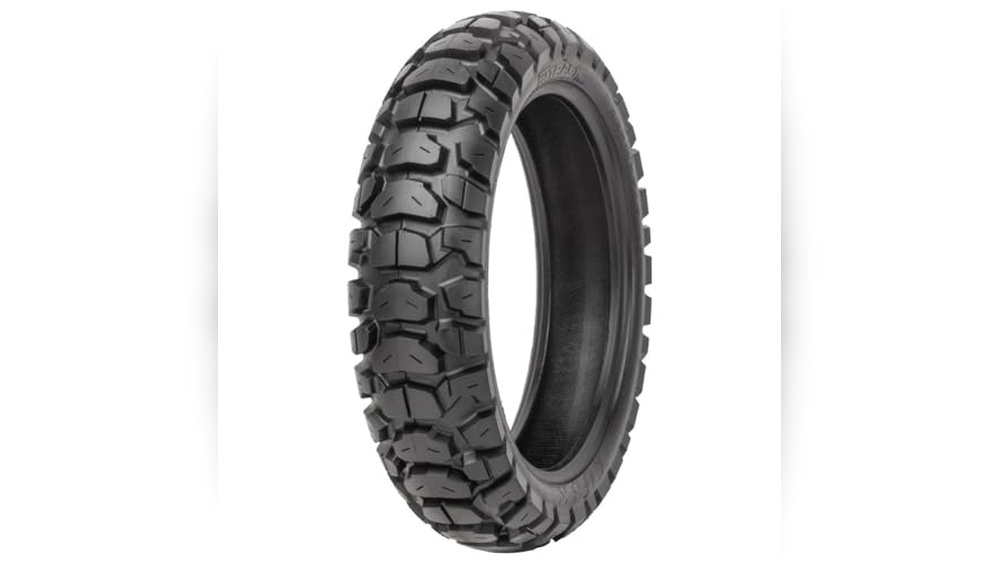
Off-road motorcycle tire durability is tested more than street tires. Riding on dirt, rocks, and mud wears tires faster. The rough surfaces cause cuts, punctures, and faster tread loss. Off-road tires also face more impacts, which can damage the tire structure.
Check these points for off-road riders:
- Inspect tire tread depth measurement often. Off-road tires lose tread quickly.
- Look for cracks or cuts in the tire sidewalls.
- Check for punctures or embedded debris after each ride.
- Use tires made for off-road use; street tires wear out too fast on rough terrain.
| Factor | Off-Road Tires | Street Tires |
|---|---|---|
| Tread Wear Rate | High | Moderate |
| Damage Risk | High (cuts, punctures) | Low to Moderate |
| Maintenance Frequency | Frequent | Regular |
Strong motorcycle tire maintenance keeps off-road tires lasting longer. Check tire pressure and clean tires after each ride. Replace tires sooner if you see deep cuts or worn tread.
High Mileage Considerations
High mileage motorcycle tires face wear from long distances. Tread wears down gradually, reducing grip and safety. Regular checks of motorcycle tire wear indicators help spot when tread is too low.
Signs of high mileage tire wear include:
- Shallow tread depth below legal limits.
- Bald spots or uneven wear patterns.
- Increased risk of punctures.
- Loss of traction on wet roads.
| Usage Type | Average Tire Lifespan (miles) |
|---|---|
| City/Street Riding | 8,000 – 12,000 |
| Highway Riding | 12,000 – 15,000 |
| Mixed Use | 10,000 – 13,000 |
Rotate tires if possible and maintain proper tire pressure. These steps extend tire life. Replace tires once tread wears near the wear indicators or the tire ages beyond safe limits.
Climate And Storage Effects
Climate impact on motorcycle tires changes how long tires last. Heat, cold, and moisture cause tire aging effects. Tires stored in bad conditions degrade faster. This affects the rubber and structure.
Important points on tire storage conditions:
- Avoid storing tires in direct sunlight or extreme heat.
- Keep tires in a cool, dry place to reduce rubber cracking.
- Prevent exposure to ozone and chemicals that damage tires.
- Check tires regularly for signs of aging such as cracks or hardening.
Climate impacts include:
- Hot climates speed up rubber breakdown.
- Cold climates can make tires brittle and prone to cracking.
- Humidity causes moisture absorption, weakening tires.
Proper storage and climate awareness help maintain tire safety and performance. Replace tires if you see cracks, dry rot, or other tire replacement signs due to aging, even if tread looks fine.
Safety Risks Of Old Tires
Riding a motorcycle with old tires poses serious safety risks. Tires wear out over time, losing grip and traction essential for safe handling. Ignoring tire age limits and tire replacement signs can lead to dangerous situations on the road. Proper tire maintenance tips, such as regular tire pressure monitoring and checking tire tread depth, help detect problems early. Old tires experience tire performance degradation, increasing the chance of accidents. Understanding the safety risks of old tires protects riders from unexpected failures.
Risk Of Blowouts
A blowout happens when a tire suddenly loses air pressure, causing loss of control. Old tires are more likely to blow out because of tire sidewall damage and weakened rubber. Over time, exposure to sun and heat causes cracks and dry rot. These signs often show in motorcycle tire wear indicators or visible cracks on the tire surface.
Common causes of blowouts in old tires:
- Cracked or dry rot on sidewalls
- Worn-out tread depth below safe limits
- Improper tire pressure monitoring leading to underinflated tires
- Hidden punctures or cuts
Blowouts can cause sudden wobbling or loss of balance. This risk increases at high speeds or sharp turns. Maintaining tire pressure and regularly inspecting tires for damage helps prevent blowouts.
| Factor | Impact on Blowouts | Prevention |
|---|---|---|
| Tire Age Limits | Rubber hardens, cracks form | Replace tires every 5-6 years |
| Tire Tread Depth | Less grip, higher heat buildup | Maintain minimum 2/32 inch depth |
| Tire Sidewall Damage | Weak spots prone to rupture | Inspect for cracks and bulges |
| Tire Pressure Monitoring | Low pressure increases stress | Check pressure before every ride |
Hydroplaning Hazards
Hydroplaning happens when tires lose contact with the road due to water. Old tires with worn tread depth cannot channel water away effectively. This causes slipping and loss of motorcycle handling safety. Tire performance degradation reduces grip and traction, especially on wet surfaces.
Factors increasing hydroplaning risk:
- Shallow or uneven tire tread depth
- Low tire pressure reducing tire contact area
- Hard, cracked tire rubber from age
- Poor tire maintenance tips like skipping inspections
Riders must watch for tire replacement signs such as tread wear below 2/32 inch or visible tire sidewall damage. Proper tire pressure monitoring improves tire grip on wet roads. New tires with deep tread grooves provide better water evacuation, reducing hydroplaning chances.
| Condition | Effect on Hydroplaning | Recommended Action |
|---|---|---|
| Worn Tread Depth | Water cannot escape, tires skid | Replace tires when tread is low |
| Low Tire Pressure | Less surface contact, more slip | Maintain recommended pressure |
| Aged Tire Rubber | Hard, less flexible tread | Observe tire age limits strictly |
| Ignoring Maintenance | Hidden damage, poor grip | Follow regular tire maintenance tips |
Tips For Tire Maintenance
Knowing when to replace motorcycle tires is crucial for safe riding. Proper tire maintenance extends tire life and improves performance. Follow simple steps to keep tires in top condition. Tire care includes checking tread, pressure, balance, and alignment. These steps help spot tire aging signs early and avoid accidents. Below are key tips for tire maintenance that every rider should follow.
Regular Inspections
Performing motorcycle safety checks regularly helps detect problems early. Inspect tires before every ride. Look for:
- Tire tread depth to ensure enough grip and traction.
- Puncture and damage detection such as cuts, cracks, or embedded objects.
- Tire replacement intervals recommended by manufacturers.
- Signs of uneven wear indicating alignment or balance issues.
- Visible motorcycle tire wear indicators in the tread grooves.
Use a tread depth gauge or a coin to measure tread. Replace tires if tread is below 1-2 mm. Check sidewalls for cracks or bulges. These indicate weakened tires that may fail. Keep a log of inspections to track tire aging signs. Early detection reduces the risk of blowouts.
| Inspection Item | What to Check | Action Needed |
|---|---|---|
| Tire Tread Depth | Minimum 1-2 mm depth | Replace if below limit |
| Sidewall Condition | Cracks, bulges, cuts | Replace if damaged |
| Embedded Objects | Nails, glass, stones | Remove or repair promptly |
Proper Inflation
Tire pressure maintenance keeps tires safe and efficient. Check tire pressure at least once a week and before long rides. Use a reliable pressure gauge. Inflate tires to the pressure recommended by the motorcycle manual. Correct pressure improves tire grip and traction.
Underinflated tires cause poor handling and increase wear. Overinflated tires reduce the contact patch and cause uneven wear. Both conditions raise the risk of accidents.
Follow this simple pressure check routine:
- Check pressure when tires are cold.
- Compare with recommended psi values.
- Adjust pressure using an air pump.
- Recheck pressure after inflation.
Maintaining proper inflation also helps spot slow leaks or punctures early. Tire pressure affects fuel efficiency and tire life. Use this table to keep track:
| Pressure Condition | Effect on Tires | Risk Level |
|---|---|---|
| Underinflated | Increased wear on edges, poor traction | High |
| Properly Inflated | Optimal grip, even wear, better fuel economy | Low |
| Overinflated | Wear on center, harsh ride, less contact | Medium |
Balancing And Alignment
Tire balancing importance is often overlooked. Balanced tires prevent vibrations and reduce uneven wear. Have tires balanced when installing new ones. Balancing weights are added to the rim to distribute weight evenly.
Wheel alignment effects also influence tire life. Misaligned wheels cause uneven tread wear and poor handling. Check alignment regularly or if the bike pulls to one side.
Signs of poor balancing and alignment:
- Vibrations at certain speeds
- Uneven tread wear
- Pulling to one side while riding
Proper balancing and alignment improve safety, comfort, and tire durability. Visit a trusted mechanic for these checks. Combining these with regular inspections and tire pressure maintenance ensures tires last longer and perform better.
Choosing The Right Replacement
Choosing the right replacement for motorcycle tires is essential for safety and performance. Proper tires improve grip, handling, and ride comfort. Selecting tires that fit your bike and riding style helps maintain control and reduces risks on the road. Pay attention to tire tread depth, tire sidewall damage, and tire age and replacement recommendations to avoid accidents. Understanding how different tires work makes choosing motorcycle tires easier and smarter.
Matching Tire Type To Riding Style
Different motorcycles and riding styles need specific tire types. For example, touring motorcycle tires offer durability and comfort for long trips. They have deeper tread patterns and last longer. Sportbike riders require tires with excellent grip and performance for quick turns and high speeds. These sportbike tire types have softer rubber for better traction but wear out faster.
Consider these points when matching tire type to riding style:
- Touring Tires: Focus on longevity and comfort. Ideal for long rides and highway use.
- Sportbike Tires: Offer high grip, quick response, and excellent cornering abilities.
- Dual-Sport Tires: Balance between on-road and off-road use, providing versatility.
- Off-Road Tires: Designed for dirt, mud, and uneven surfaces with aggressive tread patterns.
Use the table below to compare key features:
| Tire Type | Best For | Tread Depth | Performance | Lifespan |
|---|---|---|---|---|
| Touring | Long-distance road rides | Deep | Comfort and stability | High |
| Sportbike | High-speed, sharp turns | Shallow | Grip and agility | Moderate |
| Dual-Sport | Mixed on/off-road | Medium | Versatility | Moderate |
| Off-Road | Rough terrain | Very deep | Traction on dirt | Low |
Maintaining correct tire pressure maintenance also helps tires perform well. Check pressure regularly for safety and longer tire life. Proper tire selection paired with good maintenance ensures safer rides and better control.
Selecting Quality Brands
Choosing quality brands affects motorcycle tire safety and performance. Top brands invest in research to improve rubber compounds and tread designs. This leads to better tire grip and performance and longer durability. Cheap tires may wear out fast or fail under stress, risking accidents.
Focus on these when selecting tire brands:
- Reputation: Trusted brands have proven records for safety and quality.
- Warranty: Good brands offer warranties for defects and wear issues.
- Reviews: Check user feedback for real-world tire performance.
- Availability: Ensure the brand’s tires fit your motorcycle model.
Here are some well-known motorcycle tire brands and their strengths:
| Brand | Key Features | Ideal Use |
|---|---|---|
| Michelin | Durability, excellent wet grip | Touring, sport, dual-sport |
| Bridgestone | Balanced performance, good tread life | Sportbike, touring |
| Pirelli | High grip, race-inspired designs | Sportbike, racing |
| Continental | Reliable traction, safety features | Touring, sport |
Check tires for motorcycle tire wear indicators. These small marks show when tread depth is low. Replace tires once indicators appear to avoid risks. Regular inspections for tire sidewall damage and cracking from tire age and replacement guidelines also keep rides safe.
Credit: lifeatlean.com

Credit: www.youtube.com
FAQs For When Should You Replace Motorcycle Tires
When Is The Best Time To Replace Motorcycle Tires?
Replace motorcycle tires when tread depth reaches 1/32 inch or less. Also, change tires if you notice cracks, bulges, or uneven wear. Regularly inspect tires every 3,000 miles or six months. Proper timing ensures safety and optimal bike performance.
How Do I Know If Motorcycle Tires Are Worn Out?
Check tire tread depth using a gauge or tread wear indicators. Look for cracks, punctures, or sidewall damage. Uneven wear or vibrations during rides also signal tire replacement. Timely detection helps prevent accidents and improves handling.
Can Old Motorcycle Tires Be Unsafe To Ride?
Yes, old tires lose grip and flexibility over time. Rubber hardens, reducing traction and increasing crash risk. Manufacturers recommend replacing tires every 5-6 years, regardless of tread condition. Safety depends on tire age and condition.
Does Tire Pressure Affect Motorcycle Tire Lifespan?
Maintaining correct tire pressure prevents uneven wear and improves tire life. Overinflated or underinflated tires wear out faster and reduce handling. Regularly check pressure before rides using the manufacturer’s recommended PSI for best results.
Conclusion
Riding safely means checking your tires often. Worn or damaged tires can cause accidents. Replace tires when tread is low or cracks appear. Age also matters—tires older than five years may fail. Don’t wait for problems; act early to avoid risks.
Good tires improve grip and control on the road. Keep your motorcycle in top shape for every ride. Safety starts with your tires. Stay alert, ride smart, and change tires on time.