Ryobi 18V Battery Wont Charge

Is your Ryobi 18V battery refusing to charge when you need it most? It’s frustrating, especially if your tools suddenly stop working in the middle of a project.
You might be wondering if the battery is dead, the charger is broken, or if there’s something else going on. Don’t worry—you’re not alone, and there are simple steps you can take to fix this issue. Keep reading to find out how to get your Ryobi battery charging again quickly and easily.
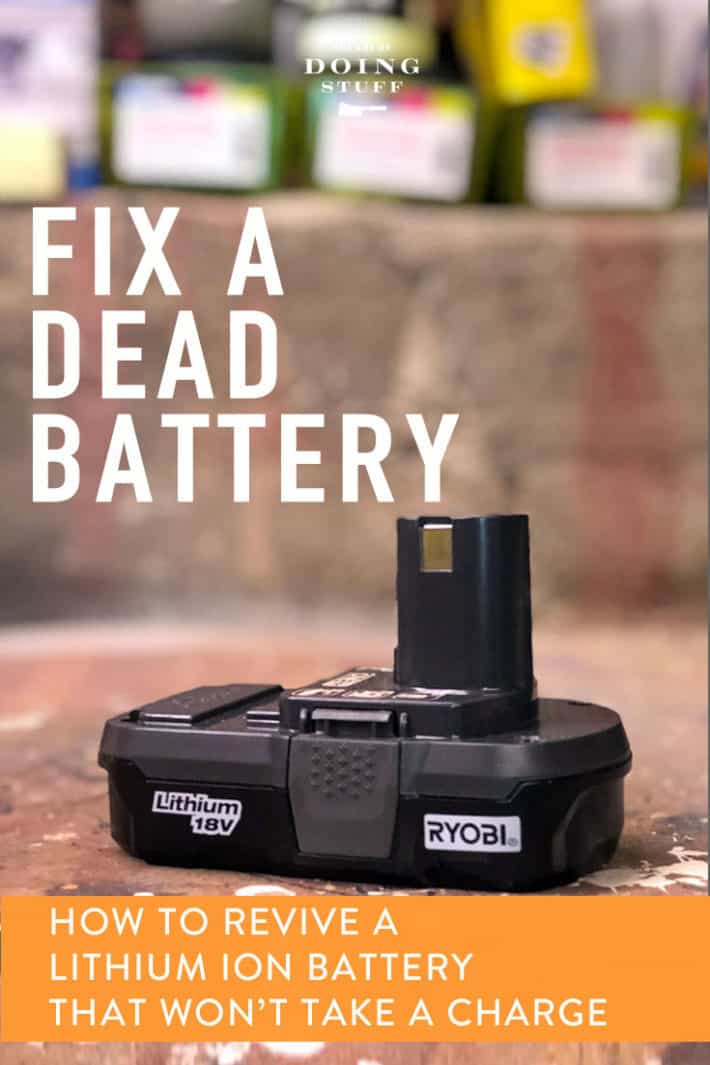
Credit: www.theartofdoingstuff.com
Common Causes
Ryobi 18V batteries sometimes fail to charge. Several common reasons cause this issue. Understanding these helps to fix the problem quickly. Check each possible cause carefully to identify the root.
Battery Age And Wear
Batteries lose power over time. Old batteries hold less charge. They may stop charging completely. Frequent use speeds up battery wear. Replace batteries older than two years for best results.
Charger Issues
A faulty charger can stop the battery from charging. Damaged cords or broken connectors affect power flow. Chargers may overheat and shut down. Use a different charger to test the battery charge.
Dirty Battery Contacts
Battery contacts carry the electrical current. Dirt, dust, or rust blocks the connection. Clean the contacts with a dry cloth or soft brush. Avoid using water or liquids on contacts.
Extreme Temperatures
Very hot or cold weather harms battery performance. Cold drains battery power faster. Heat can damage internal cells. Charge batteries in normal room temperature for best results.
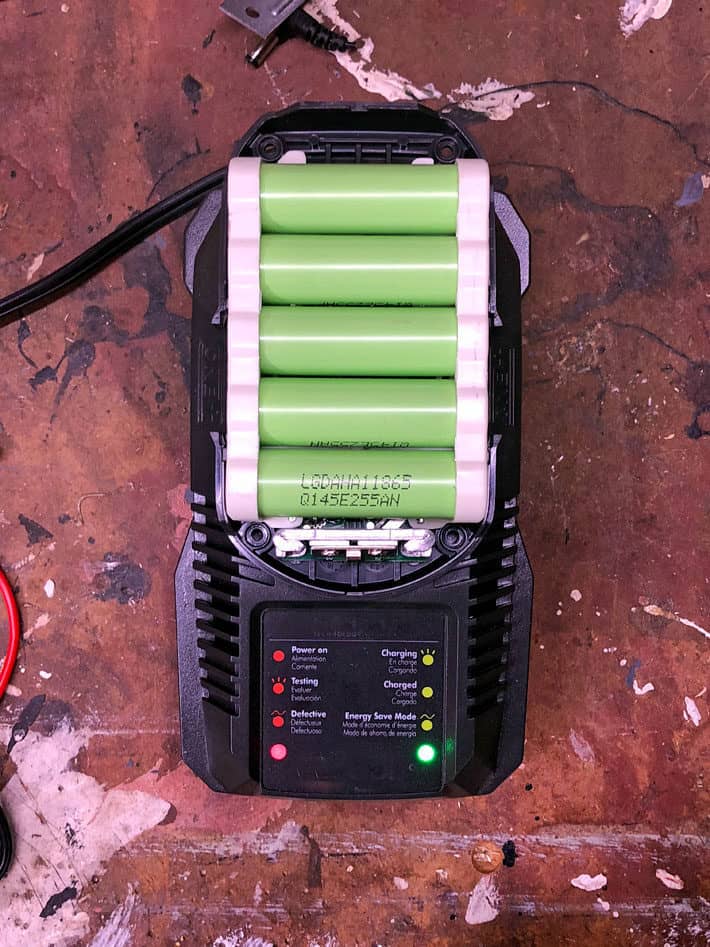
Credit: www.theartofdoingstuff.com
Troubleshooting Steps
Troubleshooting your Ryobi 18V battery can save time and money. Start by checking simple issues. Many problems have easy fixes. Follow these steps carefully to identify the cause of the charging issue.
Inspecting The Battery
Look closely at the battery for damage. Cracks, leaks, or swelling mean the battery is bad. Check the battery’s age. Older batteries may lose the ability to charge well. If the battery looks fine, try the next step.
Testing The Charger
Use a different charger if possible. A faulty charger cannot charge any battery. Check the charger’s lights. No lights or blinking lights can mean a charger problem. Make sure the charger is plugged into a working outlet.
Cleaning Contacts
Dirty contacts stop the battery from charging properly. Use a dry cloth to clean the metal parts. Remove dust, dirt, or rust gently. Clean both battery and charger contacts. Good contact helps the battery charge faster.
Resetting The Battery
Some Ryobi batteries have a reset feature. Remove the battery from the charger. Press and hold the battery’s power button for 10 seconds. Release and put the battery back on the charger. This can fix simple charging errors.
Battery Maintenance Tips
Maintaining your Ryobi 18V battery properly helps it last longer and charge better. Batteries need care to avoid damage and keep their power. Follow simple tips to keep the battery healthy and working well.
Proper Storage
Store the battery in a cool, dry place. Avoid areas with high heat or cold. Extreme temperatures can damage the battery cells. Keep the battery away from direct sunlight. Remove the battery from the tool if not in use for a long time. Store the battery at about 40-60% charge to protect its life.
Regular Usage
Use the battery often to keep it active. Batteries that sit unused can lose their charge. Run the battery down and recharge it regularly. This helps keep the cells balanced and healthy. Avoid leaving the battery empty for long periods. Regular use prevents loss of capacity and poor charging.
Avoiding Overcharging
Do not leave the battery on the charger too long. Overcharging can cause overheating and damage the battery. Use a charger designed for Ryobi 18V batteries only. Remove the battery once it reaches full charge. This keeps the battery safe and extends its life. Always follow the charger instructions carefully.

Credit: www.youtube.com
When To Replace The Battery
Knowing when to replace your Ryobi 18V battery saves time and effort. A bad battery affects tool performance and causes frustration. Early replacement keeps your tools working smoothly. Watch for clear signs that the battery no longer holds a charge well. Choose the right replacement to match your tool’s needs and avoid future problems.
Signs Of Battery Failure
The battery won’t charge fully or loses power fast. The tool stops working suddenly during use. Battery feels hot or swollen after charging. Charging light blinks or does not turn on. Battery does not fit securely in the charger or tool. These signs show the battery is failing and needs replacement.
Choosing The Right Replacement
Pick a battery made for Ryobi 18V tools. Check voltage and amp-hour ratings match the old battery. Buy from trusted sellers to avoid fake or low-quality batteries. Use batteries with good reviews and warranty for safety. Proper replacement ensures your tool runs well and lasts longer.
Preventing Future Charging Problems
Preventing future charging problems helps keep your Ryobi 18V battery working well. Simple care steps extend battery life and save money. Avoid common mistakes that cause battery damage. Follow easy tips to keep your battery ready for use.
Using Compatible Chargers
Always use chargers designed for Ryobi 18V batteries. Chargers made for other models may harm the battery. Using the right charger ensures proper voltage and current. This helps the battery charge safely and fully. Avoid cheap or knockoff chargers that can cause damage. Check the charger label for compatibility before use.
Avoiding Extreme Conditions
Keep batteries away from very hot or cold places. Extreme heat can cause battery overheating and damage. Cold temperatures reduce battery capacity and slow charging. Store batteries in a cool, dry place at room temperature. Avoid leaving batteries in direct sunlight or inside a hot car. Proper storage protects battery cells and improves performance.
Frequently Asked Questions
Why Won’t My Ryobi 18v Battery Charge Properly?
Your Ryobi 18V battery may not charge due to dirty terminals, a faulty charger, or battery age. Clean contacts and test the charger. Replace the battery if it no longer holds a charge.
How To Fix A Ryobi 18v Battery That Won’t Charge?
Try cleaning the battery and charger contacts with a dry cloth. Check for charger damage. Reset the battery by removing and reinserting it. If it still won’t charge, consider replacing the battery.
Can A Ryobi 18v Battery Be Revived If Dead?
Sometimes, deeply discharged batteries can be revived by slow charging or using a compatible charger. However, if the battery is old or damaged, replacement is often necessary.
What Causes Ryobi 18v Battery Charging Issues?
Charging problems often stem from dirty terminals, incompatible chargers, extreme temperatures, or battery wear. Regular maintenance and proper storage can prevent these issues.
Conclusion
A Ryobi 18V battery that won’t charge can cause frustration. Check the charger and battery contacts for dirt or damage. Ensure the charger is plugged in correctly and working. Sometimes, letting the battery cool down helps. Try using another charger if available.
Batteries have a limited life and may need replacement. Regular care extends battery life and performance. Small steps can solve most charging problems quickly. Stay patient and follow these tips to keep your tools ready.