Can I Charge A Lithium Battery With A Normal Charger

Are you wondering if you can charge your lithium battery with a normal charger? It’s a question many people ask, especially when they’re in a hurry or don’t have the right charger on hand.
Using the wrong charger might seem like a simple shortcut, but it can affect your battery’s life or even cause damage. You’ll discover exactly what happens when you use a regular charger, the risks involved, and the best way to keep your lithium battery safe and working longer.
Keep reading to protect your devices and avoid costly mistakes.
Basics Of Lithium Batteries
Lithium batteries power many devices today. They store energy in a small, light form. These batteries last longer than many older types. Their performance depends on how you charge and use them.
Understanding lithium batteries helps you use them safely. It also ensures they work well for a long time. Let’s explore the main types and their charging needs.
Lithium Battery Types
There are several types of lithium batteries. The most common are Lithium-ion (Li-ion) and Lithium Polymer (LiPo). Li-ion batteries are in phones and laptops. They offer high energy and long life.
LiPo batteries are lighter and flexible. They are used in drones and RC cars. Each type has different shapes and sizes. Their chemistry affects how they charge and discharge.
Charging Requirements
Lithium batteries need special chargers. They require a constant current and constant voltage. Charging too fast or too slow can harm them. Overcharging leads to overheating and damage.
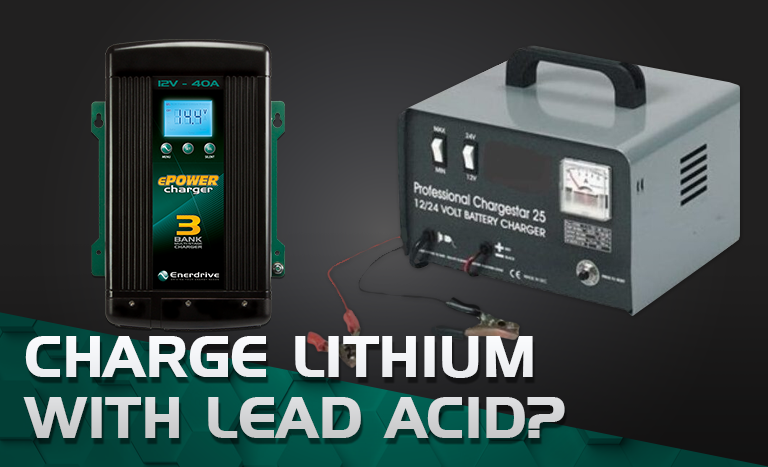
Normal chargers for other batteries often lack this control. They might not stop charging at the right time. This can reduce battery life or cause safety risks. Use chargers made for lithium batteries only.
Credit: enerdrive.com.au
Normal Chargers Explained
Normal chargers are common devices used to power many gadgets. They supply electrical energy to batteries or devices. These chargers are designed for standard battery types like nickel-cadmium (NiCd) or nickel-metal hydride (NiMH). They do not always match the needs of lithium batteries. Understanding normal chargers helps you see why.
Normal chargers come in different forms. Each type offers specific voltage and current levels. These factors affect how well a battery charges. Using the wrong charger can damage the battery or reduce its life. Let’s explore the types and output of normal chargers.
Types Of Standard Chargers
Standard chargers include wall adapters, USB chargers, and simple plug-in units. Wall adapters plug into power sockets and provide a fixed voltage. USB chargers connect to computers or power banks and offer lower power. Simple plug-in chargers often charge batteries slowly and lack smart control features. These chargers work well with older battery types but may not suit lithium batteries.
Voltage And Current Output
Voltage is the electrical pressure that pushes current into the battery. Normal chargers usually offer fixed voltage matching older batteries. Current output controls how fast the battery charges. Too high current can overheat batteries. Too low current causes slow charging. Lithium batteries need precise voltage and current control to stay safe and last longer. Normal chargers often lack this control, leading to poor performance or danger.
Risks Of Using Normal Chargers
Using a normal charger to charge a lithium battery can cause serious problems. These chargers are not made for lithium batteries. This mismatch creates risks that can harm the battery and the user. Understanding these risks helps you protect your device and yourself.
Normal chargers do not control voltage and current properly. Lithium batteries need precise charging to stay safe and last longer. Using the wrong charger can lead to overcharging, battery damage, and even safety hazards.
Overcharging Issues
Normal chargers often do not stop charging at the right time. Lithium batteries require a specific cut-off point. Overcharging causes the battery to heat up and swell. This reduces the battery’s life and performance. Too much charge can also lead to leaks or bursts.
Battery Damage
Charging with a normal charger can harm the battery cells. The charger may supply too much or too little power. This stresses the battery and causes chemical changes inside. Over time, the battery holds less charge and dies faster. Damaged batteries may not work correctly or fail suddenly.
Safety Hazards
Using the wrong charger can create dangerous situations. Overheating can cause fires or explosions in lithium batteries. Faulty charging may produce toxic gases from the battery. Improper charging puts you and your surroundings at risk. Always use chargers designed for lithium batteries to stay safe.
Credit: www.power-sonic.com
Compatible Chargers For Lithium Batteries
Charging lithium batteries requires the right charger for safety and performance. Not all chargers work well with lithium batteries. Using the correct charger helps protect the battery and extends its life. It controls voltage and current to match lithium battery needs.
Here are two types of chargers that work best with lithium batteries. They keep charging safe and efficient.
Smart Chargers
Smart chargers adjust charging power automatically. They monitor the battery’s voltage and temperature. This stops overcharging and overheating. Smart chargers switch to a trickle charge when the battery is nearly full. This helps the battery last longer. They often have multiple charging modes for different battery types.
Battery Management Systems
Battery Management Systems (BMS) protect lithium batteries during charging. They balance the charge across all battery cells. BMS prevents overcharge, over-discharge, and short circuits. This system works with compatible chargers to keep the battery safe. It also helps the battery perform well over time.
Charging Tips For Lithium Batteries
Charging lithium batteries correctly helps them last longer and work better. Poor charging can reduce battery life or cause damage. Follow simple tips to keep your battery safe and healthy. Learn how to charge with the right method and spot common problems early.
Proper Charging Practices
Use a charger made for lithium batteries. Normal chargers may not control voltage well. Too much or too little voltage can harm the battery. Charge in a cool, dry place to avoid overheating. Unplug the charger once the battery is full. Avoid charging overnight to prevent overcharge.
Signs Of Overcharging
Notice if the battery gets very hot during charging. Swollen or bulging battery casing is a warning sign. The battery may lose capacity quickly. Strange smells or leaking fluid means stop charging immediately. Overcharging can cause permanent damage or safety risks.
Maintaining Battery Health
Store lithium batteries at about 50% charge if not used. Avoid letting batteries drain completely before charging. Keep batteries away from extreme temperatures. Use the battery regularly to keep it active. Clean battery contacts gently with a dry cloth to ensure good connection.
Alternatives To Normal Chargers
Normal chargers often do not suit lithium batteries. Lithium batteries need specific charging methods to stay safe and last longer. Using the wrong charger can cause damage or reduce battery life. There are better options designed for lithium batteries. These alternatives provide safer and more efficient charging.
Universal Chargers
Universal chargers work with many types of batteries. They have adjustable settings for voltage and current. This flexibility helps protect lithium batteries during charging. Many universal chargers include safety features like overcharge protection. They can sense the battery type and adjust accordingly. Universal chargers are a practical choice for users with different battery types.
Dedicated Lithium Battery Chargers
Dedicated chargers are made only for lithium batteries. They follow strict charging protocols to keep batteries safe. These chargers control charging speed and stop when the battery is full. They help prevent overheating and overcharging risks. Using a dedicated charger ensures the best care for lithium batteries. It also helps maintain battery capacity and lifespan.

Credit: www.wattcycle.com
Frequently Asked Questions
Can I Use A Regular Charger For Lithium Batteries?
No, using a regular charger can damage lithium batteries. Lithium batteries require a charger with specific voltage and current settings to ensure safety and longevity.
What Happens If I Charge Lithium Batteries Incorrectly?
Incorrect charging can cause overheating, reduced battery life, or even fire. Always use chargers designed for lithium batteries to avoid risks.
How Do Lithium Battery Chargers Differ From Normal Chargers?
Lithium battery chargers have precise voltage control, temperature monitoring, and cut-off features. Normal chargers lack these, making them unsafe for lithium batteries.
Is It Safe To Charge Lithium Batteries With A Universal Charger?
Universal chargers might not match lithium battery requirements, risking damage or hazards. Always use chargers specified for lithium batteries to ensure safety.
Conclusion
Charging a lithium battery with a normal charger can cause problems. These chargers do not match the battery’s needs. This may lead to overheating or damage. Using the correct charger keeps your battery safe and lasts longer. Always check your battery type before charging.
This small step saves money and avoids risks. Choose chargers made for lithium batteries. Your devices will work better and stay reliable. Don’t risk damage with the wrong charger. Safe charging protects your investment and peace of mind.