Semi Metallic Brake Pads Vs Ceramic Vs Regular: Which Is Best?

Choosing the right brake pads for your vehicle isn’t just about stopping power—it’s about safety, cost, comfort, and how your car feels every time you press the pedal. Drivers often hear about semi metallic brake pads, ceramic brake pads, and what many call regular brake pads (usually organic). Each type has unique strengths and weaknesses, and the best option depends on how and where you drive.
But with so many choices, it’s easy to get overwhelmed by technical terms and conflicting advice. Some drivers want long-lasting pads, others want quiet brakes, and many just want value for their money. Understanding the real differences between these brake pad types is the key to making a smart choice for your car—and your wallet.
This guide breaks down how each type works, their pros and cons, and what really matters when deciding. You’ll also see real-world examples, data comparisons, and answers to common questions. Whether you’re a daily commuter, weekend road-tripper, or just trying to save on repairs, you’ll have the facts you need to pick the brake pads that fit your life.
What Are Brake Pads And Why Do They Matter?
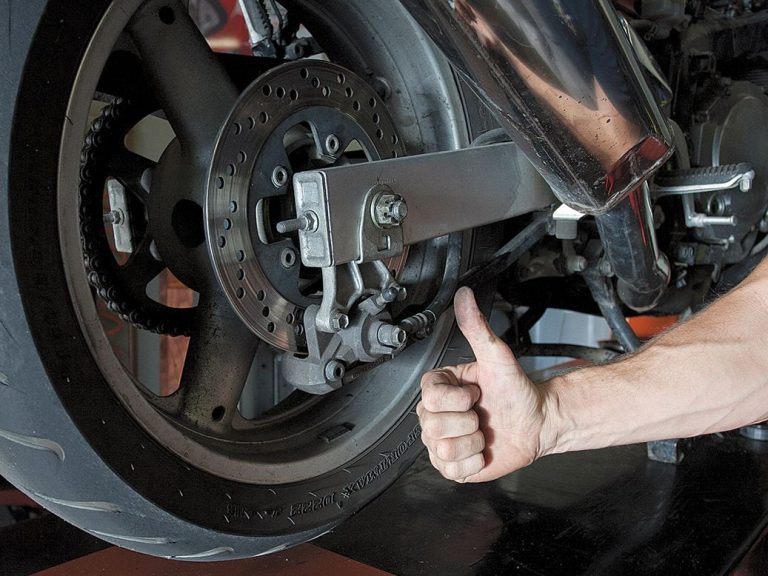
Brake pads are one of the most important safety components in any vehicle. When you press the brake pedal, the brake pads squeeze against a metal disc (rotor) to create friction. This friction slows down your wheels and eventually stops the car.
Without good brake pads, your stopping distance increases—sometimes dangerously.
All brake pads are designed to do the same basic job, but the materials inside them can change their performance, noise level, price, and even how much dust they create. Choosing the wrong pad can lead to faster wear, noisy operation, or even damage to other brake parts.
Two non-obvious facts for beginners:
- Brake pads directly affect your rotor’s lifespan. Some pads are softer and cause less rotor wear, while others are harder and can wear rotors faster.
- Your driving style and local climate matter. Heavy city traffic, high-speed driving, or extreme temperatures can all impact which pad type is best for you.
Understanding The Three Main Types
Let’s break down the key differences between semi metallic, ceramic, and regular (organic) brake pads.
Semi Metallic Brake Pads
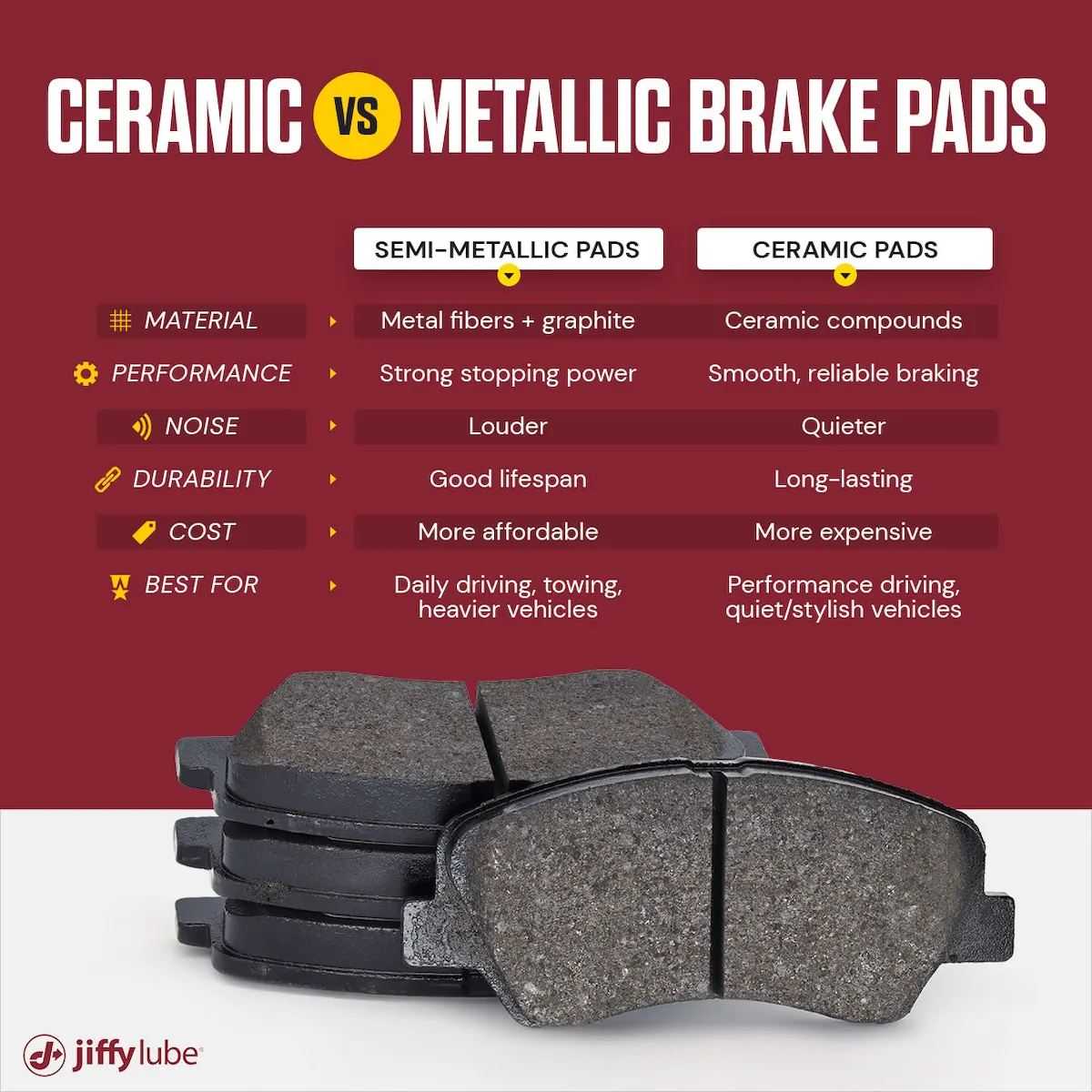
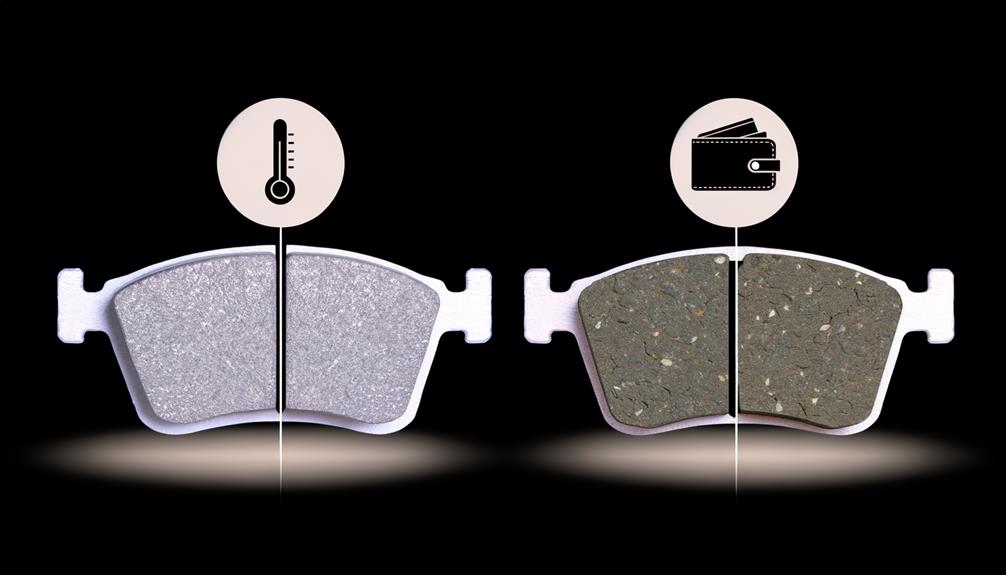
Semi metallic brake pads are made from a mix of metals like iron, copper, steel wool, and graphite, held together with resin. They usually contain between 30% to 65% metal by weight.
- Performance: Known for strong stopping power, especially in high-heat or aggressive driving situations.
- Durability: Last longer than organic pads, but may wear rotors faster due to their hardness.
- Noise: Can be noisier, sometimes producing a squealing sound.
- Price: Usually cost less than ceramics but more than organics.
- Dust: Produce moderate to high brake dust, which may stick to your wheels.
Where semi metallic pads shine: Heavy vehicles (trucks, SUVs), performance cars, or drivers who do a lot of towing or mountain driving.
Ceramic Brake Pads
Ceramic brake pads are made from ceramic fibers, bonding agents, and small amounts of metal. Their formula is similar to ceramic pottery but mixed for high durability and heat tolerance.
- Performance: Provide stable braking in a wide range of temperatures and conditions.
- Durability: Often last longer than semi metallic or organic pads.
- Noise: Very quiet; little to no squeal.
- Price: Usually the most expensive option.
- Dust: Produce fine, light-colored dust that doesn’t stick as much.
Where ceramics excel: Daily drivers who want quiet, clean, and low-maintenance brakes—especially in cities and suburbs.
Regular (organic/non-asbestos Organic) Brake Pads
When people say “regular” brake pads, they usually mean organic or non-asbestos organic (NAO) pads. These use materials like glass, rubber, resins, and sometimes Kevlar or other fibers.
- Performance: Good initial bite and smooth feel, but can fade under heavy use.
- Durability: Wear out faster, especially in hot or demanding conditions.
- Noise: Usually quiet, but can squeal if they get glazed or overheated.
- Price: Often the cheapest option.
- Dust: Produce less dust than metallic, but more than ceramic.
Best for: Small cars, light-duty use, or drivers who value comfort over performance.
How Do They Compare? Real-world Data
To make the differences clearer, here’s a side-by-side look at how these brake pad types perform in key areas.
| Feature | Semi Metallic | Ceramic | Organic (Regular) |
|---|---|---|---|
| Stopping Power | High | Moderate to High | Moderate |
| Pad Lifespan | 35,000–70,000 miles | 50,000–90,000 miles | 20,000–45,000 miles |
| Rotor Wear | Moderate to High | Low | Low |
| Noise Level | Moderate to High | Low | Low |
| Brake Dust | High | Low | Moderate |
| Price (per axle) | $35–$70 | $60–$120 | $25–$50 |
How To Choose: What Really Matters
Picking the right brake pad isn’t just about price or brand. Focus on these key factors:
1. Your Driving Style
- Aggressive, high-speed, or towing: Go for semi metallic pads—they handle heat and heavy loads well.
- City commuting, stop-and-go: Ceramic pads work best for daily driving, low dust, and quiet operation.
- Light driving, compact cars: Organic pads are fine if you don’t push your brakes hard.
2. Vehicle Type And Weight
- Heavy vehicles (SUVs, trucks): Need pads that can handle more heat and weight—semi metallic is often best.
- Sports cars: Semi metallic or high-performance ceramics for better stopping power.
- Sedans, hatchbacks: Ceramics or organics for smooth, quiet stops.
3. Climate And Road Conditions
- Cold climates: Ceramics and semi metallics both work well, but ceramics heat up a bit slower.
- Wet environments: Semi metallics handle heat and moisture better, reducing fade.
- Mountainous or hilly areas: Semi metallics resist fade from long downhill braking.
4. Budget And Maintenance
- Low upfront cost: Organics are cheapest, but you may replace them more often.
- Long-term savings: Ceramics last longer, create less dust, and are gentle on rotors.
- Rotor replacement costs: If rotors are expensive for your car, ceramics may be worth it.
5. Noise And Cleanliness
- Quiet operation: Ceramics are the best for low noise.
- Clean wheels: Ceramics produce less sticky dust.
- Sensitive to squeaks: Avoid semi metallic if noise bothers you.
Advantages And Disadvantages At A Glance
To help you compare quickly, here’s a summary of the main pros and cons.
| Type | Advantages | Disadvantages |
|---|---|---|
| Semi Metallic |
|
|
| Ceramic |
|
|
| Organic (Regular) |
|
|
Common Buyer Mistakes
Many buyers make the same errors when choosing brake pads. Here’s what to avoid:
- Choosing only by price: Cheap pads can cost more in the long run if they wear quickly or damage rotors.
- Ignoring driving conditions: The best pad for a city driver isn’t always the best for mountain driving.
- Overlooking noise and dust: If you hate squeaky brakes or dirty wheels, ceramics are worth the extra cost.
- Not checking compatibility: Some cars require specific pad types—always check your owner’s manual or consult a trusted mechanic.
- Assuming all ceramics are equal: Quality varies by brand. Choose reputable brands, not just the cheapest ceramic pads.
Real-world Examples
To see how the differences play out, let’s look at three drivers with different needs.
Example 1: Sarah, City Commuter
Sarah drives a midsize sedan mostly in city traffic, with lots of stop-and-go. She wants quiet brakes and doesn’t want to clean brake dust off her wheels every week.
- Best choice: Ceramic pads. They’ll last longer, keep her wheels cleaner, and run quietly.
Example 2: Mike, Truck Owner
Mike tows a trailer on weekends and often drives in hilly areas. He needs brakes that won’t fade on long descents.
- Best choice: Semi metallic pads. They handle heat and heavy loads better, even if they’re a bit noisier.
Example 3: Linda, Budget-conscious Student
Linda drives a compact car for short trips around town. She needs a low-cost solution and doesn’t mind replacing pads a bit more often.
- Best choice: Organic (regular) pads. She gets gentle, quiet stops for less money up front.
When To Replace Your Brake Pads
No matter which type you choose, all brake pads wear out eventually. Watch for these signs:
- Squealing or grinding: Squealing means pads are getting thin; grinding means you’re overdue.
- Longer stopping distance: If your car takes longer to stop, check your pads.
- Vibration or pulsing: This can mean warped rotors or uneven pad wear.
- Dashboard warning light: Many new cars have a brake pad warning light.
On average, most drivers need to replace pads every 30,000 to 70,000 miles—but this varies by pad type, vehicle, and driving style.

Credit: www.youtube.com
Cost Breakdown: What Should You Expect To Pay?
Brake pad cost depends on the type, vehicle, and whether you install them yourself or pay a shop.
- Semi metallic: $35–$70 per axle (parts only)
- Ceramic: $60–$120 per axle (parts only)
- Organic: $25–$50 per axle (parts only)
Labor: $80–$130 per axle, depending on your area.
Total replacement cost (parts + labor):
- Semi metallic: $115–$200 per axle
- Ceramic: $140–$250 per axle
- Organic: $105–$180 per axle
Tip: Always replace pads on both wheels of the same axle (front or rear) at the same time for balanced braking.
Rotor Longevity: Why It Matters
The type of brake pad you choose can impact how long your rotors last. Harder pads (like semi metallic) wear rotors faster, which means more frequent (and more expensive) replacements.
- Ceramic pads: Usually gentle on rotors—may extend rotor life.
- Semi metallic pads: Can reduce rotor lifespan, especially if you do a lot of hard braking.
- Organic pads: Generally soft, so rotors last longer, but pads wear out faster.
If your rotors cost $200+ each to replace, consider investing in pads that are easier on rotors, even if the pads themselves cost more.
Credit: www.jiffylube.com
Environmental Impact
Many drivers overlook the environmental impact of brake pads. Dust from brakes contributes to air pollution, especially in cities.
- Semi metallic pads can release fine metal particles.
- Ceramic pads produce less dust, and what they do produce is less harmful.
- Organic pads are often made from renewable materials, but their shorter life means more frequent replacements.
Some regions are starting to regulate copper and other metals in brake pads. California, for example, restricts copper content to reduce water pollution.
Installation And Maintenance Tips
If you’re considering changing your own brake pads, keep these points in mind:
- Follow your car’s manual: Pad shape and size must match exactly.
- Check for uneven wear: If one pad is worn more, there could be a caliper problem.
- Clean the caliper and hardware: Remove old dust and rust for quiet operation.
- Bed in new pads: Follow the manufacturer’s instructions. Proper bedding-in improves performance and lifespan.
- Inspect rotors: If rotors are grooved or warped, replace or resurface them.
A common mistake: Not bedding in new pads. This can lead to poor braking and noisy operation.
Brake Pad Brands To Know
Quality matters as much as material. Some trusted names for each type:
- Semi metallic: Wagner, Akebono, Hawk Performance
- Ceramic: Akebono, Bosch, Brembo, Centric
- Organic: Wagner, Raybestos, ACDelco
Avoid unknown brands or ultra-cheap pads—they may not meet safety standards or could wear out quickly.
Performance In Special Situations
High-performance Driving
If you track your car or do spirited driving, choose a pad rated for high heat (often semi metallic or performance ceramics). These resist brake fade better under repeated hard stops.
Extreme Cold
Ceramic pads may need a few stops to reach full grip in sub-freezing temperatures. Semi metallics are less affected but may be noisier until they warm up.
Heavy Loads Or Towing
Semi metallic pads handle the extra weight and heat better. Organic pads can fade quickly under these conditions.
Brake Dust: What’s The Real Impact?
Brake dust isn’t just a cosmetic problem—it can stick to wheels, damage finishes, and even affect air quality.
- Semi metallic: Most dust, dark color, sticks to wheels.
- Ceramic: Light, fine dust, less visible, easier to clean.
- Organic: Moderate dust, sometimes lighter in color.
If you have fancy wheels or hate cleaning, ceramics are the clear winner.
Are Upgrades Worth The Cost?
Many drivers wonder if upgrading from organic to ceramic or semi metallic pads is really worth it. Here’s what you gain:
- Longer lifespan: Ceramics often last twice as long as organic.
- Quieter operation: Ceramics are much quieter, especially on new cars.
- Cleaner wheels: Ceramics produce less, lighter dust.
- Better fade resistance: Semi metallics are safer for heavy or performance use.
But if you drive mostly short distances at low speeds, the extra cost may not pay off.
What About Hybrid And Electric Cars?
Electric and hybrid vehicles use regenerative braking, which reduces wear on pads. These cars often come with ceramic pads from the factory because they last longer and stay quiet. If you drive a hybrid or EV, ceramics are usually the best choice.
When To Stick With Oem Recommendations
Car makers often choose pad materials for a reason—balancing cost, comfort, and performance. If your car is under warranty or has advanced brake systems (like adaptive cruise or automatic emergency braking), stick to the original equipment (OEM) pad type to avoid warranty issues or poor performance.
Credit: gexhaust.com
How To Tell What’s On Your Car Now
If you’re not sure what type of brake pad you have:
- Check your owner’s manual—it may list the pad type.
- Look at the dust: Dark, sticky = metallic; light, fine = ceramic; moderate, brown/gray = organic.
- Ask your mechanic or parts store.
- Check the old pad: Some have markings or part numbers you can search online.
Safety Tips For Replacing Brake Pads
- Always replace both pads on an axle together.
- Never mix pad types on the same axle (e.g., ceramic on one side, organic on the other).
- Use high-temperature brake grease on hardware to prevent squeaks.
- Test brakes at low speed after installation to ensure proper operation.
Latest Trends And Technology
Brake pad technology is always evolving. Some trends:
- Copper-free pads: New laws are pushing for less copper in brake pads.
- Low-dust formulas: Many ceramics are now designed to produce even less dust.
- Noise-reducing shims: Modern pads often include rubber or composite shims for quieter stops.
- Performance hybrids: Some pads combine ceramic and metallic materials for a balance of quiet and power.
For more on regulations and material changes, see the Wikipedia Brake Pad page.
When To Upgrade Rotors Along With Pads
If your rotors are grooved, warped, or below minimum thickness, replace them with your pads. New pads on old, damaged rotors can lead to poor performance and faster pad wear.
Signs you need new rotors:
- Deep grooves or scoring
- Pulsing brake pedal
- Rotor thickness below spec (measured with a micrometer)
Comparing Popular Use Cases
To sum up, here’s how the three pad types stack up for common drivers.
| Driver Type | Best Pad Choice | Why |
|---|---|---|
| Daily city commuter | Ceramic | Quiet, clean, long-lasting |
| Truck/SUV with towing | Semi metallic | Handles heat and weight |
| Budget car owner | Organic | Low cost, easy replacement |
| Performance driver | Semi metallic or performance ceramic | High-temperature resistance |
| Hybrid/EV driver | Ceramic | Long life, low dust, quiet |
FAQs (Semi Metallic Brake Pads Vs Ceramic Vs Regular)
What Are The Safest Brake Pads?
All three types—semi metallic, ceramic, and organic—meet safety standards if you buy from a reputable brand and install them properly. For the most consistent performance in all conditions, ceramic pads are a safe choice for daily driving, while semi metallics are better for heavy loads or high speeds.
Why Do My Brakes Squeal After New Pads?
Squealing is usually caused by vibration between the pad and caliper. It can happen if pads aren’t bedded in properly, if hardware is dirty, or if you use hard (semi metallic) pads. Using high-quality pads with noise-reducing shims and applying brake grease on contact points usually fixes the problem.
Can I Switch From Semi Metallic To Ceramic Brake Pads?
Yes, most cars can switch from semi metallic to ceramic pads, as long as the pad shape and size match your caliper and rotor. Make sure to replace both pads on an axle together. For performance cars or trucks, check the manufacturer’s recommendations.
How Do I Know When To Replace My Brake Pads?
Replace your brake pads if you hear squealing, grinding, or see the pad material is less than 3mm thick. Some cars have a dashboard warning light. Regular inspections every 10,000 miles can help prevent problems.
Are Expensive Brake Pads Worth It?
Expensive pads (usually ceramic or premium semi metallic) often last longer, are quieter, and create less dust. If you value these benefits and want to avoid frequent replacements, the extra cost can be worth it. For basic commuting, budget pads may be enough.
Choosing the right brake pad can make every drive smoother, safer, and less stressful. By understanding your options and focusing on your real needs, you’ll enjoy better braking and fewer surprises—mile after mile.