Brake Pads Ceramic Vs Semi Metallic Vs Organic: Ultimate Guide 2026

If you’ve ever wondered what really makes your car stop smoothly and safely, the answer is often hidden behind your wheels: brake pads. They may look simple, but the material they’re made from has a huge impact on your driving experience, safety, and even your wallet. Choosing between ceramic, semi metallic, and organic brake pads can be confusing—each type has its own strengths, weaknesses, and best uses. This guide will walk you through the real differences, practical benefits, and important details most people miss. Whether you’re a daily commuter, weekend road tripper, or you just want to make an informed decision, you’ll discover everything you need to know about these three major types of brake pads.
What Are Brake Pads And Why Do They Matter?
Brake pads are a critical part of your car’s braking system. When you press the brake pedal, these pads press against a spinning disc (the brake rotor) to slow down or stop the car. Good brake pads mean shorter stopping distances, quieter rides, and fewer repairs. Bad or worn-out pads can lead to dangerous situations, expensive damage, and uncomfortable driving.
But not all brake pads are created equal. The main types—ceramic, semi metallic, and organic—have different materials, performance levels, and prices. Understanding these differences helps you choose what’s best for your car, driving style, and budget.
Ceramic Brake Pads
What Are Ceramic Brake Pads Made Of?
Ceramic brake pads are made mainly from a dense ceramic material, similar to pottery but much tougher. They also include fine copper fibers, which help improve heat conductivity and friction. This mix creates a very hard, stable pad that resists wear and performs well in many conditions.
Key Features
- Low noise: Ceramic pads are known for being quiet, producing less squealing and grinding.
- Low dust: They produce light-colored dust that is less likely to stick to your wheels or make a mess.
- Long lifespan: Ceramic pads last longer than most organic and some semi metallic pads.
- Stable performance: They work well in a wide range of temperatures.
Performance And Driving Feel
Drivers often describe ceramic pads as offering a smooth, consistent feel when braking. You’ll notice less vibration and noise. The braking power is strong, but not as aggressive as some semi metallic pads, which means you get a steady, predictable stop. For city driving and long commutes, this is ideal.
Pros And Cons
Advantages:
- Quiet operation, less brake noise
- Low brake dust, keeping wheels cleaner
- Long-lasting material
- Stable performance in daily driving
Disadvantages:
- Higher price than organic or semi metallic pads
- May not perform as well in extreme cold or for heavy towing
- Not always the best for high-performance sports cars
Typical Applications
Ceramic brake pads are best for:
- Daily drivers
- Light trucks and SUVs
- Urban and suburban commuters
- Drivers who want low maintenance and clean wheels
Semi Metallic Brake Pads
What Are Semi Metallic Brake Pads Made Of?
Semi metallic brake pads use a mix of 30% to 65% metals such as steel, iron, copper, and graphite. The rest is filled with friction modifiers and fillers held together with a resin. This blend makes them tough, heat-resistant, and effective for heavy braking.
Key Features
- High braking power: Semi metallic pads grip the rotor well, giving strong stopping ability.
- Good heat dissipation: Their metal content helps them stay cool, even under hard braking.
- Durability: They last longer than organic pads and can handle more aggressive driving.
Performance And Driving Feel
Semi metallic pads feel firm and responsive. They work well when you brake hard or drive fast. Because of their metal content, they can be a bit louder and may create more vibration than ceramics or organics. They also produce more dark-colored brake dust, which can dirty your wheels faster.
Pros And Cons
Advantages:
- Excellent stopping power, even in extreme conditions
- Good for heavy vehicles and performance cars
- Strong resistance to brake fade (loss of power when hot)
- More affordable than ceramic pads
Disadvantages:
- Noisier operation, may squeal or grind
- More brake dust on wheels
- Can wear brake rotors faster
- Heavier, which may slightly affect fuel economy
Typical Applications
Semi metallic brake pads are ideal for:
- Sports cars and performance vehicles
- Trucks and SUVs that tow or haul heavy loads
- Drivers who want strong braking in all weather
- Those seeking a balance between price and performance
Organic Brake Pads
What Are Organic Brake Pads Made Of?
Organic brake pads—also called non-asbestos organic (NAO) pads—use materials like glass, rubber, carbon, Kevlar, and resins. They do not contain asbestos, which was used in older pads but is now banned for health reasons. Organic materials make these pads softer and quieter, but they wear out faster.
Key Features
- Quiet and smooth: Organic pads are the quietest of the three types.
- Gentle on rotors: They cause less wear on brake rotors.
- Eco-friendly: Made from natural, non-toxic materials.
Performance And Driving Feel
Organic pads offer a soft, gentle brake feel. They’re comfortable for city driving and stop-and-go traffic. However, they lose effectiveness under high heat, so they’re not suitable for heavy braking or aggressive driving. They also wear out faster, so you may replace them more often.
Pros And Cons
Advantages:
- Lowest price among the three types
- Quiet, smooth operation
- Less wear on rotors
- Made from renewable materials
Disadvantages:
- Shorter lifespan
- Prone to brake fade in high-heat situations
- Not ideal for trucks, SUVs, or performance cars
- More dust compared to ceramics
Typical Applications
Organic brake pads are best for:
- Compact cars and sedans
- Light driving, such as city commutes
- Budget-conscious drivers
- Older vehicles with less powerful braking systems
Direct Comparison: Ceramic Vs Semi Metallic Vs Organic
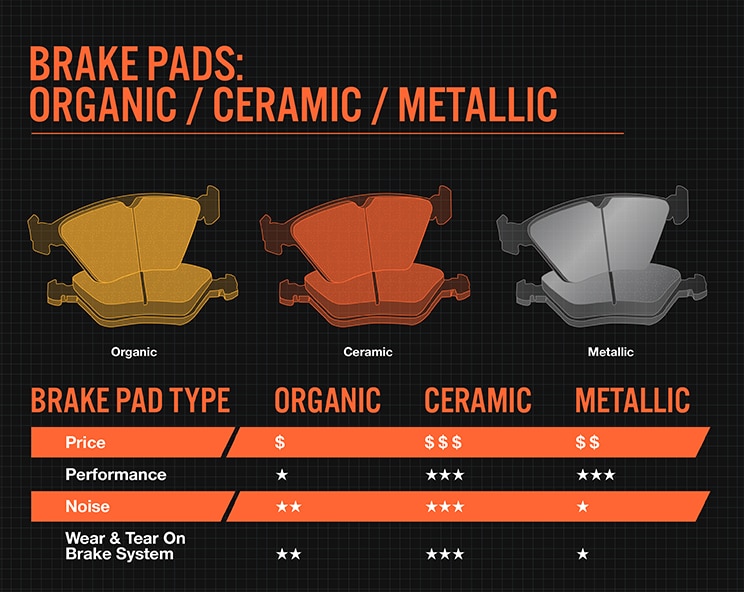
To help you see the real differences, here’s a side-by-side comparison using real-world factors:
| Feature | Ceramic | Semi Metallic | Organic |
|---|---|---|---|
| Noise Level | Very Low | Moderate to High | Low |
| Brake Dust | Low (Light Color) | High (Dark Color) | Moderate |
| Lifespan | Longest | Long | Shortest |
| Price | High | Medium | Low |
| Performance (Heat) | Good | Excellent | Poor |
| Best For | Daily Driving | Performance/Towing | City/Light Use |
How To Choose The Right Brake Pad For Your Car
Finding the best brake pad for your needs isn’t about picking the most expensive or high-tech option. It’s about matching your driving style, car type, and budget to the right material. Here’s what you should consider:
- Driving Conditions
- City driving with lots of stops? Organic or ceramic pads work well.
- Highway or aggressive driving? Semi metallic pads are better.
- Mountain roads or towing? Choose semi metallic for heat resistance.
- Car Type and Weight
- Heavy vehicles (SUVs, trucks): Semi metallic is usually best.
- Small cars: Organic or ceramic is often enough.
- Performance Needs
- Sports or performance cars: Semi metallic for grip and fade resistance.
- Quiet, comfortable ride: Ceramic or organic.
- Budget
- Tight budget: Organic pads are cheapest, but need more frequent replacement.
- Willing to invest: Ceramic offers best all-around value over time.
- Rotor Wear
- If you want to protect your rotors, organic or ceramic pads are gentler.
Key Mistakes To Avoid
- Choosing purely on price: Cheap pads wear out fast and may not stop well.
- Ignoring your driving style: Using organic pads for towing is dangerous.
- Skipping regular checks: Even the best pads wear out over time.
Real-world Examples
Let’s look at some real situations to see which pad works best.
Example 1: The Busy Commuter
Sarah drives 30 miles daily through city traffic. She wants quiet brakes, little dust, and long life. Ceramic pads are her best choice—they’re quiet, last long, and keep her wheels clean.
Example 2: The Weekend Warrior
Mike tows a boat with his pickup and drives mountain roads. He needs strong, fade-resistant braking. Semi metallic pads are ideal for him. They handle heat and heavy loads without fading.
Example 3: The Budget Student
Anna drives a small sedan around campus. She’s on a tight budget and doesn’t drive fast. Organic pads are her best choice—cheap, quiet, and safe for light driving.
Cost Breakdown: What To Expect
Here’s a realistic look at costs for each type (parts only, per axle):
| Pad Type | Average Price | Replacement Frequency |
|---|---|---|
| Ceramic | $50–$120 | Every 40,000–60,000 miles |
| Semi Metallic | $35–$80 | Every 30,000–50,000 miles |
| Organic | $20–$60 | Every 18,000–30,000 miles |
Labor costs vary, but expect $100–$200 per axle for professional installation. DIYers can save money, but need proper tools and safety knowledge.
Environmental Impact
Most people overlook the environmental side of brake pads. Organic pads are made from renewable materials and break down more easily. Ceramic and semi metallic pads, however, use more metals and synthetic materials. Some cities now restrict copper in brake pads to reduce water pollution, so always check local rules.
Brake Pad Wear: Signs And Symptoms
Regardless of the material, all brake pads wear out. Here are key signs you need new pads:
- Squealing or grinding noises
- Longer stopping distances
- Brake warning light on dashboard
- Vibration in brake pedal
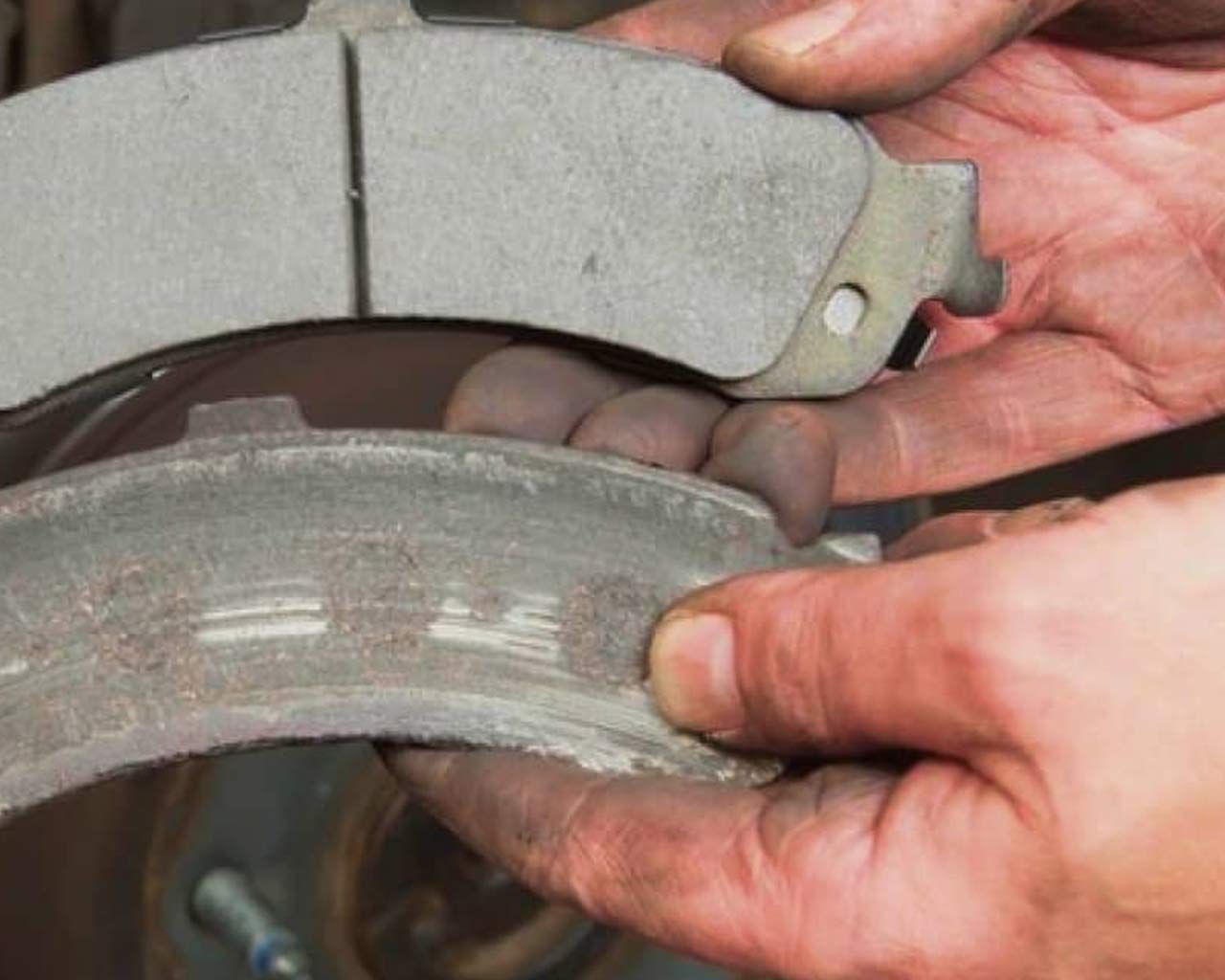
- Visible thin pads (less than ¼ inch)
Replacing pads before they’re completely worn out saves your rotors and keeps you safe.
Installation And Maintenance Tips
Changing brake pads isn’t just about swapping old for new. Here’s how to get the best results:
- Use the right grease: Apply brake lubricant to the back of pads to reduce noise.
- Break them in: Follow the manufacturer’s bedding procedure for even wear.
- Check rotors: Resurface or replace rotors if they’re grooved or warped.
- Inspect hardware: Replace old clips, shims, and pins for best performance.
- Clean everything: Remove dust and debris before installing new pads.
Even experienced DIYers sometimes skip hardware replacement or bedding-in, which leads to uneven wear and noise.
Brake Pad Myths And Misconceptions
Some common beliefs about brake pads aren’t true. Here’s what you should know:
- Ceramic pads are always best: Not true. They’re great for comfort but not for heavy-duty or racing needs.
- Organic pads are unsafe: Also not true. They’re safe for light vehicles and normal driving.
- Semi metallic pads damage rotors: Only if you ignore maintenance or choose low-quality pads.
Always buy reputable brands and follow installation instructions.
Performance In Different Climates
Cold weather: Semi metallic pads warm up faster and work better than ceramics in freezing conditions. Organic pads can lose stopping power if very cold.
Hot climates or mountain driving: Semi metallic pads resist heat fade, so they’re best for long descents or heavy braking. Ceramic pads handle normal heat well, but can fade at racing temperatures.
Wet conditions: All modern brake pads perform well in rain, but semi metallic pads grip a bit faster when wet.
How Brake Pads Affect Rotors
Your rotors are just as important as your pads. Here’s how each material affects them:
- Ceramic pads: Gentle on rotors, cause little wear, but can glaze rotors if overheated.
- Semi metallic pads: More abrasive, can wear rotors faster, but offer strong bite.
- Organic pads: Softest on rotors, but may leave residue if overheated.
Always match pad type to your rotor material (cast iron, composite, etc. ) For best results.
Brake Pad Lifespan: What Shortens Or Extends It?
Driving habits make a big difference. Hard braking, lots of stop-and-go, or carrying heavy loads will wear pads out faster. High-speed stops and mountain driving also reduce lifespan. To extend pad life:
- Coast to slow down before braking
- Avoid riding the brakes
- Get regular inspections
Ceramic pads last longest for most drivers, but only if used as intended.
The Role Of Copper And Environmental Laws
Copper was once used in many pads to improve heat transfer and reduce noise. However, copper dust can harm fish and wildlife. New laws in states like California and Washington limit copper in brake pads. Most new ceramic and semi metallic pads now use alternative materials, but always check the label for compliance.
For more on brake pad regulations and materials, visit the Wikipedia Brake Pad page.
Noise, Vibration, And Harshness (nvh): What Matters Most?
NVH is how much noise, shaking, and roughness you feel when braking. Ceramic pads are the clear winner for quiet, smooth stops. Organic pads are also quiet, but not as long-lasting. Semi metallic pads may squeal, especially if not installed with new hardware.
If you want the quietest ride, choose ceramic. For the best stopping power, accept some noise with semi metallic.
Common Questions When Upgrading Brake Pads
Will Ceramic Pads Improve My Stopping Distance?
Not always. If your car is light and you drive normally, ceramics are safe. For racing or towing, semi metallic is better.
Should I Replace Rotors When I Change Pads?
If rotors are grooved, warped, or below minimum thickness, replace them. Fresh pads on old rotors can cause uneven wear.
Can I Mix Different Types Of Pads On The Same Car?
No. Always use the same pad type on both wheels of the same axle. Mixing can cause uneven braking and loss of control.
Credit: tires.bridgestone.com
Advanced Comparison: Track, Racing, And Special Needs
If you race, tow, or drive in extreme conditions, standard ceramic or organic pads won’t be enough. Performance semi metallic pads or specialty carbon-ceramic pads are made for these uses.
| Use Case | Best Pad Type | Why? |
|---|---|---|
| Track Racing | Semi Metallic (Performance) | Handles extreme heat, resists fade |
| Towing/Hauling | Semi Metallic | Strong stopping power, heat resistance |
| Luxury/Quiet Ride | Ceramic | Low noise, long life |
| Daily City Driving | Ceramic or Organic | Comfort, low dust |
Are There Hybrid Brake Pads?
Some brands offer hybrid pads that combine materials to balance comfort, performance, and price. These often blend ceramic and metallic elements. However, they’re usually marketed as “ceramic” or “semi metallic” based on their main ingredient. Always read the specs, not just the label.
Credit: midohiomobilemechanic.com
How To Tell When It’s Time To Upgrade
If your current brakes are noisy, dusty, or fade when hot, it may be time to switch pad types. Upgrading to ceramic can make daily driving smoother. Switching to semi metallic pads can boost safety if you drive hard or tow.
Don’t wait for total wear—upgrades can prevent accidents and expensive repairs.
Diy Vs. Professional Installation
Changing brake pads is possible for many DIYers. You’ll need a jack, wrenches, and some patience. However, mistakes like not bedding pads or failing to clean parts can lead to noise and uneven wear. If you’re unsure, a professional can do the job quickly and safely.
Expert tip: If you DIY, always test brakes carefully in a safe area before driving normally.
How Brake Pads Fit Into The Bigger Picture
Brake pads are just one part of your car’s safety system. Good tires, proper fluid, and regular maintenance are also critical. Even the best pads won’t work well with bald tires or low brake fluid. Make brake checks a regular part of your car care routine.
Non-obvious Insights Most People Miss
- Pad Shape and Size Matter: Not all pads of the same material fit every car. Always check the exact part number for your vehicle’s year, make, and model.
- Aftermarket Pads Vary Greatly: Cheap brands may use lower-quality materials, causing more noise, dust, or rotor damage. Trusted brands cost more, but deliver safety and reliability.
- Bedding-In Is Essential: Skipping the bedding process (a series of gentle stops after installation) can cause uneven wear, vibration, or noise—even with the best pads.

Credit: columbiatireauto.com
FAQs (Brake Pads Ceramic Vs Semi Metallic Vs Organic)
What’s The Main Difference Between Ceramic And Semi Metallic Brake Pads?
The biggest difference is the material. Ceramic pads are made mainly from ceramic fibers and copper, giving quiet, clean, and long-lasting performance. Semi metallic pads use more metal, which means stronger stopping power, especially under heat, but with more noise and dust.
Are Organic Brake Pads Safe For Highway Driving?
They are safe for light highway use, but not ideal for long, repeated stops or high speeds. Organic pads can fade when hot, so they’re best for city and low-speed driving.
How Do I Know If My Brake Pads Are Worn Out?
Listen for squealing, grinding, or clicking noises. Longer stopping distances or a brake warning light are also signs. You can visually check: if the pad is less than ¼ inch thick, replace it.
Can I Upgrade From Organic To Ceramic Pads Without Changing Anything Else?
Usually, yes. But check that your rotors are in good condition. Ceramics are gentle, but old or thin rotors may still need replacement for best results.
Why Are Ceramic Brake Pads More Expensive?
Ceramic pads use advanced materials and manufacturing. They last longer, make less dust, and are quieter—so you pay more upfront, but may save money over time with fewer replacements and cleaner wheels.
Switching brake pad types is a smart way to fine-tune your car’s safety, comfort, and performance. Now that you know the real differences between ceramic, semi metallic, and organic brake pads, you can choose confidently and keep your car stopping smoothly for miles to come.