Test Alternator With The Battery Connected

Is your car’s battery draining too fast or your lights flickering unexpectedly? These could be signs that your alternator isn’t working right.
But how can you be sure without taking your whole electrical system apart? Testing your alternator with the battery connected is a simple, effective way to find out if it’s doing its job. You’ll learn easy steps to check your alternator safely and quickly—so you can avoid costly repairs and keep your car running smoothly.
Keep reading, and you’ll gain the confidence to tackle this common issue yourself.
Credit: tomad.com
Preparing For The Test
Preparing to test an alternator with the battery connected is important. It helps you avoid mistakes and keeps the process safe. Before starting, gather tools, check the battery, and follow safety steps. This preparation saves time and prevents damage.
Safety Precautions
Wear safety glasses to protect your eyes. Work in a dry area to avoid electric shocks. Keep metal objects away from the battery terminals. Avoid loose clothing that can catch on parts. Turn off the engine before connecting or disconnecting anything.
Tools Needed
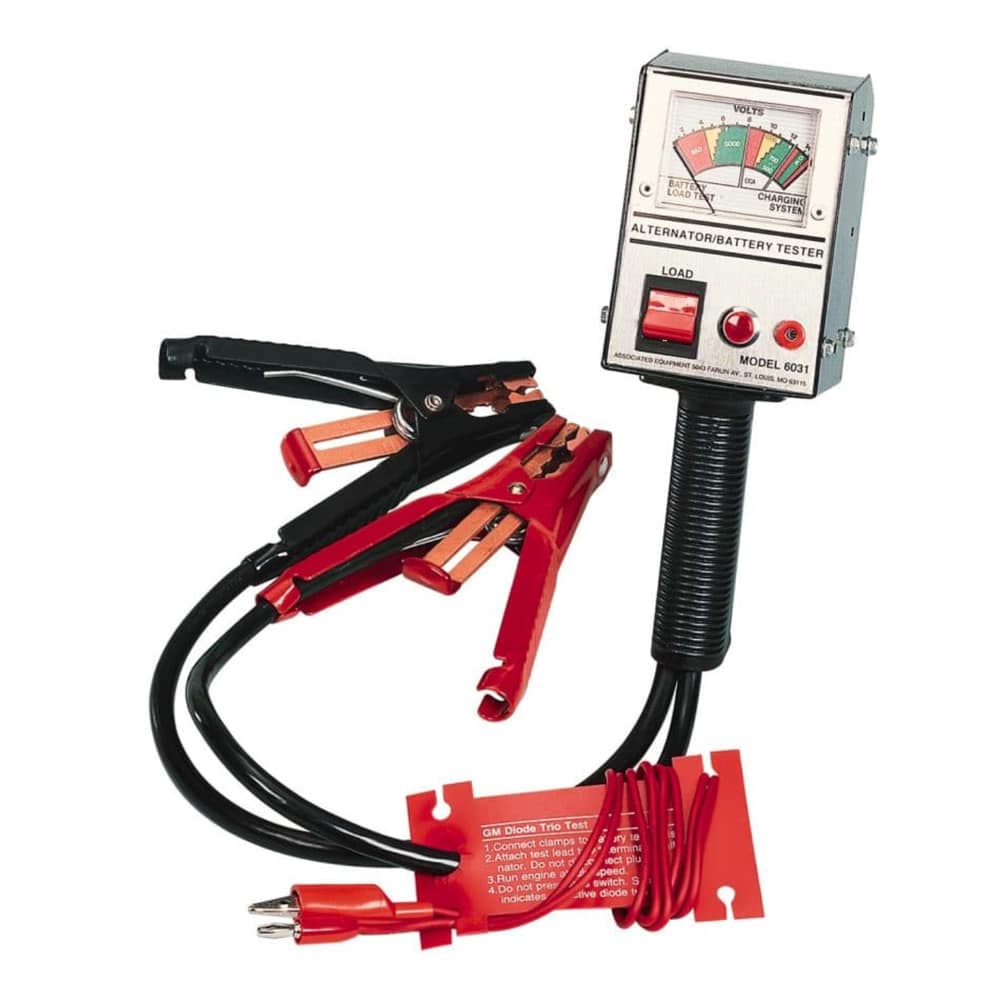
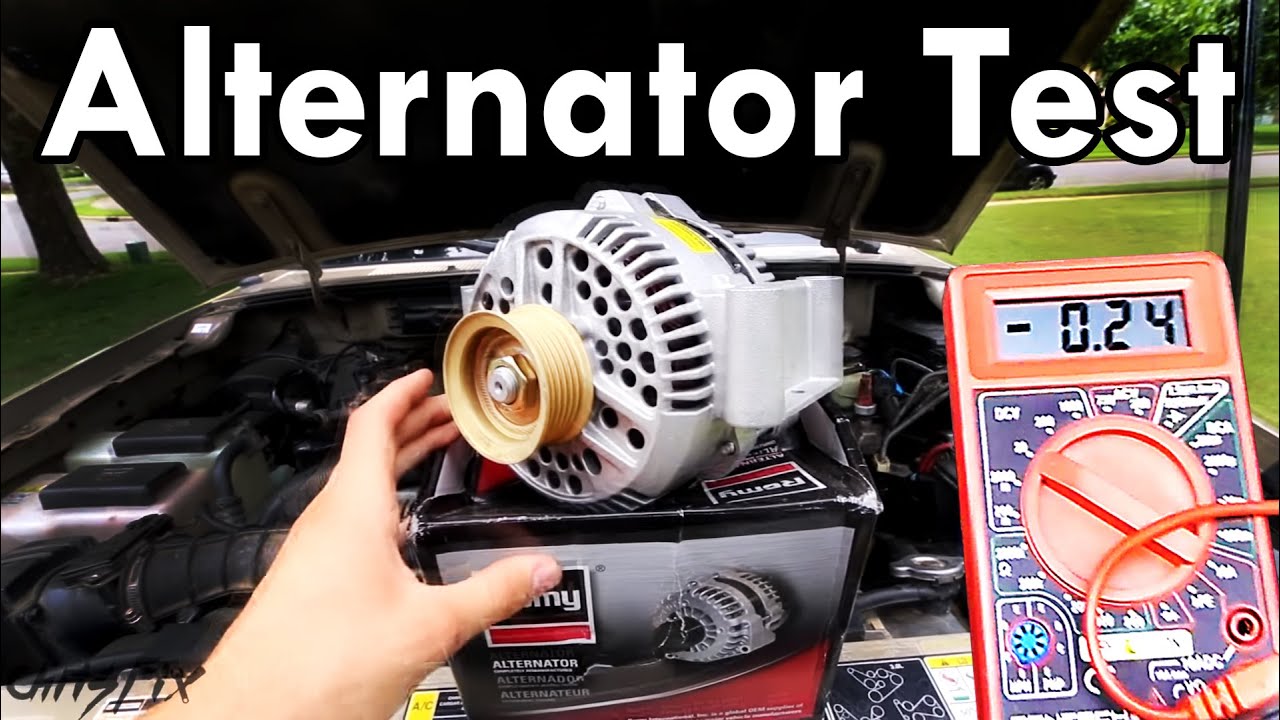
Use a multimeter to measure voltage and current. Have insulated gloves to protect your hands. Use wrenches or pliers to remove or tighten connections. Keep a flashlight handy to see in dark spaces. A battery charger can help if the battery is low.
Initial Battery Check
Check the battery voltage with a multimeter. A fully charged battery reads about 12.6 volts. Look for corrosion on the terminals and clean if needed. Make sure the battery cables are tight and not damaged. Replace the battery if voltage is too low.
Testing Procedure
Testing an alternator with the battery connected is a simple process. It helps find out if the alternator charges the battery correctly. The procedure uses a few tools like a multimeter and sometimes a load tester. Each step checks a different part of the system to ensure it works well.
Measuring Voltage At Battery
Start by measuring the battery voltage with a multimeter. Set the meter to DC voltage and place the probes on battery terminals. A healthy battery shows about 12.6 volts when the engine is off. If the voltage is much lower, the battery might be weak or dead.
Checking Alternator Output
Next, start the engine and measure the battery voltage again. The voltage should rise between 13.8 and 14.5 volts. This means the alternator is charging the battery. If the voltage stays near 12.6 volts, the alternator may not work properly or the belt might be loose.
Load Testing
Load testing checks the alternator under real conditions. Turn on headlights, radio, and other electrical devices. Watch the voltage on the multimeter. It should stay above 13 volts. If the voltage drops a lot, the alternator might be failing to supply enough power.
Interpreting Test Results
Interpreting test results after checking the alternator with the battery connected is key. It helps decide if the alternator works well or needs repair. Understanding these results guides the next steps for vehicle care.
Normal Voltage Ranges
The alternator should show voltage between 13.8 and 14.8 volts. This range means it charges the battery properly. Values below 13.8 volts may indicate low alternator output. Above 14.8 volts can mean overcharging, which is harmful to the battery.
Signs Of Alternator Issues
Low voltage readings suggest the alternator might be weak or failing. Flickering dashboard lights or dim headlights also hint at alternator problems. Strange noises from the engine area can be a sign too. Consistent voltage drops under load confirm alternator trouble.
Battery Impact On Test
A weak or dead battery can affect test accuracy. It may show low voltage even if the alternator is fine. Always check battery health before testing the alternator. A fully charged battery gives the most reliable test results.
Credit: www.youtube.com
Troubleshooting Common Problems
Troubleshooting common problems with your alternator is key to keeping your vehicle running well. Testing the alternator with the battery connected can reveal issues early. It helps prevent breakdowns and costly repairs.
Some signs show your alternator may have problems. These include voltage drops, strange noises, and warning lights on the dashboard. Understanding these signs can save time and money.
Voltage Drops
Voltage drops happen when the alternator cannot keep the battery charged. The battery voltage may fall below 12 volts while the engine runs. This causes dim lights and weak electrical parts.
Use a multimeter to check voltage across the battery terminals. Normal voltage is about 13.5 to 14.5 volts with the engine on. Lower voltage suggests the alternator or wiring has issues.
Unusual Noises
Strange sounds from the engine area may come from the alternator. A whining or grinding noise often means worn bearings or a loose belt. These noises should not be ignored.
Listen carefully near the alternator while the engine runs. Noise that changes with engine speed points to alternator problems. Early detection helps avoid bigger failures.
Warning Lights
Dashboard lights warn about electrical system faults. The battery or alternator warning light may turn on. This signals charging system trouble.
Do not drive long with warning lights on. Check the alternator and battery quickly. Ignoring the lights can lead to a dead battery and vehicle stall.
Maintenance Tips
Maintaining your alternator and battery is key for a smooth-running vehicle. Regular care helps catch problems early. It also extends the life of both parts. Proper maintenance prevents unexpected breakdowns and costly repairs.
Regular Battery Checks
Check the battery terminals for dirt and corrosion. Clean them with a brush if needed. Test the battery voltage often with a multimeter. A healthy battery usually shows around 12.6 volts when the engine is off. Replace the battery if it fails to hold charge. Keep the battery securely fastened to avoid damage.
Alternator Care
Inspect the alternator belt for cracks and wear. Replace the belt if it looks old or loose. Listen for strange noises from the alternator area. Noises may mean a failing bearing or other issues. Keep the alternator clean from dust and grime. Avoid using high-pressure water near the alternator.
When To Seek Professional Help
Visit a mechanic if the battery light stays on while driving. Sudden dimming or flickering lights can signal alternator problems. Strange smells or smoke near the alternator need urgent attention. Professionals can perform load tests to check alternator health. Early diagnosis saves money and prevents further damage.

Credit: www.mechanic.com.au
Frequently Asked Questions
How To Test Alternator With Battery Connected Safely?
To test an alternator with the battery connected, use a multimeter set to DC volts. Start the engine and check voltage across battery terminals. A healthy alternator reads between 13. 8 and 14. 4 volts. Avoid disconnecting the battery to prevent electrical damage.
Can I Test Alternator Without Disconnecting The Battery?
Yes, you can test the alternator without disconnecting the battery. Testing while connected gives accurate voltage readings under load. Use a voltmeter to measure output voltage at battery terminals with the engine running. This method is safer and prevents potential electrical issues.
What Voltage Indicates A Faulty Alternator?
A voltage reading below 13. 5 volts or above 15 volts usually indicates a faulty alternator. Low voltage means the alternator isn’t charging properly. High voltage can damage the battery and electrical system. Proper testing ensures accurate diagnosis of alternator health.
Why Test Alternator With Battery Connected Instead Of Disconnected?
Testing with the battery connected provides real operating conditions and accurate voltage output. Disconnecting the battery can cause voltage spikes and damage sensitive electronics. Keeping the battery connected protects your vehicle’s electrical system during the test.
Conclusion
Testing your alternator with the battery connected is simple and effective. It helps find problems without removing parts. Always use a multimeter for accurate voltage readings. Watch for steady voltage around 13. 5 to 14. 5 volts. If numbers fall outside this range, the alternator may need repair.
Regular checks keep your car running smoothly. Save time and avoid unexpected breakdowns by testing often. This method suits beginners and experts alike. Keep your vehicle healthy with this quick test.