Battery Smells Like Rotten Eggs

Have you ever noticed a strange smell like rotten eggs coming from your battery? That foul odor is not just unpleasant—it could be a warning sign.
If you ignore it, you might face bigger problems like damage to your device or even safety risks. You’ll discover why your battery smells like rotten eggs, what it means for you, and the simple steps you can take to fix it before things get worse.
Keep reading to protect yourself and your devices.
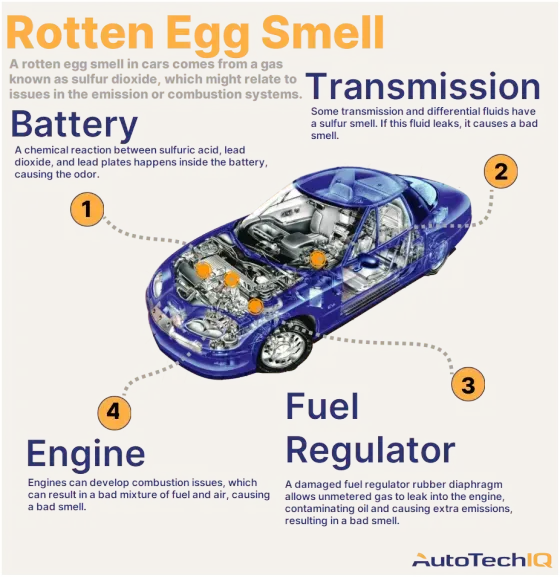
Credit: www.autotechiq.com
Causes Of Rotten Egg Smell
The rotten egg smell coming from a battery can be alarming. Understanding its causes helps you know what is happening inside the battery. This smell usually means there is a problem with the battery’s chemical process or parts. It is important to recognize these causes early to avoid further damage or safety risks.
Hydrogen Sulfide Gas
Hydrogen sulfide gas creates the rotten egg odor. This gas forms when sulfur in the battery reacts with other chemicals. It often happens if the battery leaks or breaks down. The gas is toxic and can be dangerous in large amounts. Proper ventilation is needed if this smell is strong.
Battery Overcharging
Overcharging the battery causes it to produce the foul smell. Too much charging increases heat inside the battery. Heat speeds up chemical reactions that release hydrogen sulfide gas. Overcharging also damages the battery’s internal parts. Using the correct charger prevents this issue.
Damaged Battery Components
Broken or cracked parts inside the battery can cause the odor. Damage allows chemicals to leak and react outside normal areas. Corroded or worn parts worsen the problem by exposing sulfur compounds. A damaged battery needs replacement to stop the smell and avoid hazards.
Types Of Batteries Prone To Odor
Batteries can sometimes emit a strong smell like rotten eggs. This odor often signals a problem inside the battery. Some types of batteries are more likely to produce this smell than others. Knowing which batteries are prone to this odor helps with safety and maintenance.
The rotten egg smell usually comes from hydrogen sulfide gas. This gas forms when battery chemicals leak or break down. Below are common battery types that may give off this smell.
Lead-acid Batteries
Lead-acid batteries are common in cars and backup power systems. They use sulfuric acid inside, which can release hydrogen sulfide gas if damaged. Overcharging or leaks cause this smell. These batteries need careful handling and regular checks.
Nickel-cadmium Batteries
Nickel-cadmium (NiCd) batteries appear in older electronics and power tools. They can emit a sulfur-like smell if overcharged or short-circuited. This happens due to internal chemical reactions. Proper charging avoids damage and odors.
Other Common Battery Types
Lithium-ion and alkaline batteries rarely smell like rotten eggs. But damaged lithium-ion batteries may release strange odors. Alkaline batteries can leak and cause a faint smell if old. Regular inspection helps catch problems early.
Health Risks And Safety Concerns
The smell of rotten eggs near a battery signals danger. This odor usually means hydrogen sulfide gas is present. Understanding the health risks and safety concerns is very important. Exposure to battery gases can harm your body. Unsafe conditions also raise the chance of fire or explosion. Proper care and knowledge help keep you safe.
Toxicity Of Battery Gases
Battery gases like hydrogen sulfide are toxic. Breathing in these gases can cause headaches and dizziness. High levels may lead to nausea or breathing trouble. Long exposure can damage your lungs and nervous system. Children, elderly, and people with health problems are most at risk. Avoid close contact with the gas to protect your health.
Fire And Explosion Hazards
Batteries can release flammable hydrogen gas. This gas can ignite from sparks or heat. Even a small spark can cause a big fire. Explosions can cause serious injuries and damage property. Avoid smoking or open flames near batteries. Treat battery leaks and smells as potential fire threats.
Proper Ventilation Needs
Good airflow helps remove harmful gases. Always use batteries in well-ventilated areas. Open windows or use fans to improve air circulation. Ventilation lowers gas concentration and reduces health risks. Never keep leaking batteries in closed, small rooms. Safe air helps prevent gas buildup and accidents.

Credit: www.reddit.com
Detecting And Diagnosing The Smell
Detecting and diagnosing the rotten egg smell from a battery is crucial for safety. This odor often signals a problem inside the battery. Knowing how to identify the source helps prevent damage and hazards. Start by checking the battery carefully and using your senses. Then, test its electrical condition to find the issue.
Visual Inspection
Look closely at the battery’s surface. Check for cracks, leaks, or corrosion on terminals. White or blue powder around the battery posts is a warning sign. Bulging or swelling of the battery case shows internal damage. Any visible damage means the battery needs attention or replacement. Clean dirt or dust before you inspect for clearer results.
Using Smell As An Indicator
The rotten egg smell comes from sulfur compounds inside the battery. This smell means the battery is leaking hydrogen sulfide gas. Detect the odor near the battery or inside the engine area. A strong smell usually means a serious leak or damage. Do not ignore this sign, as it can be dangerous.
Testing Battery Voltage And Condition
Use a multimeter to check the battery voltage. A healthy battery shows around 12.6 volts when fully charged. Lower voltage readings suggest the battery is weak or failing. Perform a load test to see if the battery holds charge under pressure. Many auto shops offer free battery testing for safety.
Preventing Rotten Egg Odors
Preventing rotten egg odors from batteries is important for safety and comfort. The smell usually comes from leaking hydrogen sulfide gas. This gas forms when the battery acid reacts with other materials. Simple steps can stop the smell before it starts. Regular care and proper handling keep batteries fresh and safe.
Regular Maintenance
Check your battery often for cracks or leaks. Clean the terminals with a mix of baking soda and water. This stops corrosion and bad smells. Tighten loose connections to avoid sparks and gas leaks. Replace old batteries to prevent damage and odors.
Correct Charging Practices
Use the right charger for your battery type. Avoid overcharging, which causes gas build-up and smell. Charge in a well-ventilated area to let gases escape. Follow the manufacturer’s instructions carefully. Turn off the charger once the battery is full.
Safe Storage Tips
Store batteries in a cool, dry place away from heat. Keep them upright to prevent acid leaks. Avoid storing near flammable materials or open flames. Check stored batteries regularly for swelling or damage. Dispose of old batteries properly to avoid hazards.

Credit: www.cuttergmc.com
Handling And Disposal Tips
Handling and disposing of a battery that smells like rotten eggs needs care. The smell usually means a leak or damage. This can be harmful to health and the environment. Follow proper steps to remove, dispose of, or recycle the battery safely.
Safe Battery Removal
Wear gloves and eye protection before touching the battery. Avoid touching the leaking fluid directly. Use tools to loosen the battery carefully. Keep the battery upright to stop spills. Place the battery in a sturdy plastic bag or container. Store it in a cool, dry place until disposal.
Disposal Regulations
Batteries with a rotten egg smell are hazardous waste. Many areas have laws for battery disposal. Never throw these batteries in regular trash. Check local rules for battery disposal sites. Follow guidelines to avoid fines and harm to nature. Proper disposal protects water and soil from damage.
Recycling Options
Many stores and recycling centers accept old batteries. Recycling recovers valuable materials and reduces pollution. Find a nearby battery recycling drop-off location. Use official programs that handle hazardous waste safely. Recycling helps keep the environment clean and safe for all.
Frequently Asked Questions
Why Does My Battery Smell Like Rotten Eggs?
A rotten egg smell from a battery usually indicates hydrogen sulfide gas. This gas forms when sulfuric acid inside the battery reacts with metal. It often means the battery is leaking, overcharging, or damaged, and requires immediate attention to avoid hazards.
Is A Rotten Egg Smell From Battery Dangerous?
Yes, the rotten egg smell signals hydrogen sulfide gas, which is toxic. Prolonged exposure can cause respiratory issues and irritation. It’s crucial to ventilate the area and handle the battery carefully or replace it promptly to ensure safety.
How To Stop Battery From Smelling Like Rotten Eggs?
To stop the smell, check for leaks and clean battery terminals. Avoid overcharging the battery and ensure proper ventilation. If the smell persists, the battery may be damaged and should be replaced immediately to prevent hazards.
Can A Rotten Egg Smell Indicate Battery Failure?
Yes, a rotten egg odor often signals battery failure or damage. It typically means the battery is leaking sulfur compounds. Ignoring this smell can lead to further damage or safety risks, so inspect or replace the battery promptly.
Conclusion
A battery that smells like rotten eggs signals a problem. This smell comes from leaking hydrogen sulfide gas. It can be dangerous for your health and your device. Always check your battery regularly for leaks or damage. Keep the area well-ventilated to avoid strong odors.
Replace any battery that smells bad or looks swollen. Taking quick action helps keep you safe and protects your electronics. Stay alert and handle batteries with care to prevent risks. Simple steps make a big difference in safety.