Tubed Vs Tubeless Tires: Ultimate Guide to Performance & Safety

Choosing the right tires can make a huge difference in how your bike feels and performs. If you’ve ever wondered whether tubed or tubeless tires are better for you, you’re not alone.
Both have their own benefits and drawbacks, and the choice might affect your ride comfort, speed, and even safety. By understanding the key differences, you can make a smarter decision that fits your riding style and needs. Keep reading, and you’ll discover which tire option could change the way you experience every ride.
Credit: nomadfrontiers.ca
Tubed Tires Basics
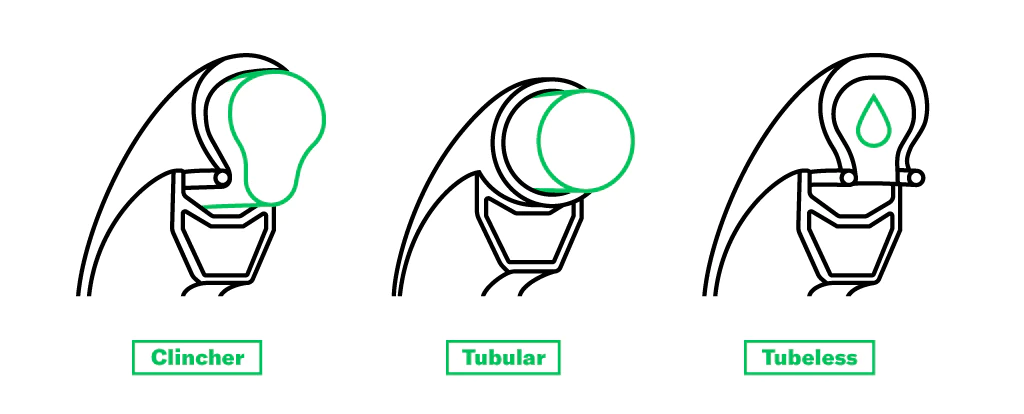
Tubed Tires Basics form the foundation of many bicycle tires in use today. These tires use a separate inner tube to hold air, unlike tubeless tires which do not require a tube. Understanding the design and components of tubed tires helps in learning about their tire performance, tire maintenance, and how they compare to tubeless tires. Tubed tires remain popular due to their simple design and ease of repair. They work well across many types of bicycles and riding conditions. Knowing their advantages and limitations can guide you in choosing the right tire for your needs.
Design And Components
Tubed tires consist of two main parts: the outer tire and the inner tube. The outer tire provides grip and protection on the road or trail. The inner tube holds the air pressure inside the tire. These two parts work together to offer a cushioned ride and absorb shocks.
- Outer Tire: Made of rubber with tread patterns for traction.
- Inner Tube: A flexible rubber tube that holds air.
- Rim: The wheel part where the tire and tube fit securely.
- Valve: Attached to the tube, used to inflate or deflate air.
The tire design allows easy replacement of the inner tube when punctured. The tube sits inside the tire and presses against the rim, creating a seal to keep air inside. Tubed tires usually require a rim strip to protect the tube from spoke ends inside the wheel rim.
| Component | Function | Material |
|---|---|---|
| Outer Tire | Provides grip and protection | Rubber with tread |
| Inner Tube | Holds air pressure | Flexible rubber |
| Rim | Supports tire and tube | Metal or alloy |
| Valve | Inflates and deflates air | Metal/plastic |
Advantages And Limitations
Tubed tires offer several advantages in bicycle tires, especially for riders who value simplicity and easy repair. Their tire design makes fixing punctures straightforward by replacing or patching the inner tube. This process requires no special tools or skills. Tubed tires also work well with many types of rims, including older models.
Key advantages include:
- Easy Tire Maintenance: Tubes are simple to remove and replace.
- Cost-Effective: Tubed tires are often cheaper than tubeless setups.
- Compatibility: Fit most bicycle rims without special modifications.
- Puncture Repair: Quick fixes with patches or tube changes.
Despite these benefits, tubed tires have some limitations in tire performance and puncture resistance. The inner tube can pinch or get punctured more easily than tubeless tires. They may also weigh more due to the extra tube. Tubed tires can lose air faster and need more frequent inflation. Their tire design does not allow as low tire pressure as tubeless tires, which can affect comfort and grip.
Common limitations include:
- Higher risk of pinch flats under rough conditions.
- More frequent air pressure loss requiring inflation.
- Extra weight from the tube increases rolling resistance.
- Less optimal puncture resistance compared to tubeless tires.
Credit: www.bridgestone.co.in
Tubeless Tires Basics
Tubeless tires have become a popular choice for many cyclists due to their unique design and benefits. Unlike traditional tubed tire design, tubeless tires do not use an inner tube to hold air. Instead, the tire and rim form an airtight seal, allowing for better tire air retention. Understanding the basics of tubeless tires helps in knowing how they improve cycling performance and tire puncture resistance. This section breaks down the design, components, advantages, and limitations of tubeless tires, highlighting their impact on tire maintenance and overall ride quality.
Design And Components
Tubeless tires use a different setup compared to tubed tires. The main feature is the absence of an inner tube. Instead, the tire itself creates an airtight seal with the rim. This design reduces the chance of pinch flats, common in tubed tires. The essential components include:
- Tubeless-compatible tire: Designed with a bead that fits tightly on the rim.
- Tubeless rim: Rim designed to create a strong seal without an inner tube.
- Sealant: Liquid added inside the tire to seal small punctures automatically.
- Valve stem: Special valve designed to keep air in without a tube.
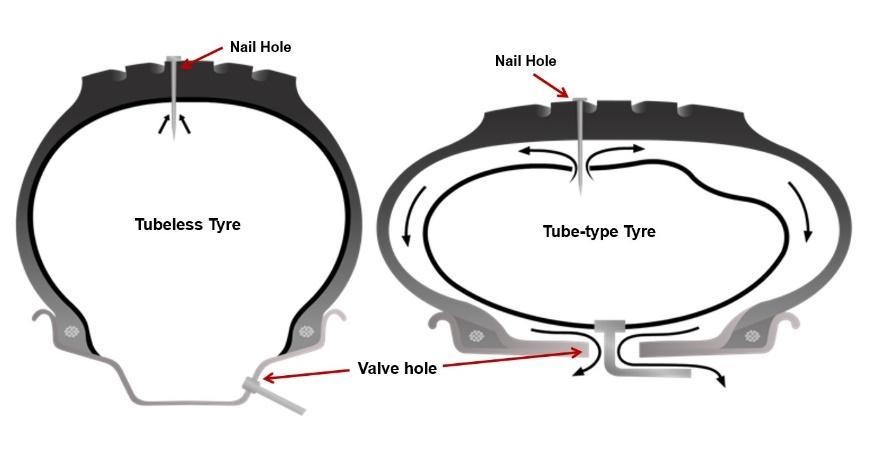
The sealant usage is a key part of tubeless tire technology. It flows inside the tire and quickly seals small holes caused by sharp objects. This feature enhances tire puncture resistance and reduces the need for frequent tire maintenance.
| Component | Function | Impact on Cycling |
|---|---|---|
| Tubeless Tire | Creates airtight seal with rim | Improves tire air retention and reduces flats |
| Sealant | Seals punctures automatically | Reduces downtime and tire maintenance |
| Tubeless Rim | Holds tire bead tightly | Ensures reliable air seal |
| Valve Stem | Keeps air sealed without inner tube | Maintains consistent tire pressure |
Advantages And Limitations
Tubeless tire benefits appeal to many cyclists for several reasons. One major advantage is improved tire air retention, which means fewer flats and longer ride times. Tubeless tires also offer better ride comfort because they allow lower tire pressure without risking pinch flats. This increases traction and control on rough terrain.
Other benefits include:
- Lighter tire weight comparison: No inner tube reduces overall wheel weight.
- Enhanced puncture resistance: Sealant quickly fixes small holes.
- Reduced tire maintenance: Less frequent repairs and tube replacements.
Despite these advantages, tubeless tires have some limitations. Setting up tubeless tires can be more complex and time-consuming than traditional tubed tires. Proper rim and tire compatibility is essential to maintain the air seal. Sealant must be checked and replaced regularly to ensure effectiveness. Tubeless tires may also require special tools during installation and repair.
| Advantages | Limitations |
|---|---|
| Better tire puncture resistance | Complex setup process |
| Improved cycling performance and comfort | Requires regular sealant maintenance |
| Lower tire weight compared to tubed tires | Needs tubeless-compatible rims and tires |
Performance Comparison
The performance comparison between tubed and tubeless tires reveals key differences in how they affect a bike’s ride and handling. Both options bring unique benefits and drawbacks to the cycling experience. Understanding these tire performance differences helps riders choose the best setup for their needs. This section covers aspects like ride comfort, puncture resistance, and weight efficiency to give a clear picture of how each tire type performs.
Ride Comfort And Handling
Ride comfort depends greatly on how tires absorb shocks and maintain grip on the road or trail. Tubeless tire advantages often include better ride smoothness because they allow for lower tire pressures without risking pinch flats. Lower pressure means the tire can deform more easily over bumps, reducing vibrations felt by the rider.
In contrast, tubed tires require higher pressure to avoid tube damage, which can make the ride harsher. The extra air volume in tubeless setups improves traction by increasing the contact patch with the ground. This leads to better handling, especially on uneven surfaces.
- Tubeless tires provide improved shock absorption and grip.
- Tubed tires may feel firmer and less forgiving.
- Lower pressure in tubeless tires enhances cornering and control.
| Feature | Tubeless Tire | Tubed Tire |
|---|---|---|
| Optimal Tire Pressure | Lower pressure possible | Requires higher pressure |
| Ride Smoothness | Better shock absorption | More vibration |
| Handling | Improved traction and control | Less grip on rough terrain |
Puncture Resistance
Tire puncture prevention is a major factor in choosing between tubed and tubeless tires. Tubeless tires have a sealant inside that automatically fills small holes, reducing the chance of flats. This self-sealing ability offers a clear edge over tubed tires, which rely on the tube to hold air and can be vulnerable to punctures.
Off-road tire options often favor tubeless setups for their ability to handle sharp objects and rough trails. Tubed tire benefits include easier patching and replacement but come with a higher risk of sudden flats. The sealant in tubeless tires adds some weight but improves overall reliability.
- Tubeless tires reduce flat tire risks with sealant.
- Tubed tires may need quick tube changes after punctures.
- Sealant maintenance is required for tubeless tires.
| Puncture Type | Tubeless Tire Response | Tubed Tire Response |
|---|---|---|
| Small puncture | Automatically sealed | Air loss, requires repair |
| Large cut | May leak, needs repair | Tube replacement needed |
| Pinch flat | Rare at low pressure | Common if pressure too low |
Weight And Efficiency
Tire weight impact influences how fast and easy it is to pedal. Tubeless tires typically weigh less because they eliminate the need for an inner tube. This weight saving can improve acceleration and reduce fatigue during long rides. The absence of a tube also means less friction inside the tire, boosting rolling efficiency.
However, tubeless tires require sealant, which adds some weight back. Tubed tires are simple and may weigh slightly more but do not need sealant. Cycling tire technology continues to advance, offering lighter tubeless options with better seals.
- Tubeless tires offer better rolling efficiency.
- Weight savings improve speed and energy use.
- Tubed tires are heavier but simpler to maintain.
| Aspect | Tubeless Tire | Tubed Tire |
|---|---|---|
| Weight | Usually lighter without tube | Heavier due to inner tube |
| Rolling Resistance | Lower, smoother rolling | Higher, tube friction present |
| Maintenance | Sealant refill needed | Tube patch or replace |
Maintenance And Repair
Maintenance and repair play a crucial role in the performance and lifespan of both tubed and tubeless tires. Proper care helps avoid unexpected flats and keeps the bicycle running smoothly. Understanding the differences in routine care and repair techniques ensures better Tire Performance Analysis and improves overall Tire Durability Comparison. This section explains how to maintain and repair these two types of tires effectively.
Routine Care For Tubed Tires
Tubed tires require regular attention to keep them in good shape. The Tire Installation Process involves fitting an inner tube inside the tire, which needs consistent Tire Pressure Management. Here are key steps for routine care:
- Check tire pressure before every ride to match recommended PSI.
- Inspect for wear and damage on the tire and tube.
- Keep tires clean to avoid dirt buildup that can cause punctures.
- Replace worn tubes promptly to prevent sudden flats.
- Store bicycle properly to avoid dry rot on the rubber.
One Tubed Tire Advantage is the ease of spotting and fixing punctures during routine checks. Tubed tires also allow simple inflation and quick swaps of tubes. Below is a comparison table summarizing routine care aspects:
| Care Aspect | Tubed Tires |
|---|---|
| Pressure Check | Daily or before ride |
| Cleaning | Regular to prevent debris |
| Tube Inspection | Required to avoid leaks |
| Storage | Cool, dry place |
Routine Care For Tubeless Tires
Tubeless Tire Benefits include fewer flats and better traction, but they need special care. Unlike tubed tires, they rely on Tire Sealing Technology inside the tire to self-seal small punctures. Proper Bicycle Tire Maintenance for tubeless tires includes:
- Maintain correct tire pressure to avoid damage and improve grip.
- Check sealant level regularly and top up as needed.
- Inspect tire surface for cuts or punctures.
- Clean valve and rim to ensure airtight seal.
- Rotate tires occasionally to balance wear.
Tire Pressure Management is crucial as tubeless tires perform best at specific PSI ranges. Sealant inside the tire dries out over time, so topping it up keeps Flat Tire Prevention active. The table below shows a quick overview:
| Care Aspect | Tubeless Tires |
|---|---|
| Pressure Check | Regular, precise |
| Sealant Maintenance | Every 2-6 months |
| Cleaning | Valve and rim required |
| Inspection | Focus on puncture-prone areas |
Repair Techniques
Tire Puncture Repair differs between tubed and tubeless tires. Tubed tires often require replacing or patching the tube. For tubeless tires, the Tire Sealing Technology can fix small punctures automatically, but larger damage needs manual repair.
Common repair steps for tubed tires:
- Remove the wheel and tire.
- Take out the inner tube carefully.
- Locate the puncture by inflating the tube and listening or feeling for air leaks.
- Patch the puncture using a repair kit or replace the tube.
- Reinstall tire and tube, then inflate to correct pressure.
For tubeless tires, repair includes:
- Using a tubeless plug kit to seal larger punctures.
- Reapplying sealant if needed after repair.
- Checking the rim tape for damage and replacing it if necessary.
Below is a quick comparison of repair methods:
| Repair Step | Tubed Tires | Tubeless Tires |
|---|---|---|
| Locate Puncture | Inflate and listen | Visual inspection and sealant check |
| Fix Method | Patch or replace tube | Plug puncture and add sealant |
| Reinstallation | Replace tube, inflate tire | Reinflate and check seal |
Cost And Availability
The debate between tubed and tubeless tires often centers on performance, but cost and availability play a big role too. Choosing the right tire affects your budget and how easily you find replacements or repair parts. Understanding these factors helps make a smart choice for your bike setup. Both options have pros and cons in price, ease of purchase, and upkeep. This section breaks down the financial aspects of tubed and tubeless tires, focusing on initial investment and long-term expenses.
Initial Investment
The first cost of tubed and tubeless tires varies significantly. Tubeless tires usually require a larger upfront payment due to their design and necessary accessories. The tire installation process for tubeless models can be more complex, often needing special rim tape, sealant, and valves. This adds to the initial cost but brings benefits like better puncture resistance and improved ride quality differences.
Tubed tires are simpler and cheaper to buy. They come ready to install and do not need extra parts. This makes them accessible for many riders and easier to find in shops or online.
| Aspect | Tubed Tires | Tubeless Tires |
|---|---|---|
| Average Tire Cost | $20 – $40 | $40 – $80 |
| Required Accessories | None | Sealant, Tubeless Valve, Rim Tape |
| Tire Installation Process | Simple, quick | More time and skill needed |
| Availability | Widespread, easy to find | Less common, specialty shops |
- Tubeless tire benefits include fewer flats and lighter weight.
- Tubed tire advantages include lower price and easier installation.
- Not every bike shop stocks tubeless tires or parts.
Long-term Expenses
Over time, the cost of maintaining tubed and tubeless tires differs. Tubeless tires often reduce the tire maintenance cost due to fewer punctures and longer tire durability. The sealant inside tubeless tires can fix small holes automatically, lowering the need for repairs.
Tubed tires may require more frequent patching or tube replacements, especially if ridden on rough roads. The repair techniques for tubed tires are simple and cheap but happen more often. Tubeless tires may need sealant refills and occasional valve replacements.
| Expense Type | Tubed Tires | Tubeless Tires |
|---|---|---|
| Frequency of Repairs | High (tube patches or replacements) | Low (sealant fixes small punctures) |
| Cost per Repair | $5 – $15 | $10 – $20 (sealant and parts) |
| Tire Weight Impact on Wear | Heavier tires may wear faster | Lighter tires last longer |
| Long-term Durability | Moderate | Generally higher |
- Tire weight impact affects how quickly tires wear out.
- Bicycle tires comparison shows tubeless models may save money over years.
- Both options need regular checks for safety and performance.
Best Uses And Suitability
Choosing between tubed and tubeless tires depends on the type of cycling and riding conditions. Both options affect cycling performance, tire durability, and tire rolling resistance. Understanding their best uses and suitability helps riders pick the right bicycle tires. Factors like tire pressure, air retention, rim compatibility, and ease of bike maintenance come into play. This section explores how tubed and tubeless tires perform in different cycling styles.
Road Cycling
Road cyclists often prioritize cycling performance and low tire rolling resistance. Tubeless tires offer a slight edge due to better air retention and the ability to run at lower tire pressure. This reduces rolling resistance and improves comfort on smooth roads.
Tubeless tires also lower the risk of flats by using tire sealant, which seals small punctures automatically. This reduces the need for frequent tire puncture repair and helps maintain consistent pressure during long rides.
Tubed tires, while easier to install and maintain, can be heavier and have higher rolling resistance. They suit riders who prefer simple bike maintenance or use older wheels that may lack rim compatibility for tubeless setups.
| Feature | Tubed Tires | Tubeless Tires |
|---|---|---|
| Rolling Resistance | Higher | Lower |
| Flat Protection | Lower | Higher (with sealant) |
| Weight | Heavier | Lighter |
| Maintenance | Simple | Moderate |
Mountain Biking
Mountain biking demands strong tire durability and excellent grip on rough terrain. Tubeless tires excel here by allowing lower tire pressure without risking pinch flats. This increases traction and control on rocks and roots.
Tire sealant in tubeless setups quickly seals small punctures, reducing stops for tire puncture repair. This keeps the ride smooth and less interrupted.
Tubed tires are still popular in mountain biking for their simple repair process on trails. They fit most rims easily and require less attention to air retention. However, higher tire rolling resistance and pinch flat risk are downsides.
- Tubeless: Better grip, fewer flats, needs compatible rims
- Tubed: Easier to fix on trail, more prone to flats
The choice depends on rider skill, trail difficulty, and willingness to manage bike maintenance in the field.
Commuting And Touring
Commuters and touring cyclists value reliability and ease of bike maintenance. Tubed tires work well here because they are simple to install and repair during long trips.
Tubeless tires offer better air retention and fewer flats due to tire sealant, but require careful setup and compatible rims. Touring riders carrying tools might prefer tubed tires for quick tire puncture repair without sealant mess.
For daily commuters, tubed tires provide a balance of durability and easy maintenance. Tubeless tires suit those who want fewer flats and are comfortable with regular checks on tire pressure and sealant levels.
| Criteria | Tubed Tires | Tubeless Tires |
|---|---|---|
| Maintenance Ease | High | Moderate |
| Flat Resistance | Moderate | High |
| Suitability for Long Trips | Good | Better (with prep) |
| Weight | Higher | Lower |
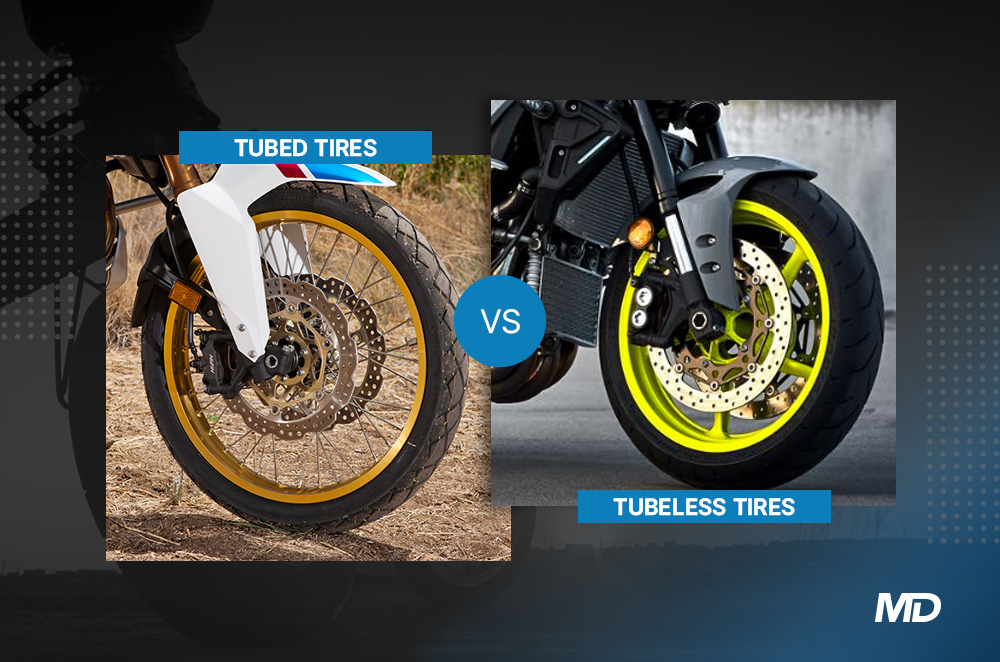
Credit: www.motodeal.com.ph
FAQs For Tubed Vs Tubeless Tires
What Are The Main Differences Between Tubed And Tubeless Tires?
Tubed tires use an inner tube to hold air, while tubeless tires seal air directly inside the tire. Tubeless tires reduce punctures and weight, improving performance and comfort compared to tubed tires.
Are Tubeless Tires Better For Off-road Biking?
Yes, tubeless tires provide better traction and fewer flats off-road. They allow lower air pressure, enhancing grip and shock absorption on rough terrain.
How Do Tubeless Tires Prevent Punctures Effectively?
Tubeless tires use sealant inside, which quickly seals small punctures. This reduces flat tires and improves reliability during rides.
Can I Convert Tubed Tires To Tubeless Easily?
Conversion is possible but requires compatible rims and tires. Proper sealing and installing sealant are crucial for tubeless setup success.
Conclusion
Choosing between tubed and tubeless tires depends on your needs. Tubed tires are simple and easy to fix. Tubeless tires offer better performance and fewer flats. Each type has pros and cons to consider. Think about your riding style and terrain.
Comfort, maintenance, and cost also matter. Both options work well for many riders. Test both if you can. This helps you find the best fit. Your choice will affect your bike’s ride. Choose wisely for a safer, smoother experience.