Voltmeter Vs Multimeter: Key Differences You Must Know Today

Are you confused about whether to use a voltmeter or a multimeter for your electrical projects? Knowing the difference can save you time, money, and frustration.
Both tools measure electricity, but they serve different purposes and work in unique ways. By understanding how each tool functions and when to use them, you’ll feel more confident tackling your tasks. Keep reading to discover which device fits your needs best and avoid common mistakes that beginners often make.
Your next project will thank you!

Credit: www.youtube.com
Voltmeter Basics
A voltmeter is an essential electronic instrument designed to measure electrical potential difference between two points in a circuit. Understanding Voltmeter Basics helps users distinguish it from other tools like multimeters. Both are vital in electrical diagnostics, but their functions differ. A multimeter combines several measurement capabilities, including voltage, current, and resistance measurement, while a voltmeter focuses specifically on voltage measurement. This section explains the core aspects of voltmeters to improve your knowledge of electrical testing tools.
Purpose And Use
The primary purpose of a voltmeter is to measure the voltage in electrical circuits accurately. This function helps technicians and hobbyists check if circuits work properly and find electrical faults. Voltage measurement is critical in many applications, from simple battery checks to complex electrical diagnostics.
- Electrical Testing Tools: Voltmeters are used in homes, industries, and laboratories for safety checks and troubleshooting.
- Measurement Accuracy: Good voltmeters provide precise readings, which are necessary for reliable diagnostics.
- Simple Operation: Connecting the voltmeter in parallel with the component or circuit part allows voltage measurement without interrupting the circuit.
Using a voltmeter alone is helpful for tasks focused on voltage. However, for combined measurements like current and resistance, multimeter functions are preferred. Knowing when to use a voltmeter or a multimeter improves efficiency and accuracy in electrical tasks.
Types Of Voltmeters
Two main types of voltmeters exist: analog voltmeters and digital voltmeters. Each type offers distinct features suited for different needs.
| Type | Description | Advantages | Disadvantages |
|---|---|---|---|
| Analog Voltmeter | Uses a moving needle to show voltage on a scale. |
|
|
| Digital Voltmeter | Displays voltage as numbers on a screen. |
|
|
Choosing between analog and digital voltmeters depends on the required accuracy and the type of electrical diagnostics. Digital voltmeters dominate modern electrical testing tools due to their precision and clarity.
Measurement Units
Voltmeter readings are always given in volts (V), the standard unit of electrical potential difference. Understanding units helps interpret results correctly during electrical diagnostics.
Sometimes, you may see subunits or multiples of volts used in measurements:
- Millivolts (mV): One-thousandth of a volt, used for very small voltage values.
- Kilovolts (kV): One thousand volts, common in high voltage applications.
Multimeter functions often display voltage along with current (amperes, A) and resistance (ohms, Ω). Voltmeters focus solely on voltage, making them specialized tools for voltage measurement.
Accurate voltage measurement depends on the voltmeter’s design. Digital voltmeters offer better measurement accuracy than analog models. Accurate readings help prevent damage to electronic instruments and ensure safe operation.
Multimeter Essentials
Understanding the difference between a voltmeter and a multimeter is key for anyone working with electrical devices. While a voltmeter focuses solely on measuring voltage, a multimeter offers a wider range of functions. Multimeter essentials cover the tools and features needed to measure voltage, current, resistance, and more. These instruments serve as vital electrical testing tools for both beginners and professionals. Knowing multimeter features and measurement capabilities helps you choose the right device for your needs.
Functions And Features
A multimeter combines several electrical testing tools into one device. Its main functions include measuring voltage, current, and resistance. Some advanced models also test continuity, capacitance, and temperature. Multimeter measurement capabilities make it more versatile than a simple voltmeter, which only measures voltage.
- Voltage Measurement: Measures both AC and DC voltage.
- Current Measurement: Detects electrical current flow in circuits.
- Resistance Measurement: Checks the resistance level in components.
- Continuity Testing: Verifies if a circuit is complete without breaks.
- Additional Features: Some multimeters include diode testing and frequency measurement.
Here is a quick comparison of voltmeter functions versus multimeter features:
| Feature | Voltmeter | Multimeter |
|---|---|---|
| Voltage Measurement | Yes | Yes |
| Current Measurement | No | Yes |
| Resistance Measurement | No | Yes |
| Continuity Testing | No | Yes |
Types Of Multimeters
Types of multimeters vary by design and function. The two main categories are handheld and benchtop multimeters. Handheld models are portable and perfect for fieldwork. Benchtop multimeters offer higher precision and extra features for lab use.
Multimeters also differ by their measurement range and purpose. Some focus on basic voltage and current tests. Others include special functions for automotive or industrial applications.
- Basic Multimeters: Provide essential voltage, current, and resistance measurements.
- Auto-Ranging Multimeters: Automatically select the correct range for the measurement.
- Clamp Meters: Measure current without disconnecting the circuit by clamping around a wire.
- Specialized Multimeters: Designed for specific uses, such as HVAC or automotive diagnostics.
Choosing the right type depends on the tasks you need to perform and the environment you work in.
Digital Vs Analog
Digital and analog multimeters differ in display and accuracy. Digital multimeters show results with numbers on an LCD screen. Analog voltmeter usage relies on a needle and dial to show readings. Both have benefits and drawbacks.
Digital multimeter advantages include precise readings and easy-to-read displays. They often have additional functions like data hold and auto-ranging. Digital models are popular for their accuracy and user-friendly design.
Analog voltmeter usage remains valuable for observing trends and changes in readings over time. The needle movement gives a visual sense of how values fluctuate. Analog meters are simple and do not require batteries for some functions.
| Feature | Digital Multimeter | Analog Voltmeter |
|---|---|---|
| Display | LCD numeric | Needle and dial |
| Accuracy | High | Moderate |
| Power Source | Battery required | Sometimes no battery needed |
| Ease of Use | Simple to read | Good for trends |
Understanding multimeter vs voltmeter accuracy helps in selecting the best instrument. Digital multimeters suit precise measurements. Analog devices fit quick checks and visual monitoring.
Key Differences
Understanding the key differences between a voltmeter and a multimeter helps in choosing the right electrical measurement tool for your needs. Both are essential in circuit diagnostics tools, but they vary in function and design. A voltmeter measures voltage specifically, while a multimeter offers multiple testing options. This section breaks down these differences clearly.
Measurement Capabilities
A voltmeter focuses solely on voltage measurement. It reads the potential difference between two points in an electrical circuit. This tool is ideal for quickly checking if a device or circuit has power. However, it cannot measure other important electrical properties.
A multimeter, on the other hand, combines several functions in one device. It tests current and resistance along with voltage. This makes it a versatile tool for troubleshooting and analyzing circuits.
- Voltmeter Functions: Measures only voltage (AC or DC).
- Multimeter Uses: Measures voltage, current, and resistance.
- Some multimeters also test continuity, diodes, and capacitance.
Here is a quick comparison:
| Feature | Voltmeter | Multimeter |
|---|---|---|
| Voltage Measurement | Yes | Yes |
| Current Measurement | No | Yes |
| Resistance Measurement | No | Yes |
| Additional Tests | No | Continuity, Diode, Capacitance |
Design And Components
The design of a voltmeter is simple and focused. It usually contains a needle or a digital display that shows voltage values. The internal components are built specifically for voltage measurement, using sensitive circuits to detect potential difference.
A multimeter’s design is more complex. It includes various multimeter components that enable multiple functions. These include:
- Selector switch to choose measurement type (voltage, current, resistance)
- Probes for connecting to circuits
- Display screen for readings (digital or analog)
- Internal shunt resistors and sensors for current measurement
Both tools come as digital vs analog meters. Digital versions provide clear numeric readings. Analog meters use a needle on a scale. Digital multimeters are favored for their ease of use and accuracy.
Accuracy And Precision
Instrument accuracy is key in electrical testing. Voltmeters are designed for precise voltage measurement and often provide very accurate readings within their range. They focus on a single parameter, allowing them to be finely tuned.
Multimeters offer good precision in electrical testing but can vary based on the quality of the device. Since they measure multiple parameters, they may sacrifice some accuracy compared to specialized voltmeters. Still, many modern multimeters achieve high accuracy levels suitable for most tasks.
- Voltmeters excel in voltage accuracy.
- Multimeters balance accuracy across voltage, current, and resistance.
- Calibration is important for both tools to maintain accuracy.
- Digital multimeters typically provide better precision than analog ones.
Choosing between these tools depends on the required accuracy and the type of measurement needed. For focused voltage tasks, a voltmeter is ideal. For broader circuit diagnostics tools, a multimeter works best.
Applications In Real Life
Understanding the practical uses of a voltmeter and multimeter is key to choosing the right tool for electrical tasks. Both devices serve important roles in real life, from simple home repairs to complex professional diagnostics. Electrical measurement instruments like these help measure voltage, current, and resistance, making electrical work safer and more efficient. Their applications vary widely, but both are essential in troubleshooting and testing circuits.
Electrical Troubleshooting
Electrical troubleshooting requires precise tools to identify faults and ensure safety. A voltmeter focuses on measuring voltage, showing the potential difference in a circuit. It is useful for quick voltage checks across components. On the other hand, a multimeter combines many functions, including voltage, current, and resistance measurements. This makes it a versatile electrical troubleshooting tool for diagnosing problems like short circuits, broken wires, or faulty components.
Common troubleshooting tasks include:
- Checking battery voltage
- Verifying circuit continuity
- Measuring resistance to find damaged wires
- Testing current flow in appliances
Here is a simple comparison table showing the roles of both devices in troubleshooting:
| Function | Voltmeter | Multimeter |
|---|---|---|
| Voltage Measurement | Yes (Digital Voltmeter Applications) | Yes |
| Current Measurement | No | Yes |
| Resistance Measurement | No | Yes |
| Continuity Testing | No | Yes |
Using the right tool saves time and ensures accurate results during professional electrical diagnostics or home repairs.
Diy Projects
Many people enjoy diy electronics testing for small projects at home. A multimeter is perfect for beginners because of its multiple functions. It helps measure voltage, current, and resistance in one device. Beginners learn to use multimeter features like setting ranges and reading digital displays.
A voltmeter alone might be limited for complex DIY work but remains useful for simple voltage checks. Multimeters help in:
- Testing batteries and power supplies
- Checking LED polarity and connections
- Verifying circuit continuity before powering devices
- Measuring resistance in resistors and coils
For easy reference, here is a quick guide for multimeter for beginners in DIY projects:
- Always start with voltage measurement mode.
- Use continuity mode to check wiring.
- Measure resistance to ensure components are not damaged.
- Be careful to select the correct range to avoid damage.
Analog vs digital multimeter debate often arises in DIY circles. Digital models offer easier reading and more functions, making them popular for home use.
Professional Use Cases
In professional settings, electrical troubleshooting tools must be accurate and reliable. Multimeters with advanced features are common for professional electrical diagnostics. They provide detailed readings for voltage, current, and resistance, essential for testing industrial machinery and electrical panels.
Voltmeter functions are still important for quick voltage checks, but professionals prefer multimeters due to their versatility. Typical uses include:
- Testing electrical installations for safety compliance
- Diagnosing faults in motor windings and transformers
- Performing insulation resistance tests
- Verifying electrical parameters during equipment maintenance
Professionals often choose digital multimeters for their accuracy and ease of use. The ability to measure multiple parameters with one device speeds up troubleshooting and reduces equipment needs. Understanding analog vs digital multimeter helps professionals select tools that fit their specific tasks.
Choosing The Right Tool
Choosing the right tool between a voltmeter and a multimeter is essential for accurate and safe electrical work. Both devices serve important roles in electrical diagnostics equipment but differ in function and features. Understanding their strengths helps in selecting the best option for your task. This guide focuses on key points for choosing the right meter for your needs.
Factors To Consider
Several factors influence the choice between a voltmeter and a multimeter. Both are voltage measurement tools, but their capabilities vary significantly. A voltmeter measures voltage only, while a multimeter can measure current and resistance as well. This makes multimeters more versatile for general electrical testing devices.
Consider these points:
- Measurement Needs: Do you need to measure only voltage or also current and resistance?
- Type of Work: Simple voltage checks or detailed electrical diagnostics?
- Accuracy and Precision in Measurement: Digital multimeters often provide higher accuracy than analog voltmeters.
- User Experience: Some users prefer analog voltmeter usage for visual trends, while others prefer digital readouts.
| Feature | Voltmeter | Multimeter |
|---|---|---|
| Measures Voltage | Yes | Yes |
| Measures Current | No | Yes |
| Measures Resistance | No | Yes |
| Display Type | Analog | Digital or Analog |
| Suitable For | Basic Voltage Checks | Comprehensive Electrical Testing |
Budget And Requirements
Budget plays a major role in choosing electrical testing devices. Voltmeter options tend to be more budget-friendly but offer limited functions. Multimeters come in various price ranges based on features and brand quality.
Consider your requirements carefully. If your work involves basic voltage measurement, an analog voltmeter may suffice. For tasks requiring measuring current and resistance, a digital multimeter is a better investment.
Points to weigh:
- Budget-Friendly Multimeter Options: Basic digital multimeters are affordable and provide multiple functions.
- Long-Term Use: Multimeters offer more value for complex or frequent electrical diagnostics.
- Digital Multimeter Features: Auto-ranging, backlit display, and data hold functions add convenience.
- Cost vs. Functionality: Higher-priced multimeters offer better accuracy and durability.
Here is a simple cost comparison:
| Device | Average Price Range | Main Use |
|---|---|---|
| Analog Voltmeter | $10 – $30 | Voltage Measurement Only |
| Basic Digital Multimeter | $15 – $50 | Voltage, Current, Resistance |
| Advanced Digital Multimeter | $50 – $200+ | Enhanced Accuracy and Features |
Safety Aspects
User safety in electrical testing is critical. Both voltmeters and multimeters require proper handling to avoid accidents. Multimeters often include safety features that protect users during high-voltage or current tests.
Important safety points:
- Insulation Quality: Use devices with good insulation to prevent electric shock.
- Rated Voltage: Choose meters rated for the voltage level you will test.
- Fused Probes: Multimeters with fused probes reduce risk during current measurement.
- Proper Usage: Follow manufacturer guidelines strictly for both voltmeters and multimeters.
Safety features comparison:
| Safety Feature | Voltmeter | Multimeter |
|---|---|---|
| Insulation Protection | Basic | Enhanced |
| Overload Protection | Limited | Yes |
| Fused Probes | No | Yes |
| Voltage Rating | Lower | Higher |
Choosing a meter with safety certifications improves user safety in electrical testing. Always wear protective gear and work carefully.
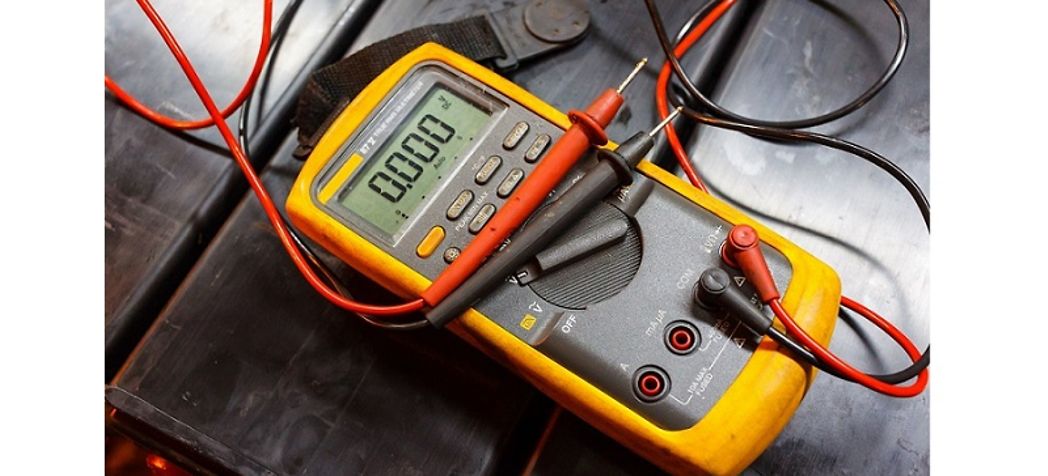
Credit: www.partstown.com

Credit: www.differencebetween.net
Frequently Asked Questions
What Is The Main Difference Between Voltmeter And Multimeter?
A voltmeter only measures voltage, while a multimeter measures voltage, current, and resistance. Multimeters are versatile tools for electrical testing. Voltmeters are specialized for voltage measurement only.
Can A Multimeter Replace A Voltmeter?
Yes, a multimeter can replace a voltmeter. It provides voltage readings along with other measurements. This makes multimeters more useful for varied electrical tasks.
When Should I Use A Voltmeter Instead Of Multimeter?
Use a voltmeter for simple, dedicated voltage measurements. It offers higher accuracy in voltage detection. Multimeters are better for general electrical diagnostics.
Are Multimeters More Cost-effective Than Voltmeters?
Multimeters are generally more cost-effective due to their multifunctionality. They combine several tools into one device. Voltmeters are usually cheaper but limited in use.
Conclusion
Both voltmeters and multimeters help measure electrical values. Voltmeters focus only on voltage, making them simple to use. Multimeters measure voltage, current, and resistance, offering more functions. Choosing the right tool depends on your needs and tasks. For basic voltage checks, a voltmeter works fine.
For varied measurements, a multimeter saves time and effort. Knowing their uses helps you work safely and efficiently. Keep your tools in good shape for best results. Understanding these differences makes your electrical work easier.