How To Replace Battery Terminals

Is your car struggling to start or showing signs of electrical trouble? The problem might be your battery terminals.
Knowing how to replace battery terminals can save you time, money, and frustration. In this guide, you’ll learn simple steps to get your battery connections back in top shape, even if you’ve never done it before. Keep reading, and you’ll soon have the confidence to fix this common issue yourself—no mechanic needed.
Credit: www.ifixit.com
Tools And Materials Needed
Replacing battery terminals requires the right tools and materials. Using proper equipment makes the job safe and easy. This section lists the tools and materials needed for the task.
Essential Tools
You need a wrench or socket set to remove old terminals. A wire brush helps clean battery posts and cable ends. Use pliers to bend or twist wires if needed. Safety gloves protect your hands from acid and dirt. A screwdriver can help loosen clamps on some terminals. Keep a clean cloth nearby to wipe surfaces.
Choosing Replacement Terminals
Choose terminals that fit your battery size and cable thickness. Most cars use lead or brass terminals. Brass terminals resist corrosion better. Make sure terminals have strong clamps for tight connections. Look for terminals with easy-to-use screws or bolts. Check if terminals come with protective covers to avoid sparks. Match the positive and negative terminals carefully to avoid mistakes.
Safety Precautions
Safety is the top priority when replacing battery terminals. Car batteries hold strong electrical energy. Mishandling can cause shocks, burns, or damage. Taking simple safety steps protects you and your vehicle. Follow these key precautions carefully before starting the job.
Protective Gear
Wear safety glasses to shield your eyes from sparks. Use gloves to protect your hands from acid and dirt. Long sleeves help avoid skin contact with battery acid. Avoid loose clothing that can catch on parts. Proper gear reduces injury risk during the process.
Disconnecting The Battery Safely
Always disconnect the negative terminal first. This stops electrical flow and lowers shock risk. Use a wrench to loosen the terminal clamp gently. Avoid touching both terminals at once. Remove the negative cable and keep it away from the battery. Then disconnect the positive terminal carefully.
Removing Old Battery Terminals
Removing old battery terminals is the first step in replacing them safely. This process helps prevent damage to the battery and your vehicle. It also prepares the battery for new, clean terminals. Follow clear steps to remove the old parts without trouble.
Loosening Terminal Clamps
Start by turning off the engine and removing the keys. Use a wrench to loosen the nut on the terminal clamp. Turn the nut counterclockwise until the clamp is free. Gently twist and pull the clamp off the battery post. Remove the negative terminal first to avoid sparks. Then, do the same with the positive terminal.
Cleaning Terminal Posts
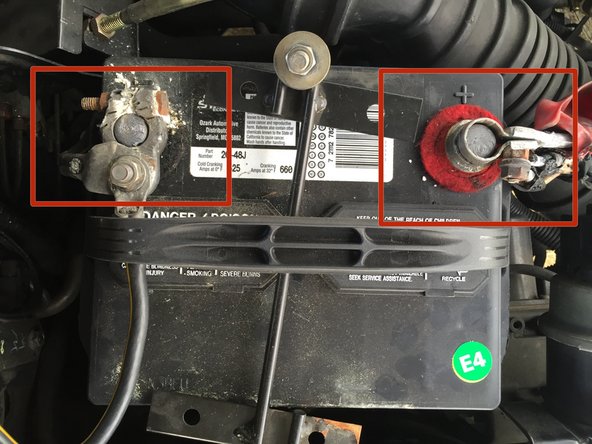
After removing the clamps, clean the battery posts. Use a wire brush or battery cleaning tool. Remove all dirt, corrosion, and residue. Cleaning helps the new terminals connect well. Wipe the posts with a clean cloth. This step ensures a good electrical connection and longer battery life.

Credit: www.reddit.com
Installing New Battery Terminals
Installing new battery terminals is a key step in maintaining your vehicle’s electrical system. Proper installation ensures a strong connection and prevents power issues. This process needs care and precision to avoid future problems. Follow these steps to install battery terminals correctly and safely.
Fitting Terminals Correctly
Start by choosing the right terminals for your battery size. Place the new terminal over the battery post. Make sure it fits snugly without forcing it. A loose fit can cause poor connection and electrical faults. Align the terminal so it sits evenly on the post. Check that no wires are pinched or bent.
Securing Terminal Clamps
Use a wrench to tighten the terminal clamp bolts. Tighten until the terminal does not move but avoid over-tightening. Over-tightening can damage the battery post or terminal. Ensure the clamps hold the cables firmly. Give a slight tug on the cables to test security. Clean any corrosion before finishing to keep the connection clean.
Testing The New Connections
Testing the new battery terminals is a key step after installation. It ensures the connections work well and are safe. Proper testing prevents future electrical problems and keeps your vehicle running smoothly.
This process involves checking the fit of the terminals and verifying the electrical flow. Both checks confirm that the battery is connected correctly and ready to use.
Checking For Proper Fit
Start by inspecting the terminals. They should fit snugly on the battery posts. Loose terminals can cause poor contact and electrical issues. Tighten the clamps by hand first. Then use a wrench to secure them firmly. Avoid over-tightening, which can damage the battery posts.
Look for any gaps or movement. The terminals must not wiggle or slide off easily. A good fit improves power flow and stops corrosion buildup. Check both positive and negative terminals carefully.
Verifying Electrical Performance
Next, test the electrical connection with a multimeter. Set the meter to measure voltage. Place the probes on the battery terminals. The reading should match the battery’s rated voltage, usually around 12.6 volts for a full charge.
Check for voltage drops by starting the engine. A small drop is normal, but large drops mean poor connections. Also, turn on the headlights or other electrical parts. They should work without flickering or dimming.
Good electrical performance shows the new terminals work correctly. If issues appear, recheck the fit and clean the terminals again.

Credit: www.youtube.com
Maintenance Tips For Battery Terminals
Maintaining battery terminals helps your vehicle run smoothly. Clean and secure terminals prevent starting problems. Simple care extends battery life and saves money. Follow these tips to keep terminals in good shape.
Preventing Corrosion
Corrosion looks like white or green powder on terminals. It blocks electrical flow and causes weak starts. Clean terminals with a mixture of baking soda and water. Use a brush to remove corrosion gently. Apply petroleum jelly or terminal protectors to stop corrosion from returning.
Regular Inspection Routine
Check battery terminals every month. Look for loose connections and dirt buildup. Tighten any loose clamps with a wrench. Clean terminals if you see corrosion or dirt. Regular checks help avoid sudden battery failure. A quick inspection saves time and hassle later.
Frequently Asked Questions
What Tools Are Needed To Replace Battery Terminals?
You need a wrench, wire brush, battery terminal puller, and replacement terminals. Safety gloves and goggles are recommended for protection during the process.
How Do I Safely Disconnect Battery Terminals?
Always disconnect the negative terminal first to avoid sparks. Then remove the positive terminal carefully to prevent short circuits or damage.
Can I Use Pliers To Remove Battery Terminals?
Pliers can be used if a wrench is unavailable, but they may damage terminals. A proper wrench ensures a secure and safe removal.
How To Clean Battery Terminals Before Replacement?
Use a wire brush or battery terminal cleaner to remove corrosion. Cleaning ensures better electrical contact and extends battery life.
Conclusion
Replacing battery terminals can save time and money. Follow each step carefully for safety. Use the right tools and clean parts well. Tighten connections to avoid future problems. Check your work before starting the engine. Regular battery care helps your car run smoothly.
Keep an eye on terminals to prevent issues. Simple fixes can extend your battery’s life. You can do this job yourself with some patience. Stay safe and take your time.