Why Does My Motorcycle Exhaust Pop When Decelerating 2026

If your motorcycle exhaust pops when decelerating, it’s usually due to unburned fuel igniting in the exhaust system. This common issue—often called “backfiring” or “afterfire”—can stem from lean fuel mixtures, faulty ignition timing, or exhaust leaks. While occasional popping is normal on some bikes, frequent or loud pops may signal a deeper mechanical issue that needs attention.
Key Takeaways
- Unburned fuel in the exhaust: Fuel that doesn’t combust in the cylinder can ignite in the hot exhaust, causing pops.
- Lean air-fuel mixture: Too much air and not enough fuel leads to incomplete combustion and afterfire.
- Ignition timing issues: Late or erratic spark timing can leave fuel unburned until it hits the exhaust.
- Exhaust leaks: Oxygen entering the exhaust system can trigger secondary combustion of residual fuel.
- Aftermarket modifications: Performance exhausts or air filters without proper tuning often increase popping.
- Decel fuel cut-off systems: Modern fuel-injected bikes may cut fuel on deceleration, leading to lean conditions and pops.
- Normal on some models: Certain motorcycles (like Harley-Davidsons) are designed to pop slightly as a stylistic feature.
Quick Answers to Common Questions
Is it normal for a motorcycle to pop on deceleration?
Yes, mild popping is normal on many motorcycles, especially those with performance exhausts or decel fuel cut-off systems. However, frequent or loud pops may indicate a problem.
Can a bad O2 sensor cause exhaust popping?
Absolutely. A faulty oxygen sensor can send incorrect data to the ECU, leading to a lean mixture and incomplete combustion—both common causes of decel popping.
Will changing the exhaust fix popping?
Not necessarily. While a restrictive stock muffler might muffle pops, switching to a freer-flowing exhaust without tuning can actually worsen the issue by increasing exhaust temperature and airflow.
Does popping hurt my engine?
Occasional popping won’t harm your engine, but chronic afterfire can overheat exhaust components and damage sensors or gaskets over time.
How do I stop my bike from popping when I let off the throttle?
Start by checking for exhaust leaks, ensuring proper air-fuel mixture, and getting a professional tune if you’ve modified your bike. Resetting the ECU or updating firmware may also help.
📑 Table of Contents
Understanding Motorcycle Exhaust Popping: What’s Really Happening?
If you’ve ever been riding your motorcycle, rolled off the throttle, and heard a loud “pop” or “bang” from the exhaust, you’re not alone. This phenomenon—commonly called exhaust popping or decel popping—is one of the most frequently asked-about issues among riders in 2026. While it might sound alarming (or even cool, depending on your taste), it’s important to understand what’s actually going on under the hood—or rather, under the seat and behind the pipes.
At its core, exhaust popping occurs when unburned fuel makes its way into the hot exhaust system and ignites unexpectedly. Instead of burning efficiently in the combustion chamber during the power stroke, this fuel gets pushed out with the exhaust gases. When it encounters high temperatures and oxygen in the muffler or header, it combusts again—creating that sharp, percussive sound. While occasional pops are normal, especially on older carbureted bikes or certain performance models, frequent or excessively loud popping can indicate an underlying problem that affects performance, fuel economy, and even emissions.
Common Causes of Deceleration Popping in 2026 Motorcycles
Lean Air-Fuel Mixture
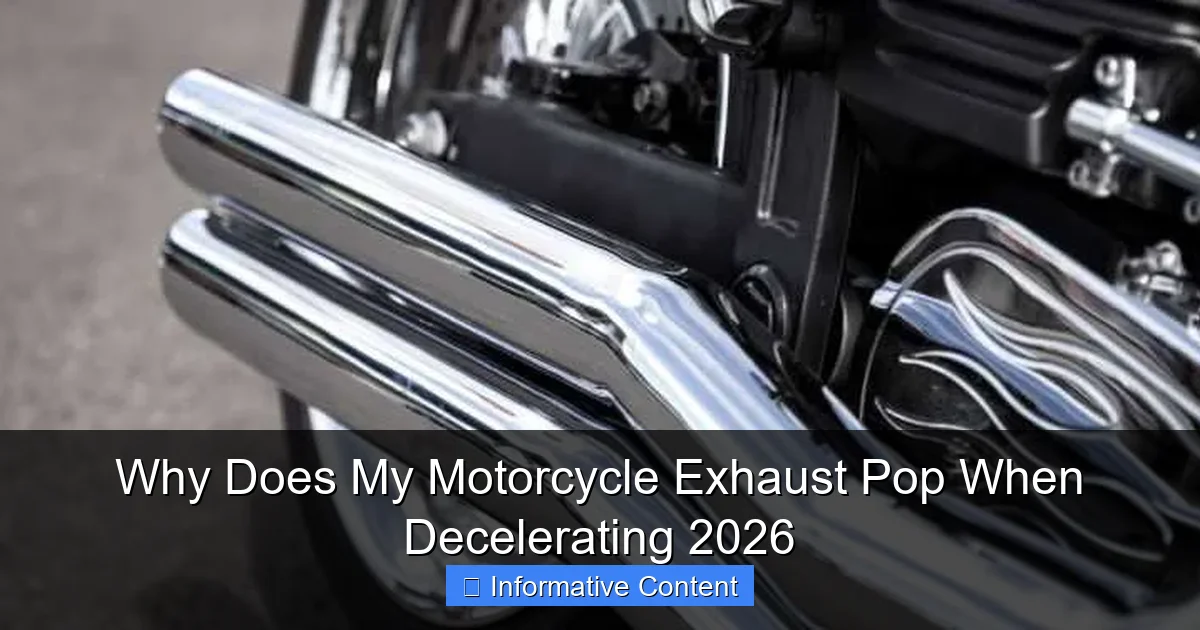
One of the top culprits behind exhaust popping is a lean air-fuel mixture—meaning there’s too much air and not enough fuel in the combustion process. Modern fuel-injected motorcycles use sensors and ECUs to manage this ratio precisely, but if something goes wrong—like a dirty oxygen sensor, clogged fuel injector, or vacuum leak—the engine may run lean, especially during deceleration when fuel delivery drops.
Visual guide about Why Does My Motorcycle Exhaust Pop When Decelerating 2026
Image source: thebikeinsurer.co.uk
When the mixture is lean, combustion is less complete. Some fuel particles survive the burn and exit into the exhaust, where they ignite due to residual heat. This is especially common in bikes with aggressive tuning or aftermarket parts that haven’t been properly mapped. For example, installing a high-flow air filter without adjusting the fuel map can throw off the stoichiometric balance and lead to popping.
Ignition Timing Problems
Ignition timing refers to when the spark plug fires in relation to the piston’s position. If the spark occurs too late (retarded timing), combustion doesn’t finish before the exhaust valve opens. This leaves hot, unburned gases—and sometimes liquid fuel—to escape into the exhaust system. Once there, they can ignite spontaneously, causing pops or even flames in extreme cases.
In 2026, many motorcycles use advanced electronic ignition systems that self-adjust based on load and RPM. However, faulty sensors (like crankshaft or camshaft position sensors) or software glitches can disrupt timing. A quick diagnostic scan at a reputable shop can often pinpoint these issues before they worsen.
Exhaust System Leaks
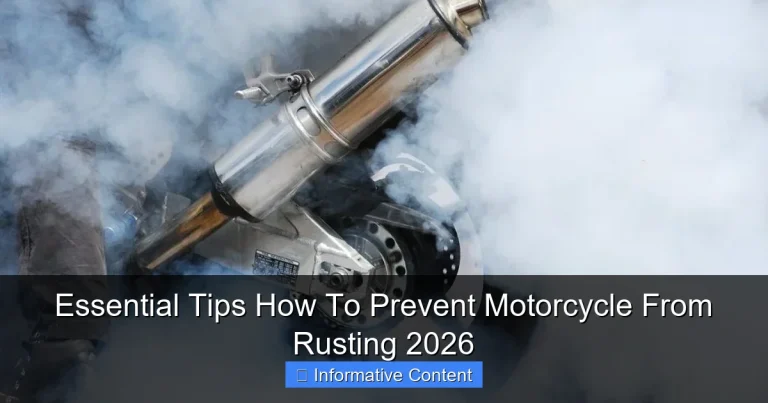
Even a small leak in the exhaust header gasket or pipe connection can introduce oxygen into the system. Normally, exhaust gases are mostly inert (nitrogen, CO₂, water vapor), but fresh oxygen from outside can act as an oxidizer for any leftover hydrocarbons. When hot exhaust meets this extra oxygen, it can cause secondary combustion—resulting in popping sounds.
This is particularly common on older bikes or those with poorly installed aftermarket exhausts. A visual inspection for soot marks around joints or a simple “soapy water” test (bubbles form at leak points when the engine is running) can help identify leaks.
Modern Fuel Injection and Decel Fuel Cut-Off
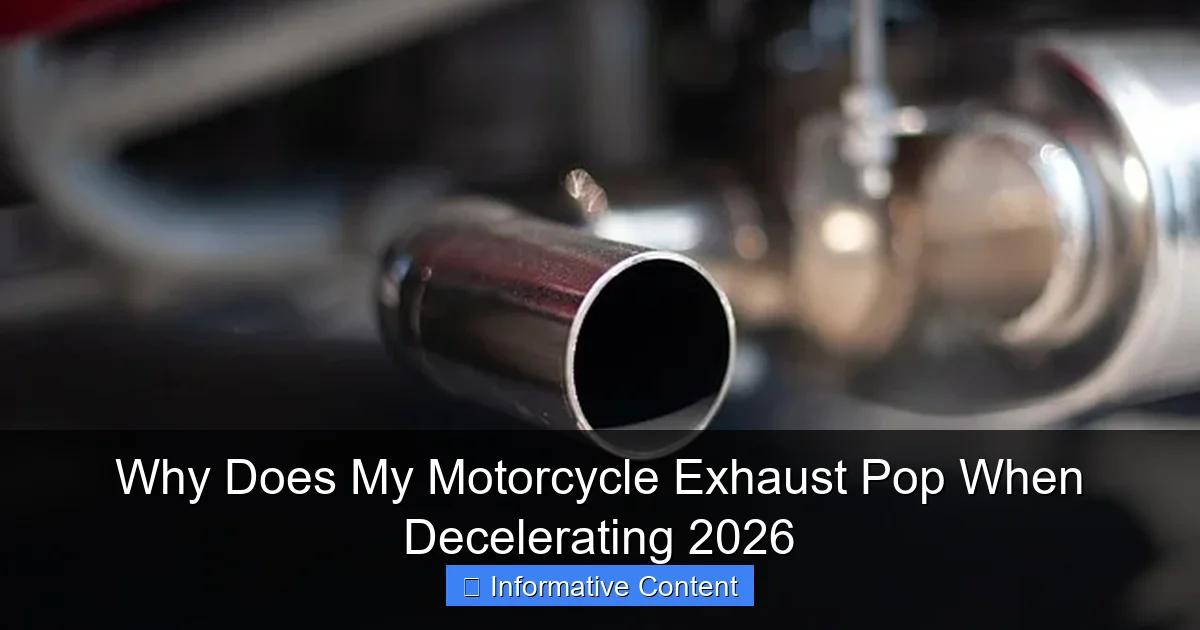
Many 2026 motorcycles come equipped with sophisticated fuel injection systems that include a feature called “deceleration fuel cut-off” (also known as DFCO). When you close the throttle quickly, the ECU temporarily stops injecting fuel to improve fuel efficiency and reduce emissions. While this is great for mileage, it can create a very lean condition in the cylinders.
Visual guide about Why Does My Motorcycle Exhaust Pop When Decelerating 2026
Image source: 360mag.co.uk
As the engine continues to spin from momentum, it draws in air without fuel. This air passes through the combustion chamber and into the exhaust, where it mixes with any residual fuel droplets. The result? A series of small explosions in the muffler—aka popping. Some manufacturers program their systems to allow a tiny bit of fuel during decel to prevent this, but others prioritize cleanliness over quiet operation.
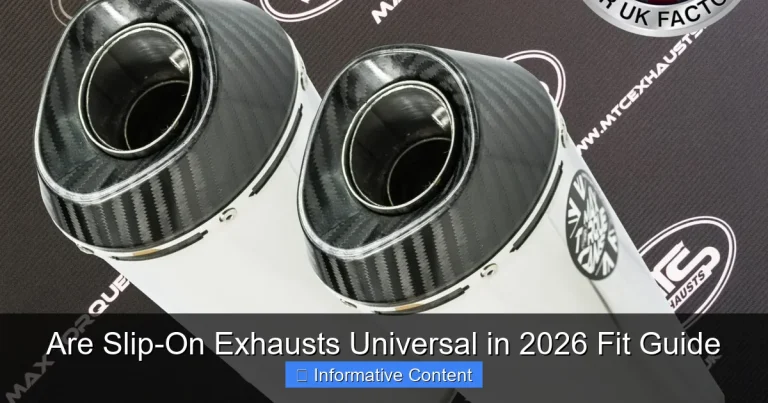
Riders who’ve upgraded to performance exhausts often notice more popping because these systems are less restrictive and retain higher exhaust temperatures, making ignition of stray fuel more likely. If you’ve recently modified your bike, consider getting a professional tune to rebalance the air-fuel ratio.
Aftermarket Modifications: Style vs. Function
In 2026, customization remains a huge part of motorcycle culture. From slip-on mufflers to full system upgrades and high-flow air intakes, riders love enhancing both sound and performance. However, many aftermarket parts are sold as “bolt-on” solutions that assume your bike’s ECU will automatically adapt—which isn’t always true.
For instance, a louder, freer-flowing exhaust might look and sound aggressive, but without a corresponding fuel map adjustment, it can cause significant decel popping. Similarly, removing the stock airbox for a pod filter increases airflow but may lean out the mixture. The solution? Always pair major mods with a dyno tune or flash tuning tool to ensure your engine runs optimally.
That said, some riders actually want the pop—it’s part of the classic V-twin cruiser aesthetic. Manufacturers like Harley-Davidson even engineer slight afterfire into certain models for that signature “potato-potato” sound. Just remember: if the popping is accompanied by loss of power, rough idle, or poor fuel economy, it’s time to investigate further.
Is Exhaust Popping Harmful to Your Motorcycle?
Here’s the good news: occasional, mild popping is generally not harmful to your engine or exhaust system. In fact, many factory-tuned bikes pop slightly on purpose. However, consistent or violent popping can indicate problems that, if ignored, may lead to damage over time.
For example, repeated afterfire can overheat exhaust components, warp headers, or damage catalytic converters (if your bike has one). It can also stress gaskets and welds, leading to leaks. Additionally, running lean for extended periods increases engine temperatures and can cause detonation or piston damage.
If you notice black smoke, a strong gasoline smell, or a drop in performance alongside the popping, it’s a red flag. These symptoms suggest rich running conditions or incomplete combustion—both of which warrant immediate attention. Don’t ignore them in hopes they’ll “go away on their own.”
How to Diagnose and Fix Decel Popping
The first step is observation. Note when the popping occurs: only on hard deceleration? After warm-up? With the stock exhaust or after modifications? This info helps narrow down the cause.
Next, check for obvious issues: inspect exhaust joints for leaks, ensure all intake hoses are secure, and verify that your air filter isn’t clogged. If you’ve made recent changes, consider reverting to stock parts temporarily to see if the issue resolves.
For fuel-injected bikes, a diagnostic scan tool can reveal trouble codes related to oxygen sensors, fuel trims, or ignition timing. Many modern scanners also show live data, so you can watch air-fuel ratios in real time. If the long-term fuel trim is consistently above +10%, your bike is likely running lean.
Finally, consult a professional tuner if you’ve installed performance parts. A proper dyno tune ensures your bike runs safely and efficiently—without unnecessary noise. And if you’re curious about related issues like why your motorcycle backfires through the carburetor or common causes of motorcycle backfire, these guides offer deeper insights into combustion irregularities.
Remember: a well-maintained bike shouldn’t sound like a fireworks display every time you slow down. With the right care, you can enjoy smooth, quiet deceleration—and peace of mind.
Frequently Asked Questions
Why does my motorcycle backfire when I downshift?
Backfiring during downshifting is often due to a lean condition caused by rapid throttle closure and increased engine braking. It can also result from incorrect ignition timing or exhaust leaks.
Can dirty fuel injectors cause decel popping?
Yes. Clogged or malfunctioning fuel injectors disrupt the air-fuel mixture, leading to incomplete combustion and unburned fuel entering the exhaust system.
Do all motorcycles pop on deceleration?
No. While many modern bikes exhibit some level of popping due to fuel cut-off systems, others—especially those with well-tuned engines or catalytic converters—may run quietly.
Is popping worse in cold weather?
It can be. Cold engines run richer initially, but as they warm up, sensor feedback adjusts the mixture. Inconsistent readings during warm-up may cause temporary popping.
Should I worry if my bike pops only once in a while?
Not necessarily. Occasional pops, especially on deceleration, are common and usually harmless. Monitor for changes in frequency, sound, or performance.
Can I fix decel popping myself?
Basic checks like inspecting for leaks or cleaning the air filter can be done at home. However, tuning the fuel map or diagnosing sensor issues typically requires professional tools and expertise.