Is Ceramic Coating Worth It on a Motorcycle in 2026

Yes, ceramic coating is worth it for most motorcycle owners in 2026—especially if you ride frequently or live in harsh climates. It offers superior paint protection, easier cleaning, and a lasting shine, though it requires proper prep and application. For show bikes or daily riders, the investment pays off over time.
If you’ve ever spent a Saturday morning scrubbing bugs off your fuel tank or watched your motorcycle’s paint fade under the summer sun, you’ve probably wondered: *Is ceramic coating worth it on a motorcycle?* In 2026, the answer is increasingly leaning toward “yes”—but only if you understand what it does, how it works, and whether it fits your riding lifestyle.
Ceramic coating isn’t just a fancy wax. It’s a liquid polymer that chemically bonds with your bike’s paint, forming a semi-permanent protective layer. Think of it like a high-tech sunscreen and armor combo for your motorcycle. While it won’t stop a speeding rock, it *will* defend against the daily wear and tear that dulls your paint over time. With advancements in nano-ceramic technology, today’s coatings are more durable, flexible, and motorcycle-friendly than ever before.
But before you rush out to buy a bottle or book a detailer, let’s break down the real value—and limitations—of ceramic coating in 2026. Whether you ride a vintage Triumph, a sleek Ducati Panigale, or a rugged adventure bike, this guide will help you decide if it’s the right move for your two-wheeled companion.
Key Takeaways
- Enhanced Paint Protection: Ceramic coating creates a durable, hydrophobic layer that shields your motorcycle’s paint from UV rays, acid rain, bird droppings, and road grime.
- Long-Lasting Shine: Unlike wax, ceramic coatings can last 2–5 years, maintaining a deep, glossy finish with minimal upkeep.
- Easier Maintenance: Dirt and water bead up and slide off, making washing your bike faster and less frequent.
- Higher Upfront Cost: Professional application ranges from $300–$800, but DIY kits are available for $50–$150 (with varying results).
- Not a Scratch Remedy: While it resists light swirls, ceramic coating won’t prevent deep scratches or rock chips—consider paint protection film (PPF) for that.
- Best for Painted Surfaces: It works great on fuel tanks, fenders, and fairings, but avoid matte finishes, plastics, or rubber parts.
- 2026 Tech Advancements: New nano-ceramic formulas offer better flexibility, heat resistance, and self-healing properties for motorcycles.
Quick Answers to Common Questions
Does ceramic coating prevent rust on motorcycles?
Indirectly, yes. By sealing the paint, it prevents moisture and salt from reaching the metal, reducing the risk of surface rust. However, it won’t stop rust on untreated metal parts like bolts or frames.
Can I apply ceramic coating over existing wax?
No. Wax creates a barrier that prevents the coating from bonding. You must fully remove all wax, sealants, and contaminants before application.
How long does ceramic coating take to cure?
Most coatings need 24–48 hours to fully cure. Avoid rain, washing, or heavy dust during this time.
Will ceramic coating make my motorcycle faster?
No—but a cleaner, smoother surface may reduce minor aerodynamic drag. The real benefit is protection, not performance.
Can I remove ceramic coating?
Yes, but it requires polishing with a compound or professional removal service. It’s semi-permanent, so think carefully before applying.
📑 Table of Contents
What Is Ceramic Coating (and How Does It Work)?
Ceramic coating is a liquid solution made from silicon dioxide (SiO2) and other nano-particles. When applied to a clean, polished surface, it bonds at a molecular level, creating a hard, transparent shell over your paint. This layer is hydrophobic (water-repelling), UV-resistant, and chemically inert—meaning it won’t break down easily from environmental contaminants.
How It Differs from Wax and Sealants
Traditional wax gives a nice shine but lasts only a few weeks. Sealants last longer (2–6 months) but still degrade faster than ceramic coatings. Ceramic coatings, by contrast, can protect your motorcycle for 2 to 5 years, depending on quality, application, and maintenance. They also offer better resistance to oxidation and fading—common issues for bikes parked outdoors.
The Science Behind 2026 Formulas
In 2026, ceramic coatings have evolved. New hybrid formulas include flexible polymers that move with your bike’s paint during temperature changes, reducing the risk of cracking. Some even feature “self-healing” properties—minor swirls disappear when exposed to sunlight or warm water. These innovations make ceramic coatings more reliable and longer-lasting, especially for motorcycles exposed to heat from engines and exhaust systems.
Top Benefits of Ceramic Coating for Motorcycles
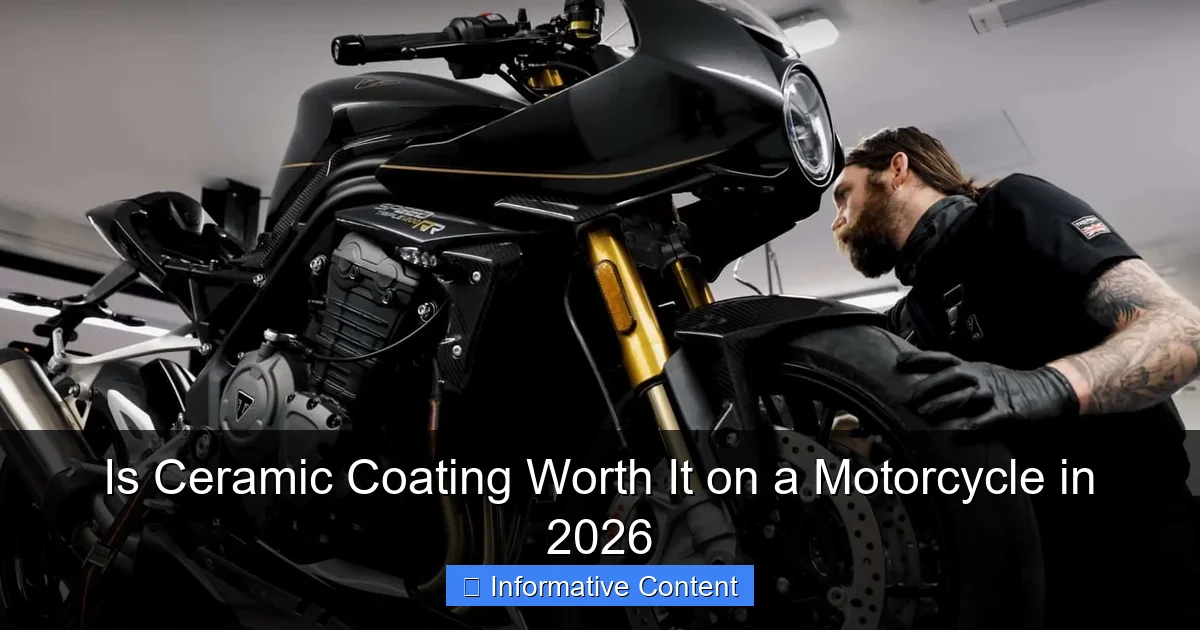
Visual guide about Is Ceramic Coating Worth It on a Motorcycle in 2026
Image source: motorcycleguidelines.com
So, what do you actually get when you coat your bike? Let’s look at the real-world advantages.
1. Superior Paint Protection
Your motorcycle faces daily threats: UV rays from the sun, acidic rain, bird droppings, tree sap, and road salt. Over time, these can etch into the paint, causing fading, staining, and oxidation. Ceramic coating acts as a barrier, preventing these contaminants from bonding to the surface. For example, a rider in Arizona reported that after coating his Harley, bird droppings wiped off easily with a microfiber cloth—no scrubbing needed.
2. Hydrophobic Surface for Easy Cleaning
One of the coolest features? Water beads up and rolls off, taking dirt with it. This means less time washing and less risk of scratching during cleaning. Riders in rainy climates (like the Pacific Northwest) love how their bikes stay cleaner longer. A quick rinse often does the trick—no need for soap and buckets every weekend.
3. Long-Lasting Gloss and Depth
Ceramic coating enhances the clarity and depth of your paint, giving it a “wet look” that lasts for years. Unlike wax, which fades after a few washes, the shine from a ceramic coat remains consistent. For show bikes or collectors, this means your motorcycle looks showroom-fresh without constant reapplication.
4. Resistance to Chemical Stains
Spilled fuel, oil, or cleaning products can damage unprotected paint. Ceramic coating resists chemical etching, giving you peace of mind during maintenance. Just wipe spills promptly—no panic needed.
Cost vs. Value: Is It Worth the Investment?
Let’s talk money. Ceramic coating isn’t cheap—but is it worth it?
Professional vs. DIY Application
A professional ceramic coating job on a motorcycle typically costs between $300 and $800, depending on the brand, prep work, and location. This includes paint correction (polishing out swirls and scratches), thorough cleaning, and multiple coating layers.
DIY kits range from $50 to $150. While tempting, they often lack the durability and bonding strength of professional-grade products. Many riders report that DIY coatings last only 6–12 months, compared to 2+ years with pro application. If you’re not experienced in paint correction, you might end up with uneven coverage or missed spots—leading to premature failure.
Long-Term Savings
Consider this: a professional detail and wax job might cost $100 every 3 months. Over two years, that’s $800—the same as a ceramic coating that lasts the entire time. Plus, you save on water, soap, and your own time. For frequent riders or those with expensive paint jobs (like custom airbrushing), the ROI is clear.
When It’s Not Worth It
If you only ride a few times a year, store your bike indoors, and already use high-quality wax, the added benefit of ceramic coating may be minimal. Similarly, if your motorcycle has a matte finish, ceramic coating can alter the texture and appearance—so it’s not recommended.
Limitations and What Ceramic Coating Won’t Do
It’s important to set realistic expectations. Ceramic coating is powerful—but not magic.
It Won’t Prevent Scratches or Rock Chips
While it resists light swirl marks and micro-scratches, ceramic coating won’t stop a rock kicked up by a truck from chipping your fender. For that level of protection, consider combining ceramic coating with paint protection film (PPF) on high-impact areas like the front fender, fork lowers, and leading edge of the fuel tank.
It Requires Proper Prep
You can’t just spray it on and go. The surface must be completely clean, decontaminated, and polished. Any dirt, wax, or oxidation left behind will trap under the coating and ruin the finish. This is why professional application often includes 4–6 hours of prep work.
Not Suitable for All Surfaces
Avoid applying ceramic coating to plastics, rubber, matte paint, or textured surfaces. It can leave streaks, hazing, or an unnatural shine. Stick to glossy painted areas like the tank, side covers, and fairings.
Application Tips for Best Results in 2026
If you’re going the DIY route or working with a detailer, here’s how to get the best outcome.
Step 1: Wash and Decontaminate
Start with a thorough wash using a pH-neutral soap. Then use a clay bar to remove embedded contaminants like tar, metal particles, and industrial fallout.
Step 2: Polish the Paint
Use a dual-action polisher to remove swirls, oxidation, and minor scratches. This step is crucial—ceramic coating locks in the current state of the paint. If it’s imperfect, the coating will highlight flaws.
Step 3: Apply in a Controlled Environment
Work in a shaded, dust-free area with temperatures between 50°F and 85°F. Avoid direct sunlight, which can cause the coating to flash too quickly.
Step 4: Use the Two-Towel Method
Apply the coating with one microfiber applicator pad, then immediately buff off with a clean, dry microfiber towel. Work in small sections (e.g., one side of the tank at a time).
Step 5: Cure and Maintain
Let the coating cure for 24–48 hours before exposing it to water. After that, use a ceramic-compatible shampoo and avoid harsh brushes. Reapply a ceramic booster spray every 6–12 months to refresh hydrophobicity.
Final Verdict: Should You Coat Your Motorcycle in 2026?
For most riders in 2026, ceramic coating is a smart investment. It protects your paint, saves time on cleaning, and keeps your motorcycle looking sharp for years. With improved formulas and better application techniques, the technology has never been more accessible or effective.
That said, it’s not for everyone. If you ride occasionally, store your bike indoors, or have a matte finish, the benefits may not justify the cost. But for daily commuters, long-distance tourers, or anyone who takes pride in their bike’s appearance, ceramic coating delivers real value.
Pair it with regular maintenance, and your motorcycle won’t just look great—it’ll stay protected through rain, sun, and miles of open road.
Frequently Asked Questions
Is ceramic coating worth it for a used motorcycle?
Yes, especially if the paint is faded or oxidized. Ceramic coating can restore depth and protect the surface, increasing resale value.
How often should I reapply ceramic coating?
Most coatings last 2–5 years. Use a ceramic booster spray every 6–12 months to maintain water beading and shine.
Can I apply ceramic coating myself?
Yes, but results vary. DIY kits are affordable but require careful prep and technique. For best results, consider professional application.
Does ceramic coating work on carbon fiber parts?
Yes, but only on clear-coated carbon fiber. Avoid raw or matte carbon, as the coating can alter the appearance.
Will ceramic coating protect against exhaust heat?
Modern 2026 coatings are heat-resistant up to 1,200°F, making them safe near exhaust headers—but avoid direct contact with glowing components.
Is ceramic coating environmentally friendly?
Most ceramic coatings are water-based and non-toxic once cured. However, disposal of applicators and towels should follow local guidelines.