How to Get Exhaust Popping Sound in 2026

In this guide, you’ll discover how to get exhaust popping sound on your motorcycle safely and effectively in 2026. We cover tuning, exhaust upgrades, and fuel adjustments—plus tips to avoid engine damage.
How to Get Exhaust Popping Sound in 2026
If you’re a motorcycle enthusiast in 2026, you’ve probably heard that iconic exhaust pop—sharp cracks and bangs on deceleration—that turns heads and adds attitude to your ride. Whether you’re cruising a Harley, a sportbike, or a modern retro model, getting that signature exhaust popping sound is a popular upgrade. But it’s not just about noise. Done right, it can reflect a well-tuned engine and improved performance.
In this guide, we’ll walk you through how to get exhaust popping sound safely, legally, and effectively. You’ll learn about tuning options, exhaust systems, fuel management, and maintenance tips—all tailored for today’s motorcycles. We’ll also help you avoid common pitfalls like engine damage or failed inspections.
Let’s get started.
What Causes Exhaust Popping?
Visual guide about How to Get Exhaust Popping Sound in 2026
Image source: carsupercare.com
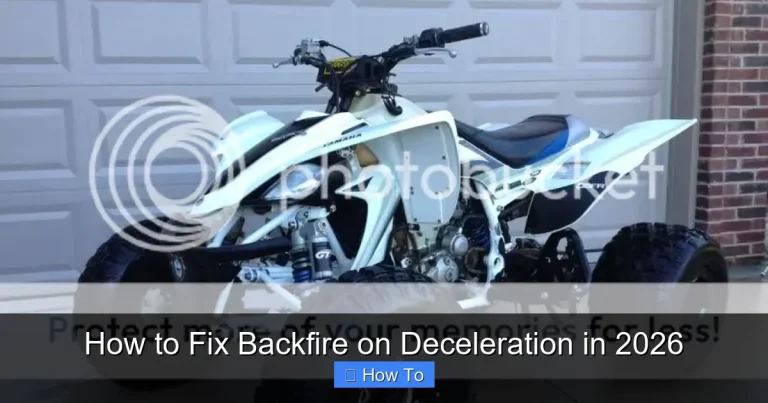
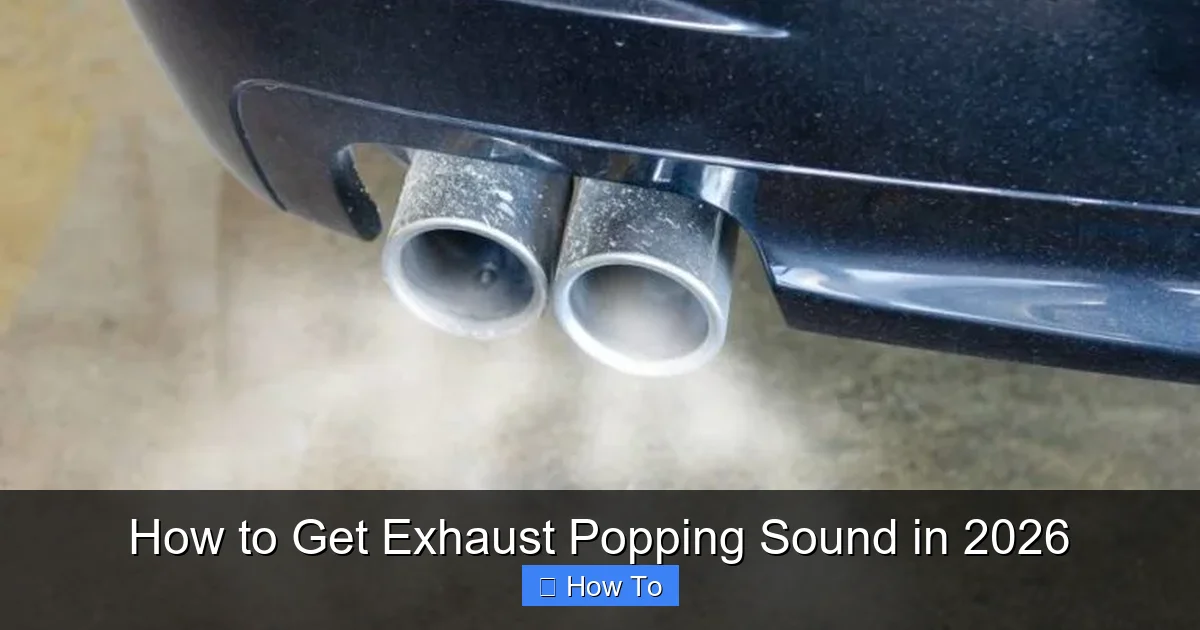
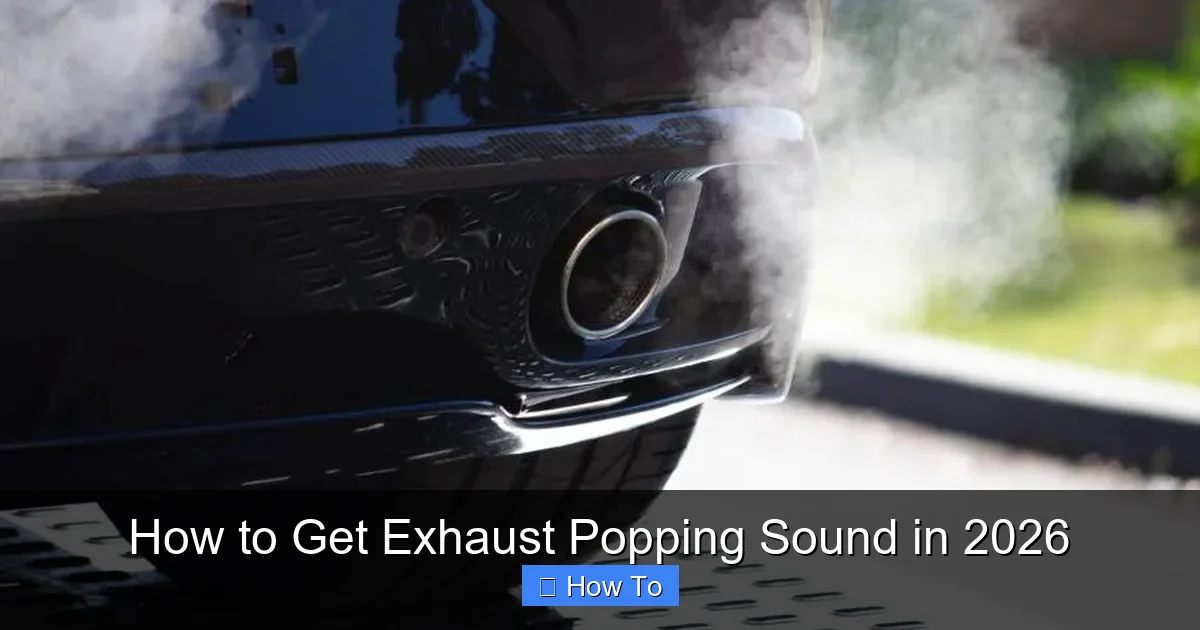
Before making any changes, it’s important to understand what creates that popping sound. Exhaust pops happen when unburned fuel enters the hot exhaust system and ignites. This usually occurs during deceleration when the throttle closes suddenly, but fuel continues to enter the combustion chamber or exhaust port.
There are two main types:
- Backfire: Ignition happens in the intake or combustion chamber—often due to a lean mixture or timing issue.
- Afterfire (or pop): Ignition occurs in the exhaust pipe—typically from excess fuel burning off in the hot muffler.
While a little afterfire can sound cool, consistent backfiring may signal a problem. That’s why tuning and diagnostics are key.
Step 1: Check Your Motorcycle’s Health
Visual guide about How to Get Exhaust Popping Sound in 2026
Image source: carsupercare.com
Never start modifying your bike without ensuring it’s in good condition. A poorly maintained engine can exaggerate popping or cause real damage.
Inspect Key Components
- Spark plugs: Worn or fouled plugs can cause misfires and erratic combustion. Replace them if needed.
- Air filter: A clogged filter disrupts the air-fuel ratio. Clean or replace it regularly.
- Fuel injectors: Dirty injectors lead to poor fuel delivery. Use a quality cleaner or consider a professional cleaning. Learn more in our guide on how to clean motorcycle fuel injectors.
- Throttle and clutch cables: Smooth operation ensures accurate throttle response. Check out how to maintain the throttle and clutch cables for best practices.
Verify Idle and Fuel Mixture
A rough idle or lean condition can cause popping. Use a diagnostic tool or visit a mechanic to check your air-fuel ratio. For fuel-injected Harleys, refer to how to adjust idle on fuel injected Harley Davidson for step-by-step guidance.
Step 2: Upgrade Your Exhaust System
An aftermarket exhaust can improve sound and performance—but it won’t create pops on its own.
Choose the Right Exhaust
Look for a system designed for your bike model. Popular options include:
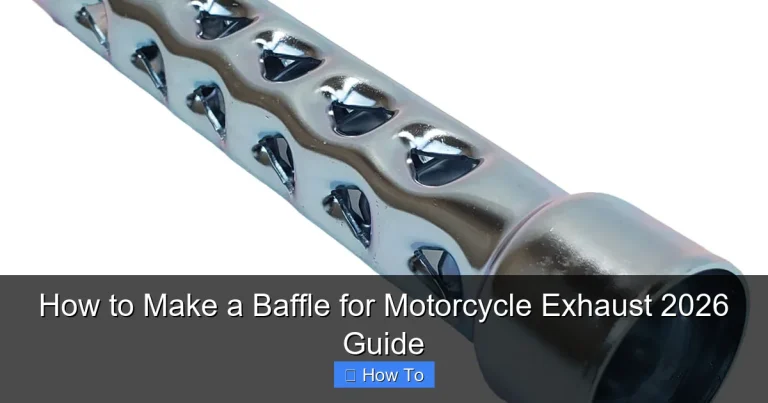
- Slip-on mufflers: Easy to install and improve sound slightly.
- Full systems: Replace headers and mufflers for maximum flow and tone.
Brands like Yoshimura, Akrapovič, and Vance & Hines offer systems that enhance exhaust note without being overly loud.
Note on Backpressure
Modern engines rely on precise backpressure for optimal scavenging. Removing too much can hurt low-end torque. A well-designed system balances flow and pressure.
Step 3: Tune the ECU for Pops
This is where the magic happens. In 2026, most motorcycles use electronic fuel injection (EFI), which means you can adjust how much fuel is delivered and when.
Use a Fuel Management System
Devices like Power Commander, Dynojet, or Woolich Racing allow you to modify the fuel map. You can:
- Increase fuel on deceleration (called “decel pop” tuning).
- Adjust ignition timing for sharper exhaust notes.
- Create custom maps for different riding conditions.
How to Tune for Pops
- Install the tuning device and connect it to your bike’s ECU.
- Load a base map compatible with your exhaust and intake setup.
- Increase fuel slightly in the low-to-mid RPM range during closed-throttle conditions.
- Test ride and listen for pops on deceleration.
- Fine-tune in small increments—too much fuel can foul spark plugs or damage the O2 sensor.
Professional Tuning vs. DIY
While DIY tuning is possible, a dyno tune by a professional ensures safety and performance. They can monitor air-fuel ratios in real time and prevent engine damage.
Step 4: Adjust Riding Style
Sometimes, the way you ride affects exhaust sound more than hardware.
Use Engine Braking
Instead of relying solely on brakes, downshift and let the engine slow the bike. This increases exhaust gas temperature and can trigger pops.
Blip the Throttle on Downshifts
A quick rev match when shifting down introduces extra air and fuel into the exhaust, creating small pops. Practice this technique for smoother shifts and better sound.
Step 5: Maintain Your System
Once you’ve achieved that perfect pop, keep it consistent with regular care.
Clean Fuel Injectors Regularly
Use a quality fuel injector cleaner every 3,000–5,000 miles. This prevents buildup that can disrupt fuel flow. For guidance, see how much fuel injector cleaner to use.
Check for Exhaust Leaks
Loose or cracked headers can cause erratic pops or loss of performance. Inspect gaskets and joints during oil changes.
Monitor O2 Sensors
Faulty oxygen sensors can misread exhaust gases and throw off your tune. Replace them as recommended by your manufacturer.
Troubleshooting Common Issues
Too Many Pops or Backfiring
This may indicate a rich condition or timing issue. Reduce fuel in the decel map and check for vacuum leaks.
No Pops After Tuning
Ensure your exhaust is free-flowing and your tune includes decel enrichment. Also, verify that your bike isn’t running too lean.
Check Engine Light On
A lit CEL could mean the ECU is detecting misfires or sensor errors. Use an OBD2 scanner to read codes and address the root cause.
Legal and Safety Considerations
In 2026, noise regulations are stricter in many areas. Some cities enforce decibel limits for motorcycles, especially in residential zones.
Know Your Local Laws
Check with your Department of Motor Vehicles or local authorities. Some regions require certified exhaust systems or prohibit modifications that increase noise.
Use a Sound Meter App
Apps like Decibel X can help you measure your bike’s noise level. Stay under 80–90 dB at idle and 95–100 dB at speed, depending on local rules.
Respect Your Community
Even if it’s legal, avoid excessive revving in neighborhoods or early mornings. A little courtesy goes a long way.
Conclusion
Getting that satisfying exhaust popping sound in 2026 is totally achievable—with the right approach. Start by ensuring your bike is healthy, then upgrade your exhaust and tune the ECU for decel pops. Adjust your riding style and maintain your system to keep the sound consistent and your engine happy.
Remember, how to get exhaust popping sound isn’t just about noise—it’s about performance, tuning, and respect for your machine and community. Done safely and legally, it’s a rewarding upgrade that enhances your riding experience.
So fire up that bike, hit the open road, and let those pops echo with pride.