What Oil is Thicker 5W30 Or 10W30? Expert Guide 2026

When you open a bottle of engine oil, you might notice numbers like 5W30 or 10W30 on the label. These numbers are more than just codes—they tell you how the oil behaves in different temperatures. Many drivers wonder, which oil is thicker, 5W30 or 10W30? This question seems simple, but the answer can affect your engine’s health, your car’s performance, and even how long your engine lasts. If you want to make the best choice for your vehicle or simply understand what goes into that smooth engine operation, knowing how oil thickness works is essential.
This article breaks down the differences between 5W30 and 10W30, explains oil viscosity in simple terms, and covers 30 key factors that can help you decide which oil is right for your needs. Whether you’re a beginner or have some experience with cars, you’ll find clear explanations, examples, and practical advice to guide you.
Understanding Oil Viscosity
Most people hear “viscosity” and think it’s a complicated term. But viscosity simply means how thick or thin a liquid is. Honey has high viscosity (it’s thick and flows slowly), while water has low viscosity (it’s thin and flows quickly).
Engine oil viscosity changes with temperature. When it’s cold, oil gets thicker; when it’s hot, oil becomes thinner. The numbers in 5W30 and 10W30 tell you how thick the oil is in both cold and hot conditions.
- The first number (5 or 10) is the cold weather rating. The lower the number, the thinner the oil at low temperatures.
- The W stands for Winter.
- The second number (30) is the hot temperature rating. Both oils have a “30” here, so they act the same at engine operating temperature.
What Do 5w30 And 10w30 Actually Mean?
Let’s look at what each part of the oil grade means:
- 5W30: This oil acts like a “5-weight” oil when cold and a “30-weight” oil when hot.
- 10W30: This oil acts like a “10-weight” oil when cold and a “30-weight” oil when hot.
So, both oils are similar when your engine is warm. The difference shows up when your engine is cold—like on a winter morning.
Which Oil Is Thicker?
The Main Keyword: What Oil Is Thicker, 5w30 Or 10w30?
- 10W30 is thicker than 5W30 when cold.
- At engine operating temperature, both have similar thickness because they share the “30” rating.
Now, let’s break down the 30 most important factors that explain the difference, help you choose the right oil, and reveal what really matters.
1. Cold Start Performance
5W30 flows more easily at low temperatures. This means your engine gets oil faster on cold starts, reducing wear on moving parts. In very cold climates, this is a big advantage.
2. Cold Weather Protection
Because 5W30 is thinner when cold, it coats engine parts more quickly in winter. 10W30 takes longer to reach engine parts, which can increase wear if the engine is started often in cold weather.
3. Hot Weather Operation
Both 5W30 and 10W30 behave similarly at high temperatures. The “30” means both oils are designed to protect your engine when it’s hot. They don’t break down or become too thin easily in summer heat.
4. Oil Pressure At Startup
Thicker oil like 10W30 creates more oil pressure at startup in cold conditions. In older engines, this can be useful if there is more space between parts.
5. Fuel Economy
5W30 can improve fuel economy slightly. Thinner oil reduces resistance inside the engine, so your car may use less fuel, especially in city driving.
6. Engine Wear
Quick oil flow is important when starting a cold engine. 5W30 reaches the engine parts faster, so it usually reduces engine wear during cold starts compared to 10W30.
7. Oil Flow Speed
5W30 moves through the engine more quickly at low temperatures. This means your engine is protected faster, which matters most in cold weather.
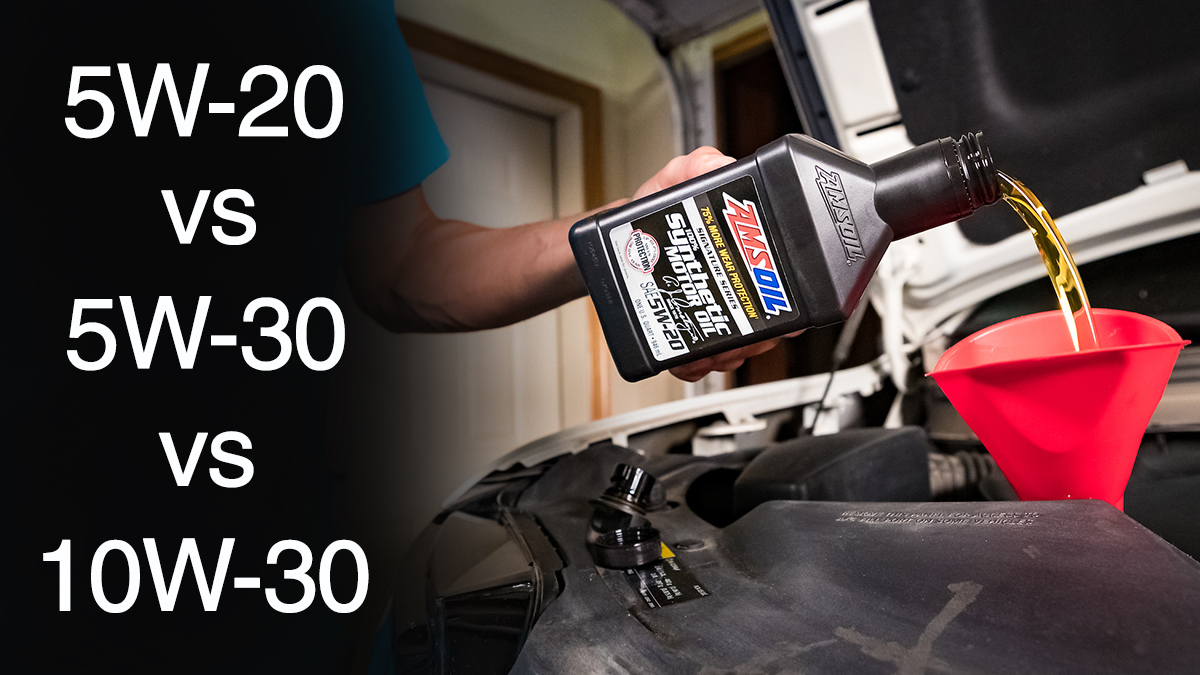
Credit: blog.amsoil.com
8. Engine Type Compatibility
Some modern engines are designed for thinner oils like 5W30. Always check your car’s manual—using oil that’s too thick can cause problems in engines designed for thin oil.
9. High Mileage Engines
Older engines sometimes benefit from 10W30. Thicker oil can help seal small gaps in worn engines and may reduce oil burning.
10. Oil Consumption
Engines that burn oil may see less oil loss with 10W30 because it is thicker at startup and less likely to slip past worn seals.
11. Manufacturer Recommendation
Always follow your car’s manual. If it recommends 5W30, use it. Using the wrong oil can void warranties or cause engine issues.
12. Climate Conditions
If you live somewhere cold, 5W30 is usually better. In warmer areas, 10W30 may work well. But both oils perform the same at normal engine temperatures.
13. Oil Shear Stability
Both 5W30 and 10W30 have similar “shear stability” when hot, meaning they don’t break down easily under stress. The “30” rating is key here.
14. Engine Noise
Thicker oils like 10W30 can sometimes reduce engine noise, especially in older engines with more wear.
15. Oil Leak Prevention
In older engines, thicker oil like 10W30 may help reduce leaks. It’s less likely to seep through worn seals.
16. Turbocharged Engines
Most turbo engines require thinner oil like 5W30 for faster flow and better cooling. Check your manual to be sure.
17. Engine Deposit Control
Both oils offer similar protection against sludge and deposits at high temperatures if changed regularly.
18. Oil Longevity
Synthetic versions of both 5W30 and 10W30 last longer than conventional oils. The numbers do not affect oil life—quality matters more.
19. Engine Performance
Thinner oil like 5W30 can boost engine response and efficiency in cold weather. For performance cars, always follow the manufacturer’s advice.
20. Emissions
Engines using the correct oil (often 5W30 for modern cars) may produce fewer emissions. Thicker oil can increase exhaust pollution if the engine isn’t designed for it.
21. Towing And Heavy Loads
When towing or carrying heavy loads, both oils protect equally well at high engine temperatures. The “30” rating ensures stability under stress.
22. Oil Breakdown
Both oils resist breakdown at high temperatures if they are high-quality and changed on schedule. Synthetic oil improves this further.
23. Oil Pressure Gauge Reading
You might notice slightly higher oil pressure readings with 10W30 at startup. This is due to its thicker consistency when cold.
24. Engine Seal Protection
In older engines, 10W30 may offer better sealing, reducing leaks and oil consumption.
25. Oil Additive Packages
The number (5W or 10W) does not affect the type or quality of additives. Always choose oils with good detergents and anti-wear additives.
26. Cost Difference
5W30 and 10W30 are usually priced similarly. Sometimes, 5W30 costs a bit more because it’s more popular.
27. Availability
5W30 is more common in stores, especially for modern cars. 10W30 is less common but still widely available.
28. Viscosity Index
5W30 has a higher viscosity index, meaning it changes less with temperature swings. This helps keep the oil consistent over a range of conditions.
29. Engine Warranty
Using the manufacturer’s recommended oil (often 5W30) keeps your warranty safe. Using the wrong oil can risk coverage.

Credit: www.oxmaint.com
30. Common Mistakes
One common mistake is assuming “thicker is always better.” For modern engines, this can cause poor lubrication and extra wear. Another is ignoring climate—using 10W30 in a cold climate can cause slow oil flow and engine damage.
Key Differences In A Simple Table
Here’s a quick visual comparison:
| Feature | 5W30 | 10W30 |
|---|---|---|
| Cold Thickness | Thinner | Thicker |
| Hot Thickness | Same as 10W30 | Same as 5W30 |
| Cold Start Protection | Better | Good |
| Older Engines | OK | Often Preferred |
| Fuel Economy | Slightly Better | Good |
| Climate Suitability | Best for Cold | Best for Warm |
Real-world Example: Cold Weather Start
Imagine you park your car outside on a winter night. In the morning, it’s 10°F (-12°C). With 5W30, oil flows to the engine parts quickly, so your car starts easily and the engine is protected. With 10W30, oil is thicker and moves slower, so the engine may take longer to lubricate, causing more wear.
Real-world Example: Older Engine In Summer
If you drive a 20-year-old car in Texas summer, 10W30 can help reduce oil burning and leaks. The thicker oil gives better sealing and may extend the engine’s life.
Engine Oil Viscosity Grades Explained
Engine oil grades are set by the Society of Automotive Engineers (SAE). The “W” in the oil code stands for “winter,” and the numbers before and after “W” indicate how the oil performs at different temperatures.
- Lower first number: Better flow in cold.
- Higher first number: Thicker in cold.
- Second number (30): Oil’s thickness at engine temperature (212°F or 100°C).
How Oil Viscosity Is Tested
Oil thickness is measured using special tests. For cold rating (the “W” number), oil is cooled and its flow is measured. For the second number, oil is heated to 100°C and its resistance to flow is checked.
Here is a simplified table of viscosity ranges at 100°C:
| SAE Grade | Viscosity (cSt at 100°C) |
|---|---|
| 30 | 9.3 to 12.5 |
| 40 | 12.5 to 16.3 |
| 50 | 16.3 to 21.9 |
Both 5W30 and 10W30 fall into the “30” range when hot.
When To Use 5w30
- In cold climates, for quick oil flow at startup
- When recommended by your car’s manual
- For modern engines, especially with tight tolerances
- To slightly improve fuel economy
When To Use 10w30
- In older, high-mileage engines that may burn oil
- In warmer climates where cold starts are rare
- If your car’s manual allows it and you prefer a thicker oil at startup
Synthetic Vs. Conventional Oil
Both 5W30 and 10W30 are available in synthetic and conventional versions. Synthetic oils resist breakdown better, flow faster at low temperatures, and last longer. For extreme climates or high-performance engines, synthetic is usually a better choice.
Common Myths About Oil Thickness
- Thicker oil is always better: Not true. Modern engines are designed for thinner oils.
- Switching from 5W30 to 10W30 is always safe: Not always. It depends on your engine design.
- All 5W30 oils are the same: Additive packages and quality make a big difference.
How To Change Engine Oil Safely
If you’re changing oil yourself:
- Warm up the engine for a few minutes.
- Park on a level surface and turn off the car.
- Remove the drain plug and let old oil drain fully.
- Replace the oil filter.
- Add the correct amount and type of new oil.
- Run the engine for 2–3 minutes, check for leaks, and measure the oil level.
Never mix different oil grades unless you are topping up in an emergency.
Practical Tips For Choosing The Right Oil
- Always check your owner’s manual. It gives the best advice.
- Consider your climate—cold weather needs thinner oil.
- Older engines may need thicker oil if they burn or leak oil.
- Use synthetic oil for better protection, especially if you have a turbo or drive in extreme conditions.
How Oil Affects Engine Longevity
Engines last longer when the right oil is used. If oil is too thick when cold, parts wear faster. If oil is too thin when hot, protection is lost. The correct oil reduces friction, prevents wear, and removes heat from engine parts.
Environmental Impact
Using the right oil helps your engine run efficiently, which can reduce emissions and fuel use. Disposing of used oil properly is also important—never pour it down the drain.
How To Read An Oil Label
Look for these on the bottle:
- SAE Grade (e.g., 5W30)
- API Rating (e.g., SN, SP)
- Synthetic or Conventional
- Manufacturer approvals (e.g., GM dexos1, Ford WSS-M2C930-A)
What Happens If You Use The Wrong Oil?
If you use oil that’s too thick, your engine may run rough when cold, use more fuel, and wear faster. If you use oil that’s too thin, it may not protect well under high heat.
Credit: blog.amsoil.com
Oil Change Intervals
Most cars need oil changes every 3,000–7,500 miles, depending on oil type and driving conditions. Synthetic oils can last longer.
Visual Guide: Oil Thickness
If you pour 5W30 and 10W30 into two clear glasses and place them in a freezer, the 5W30 will pour more easily than the 10W30. At room temperature or engine temperature, both look almost the same.
A Look At Popular Brands
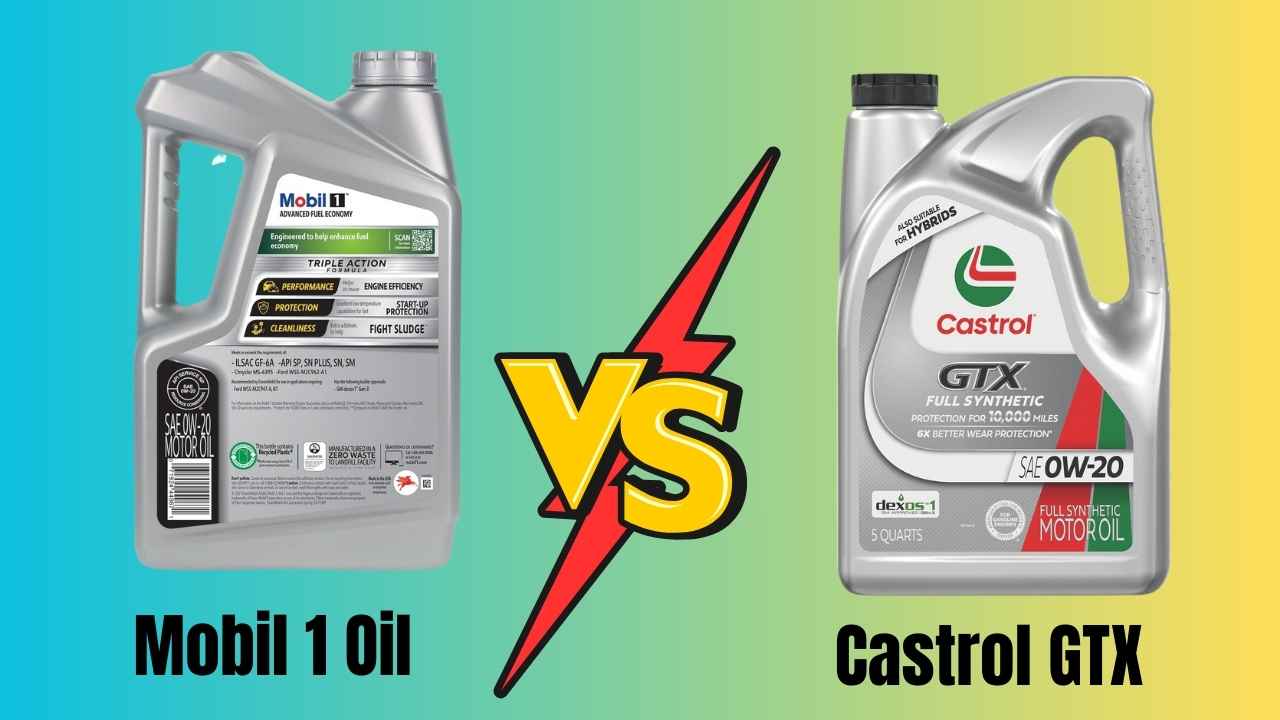
Major brands like Mobil 1, Castrol, and Valvoline offer both 5W30 and 10W30 in various formulations. Always choose a reputable brand for best results.
The Role Of Oil Filters
A good oil filter is as important as the right oil. It catches dirt and particles, keeping your oil clean. Always replace the filter with every oil change.
How Oil Impacts Engine Warranties
Car makers require specific oil types for warranty protection. Keep records and receipts of oil changes, especially during the warranty period.
External Resource
For more on oil viscosity and engine lubrication, see this Wikipedia page on motor oil.
Frequently Asked Questions
Is 10w30 Thicker Than 5w30 At All Temperatures?
No. 10W30 is only thicker than 5W30 at low (cold) temperatures. At normal engine temperature, both oils are similar in thickness.
Can I Switch From 5w30 To 10w30 Or Vice Versa?
You can switch if your car’s manual allows both grades. However, always follow the manufacturer’s recommendation for best performance and warranty protection.
What Happens If I Use 10w30 Instead Of 5w30 In Winter?
Your engine may have slower oil flow at startup, which can increase wear. In very cold climates, stick with 5W30 for best protection.
Is Synthetic 5w30 Better Than Conventional 10w30?
Synthetic oil usually provides better protection and lasts longer than conventional oil, regardless of grade. The right viscosity still matters, so follow your car’s requirements.
How Do I Know What Oil My Car Needs?
Check your owner’s manual. It will list the recommended oil viscosity and type for your engine and climate.
Choosing the right oil is one of the simplest ways to protect your engine and keep your car running smoothly. Remember, 5W30 is thinner than 10W30 when cold, but both protect equally well at normal operating temperature. Always follow your car maker’s advice, consider your climate and driving style, and use high-quality oil and filters for the best results. With these tips, you can make confident choices and keep your engine happy for years to come.