Can I Use 10W40 Instead of 5W30 in Summer? Expert Guide 2026

Choosing the right engine oil is critical for your car’s performance, especially during hot summer months. Many drivers wonder if they can use 10W40 instead of 5W30 when temperatures climb. The answer is not always simple—what seems like a small change can affect your engine’s life, fuel economy, and even your warranty. This article will explain the differences between these oils, the effects of using 10W40 instead of 5W30, and what you should consider before making a switch. If you want your car to run smoothly and avoid costly mistakes, read on for clear, practical advice you can use right away.
Understanding Engine Oil Grades
Engine oils are labeled with a combination like 5W30 or 10W40. These numbers tell you about the oil’s viscosity, or how thick or thin the oil is at different temperatures. The “W” stands for “winter,” and the numbers before and after it show how the oil behaves in cold and hot conditions.
- The first number (5 or 10) is the viscosity at cold temperatures. Lower numbers mean the oil flows more easily when the engine is cold.
- The second number (30 or 40) is the viscosity at high temperatures. Higher numbers mean the oil is thicker when the engine is hot.
Understanding these grades is important because the wrong viscosity can hurt your engine. Viscosity is not just about thickness; it affects how quickly oil moves through the engine, how well it protects surfaces, and how it carries away heat and debris.
For example, a 5W oil flows better at freezing temperatures than a 10W oil, which can matter if you start your car early in the morning, even in summer. This quick flow means less wear during those first moments after you turn the key.
Also, viscosity must stay stable as temperatures change. If oil gets too thin in the heat, it may not protect engine parts. If it stays too thick, it can slow down lubrication and cooling. The balance is why car makers test engines for years before recommending a grade.
The Main Differences Between 5w30 And 10w40
Let’s look at the main differences between 5W30 and 10W40:
- Cold Start Performance: 5W30 is thinner at cold temperatures, so it helps your engine start easily, especially in winter.
- High-Temperature Thickness: 10W40 is thicker at high temperatures, providing a stronger oil film in very hot conditions.
- Manufacturer Recommendations: Most modern cars are designed for 5W30. Switching to 10W40 can impact performance or even void the warranty.
Here’s a quick comparison:
| Property | 5W30 | 10W40 |
|---|---|---|
| Cold Viscosity | Thinner | Thicker |
| Hot Viscosity | Medium | Thicker |
| Best For | Modern engines, all-season | Older engines, hot climates |
Another key difference is the oil’s behavior over time. 10W40 can resist thinning when engines run hot for long periods, which is why it’s often used in older cars or those driven hard in summer. However, modern engines with small clearances (tiny spaces between moving parts) need oil that flows well at all temperatures, and that’s where 5W30 excels.
Some manufacturers also choose 5W30 to meet strict fuel economy and emission rules, since thinner oil reduces friction and helps engines run efficiently.
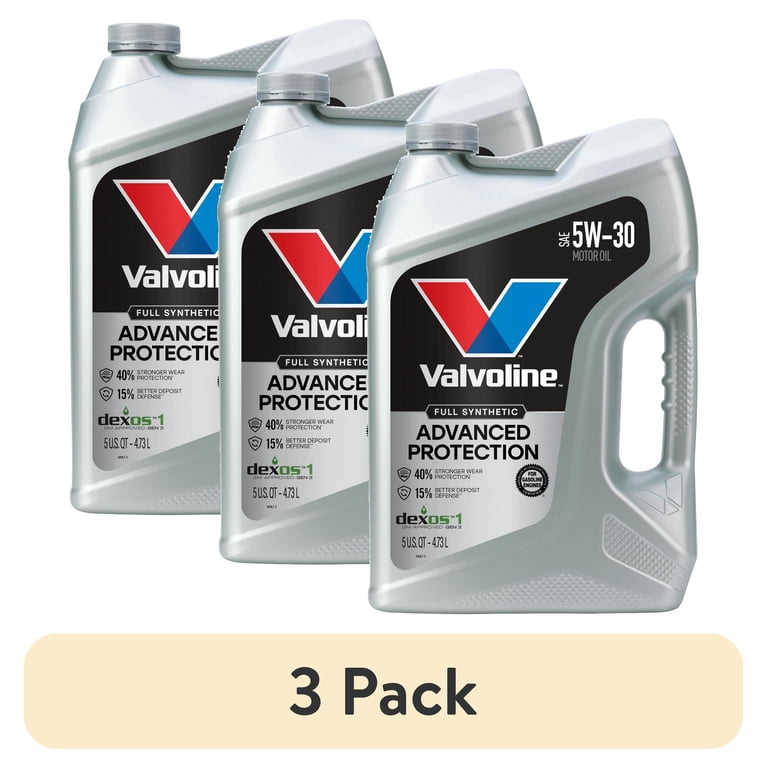
Credit: www.walmart.com
40 Key Factors To Consider Before Using 10w40 Instead Of 5w30
Each car and situation is unique. Here are 40 important factors you must think about before switching from 5W30 to 10W40 for summer.
1. Manufacturer’s Oil Recommendation
Always check your car’s manual. Manufacturers design engines for specific oil grades. Using the wrong oil can reduce engine life or void the warranty. Manuals often list several grades, but if only 5W30 is mentioned, don’t risk using another grade.
2. Engine Age And Mileage
Older engines with high mileage sometimes benefit from thicker oil like 10W40. It can help seal worn parts and reduce oil burning. Newer engines usually need 5W30. For example, a car with over 120,000 miles might show signs of oil consumption or leaks, where 10W40 could help.
3. Summer Temperatures
If you live in a very hot area, 10W40 may protect your engine better during extreme heat. It stays thicker when hot, offering more protection. In regions where summer temperatures reach 100°F (38°C) or higher, oil can break down faster, so a thicker oil may be safer.
4. Engine Wear
Thicker oil can cushion worn engine parts. If your engine has noticeable wear, 10W40 may reduce noise or leaks. This is common in older vehicles or those with less frequent maintenance.
5. Oil Pressure
Using 10W40 can increase oil pressure. This can be good for worn engines, but too much pressure can cause leaks or damage seals. Always check your oil pressure gauge after an oil change.
6. Fuel Economy
Thicker oil like 10W40 creates more drag, which can lower your fuel economy. 5W30 is thinner and usually helps your car use less gas. If saving money at the pump is important, stick with the recommended grade.
7. Engine Design
Modern engines have tighter clearances and are designed for thinner oil. Using 10W40 in these engines may cause problems. For example, direct-injection engines or those with variable valve timing often need quick-flowing oil.
8. Turbocharged Engines
Turbo engines often need thin oil for quick flow and cooling. 5W30 is usually the safe choice. 10W40 may not flow fast enough for turbos. Turbochargers spin at very high speeds, and thick oil can lead to overheating.
9. Oil Consumption
If your car burns oil, 10W40 may reduce consumption. Thicker oil is less likely to leak past piston rings or valves. This is especially true in older engines or those with minor leaks.
10. Oil Flow In Cold Starts
Even in summer, engines can be cold at startup. 5W30 flows faster at startup, reducing wear in the first moments after ignition. If you park outside overnight, this matters even in warm climates.
11. Short Trips
If you take short drives, the engine may not get hot enough for 10W40 to flow well. 5W30 is better for these conditions. Oil needs to reach operating temperature to protect the engine fully.
12. Long-distance Driving
For highway driving or long trips in hot weather, 10W40 can be more stable and protective. The oil’s thickness helps prevent breakdown during hours of high-speed travel.
13. Stop-and-go Traffic
Thicker oil can handle high heat from stop-and-go traffic, but it may reduce fuel economy. Consider your typical driving style. City drivers may notice a slight increase in fuel use.
14. Car Warranty
Using an oil not listed in your manual can void your warranty. Always check your warranty terms before switching. If you have a new car, stick strictly to the recommended oil.
15. Oil Change Intervals
Thicker oils can sometimes last longer before breaking down, but this is not always the case. Follow the oil change interval in your manual. Hot weather can shorten oil life, so check your oil level more often.
16. Oil Filter Compatibility
Some filters are designed for thinner oils. Thicker oil may clog or bypass the filter. Always use a filter that matches your oil choice.
17. Engine Noise
Older engines may run quieter with 10W40, as it provides a thicker cushion between parts. If your engine is getting noisy, this can be a quick fix.
18. Engine Deposits
Thicker oil can help prevent deposits in older engines, but it may not clean as well as 5W30. Some synthetic oils offer better cleaning action.
19. Emissions
Thicker oil can increase emissions, especially if it causes incomplete combustion. For areas with strict emission tests, stick with the manufacturer’s grade.
20. Oil Pump Load
Pumping thicker oil puts more strain on the oil pump, which could reduce its life. This is more of an issue in older engines with weak pumps.
21. Camshaft And Valve Protection
High-performance engines often need thinner oil for fast lubrication. 10W40 might not flow quickly enough. Racing or sporty cars usually require quick-moving oil.
22. Viscosity Stability
10W40 is less likely to thin out at high temperatures, making it more stable in summer heat. This can prevent oil from breaking down on hot days.
23. Tappet Or Lifter Noise
Worn lifters or tappets may be quieter with 10W40, but this is usually a sign of deeper issues. If noise returns, consider engine repairs.
24. Oil Leaks
If you have small leaks, 10W40 may help slow them down due to its thickness. However, it is not a cure for major leaks.
25. Engine Cleaning
Some synthetic 5W30 oils have strong cleaning additives, keeping your engine cleaner. Choose quality oils with good detergents.
26. Synthetic Vs Conventional Oil
Both 5W30 and 10W40 come in synthetic and conventional types. Synthetics resist breakdown better in heat. For summer driving, synthetic is often worth the extra cost.
27. Shear Stability
10W40 usually resists breaking down under heavy loads, which is good for towing or mountain driving. This is important if you haul trailers or drive uphill often.
28. Engine Modification
If you’ve modified your engine for more power, oil needs may change. Consult a performance specialist. Upgraded parts may require thicker or thinner oil.
29. Oil Availability
5W30 is more common in stores, especially in North America and Europe. This makes finding replacement oil easier.
30. Price
Thicker oils like 10W40 can be more expensive, especially in synthetic form. This affects the cost of each oil change.
31. Oil Additives
Some oils include additives for older engines. Check for special formulas if your car has high mileage. These additives can reduce wear or leaks.
32. Environmental Impact
Using thicker oil can increase fuel use and emissions, which is less eco-friendly. Consider this if you care about your carbon footprint.
33. Engine Type (gas Or Diesel)
Diesel engines sometimes need thicker oil. Check your manual for specific recommendations. Diesel oil usually has extra additives.
34. Towing And Heavy Loads
If you tow or carry heavy loads, 10W40 can offer extra protection in hot weather. The oil film stays strong under pressure.
35. Oil Pressure Gauge
Watch your oil pressure gauge after switching oils. Sudden changes can signal trouble. If you see high or low pressure, consult a mechanic.
36. Engine Sludge Risk
Thicker oil can sometimes trap heat, increasing sludge risk in engines with poor maintenance. Regular oil changes help prevent this.
37. Start-stop Systems
Modern start-stop engines need oil that flows quickly. 5W30 is usually better for these systems. Thick oil may delay engine protection.
38. Hybrid Cars
Many hybrids use 5W30 or even thinner oil. Thicker oils can hurt their special engines. Hybrids often have small, efficient engines.
39. Driving Altitude
At high altitudes, thinner oil like 5W30 can help with easier starts and better fuel economy. Air density affects engine performance and oil flow.
40. Personal Driving Habits
If you drive aggressively or in extreme conditions, you may need a different oil than the manual suggests. Ask a trusted mechanic for advice. For example, spirited driving in hot climates may require an oil upgrade.
When Is It Safe To Use 10w40 Instead Of 5w30?
Switching from 5W30 to 10W40 is sometimes safe in summer, but only in special situations:
- Your car is older and burns oil.
- You live in an area where summer temperatures often go above 100°F (38°C).
- Your engine has high mileage and is past warranty.
- You do a lot of towing or heavy hauling.
Always remember, these are exceptions. If you decide to switch, monitor your engine closely for changes in noise, leaks, or performance. Also, if you plan to travel between different climates, keep in mind that thicker oil may not work as well in cooler areas.
But, if your car is modern, under warranty, or has a turbo, stick with 5W30 unless your manual allows for 10W40.
Pros And Cons Of Using 10w40 In Summer
Let’s sum up the main advantages and disadvantages:
| Pros | Cons |
|---|---|
| Better protection in extreme heat | Reduces fuel economy |
| Can reduce oil burning in old engines | May void warranty |
| Good for high-mileage engines | Slower cold start flow |
| Helps reduce leaks | Possible higher emissions |
Another pro is that 10W40 can sometimes extend engine life in cars that see heavy summer use, like those driven in stop-and-go traffic or on long uphill stretches. However, a con that many overlook is the risk of oil starvation in modern engines.
If oil is too thick, it may not reach small parts quickly enough, leading to wear over time.
Real-world Examples
Example 1: John drives an old SUV with 180,000 miles in Arizona. In summer, he noticed his engine burned oil. Switching to 10W40 reduced oil loss and kept his engine running smoother. He also found the engine was quieter on hot days and oil leaks slowed down. However, he noticed a slight drop in fuel economy.
Example 2: Maria owns a 2021 sedan in Texas. She considered using 10W40 but her manual only lists 5W30. Her mechanic warned that 10W40 could hurt her engine and void her warranty. Maria decided to stay with 5W30 and found her car started easily even on hot mornings and used less fuel.
Example 3: Ahmed, living in Egypt, drives a pickup truck for daily deliveries. His truck is over 10 years old and often carries heavy loads in temperatures above 40°C. He switched to 10W40 during summer and found his engine ran cooler and oil lasted longer between changes. But when winter came, he switched back to 5W30 for better cold starts.
These examples show why context matters. Always match your oil to your engine’s needs and your environment.

Credit: www.walmart.com
Common Mistakes When Switching Oil Grades
- Ignoring the manual: The biggest mistake is not checking your car’s requirements. Manuals often list more than one grade, but always use one of the recommended options.
- Not considering cold starts: Even in summer, mornings can be cool. Oil must flow well at startup to protect your engine.
- Overlooking warranty: Using the wrong oil can cost you big if the engine fails. Car makers may refuse repairs if oil grade is wrong.
- Assuming thicker is always better: Thicker oil is not always more protective for modern engines. It can cause drag and overheating.
- Switching without monitoring: Always watch for new leaks or noises after changing oil grades. Small changes can signal bigger problems.
Some beginners also forget to change their oil filter when switching grades, which can affect oil flow and pressure.
How To Switch From 5w30 To 10w40 Safely
If you decide to switch, do it carefully:
- Check your owner’s manual for allowed viscosities.
- Use high-quality oil, preferably synthetic for better heat resistance.
- Change the oil filter at the same time.
- Monitor oil level, pressure, and color after the change.
- Listen for new engine sounds or check for leaks.
- If you notice problems, switch back to the recommended oil.
Add one more tip: Always perform the switch at the start of summer, so the oil can handle the hottest conditions right from the beginning.
Also, drive gently for the first few days after the switch. This helps the new oil circulate and settle in the engine. If you experience rough starts or unusual noises, consult a mechanic immediately.
How Oil Viscosity Affects Engine Performance
Oil viscosity directly impacts how your engine runs:
- Thinner oil (like 5W30) reduces friction and improves fuel economy but may not protect as well in extreme heat.
- Thicker oil (like 10W40) offers better protection at high temperatures but can cause drag and reduce efficiency.
Modern engines are built for thin oil to maximize efficiency and meet emissions laws. Using thicker oil can sometimes do more harm than good.
For example, in engines with variable valve timing or direct injection, oil flow is crucial for performance. If oil is too thick, it might block tiny passages and reduce responsiveness. On the other hand, older engines with wider spaces between parts can benefit from thicker oil, which maintains a stronger film and reduces wear.
Some beginners miss that oil viscosity also affects cooling. Oil carries heat away from moving parts. If oil is too thick, cooling may be slower, leading to overheating. That’s why sticking with the right grade is so important.
Key Insights Beginners Often Miss
- Oil isn’t just about protection. It also helps cool your engine, clean out sludge, and maintain fuel economy.
- Engine design matters more than outside temperature for most drivers. Newer engines are made for thinner oils, even in hot climates.
- Not all oils are created equal. Synthetic 5W30 can outperform cheap 10W40 in heat.
- Oil grades overlap. Both 5W30 and 10W40 can cover some of the same temperature ranges, but the engine’s design is the deciding factor.
- External factors like altitude and driving load should be considered, not just climate.
Another insight is that oil grade affects not only how your engine runs, but also how long it lasts. Neglecting oil grade can lead to faster wear and costly repairs, even if nothing seems wrong at first.

Credit: www.reddit.com
What Do Experts And Car Makers Say?
Most car makers and mechanics agree: Follow your owner’s manual. Engine oil is chosen by engineers after years of testing. For most modern cars, 5W30 is the best choice, even for hot summers. If your car’s manual allows for both 5W30 and 10W40, you can switch during summer. But if only 5W30 is listed, do not use 10W40.
Car makers have tested oils in all possible conditions, including high heat, heavy loads, and cold starts. They also know how oil affects emissions and fuel use, which is why they stick to specific grades.
For more technical details on oil grades, you can check the Motor oil Wikipedia page.
Frequently Asked Questions
Can I Mix 5w30 And 10w40 Oils?
Mixing oils is not recommended. The mixture may not have the right viscosity for your engine. If you’re low on oil and have no choice, mix only for emergencies and replace with the correct oil as soon as possible. Mixing can also dilute additives, reducing the oil’s cleaning and protection abilities.
Will Using 10w40 Void My Car’s Warranty?
Yes, if your manual does not list 10W40 as an approved oil, using it can void your warranty. Always use the specified grade during the warranty period. If you’re unsure, call your dealer for advice.
Is 10w40 Better For High-mileage Cars?
It can be, especially for engines with leaks or oil burning. Thicker oil can reduce these problems, but check your manual and talk to a mechanic first. Sometimes, using a high-mileage oil with added seal conditioners works better than simply switching grades.
How Often Should I Change 10w40 Oil In Summer?
Follow your car’s recommended oil change interval, usually every 5,000 to 7,500 miles for synthetic oil. Hot weather can shorten oil life, so check the oil level and color often. If you tow or drive in dusty conditions, change oil sooner.
What Happens If I Use The Wrong Oil For One Oil Change?
One oil change with the wrong oil grade is unlikely to cause major damage, but it’s not ideal. Switch back to the recommended oil at your next oil change and watch for any changes in engine behavior. If you notice leaks, noise, or rough running, see a mechanic.
Switching from 5W30 to 10W40 in summer is a decision that depends on your car’s design, age, and how you drive. For most modern vehicles, it’s best to stick with what the manufacturer recommends. Thicker oil can help older engines in very hot climates, but it’s not a universal solution.
If you’re unsure, ask a trusted mechanic or consult your car’s manual. Your engine—and your wallet—will thank you for making the right choice.