
Does Engine Oil Evaporate? My Genuine Experience Shared

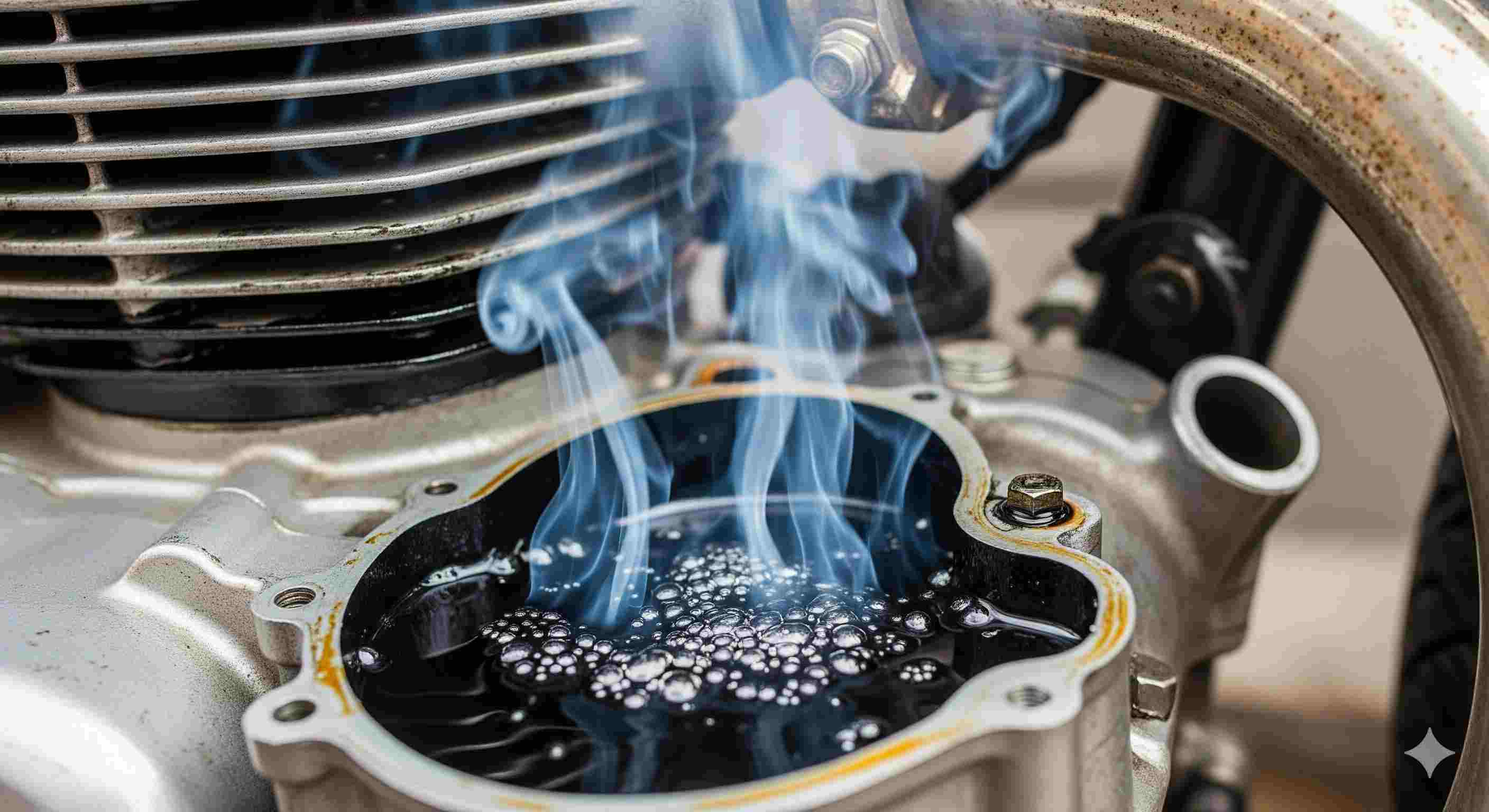
Does Engine Oil Evaporate? Yes, it does. This is a key fact. It helps us know how oil works. It also tells us how long an engine can last. All liquids can turn into a vapor. For oil, this is called evaporation loss or volatility.
This happens because engines get very hot. It is like water drying in the sun. The heat gives oil parts energy. The lightest parts of the oil turn into a gas. This gas then leaves the engine.
This is not just about losing a little oil. It is a big deal. When oil turns to vapor, the oil left in the engine changes. It does not protect the engine as well as it should. This report will show that oil turning to vapor is a big reason why oil goes bad. It is a big part of what we call “normal” oil use. You can control this. You just need to pick the right kind of oil.
Many people think that losing oil is always from a leak. Or they think it is from the engine burning oil. These things do cause oil loss. But a lot of “normal” oil loss is just from the oil turning to a vapor. Many drivers see their oil level go down. But they do not see blue smoke from the exhaust.
They do not see drips on the ground. The oil just seems to go away. This unseen loss is from the light parts of the oil boiling off as you drive. So, the type of oil you use has a big effect on how much oil you use. This means you can control oil loss. It is not just about your engine’s condition. You can choose an oil that does not turn to vapor as easily.
Also read : Are Motorcycle Oil Filters Universal: My Essential Guide
Why Some Oils Evaporate More
To know why oil turns to vapor, you must know what oil is made of. Engine oil is a mix. It is 70% to 90% base oil. It is 10% to 30% additives that help it work better. How much an oil turns to vapor depends on these two parts.
Regular Oil vs. Synthetic Oil
The base oil is the most important part for this. Base oils can be regular (also called mineral) or synthetic.
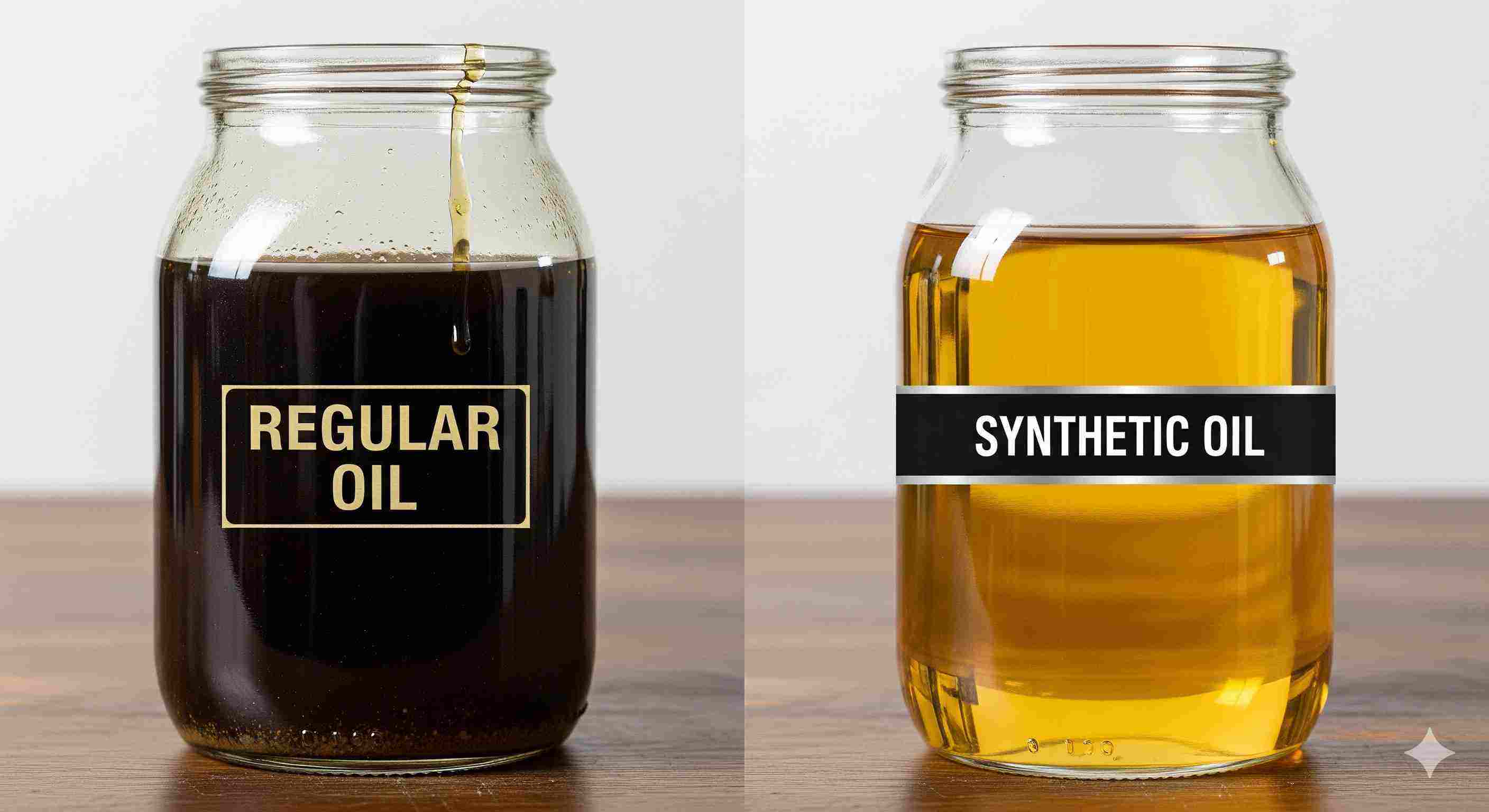
Regular (Mineral) Oils come from crude oil. The process to make them creates a mix of parts. These parts have many different shapes and sizes. A regular oil has a wide range of parts in it. This mix has many small, light parts. These parts do not handle heat well. They are the first to turn to vapor. This makes regular oils turn to vapor more easily.
Synthetic Oils are made in a lab. They are not just taken from crude oil. They are built using pure parts that are all the same size. This makes a base oil where all the parts are the same. These parts are the same size and shape. They handle heat much better. They do not have the light parts that turn to vapor. This is why synthetic oils turn to vapor much less than regular oils.
Additives in Oil
Additives are a small part of the oil, but they are important. They help the oil clean the engine and prevent wear.
Some additives can help lower the amount of vapor loss. For example, some stop the oil from breaking down in high heat.
But some additives can turn to vapor themselves. Some parts with phosphorus can do this. This is bad for two reasons. First, the oil loses good additives. Second, the phosphorus vapor can hurt the car’s catalytic converter. This can cause more pollution and cost a lot to fix.
Oil Groups from the API
The American Petroleum Institute (API) has a system. It puts base oils into five groups. These groups tell you about the oil’s quality. Groups I and II are regular oils. Group III is a very refined regular oil. It is often sold as a synthetic. Group IV is a true synthetic oil. Group V is for all other types of synthetic oils.
The group number tells you how well the oil resists turning to vapor. A Group III oil is better than a Group I or II oil. But a Group IV or V oil is often the best. Oil makers use Group IV and V oils to meet the rules for modern engines. If you want the least amount of oil loss, look for oils made with these top groups. Do not just trust the “full synthetic” label.
How We Measure Oil Evaporation
The oil industry has a test to measure how much oil turns to vapor. It is called the Noack volatility test. This test is the main standard. It is part of all major oil rules.
The Noack Test
The Noack test copies the hot spots in an engine. It copies the area near the pistons where it gets very hot.
- How it works: A small amount of oil is weighed. It is then heated to 250°C (482°F). It stays at this heat for one hour. A steady flow of air passes over the oil. This air carries away the parts that turn to vapor.
- What it means: After one hour, the oil is cooled and weighed again. The weight that was lost is the amount that turned to vapor. This is shown as a percent. A lower Noack percent is always better. It means the oil is strong. It will not turn to vapor easily. It will lead to less oil use in your car.
History of the Test
The test was made in Germany in the 1930s. The first test machines used toxic metals. New tests were made that are much safer. These new tests give the same results but are safer to use.
Rules for Oil Makers
The Noack score is a rule. Oils must pass it to be sold. The rules are strict.
| Group | Standard(s) | Max Noack Loss (%) | Used For |
| API / ILSAC | SP / GF-6 | ≤15% | Most US & Asian Cars |
| ACEA | A3/B4, A5/B5, C-Series | ≤13% | European Cars |
| General Motors (GM) | dexos1® Gen 3 | ≤13% | Modern GM Cars |
| JASO | T903 | ≤15% | 4-Stroke Motorcycles |
The rules are tougher for modern engines. European cars and GM cars need oil with a 13% max loss. This is because new engines run much hotter. They have parts like turbos. They have smaller oil pans. These engines need stronger oil that does not turn to vapor. If you have a car with these parts, you should use an oil that meets these tougher rules.
Another Way to Measure
There is another test called SimDis. It uses a machine to see what percent of oil boils below a certain temperature. This test is safer than the old Noack test. But the results are not always the same. The Noack test is seen as being closer to what happens in a real engine.
What Makes Oil Evaporate Faster?
How fast oil turns to vapor is not always the same. It depends on the oil itself. It also depends on how you drive and the engine.
The Oil Itself
- Base Oil Quality: This is the most important thing. A better base oil will turn to vapor less. The API Groups show this clearly.
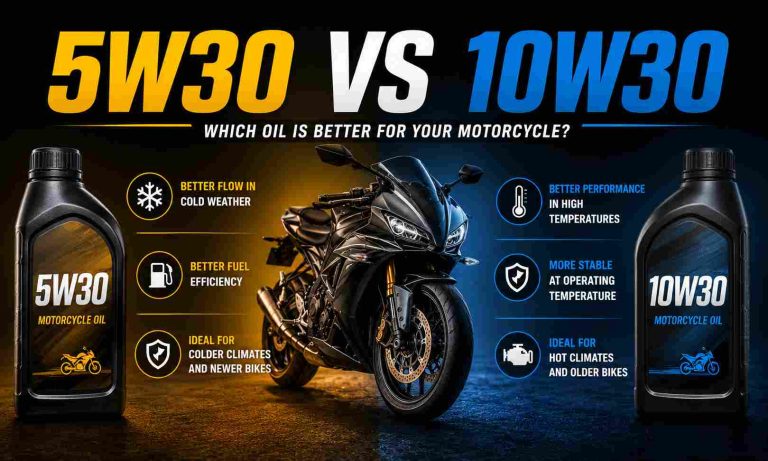
- Oil Weight (Viscosity): Thinner oils (like 0W-20) use lighter base oils. These lighter oils turn to vapor more easily than thicker oils (like 10W-40). Oil makers have to balance this. Thin oils help with gas mileage. But they can turn to vapor more.
This table shows how the API Base Oil Groups relate to vapor loss.
| API Group | Name | How It’s Made | Key Facts | Vapor Loss Performance |
| Group I | Regular Mineral | Solvent-Refined | <90% Saturates, >0.03% Sulfur | High |
| Group II | Regular Mineral | Hydrocracked | >90% Saturates, <0.03% Sulfur | Moderate |
| Group III | Synthetic Tech | Severely Hydrocracked | >90% Saturates, <0.03% Sulfur | Low |
| Group IV | Full Synthetic | Synthesized (PAO) | Polyalphaolefins | Very Low |
| Group V | Full Synthetic | Varies | Esters, etc. | Varies (Esters are Very Low) |
How and Where You Drive
- Engine Heat: Heat is the main cause of vapor loss. The hotter the engine, the faster the oil turns to vapor. Hot spots in an engine, like near a turbo, can get very hot. This causes a lot of vapor loss.
- Driving Style: Hard driving makes the engine hotter. Towing, city driving, and letting the car idle a lot all make more heat. This leads to more oil turning to vapor.
- Weather: Hot weather makes the engine run hotter. This makes vapor loss worse. Cold weather has its own problems. Short trips in the cold do not let the engine get hot enough. Water can build up in the oil. This can form sludge.
- Humidity: The amount of water in the air can have a small effect. High humidity can slow vapor loss a little. Dry air can speed it up.
The Engine Itself
- Engine Design: Some engine designs can affect oil use.
- PCV System: This system helps vent gases from the engine. If it is not working right, it can affect how oil vapor is handled.
The Problems Caused by Oil Evaporation
When oil turns to vapor, it is not just a loss of volume. It starts a chain of bad events. These events hurt your engine.
Oil Gets Thicker
The main effect is that the oil gets thicker. The light, thin parts of the oil are what turn to vapor. The heavy, thick parts are left behind. This makes the whole oil thicker. The oil does not flow like it was made to.
Other Problems Follow
This thick oil causes more problems:
- More Engine Wear: Thick oil flows slowly. This is very bad when you start the car cold. Parts may not get oil right away. This can cause metal parts to rub. This leads to faster wear.
- Worse Gas Mileage: The engine has to work harder to pump thick oil. This uses more energy. This means you get worse gas mileage.
- Sludge and Dirt: The thick oil that is left can break down more easily. This can form sludge and dirt inside the engine. This dirt can block oil paths. This can lead to the engine not getting enough oil. This can cause major engine failure.
- Additives Don’t Work Right: The additives in the oil are mixed for a certain amount of base oil. When the base oil turns to vapor, the mix is wrong. The additives may not work as well.
- Damage to Exhaust System: As we saw, some parts of the oil can turn to vapor and go out the exhaust. This can damage the catalytic converter. This part cleans the exhaust. If it is damaged, your car will pollute more. It can be very costly to replace.
These problems feed on each other. Vapor loss makes oil thick. Thick oil does not cool the engine well. This makes the engine run hotter. A hotter engine makes more oil turn to vapor. It is a bad cycle that gets worse and worse.
Finding the Cause of Oil Loss
It is important to know why your oil level is dropping. There are three main reasons: leaks, burning, and vapor loss. The term “oil consumption” usually means both burning and vapor loss. Knowing the cause helps you know what to do next.
Looking at the Signs
Each cause has its own signs:
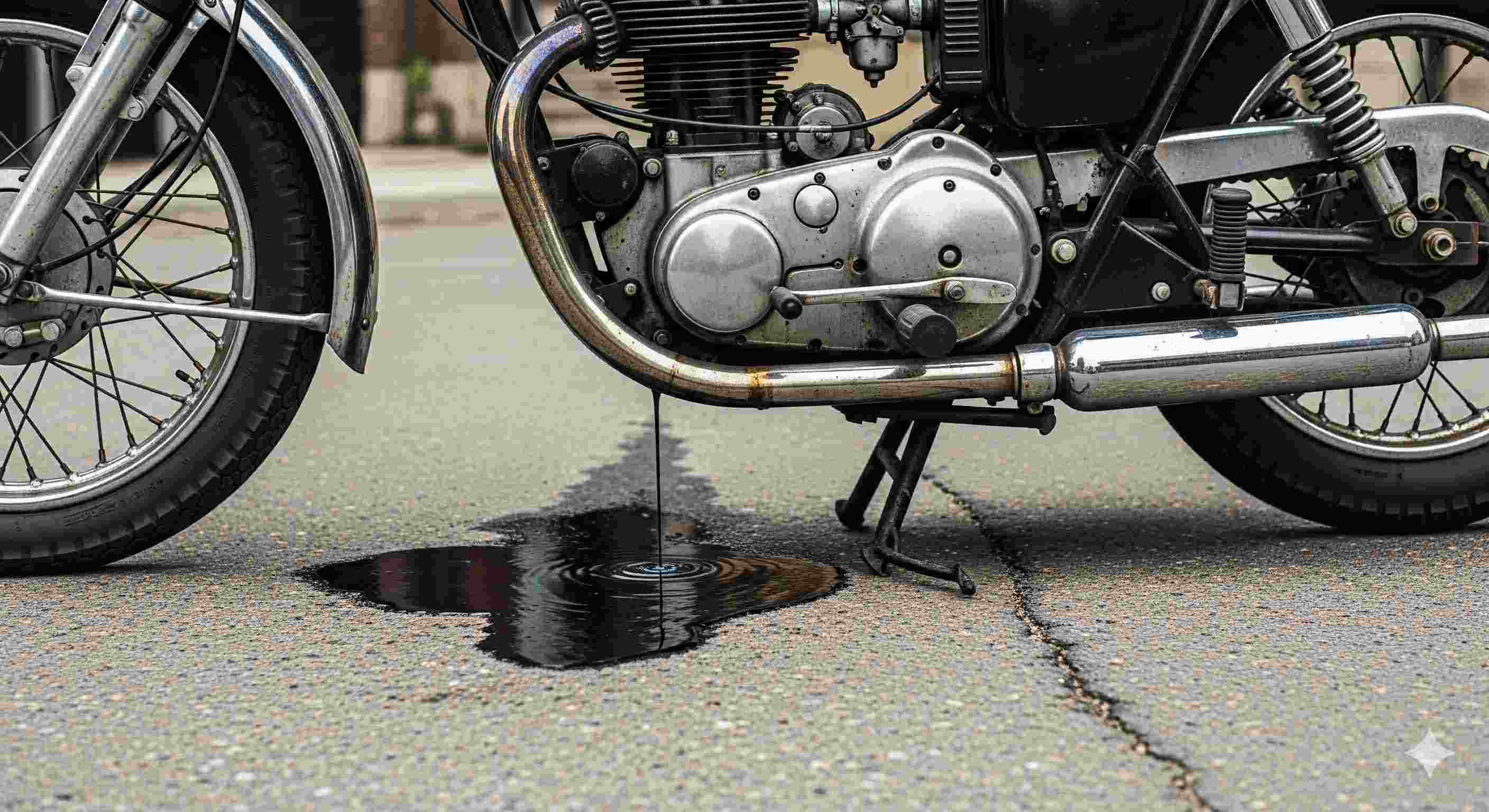
- Leaks: This is easy to see. You will find dark drips or spots on the ground where you park. You may also see wet oil on the engine itself.
- Burning: This happens when oil gets into the part of the engine where fuel is burned. The main sign is blue or gray smoke from the exhaust pipe. You may see this most when you start the car or speed up fast. This is caused by worn engine parts.
- Evaporation (Vapor Loss): This is the “unseen” oil loss. The oil level just goes down over time. There are no leaks and no smoke. This is often called “normal.” But how much is lost depends on the oil you use and how you drive.
This table can help you figure out the cause.
| Main Sign | Likely Cause | How to Tell | What to Do |
| Dark spots under car; oily engine | External Leak | You can see the oil on the ground or engine. Oil is lost even when the car is off. | Look for leaks at gaskets and seals. A UV dye kit can help find small leaks. |
| Blue or gray smoke from exhaust | Mechanical Burning | Smoke is the main sign. Oil is lost when the engine is running. | Check the PCV valve. Do a compression test to check piston rings and seals. |
| Oil level drops; no leaks or smoke | Evaporation | The loss is “invisible.” It can get worse with fast driving or in hot weather. | Check the oil’s data sheet for its Noack score. Switch to a better synthetic oil with a lower Noack score. |
It is important to know that you can have more than one problem at once. For example, an engine with worn piston rings will burn some oil. But it will also let hot gases into the oil pan. These hot gases make the oil much hotter. This makes the oil turn to vapor much faster. So, a part that causes oil to burn also makes oil turn to vapor faster. Fixing the worn part will stop the burning and also slow the vapor loss.
Also read : Symptoms of a Bad Fuel Filter in a Motorcycle: Dangerous culprit 2025
How to Reduce Oil Evaporation
Oil will always turn to vapor a little. But you can do a lot to slow it down. You can pick the right oil, take good care of your car, and think about how you drive.
Strategy 1: Pick the Right Oil (This is the best way)
The best way to control vapor loss is to use an oil made to resist it.
- Look for Low Vapor Loss: Pick an oil with a low Noack score. This is the best way to know if an oil will resist heat.
- Choose Good Synthetic Oils: Full synthetic oils are much better than regular oils at resisting vapor loss. Oils made with Group IV (PAO) and Group V (Ester) base stocks are the very best. They are a great choice for modern engines.
- Read the Data Sheet: Look up the oil online before you buy it. The maker will have a Product Data Sheet (PDS). Look for the Noack score. It may be called “Noack Volatility” or “Evaporation Loss.” You want a low number. The rules allow up to 13-15%. A score under 10% is very good.
Strategy 2: Good Car Care
Good car care helps keep the engine from getting too hot.
- Change Oil on Time: Even good synthetic oils need to be changed. Follow the schedule in your car’s manual. If you drive in hard conditions (like lots of short trips or towing), change it more often.
- Keep the Cooling System Working: Heat is the main cause of vapor loss. So, your cooling system must work well. Check your coolant level. Make sure the radiator and fans are working right.
- Check the PCV System: A working PCV system helps vent the engine right. A bad PCV valve should be replaced.
Strategy 3: Think About How You Drive
- Avoid Hard Driving: Things like idling for a long time, driving at high speeds, and towing make the engine very hot. This makes oil turn to vapor faster.
- Let the Engine Warm Up: On short trips, especially in the cold, let the engine run long enough to get fully warm. This helps burn off any water in the oil. If water builds up, it can form sludge.
In the end, there is a choice to make about cost. A good synthetic oil costs more to buy. But it can save you money over time. With a cheap oil, you have to buy more oil to top it off. You also get worse gas mileage because the engine has to work harder to pump thick oil. And most of all, the damage from bad oil can lead to very costly engine repairs. So, buying a good oil with a low Noack score is a smart choice. It helps your car last longer and run better.
Also read : Why are Motorcycle Oil Changes so Expensive ?
FAQs for does engine oil evaporate
Does engine oil evaporate?
Yes, engine oil does evaporate. Heat from your engine can turn small parts of the oil into a vapor. This is a normal process that happens over time as you drive.
Why is my car losing oil if there is no leak?
If you see no leaks, your engine might be losing oil in two ways. It could be turning to vapor from high heat, or it could be burning oil due to worn engine parts.
Does synthetic oil evaporate less than regular oil?
Yes, synthetic oil evaporates less. It is made to handle high heat much better than regular, or conventional, oil. This helps reduce oil loss and keeps your engine safe.
How can I reduce engine oil evaporation?
To lower oil loss, use a good quality synthetic oil. Also, keep your engine’s cooling system in good shape. Changing your oil at the right time helps a lot too.
What happens to my engine when oil evaporates?
When oil turns to vapor, the oil left in your engine gets thicker. This thicker oil does not flow as well. This can lead to more wear on engine parts over time.
Conclusion
Engine oil turning to vapor is a real and serious issue. It is more than just losing a little oil. It is a process that starts with the oil’s own parts. Heat from the engine makes the lightest parts of the oil turn to vapor. The oil that is left is thicker and does not work as well. This leads to many problems. These include more engine wear, bad gas mileage, sludge, and damage to the exhaust system.
How fast this happens depends on many things. Hot engines, hard driving, and hot weather all make it worse. But the most important thing is the oil itself. Synthetic oils are made with pure parts that are all the same. They are much better at resisting vapor loss than regular oils. We measure this with the Noack test. A lower score on this test means a better, stronger oil.
For car owners today, it is key to know about this. It changes how we think about “normal” oil use. It is not just something your engine does. It is something you can control. By looking at data like the Noack score, you can pick a better oil. Choosing a good synthetic oil with a low Noack score is the best thing you can do. Taking good care of your car’s cooling system also helps. This smart approach will keep your oil working well. It will protect your engine and help it last a long time.
2 Comments