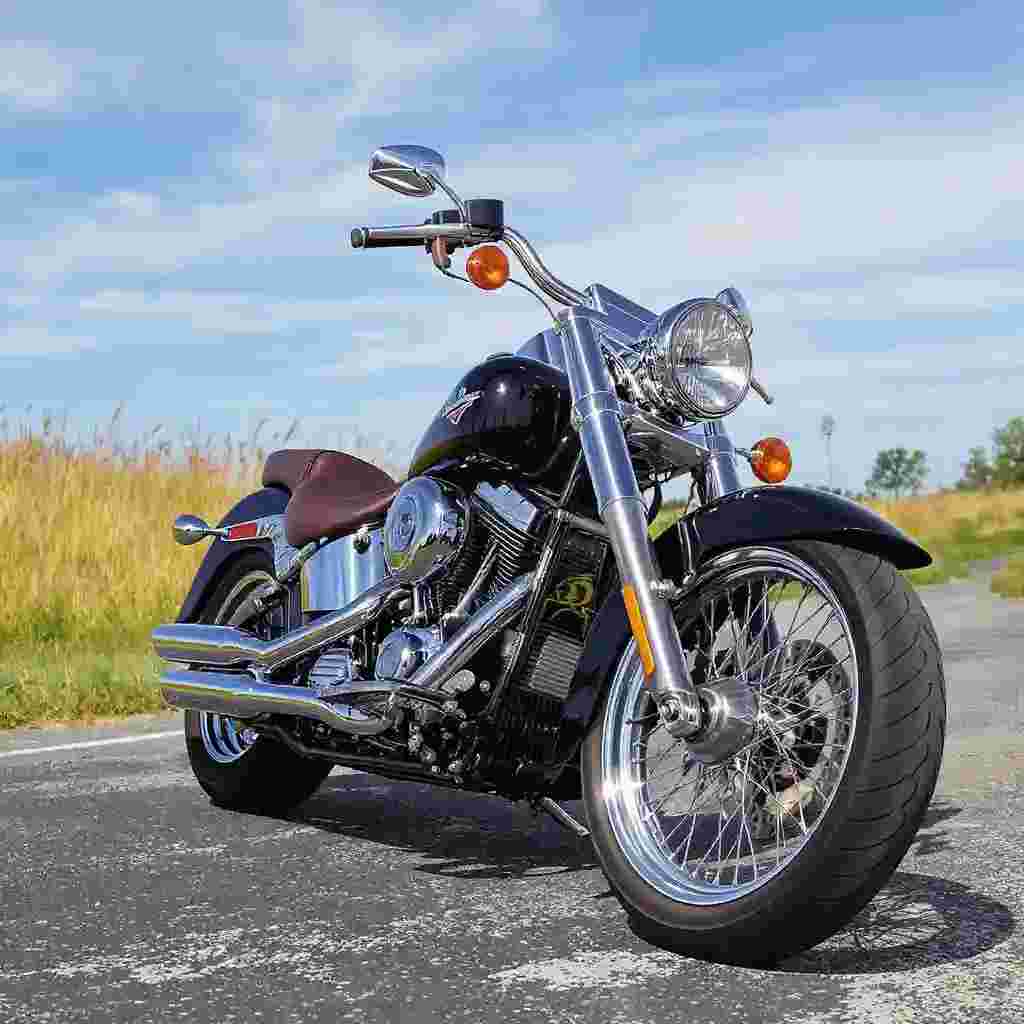
Can A Cop Chase A Motorcycle: Unveiling the Legal Boundaries

Yes, a cop can chase a motorcycle. But there are rules and risks involved.
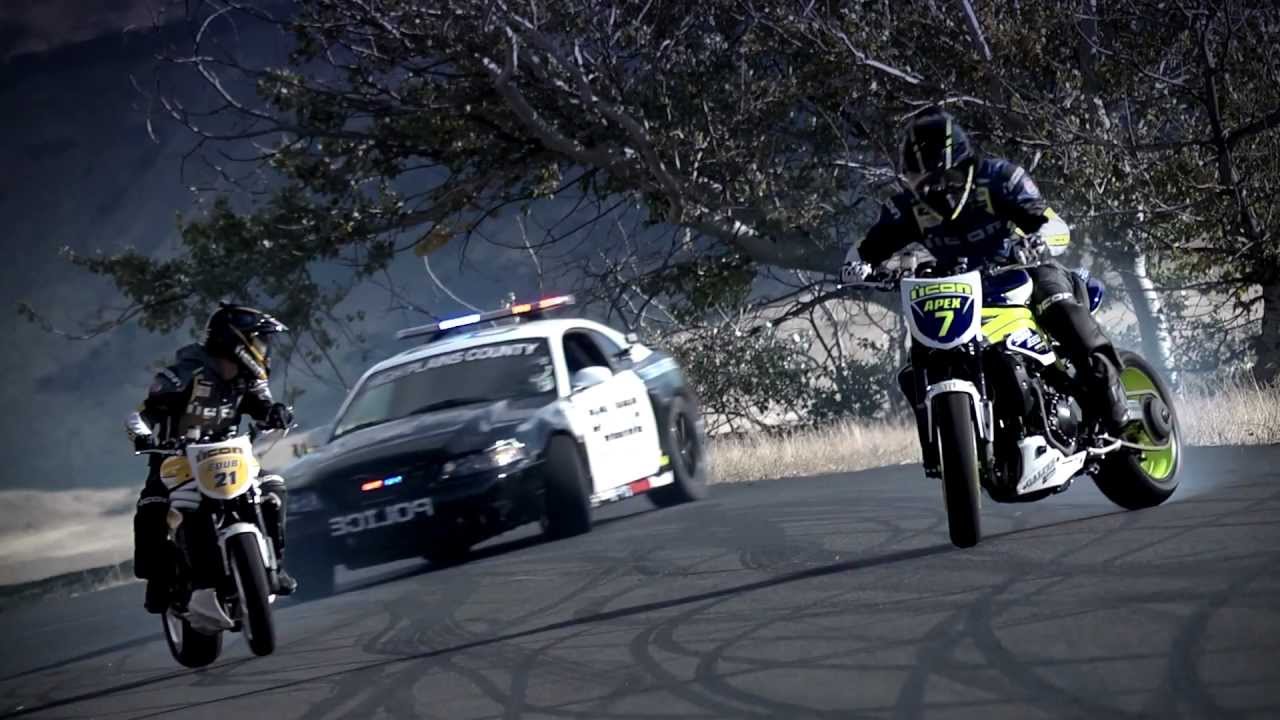
Motorcycle chases by police are high-stakes situations. They involve both legal and safety considerations. Police must weigh the danger to the public, the rider, and themselves. This balance of enforcement and safety leads to strict guidelines. In some areas, policies limit or even prohibit pursuing motorcycles.
Factors like the severity of the offense and traffic conditions matter. Let’s explore the nuances, rules, and scenarios where police may chase a motorcycle. Understanding these dynamics helps us grasp the complexities involved in such pursuits.
Credit: tobewelt.de
Legal Pursuit Rules
Understanding Legal Pursuit Rules is crucial for both law enforcement officers and motorcycle riders. These rules dictate how and when a police officer can engage in a chase. They are designed to ensure public safety and protect the rights of individuals involved.
State Regulations
Each state in the U.S. has its own set of regulations regarding police pursuits. These rules can vary widely, so it’s important to know the specific laws in your area.
| State | Regulation Summary |
|---|---|
| California | Officers must weigh the risk to public safety before initiating a chase. |
| Texas | Chases can only be initiated if the suspect poses a significant threat. |
| Florida | High-speed chases are restricted to felonies involving violence. |
State regulations often involve specific criteria that must be met for a chase to proceed. These criteria often include:
- The severity of the offense
- Potential danger to the public
- Environmental conditions
Federal Guidelines
While state regulations vary, there are overarching federal guidelines that provide a framework for police pursuits. These guidelines emphasize public safety and the need for clear policies.
According to the Department of Justice, law enforcement agencies should:
- Develop clear pursuit policies
- Provide regular training for officers
- Use technology to assist in pursuits
These guidelines aim to minimize risks and ensure that pursuits are conducted responsibly.

Credit: abc7.com
Motorcycle Chase Scenarios
When it comes to police pursuits involving motorcycles, different scenarios can unfold depending on the environment. Let’s explore how these chases play out in urban and rural settings.
Urban Environments
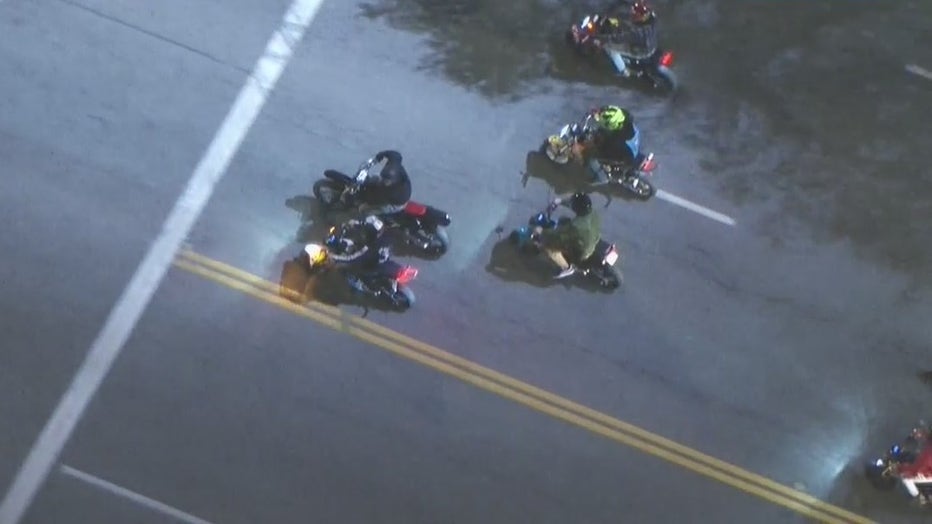
- Narrow streets and heavy traffic can make it challenging for a cop to chase a motorcycle.
- Sharp turns and alleys provide opportunities for motorcyclists to evade capture.
- Increased risk of accidents due to pedestrians and other vehicles on the road.
Rural Areas
- Open roads and higher speeds can make pursuits more dangerous for both the officer and the rider.
- Limited backup options in remote areas may impact the effectiveness of the chase.
- Off-road capabilities of motorcycles can enable riders to escape into rough terrain.
Safety Concerns
When police officers chase motorcycles, safety concerns arise. The chase can impact both the rider and the public. These concerns need careful consideration to avoid unnecessary risks.
Rider Safety
Motorcycle chases put the rider at significant risk. High speeds on a motorcycle can lead to severe accidents. The chance of losing control increases with speed. Riders are also less protected than car drivers. Falling off a motorcycle can result in serious injury or death. The pursuit itself raises stress levels, making it harder for the rider to make safe decisions.
Public Safety
Chasing a motorcycle in traffic endangers everyone on the road. High-speed chases can cause other drivers to panic. Panic leads to accidents. Pedestrians are also at risk during these pursuits. The chase could spill into busy areas, increasing the danger to bystanders. Ensuring public safety must be a top priority for law enforcement.
| Safety Concern | Impact |
|---|---|
| Rider Safety | High risk of severe accidents and injuries |
| Public Safety | Danger to other drivers and pedestrians |
Credit: www.fox7austin.com
Police Protocols
Police officers follow strict protocols during high-speed chases. These rules ensure public safety and protect all involved. Understanding these protocols can help clarify the complex dynamics of police chases.
Engagement Procedures
Police must assess the situation before engaging in a chase. They consider factors like traffic, weather, and the suspect’s behavior. Officers must communicate with their superiors before starting a pursuit.
Here are some key points of engagement procedures:
- Identify the suspect and their vehicle
- Evaluate potential risks to the public
- Seek approval from higher authorities
- Coordinate with other units and resources
Disengagement Policies
Disengagement policies are crucial for minimizing danger. Police must know when to stop a chase to protect lives. This decision often involves continuous risk assessment.
Common reasons for disengaging a chase include:
- High risk to public safety
- Severe weather conditions
- Suspect enters a highly populated area
- Loss of visual contact with the suspect
These protocols are in place to ensure safety and effectiveness during police pursuits. They help balance the need to apprehend suspects with the importance of public safety.
Technological Aids
Technological aids play a crucial role in enabling law enforcement to effectively chase motorcycles. These tools provide police officers with the necessary resources to track, communicate, and monitor the situation in real-time.
Surveillance Tools
Surveillance tools such as GPS tracking systems and drones help police track the movement of motorcycles during a chase. These tools provide valuable data and visual information to law enforcement, enhancing their ability to pursue and apprehend suspects.
Communication Systems
Communication systems like two-way radios and mobile devices allow police officers to coordinate their efforts during a motorcycle chase. This real-time communication ensures that officers can work together efficiently and respond quickly to changing circumstances.
Training Requirements
Police officers face unique challenges when pursuing motorcycles. Special training is essential. This ensures safety and effectiveness during high-speed chases. Let’s explore the training requirements that officers must meet.
Officer Training
Police officers undergo rigorous training programs. These programs prepare them for all types of pursuits. Officers learn about laws, pursuit policies, and safety protocols. They also practice decision-making skills. This helps them determine when a chase is necessary. Officers must also learn to communicate effectively. Clear communication is crucial during high-speed pursuits.
Motorcycle Handling
Handling a motorcycle requires specific skills. Police officers receive specialized motorcycle training. They learn how to control their bikes at high speeds. Training includes tight turns and quick stops. Officers also practice balance and maneuvering. This helps them chase suspects safely and efficiently. Mastery of motorcycle handling is vital. It ensures officers can keep up with fleeing suspects.
Controversial Incidents
The topic of police chases involving motorcycles often sparks heated debates. Controversial incidents have highlighted the risks and challenges faced by both officers and riders. These incidents raise questions about the safety and legality of such pursuits.
High-profile Cases
Several high-profile cases have attracted media attention. In 2018, a high-speed chase in Los Angeles ended tragically. The rider lost control and crashed, leading to serious injuries. Another case in New York saw a similar outcome. The motorcyclist was pursued for running a red light and collided with a pedestrian.
These incidents often result in public outcry. Critics argue that the risks outweigh the benefits. Supporters, on the other hand, believe that law enforcement must uphold the law.
Legal Outcomes
Legal outcomes of these chases vary by jurisdiction. In some states, officers face strict guidelines. They must consider public safety before engaging in a pursuit. In other areas, the rules are more lenient. Officers have more discretion on whether to chase.
Courts also play a role in these decisions. Some cases end up in lawsuits. Families of injured riders seek justice. They argue that the police acted recklessly. These lawsuits can result in significant settlements or policy changes.
A table summarizing some notable legal outcomes:
| Case | Outcome | Impact |
|---|---|---|
| Los Angeles, 2018 | Lawsuit, Settlement | Policy Change on Pursuits |
| New York, 2019 | No Charges, Public Outcry | Review of Pursuit Guidelines |
In conclusion, controversial incidents involving police chases of motorcycles spark intense debate. High-profile cases and legal outcomes show the complexity of this issue. Balancing law enforcement with public safety remains a challenge.
Public Opinion
Public opinion varies on the topic of whether a cop can chase a motorcycle. Some people believe that police should have the authority to pursue motorcycles to enforce the law. Others feel that such chases can lead to dangerous situations.
Community Perspectives
Community members often have strong feelings about police chases involving motorcycles. Some residents think that allowing police to chase motorcycles helps keep the streets safe. They believe it deters reckless riders from breaking traffic laws.
On the other hand, some community members worry about the risks. High-speed chases can cause accidents and put innocent lives in danger. They argue that the risks outweigh the benefits of catching a fleeing motorcyclist.
Advocacy Groups
Advocacy groups also weigh in on this issue. Groups focused on road safety often oppose high-speed chases. They highlight the potential for crashes and injuries during such pursuits. These groups advocate for alternative methods to catch lawbreakers.
Law enforcement advocacy groups usually support the right to chase motorcycles. They argue that police need this tool to maintain order. They believe that without the threat of a chase, some criminals might feel emboldened to flee.
Frequently Asked Questions
Can Cops Legally Chase Motorcycles?
Yes, cops can legally chase motorcycles. They must follow specific protocols and regulations during the pursuit.
What Are The Risks Of Chasing Motorcycles?
Chasing motorcycles involves risks like high-speed crashes. It endangers both the rider and the public.
Do Police Motorcycles Engage In Pursuits?
Yes, police motorcycles can engage in pursuits. They often handle situations where agility and speed are required.
Are There Restrictions On Police Motorcycle Chases?
Yes, restrictions exist. Policies vary by jurisdiction, focusing on public safety and minimizing risks.
Conclusion
Chasing a motorcycle involves unique challenges for police. Safety is always a priority. Officers must weigh the risks before deciding. Motorcycles can be hard to catch. Advanced training helps officers handle these situations. Laws and policies vary by region. Always stay informed about local regulations.
Both riders and officers should prioritize safety. Respect the rules of the road. Stay aware and ride responsibly.