Bike Helmet Dimensions: Ultimate Guide to Perfect Fit

A well-fitting bike helmet is crucial for safety. It ensures protection during rides.
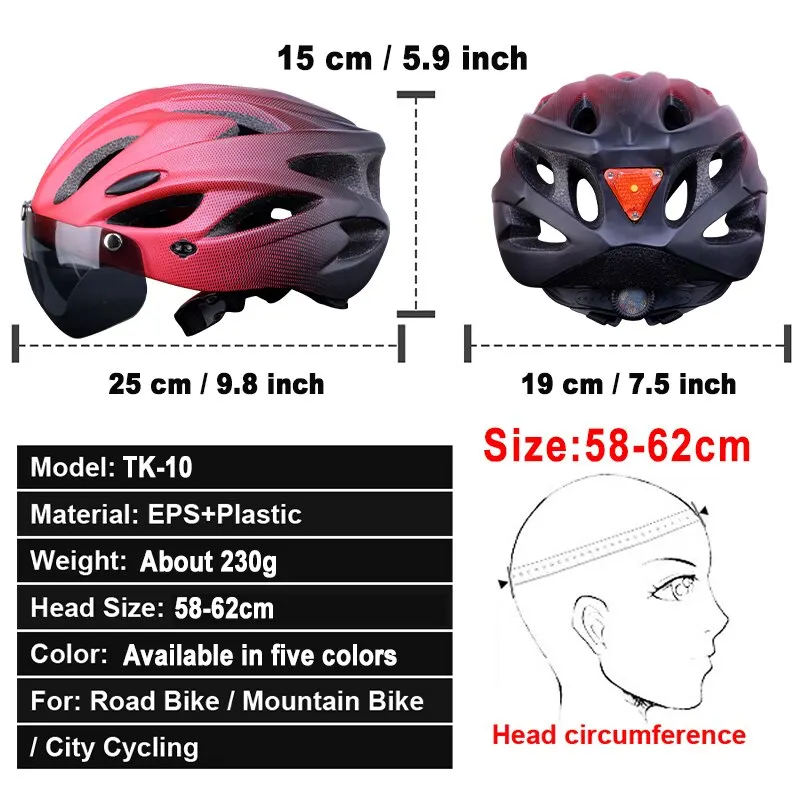
Bike helmet dimensions vary widely, making it essential to choose the right size. The right helmet not only provides comfort but also maximizes safety. Helmets come in different sizes and shapes to fit various head sizes and preferences. Understanding the dimensions can help you find the perfect fit.
This guide will explore the key aspects of bike helmet dimensions. From measuring your head to understanding size charts, we will cover everything you need to know. Stay with us as we delve into the world of bike helmet dimensions, ensuring you make an informed decision for your next ride.
Importance Of Proper Fit
Ensuring your bike helmet fits properly is crucial for both safety and comfort. A well-fitted helmet can make a significant difference in case of accidents. Wearing a helmet that fits right not only protects your head but also improves your riding experience.
Safety Benefits
A helmet that fits snugly on your head offers maximum protection. It reduces the risk of serious injuries. An ill-fitting helmet can shift during impact, exposing your head to harm. Correct dimensions ensure the helmet stays in place. This stability is vital during accidents.
Comfort And Performance
Wearing a helmet that fits well enhances comfort. You can ride longer without discomfort. A proper fit prevents pressure points and headaches. It also improves performance. When your helmet fits, you can focus better on the ride. You won’t be distracted by constant adjustments.
Credit: www.aliexpress.com
Measuring Your Head
Getting the right bike helmet size ensures safety and comfort. Proper measurement is key. Let’s walk through the tools needed and a step-by-step guide to measure your head accurately.
Tools Needed
- Soft measuring tape
- Mirror
- Notebook and pen
A soft measuring tape is essential. A mirror helps you see and adjust the tape. Use a notebook and pen to record measurements.
Step-by-step Guide
- Wrap the Tape: Place the tape about one inch above your eyebrows.
- Adjust and Check: Use the mirror to ensure the tape is level around your head.
- Read the Measurement: Note the number where the tape meets.
- Record the Measurement: Write down your measurement immediately.
- Double-Check: Measure again to ensure accuracy.
Follow these steps to get an accurate head measurement. This ensures your helmet fits well and offers maximum protection. Safety and comfort depend on the right fit.
Helmet Size Charts
Choosing the right bike helmet is crucial for safety and comfort. Helmet size charts help you find the perfect fit. They provide measurements and guidelines. This ensures your helmet fits snugly and protects your head effectively.
Understanding Sizes
Helmet sizes are usually based on head circumference. Measure your head with a flexible tape measure. Place the tape about one inch above your eyebrows. Note the measurement in centimeters or inches. Compare this measurement to the helmet size chart. Different brands may use different sizing conventions. Check each brand’s chart to be sure.
Brand Differences
Each brand may have unique sizing. Some brands offer more size variations. They may include small, medium, large, and extra-large options. Other brands use numerical sizes. For example, 52-54 cm or 55-58 cm. Always refer to the specific brand’s size chart. This ensures the best fit for your helmet.

Credit: swagtron.com
Types Of Bike Helmets
Choosing the right bike helmet is essential for safety and comfort. Different types of bike helmets cater to various riding styles and terrains. Understanding the types can help you pick the best one for your needs.
Road Helmets
Road helmets are designed for speed and aerodynamics. They are lightweight, which helps reduce fatigue during long rides. These helmets have more ventilation to keep you cool. The sleek design cuts through the wind, making it easier to ride faster.
Mountain Helmets
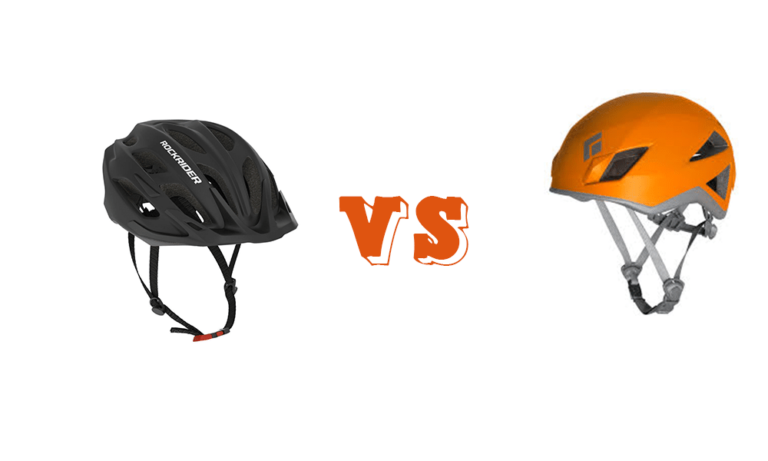
Mountain helmets offer more coverage for rough terrains. They have a visor to protect your eyes from the sun and debris. These helmets are built to withstand impacts from falls and bumps. They often have a sturdier design, providing extra protection for the back of your head.
Adjusting Helmet Fit
Having the right helmet fit is crucial for your safety. A poorly adjusted helmet can cause discomfort and reduce protection. This guide will help you adjust your helmet for the best fit. Let’s explore the key aspects of helmet adjustment.
Strap Adjustment
Start by adjusting the chin strap. Ensure it fits snugly under your chin. You should be able to fit one finger between the strap and your chin. Next, adjust the side straps. They should form a “V” shape just below your ears. The buckle should sit right under your earlobe. Ensure the straps are not twisted.
Padding Adjustment
Most helmets come with removable padding. This padding helps customize the fit. Add or remove padding pieces until the helmet feels snug. The helmet should sit level on your head, not tilted. It should not move when you shake your head. Ensure the padding does not create pressure points.
Common Fit Issues
Wearing a bike helmet is crucial for safety. Yet, many riders face common fit issues. These issues can lead to discomfort or even reduce the helmet’s effectiveness. Understanding these issues helps in choosing the right helmet.
Too Tight Helmets
A helmet that is too tight can cause headaches. It might leave red marks on your forehead. This discomfort can distract you while riding. A tight helmet also restricts airflow. It makes you sweat more, especially on hot days. Always check the helmet’s sizing before buying. Try it on and wear it for a few minutes. Ensure it fits snugly but does not pinch.
Too Loose Helmets
A loose helmet can be just as problematic. It may shift around while you ride. This movement affects your vision and focus. A helmet that moves too much is unsafe. In a fall, it might not protect your head. Ensure your helmet has an adjustable strap system. Tighten it so the helmet stays in place. It should not wobble even when you move your head.
Testing Helmet Fit
Ensuring your bike helmet fits well is crucial for safety. A poorly fitted helmet can cause discomfort and may not protect you properly. Follow these steps to test your helmet’s fit and ensure it stays in place.
Shake Test
First, perform the shake test. Fasten the helmet securely and shake your head. The helmet should stay in place. It should not move side to side or front to back. If it shifts, tighten the straps or adjust the fit.
Pressure Points
Next, check for pressure points. Wear the helmet for a few minutes. Pay attention to any discomfort or tight spots. The helmet should feel snug but not painful. Adjust the padding if needed to relieve pressure.

Credit: www.nutcasehelmets.com
Replacing Your Helmet
Bike helmets protect your head during accidents. Over time, they wear out and need replacement. Knowing when to replace your helmet can save your life. Here’s how to identify the right time and signs.
When To Replace
Replace your bike helmet every five years. Materials degrade even without impact. If you crash, replace your helmet immediately. Damage may not be visible but can compromise safety. Always follow the manufacturer’s guidelines.
Signs Of Wear And Tear
Look for cracks in the outer shell. Check the foam liner for dents or splits. Inspect the straps for fraying or damage. Over time, sweat and UV rays weaken the materials. A helmet with worn padding or broken buckles needs replacement.
Here is a table summarizing the signs of wear and tear:
| Sign | Description |
|---|---|
| Cracks | Visible cracks on the outer shell |
| Dents | Dents or splits in the foam liner |
| Fraying Straps | Straps that are worn or damaged |
| Worn Padding | Padded areas that are compressed or torn |
| Broken Buckles | Buckles that no longer fasten securely |
Keep an eye on your helmet’s condition. Regular checks ensure your safety on the road. Always prioritize a helmet in good condition. Your head’s protection is paramount.
Frequently Asked Questions
What Are Standard Bike Helmet Sizes?
Bike helmets come in various sizes: small, medium, large, and extra-large. It’s essential to measure your head circumference.
How Do I Measure My Head For A Helmet?
Use a flexible tape measure around your head, just above the eyebrows. Ensure it fits snugly.
Do Bike Helmet Sizes Vary By Brand?
Yes, different brands may have slightly different sizing. Always check the brand’s size chart.
Are Adjustable Bike Helmets Available?
Yes, many bike helmets have adjustable straps and dials for a custom fit.
Conclusion
Choosing the right bike helmet size is very important. It ensures safety and comfort. Measure your head correctly before buying. Check the helmet’s fit and adjust the straps. A well-fitted helmet can prevent injuries. Always prioritize safety over style. Remember, helmets save lives.
So, invest time in finding the right one. Happy and safe riding!