Can You Use A Bike Helmet For Climbing: Safety Tips and Risks

No, you shouldn’t use a bike helmet for climbing. The two helmets serve different purposes and offer different protections.
Bike helmets are designed to protect against falls and collisions on the road. They are lightweight and have vents to keep you cool. Climbing helmets, however, are built to protect against falling rocks and impacts from above. They have a different construction and offer more protection for the top and sides of the head.
Using the right helmet for each activity is crucial for safety. In this post, we’ll explore why using the correct helmet matters and the specific differences between bike and climbing helmets. This will help you make informed choices for your safety gear.
Introduction To Bike Helmets For Climbing
Understanding the right helmet for climbing is crucial for safety. Many wonder if a bike helmet can serve this purpose. Climbing comes with unique risks and needs specialized gear. This blog explores the differences between bike helmets and climbing helmets.
Purpose Of Bike Helmets
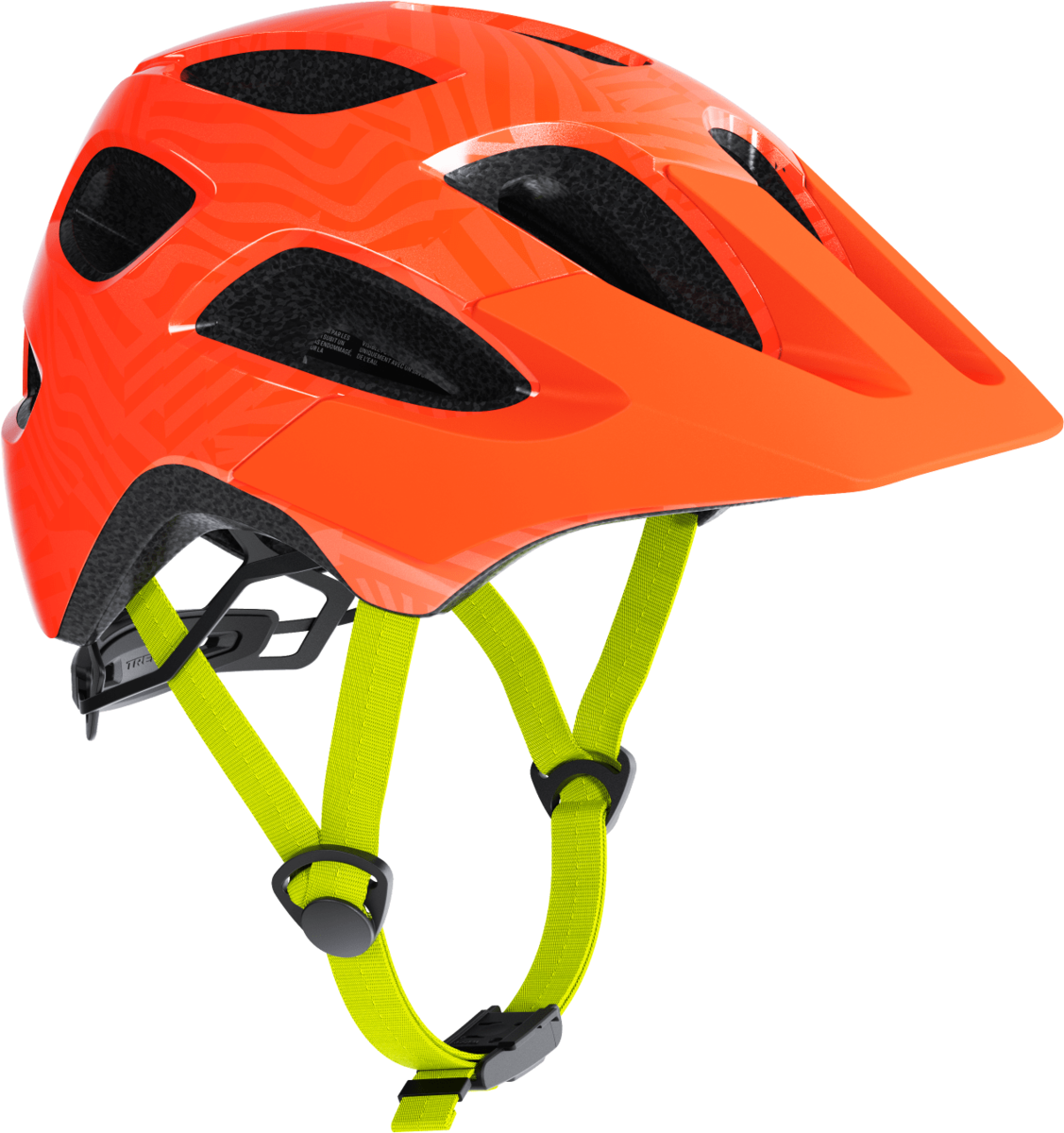
Bike helmets protect your head during falls or collisions. They are designed to absorb impact from horizontal falls. Lightweight and aerodynamic, they offer comfort during long rides. Vents provide airflow, keeping your head cool. Some models come with visors for sun protection.
Purpose Of Climbing Helmets
Climbing helmets protect against falling rocks and debris. They withstand impacts from above and the sides. Made with durable materials, they offer robust protection. Some designs include a hard outer shell and a foam liner. Ventilation is also important to keep climbers cool.

Credit: shop.s1helmets.com
Differences Between Bike And Climbing Helmets
Many people wonder if they can use a bike helmet for climbing. While both helmets offer protection, their designs are different. Let’s explore the key differences between bike and climbing helmets.
Design And Structure
Bike helmets have a streamlined design for aerodynamics. They are built to protect the head from impacts during falls or crashes on the road. They usually have many vents for airflow.
Climbing helmets, on the other hand, focus on protecting against falling debris and impact from various angles. They often feature a hard shell and a more robust structure. This design helps absorb impact from rocks or falls.
Material Composition
Bike helmets often use lightweight materials like polystyrene foam. This foam helps in absorbing impact during a fall. The outer shell is usually made from thin plastic.
Climbing helmets use stronger materials like polycarbonate or ABS plastic. These materials provide extra protection against sharp objects. The inner foam is also denser to better absorb impacts from rocks or tools.
Weight And Comfort
Bike helmets are generally lighter. Their design focuses on comfort for long rides. They have plenty of ventilation to keep the rider cool.
Climbing helmets are heavier. They are designed to stay secure during climbs. They may have fewer vents to avoid debris getting inside. The extra weight adds to their protection.
| Feature | Bike Helmets | Climbing Helmets |
|---|---|---|
| Design | Streamlined with vents | Robust with hard shell |
| Material | Polystyrene foam, thin plastic | Polycarbonate or ABS plastic |
| Weight | Lightweight | Heavier |
| Comfort | More ventilation | Secure fit, fewer vents |
Safety Standards For Helmets
Understanding safety standards for helmets is crucial for protecting yourself. Whether biking or climbing, different helmets meet different safety needs. This section covers the specific safety standards for both bike and climbing helmets.
Bike Helmet Safety Standards
Bike helmets must meet specific safety standards. The most recognized standard is set by the Consumer Product Safety Commission (CPSC). Helmets meeting this standard offer protection during a fall or collision. They undergo rigorous testing for impact and strap strength. Bike helmets also need to provide ventilation and comfort. Proper fit and secure straps are vital for effective protection.
Climbing Helmet Safety Standards
Climbing helmets have their own safety standards. The UIAA (International Climbing and Mountaineering Federation) sets these standards. Helmets need to protect against falling rocks and impacts. They must cover the top and sides of the head. They also need to stay secure during movement. Climbing helmets often have a more robust design. This ensures they handle the unique risks of climbing activities.
Potential Risks Of Using A Bike Helmet For Climbing
Using a bike helmet for climbing might seem convenient. But it carries significant risks. Each helmet is designed for specific activities. Here are some potential risks to consider.
Impact Protection
Bike helmets are made to protect against cycling falls. These falls often happen at lower heights and involve different forces. Climbing falls are more severe. The impact is often higher and more direct. Bike helmets may not provide enough protection for these high-impact falls.
Ventilation Issues
Climbing helmets are designed with better ventilation. They help keep climbers cool during intense activities. Bike helmets have fewer vents. This can cause overheating. Overheating can lead to discomfort and even heat exhaustion. Proper ventilation is crucial for climbers.
Helmet Stability
Climbing helmets have a secure fit. They stay in place during falls or sudden movements. Bike helmets are not as stable. They can shift or fall off during a climb. This reduces protection and increases the risk of injury. A stable helmet is essential for safety while climbing.
Why Climbing Helmets Are Essential
Climbing helmets are crucial for safety during climbing activities. They offer unique features designed for climbing hazards. Bike helmets do not provide the same level of protection. Understanding the differences is key to making safe choices.
Protection From Falling Debris
Climbing helmets shield you from falling rocks and debris. They have a hard outer shell and robust internal padding. This design absorbs impact and protects your head. Bike helmets do not offer this level of protection.
Enhanced Coverage
Climbing helmets provide better coverage for the back and sides of your head. This feature is vital during falls or unexpected impacts. Bike helmets are designed for forward falls and lack this coverage. Climbing helmets protect more of your head.
Multi-impact Durability
Climbing helmets are built to withstand multiple impacts. They remain effective even after several hits. Bike helmets are often designed for single impacts. After one crash, a bike helmet may not protect you well. Climbing helmets are more durable in harsh conditions.
Credit: www.western-cycle.com
Alternatives To Bike Helmets For Climbing
When climbing, safety is the top priority. Many wonder if a bike helmet can substitute for a climbing helmet. While bike helmets offer protection, they are not designed for the specific risks associated with climbing. Let’s explore some alternatives to bike helmets for climbing.
Types Of Climbing Helmets
Climbing helmets come in various types. Each type caters to different climbing needs. Understanding these types helps in making the right choice.
The first type is the hardshell helmet. This helmet is durable and offers excellent protection. It is ideal for those who climb in areas with falling debris.
The second type is the foam helmet. It is lightweight and comfortable. Foam helmets are great for sport climbing and mountaineering.
Hybrid helmets combine features of both hardshell and foam helmets. They offer a balance between durability and comfort.
Budget-friendly Options
Climbing gear can be expensive. But, there are budget-friendly helmets available. These options provide safety without breaking the bank.
Some brands offer basic models at lower prices. These helmets may not have all the features of high-end models. Yet, they still provide adequate protection.
Look for sales and discounts. Many outdoor stores offer seasonal discounts. Buying during these times can save money.
Consider second-hand options. Many climbers sell their gear online. Ensure the helmet is in good condition before purchasing.
Expert Opinions And Recommendations
Choosing the right helmet is crucial for safety during climbing. Using a bike helmet for climbing raises many questions. Let’s explore expert opinions and recommendations on this topic.
Insights From Climbing Experts
Climbing experts stress the importance of using the right gear. They believe bike helmets are not suitable for climbing. Here are their main points:
- Impact Protection: Bike helmets are designed for falls from bikes, not vertical impacts from climbing.
- Coverage: Climbing helmets offer better coverage for the head, especially the sides and back.
- Durability: Climbing helmets are built to withstand multiple hits during an ascent, unlike bike helmets.
Manufacturer Guidelines
Manufacturers have specific guidelines for helmet use. They design each helmet for a specific purpose. Comparing bike and climbing helmets, we see clear differences:
| Feature | Bike Helmet | Climbing Helmet |
|---|---|---|
| Impact Protection | Designed for horizontal impacts | Designed for vertical impacts |
| Coverage | Limited to head top | Full head coverage |
| Durability | Single impact focus | Multiple impacts focus |
Following these guidelines ensures safety and effectiveness. Using the right helmet for the right activity is vital.

Credit: www.amazon.com
Frequently Asked Questions
Can A Bike Helmet Be Used For Climbing?
No, bike helmets are not designed for climbing. They lack the necessary protection and features required for climbing activities. Use a proper climbing helmet for safety.
What Are The Differences Between Bike And Climbing Helmets?
Bike helmets are designed for impacts from falls. Climbing helmets protect against falling debris and impacts from various angles. They have different safety standards.
Are Climbing Helmets Safer Than Bike Helmets?
Climbing helmets are specifically designed for climbing-related hazards. They offer better protection against falling debris and impacts. Always use the helmet designed for your activity.
Why Is It Important To Use A Climbing Helmet?
Climbing helmets protect against falling rocks and impacts. They are essential for safety during climbing activities. Using the correct helmet reduces the risk of injury.
Conclusion
Choosing the right helmet is crucial for safety. Bike helmets offer protection for cycling. But climbing requires different features. Always use a helmet designed for climbing. It provides the necessary protection. Stay safe and climb smart. Remember, your safety comes first.
Proper gear ensures a fun and secure climb.