Why Does My Motorcycle Backfire? Causes and Quick Fixes 2026

When your motorcycle suddenly makes a loud pop or bang, it can be both surprising and worrying. Many riders experience backfiring at some point, especially after making changes to their bike or riding in changing weather. While some backfires are harmless, others point to deeper problems that need attention.
Understanding why your motorcycle backfires helps you keep your bike running smoothly, avoids damage, and brings peace of mind.
Backfiring is not just a random noise—it’s a sign that your engine’s air and fuel mixture or ignition timing is off in some way. Sometimes, it’s a simple fix. Other times, it signals a serious issue that could hurt performance or even damage the engine.
This article explains why motorcycles backfire, the science behind it, and how to fix and prevent it. We’ll also share key tips that many riders overlook, so you can keep your ride reliable and safe.
What Is A Motorcycle Backfire?
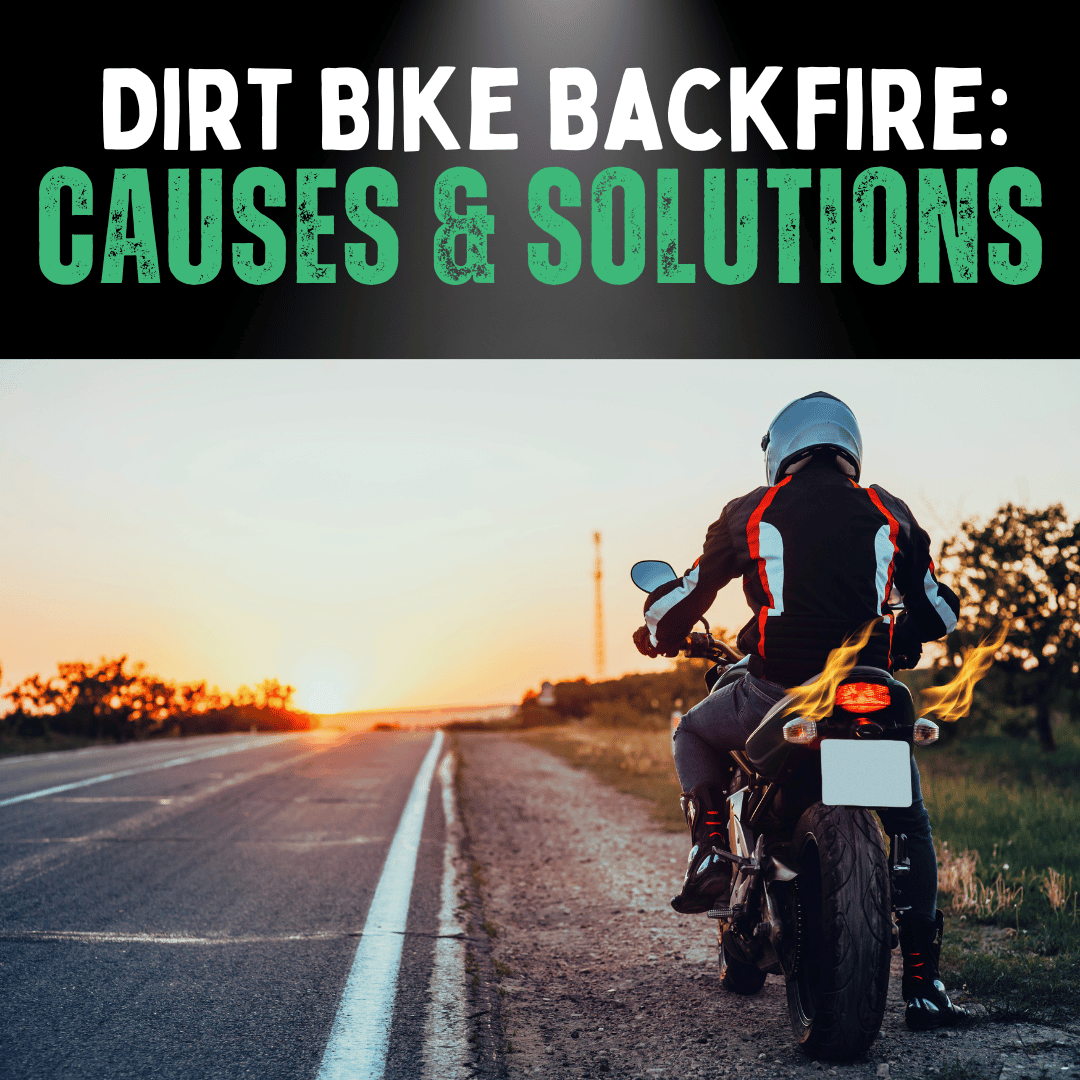
A motorcycle backfire happens when combustion occurs outside the engine’s combustion chamber. This means that fuel burns in the exhaust or intake system, not just where it should. The result is a popping or banging sound, sometimes with flames or smoke from the exhaust.
Backfire is different from a regular engine misfire. A misfire is when the engine fails to ignite fuel inside the cylinder, causing rough running. A backfire, on the other hand, is an explosion that happens somewhere else in the engine or exhaust path.
The Science Behind Backfiring
To understand backfiring, it’s helpful to know the basics of how a motorcycle engine works. An engine mixes fuel and air, compresses them, and then ignites the mixture with a spark plug. This controlled explosion pushes the piston and creates power.
If the mixture of air and fuel is not right, or if the spark fires at the wrong time, combustion can happen in the wrong place. Unburned fuel can enter the exhaust system, where it meets hot air and ignites—causing a loud bang.
Here are the main reasons this can happen:
- Too much fuel (rich mixture)
- Too little fuel (lean mixture)
- Wrong ignition timing
- Air leaks in the intake or exhaust
- Problems with the exhaust system
Let’s look at these in more detail.
Common Causes Of Motorcycle Backfire
1. Air-fuel Mixture Problems
The most common reason for backfiring is a problem with the air-fuel mixture. Your engine runs best when the mix is just right—this is called the stoichiometric ratio (about 14.7 parts air to 1 part fuel for gasoline engines).
Rich Mixture
A rich mixture means there is too much fuel and not enough air. Excess fuel does not burn completely in the combustion chamber. Some of it passes into the exhaust, where the high heat makes it explode.
Signs of a rich mixture:
- Strong fuel smell from exhaust
- Black smoke from exhaust
- Reduced fuel economy
Causes of a rich mixture:
- Clogged air filter
- Faulty fuel injectors or carburetor
- Choke stuck open
- Incorrect carburetor jetting
Lean Mixture
A lean mixture has too much air and not enough fuel. Lean mixtures can cause the engine to run hotter. Unburned fuel may enter the exhaust and ignite there, leading to backfire.
Signs of a lean mixture:
- Engine runs hot
- White or light-colored spark plugs
- Hesitation or stalling
Causes of a lean mixture:
- Dirty or clogged fuel injectors
- Vacuum leaks
- Faulty fuel pump
- Incorrect carburetor settings
2. Ignition Timing Issues
Ignition timing is when the spark plug fires during the engine cycle. If the spark fires too early (advanced timing) or too late (retarded timing), combustion can happen when the exhaust valve is open. This allows burning fuel to enter the exhaust and cause a backfire.
Common causes:
- Worn ignition components (points, rotor, cap)
- Faulty ignition control module
- Incorrect timing adjustment after maintenance
3. Air Leaks
Air leaks in the intake manifold or exhaust system can change the air-fuel mixture and lead to backfiring.
- Intake leaks make the mixture leaner, raising exhaust temperatures and causing afterburn.
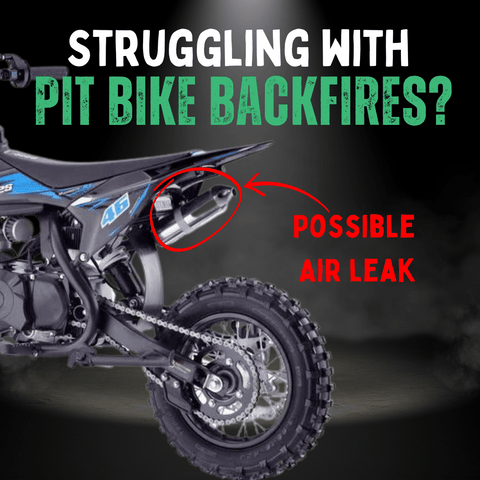
- Exhaust leaks allow fresh air to enter the exhaust, which can ignite unburned fuel.
Signs of air leaks:
- High-pitched hissing sound
- Poor engine performance
- Irregular idle
4. Problems With The Exhaust System
The design and condition of your exhaust system affect how your bike handles leftover fuel. Aftermarket or damaged exhausts can cause or worsen backfiring.
- Free-flowing exhausts (like straight pipes) allow more unburned fuel and air to mix and ignite.
- Damaged or missing gaskets can let extra air in.
5. Faulty Spark Plugs Or Ignition System
Worn or fouled spark plugs may not ignite the mixture fully, leaving unburned fuel. Faulty spark plug wires or coils can also cause inconsistent firing.
Watch for:
- Rough running
- Poor fuel economy
- Hard starting
6. Fuel System Problems
Anything that disrupts the steady flow of fuel—like a clogged fuel filter, failing fuel pump, or dirty injectors—can cause uneven combustion and backfire.
7. Valve Train Issues
The valve train controls when air and fuel enter and leave the combustion chamber. If valves are out of adjustment or not sealing properly, combustion gases can escape into the exhaust.
- Burned valves
- Broken valve springs
- Incorrect valve clearance
These problems are less common but can cause serious engine damage if ignored.
8. Poor Quality Or Old Fuel
Using old gasoline or fuel with water or debris can affect combustion. Poor-quality fuel may not burn completely, leading to backfire.
9. Modifications And Aftermarket Parts
Adding aftermarket exhausts, changing air filters, or adjusting carburetors without proper tuning can upset the air-fuel balance. Many riders install performance parts but forget to re-jet the carburetor or remap the fuel injection.
Key insight: Even small changes to your intake or exhaust often require fuel system adjustments.
10. Deceleration Backfire
Some motorcycles backfire when you let off the throttle quickly. This is called deceleration backfire. It happens because the sudden throttle closure creates a lean mixture, or because the exhaust system allows air to mix with unburned fuel.
Sport bikes and older carbureted engines are especially prone to this.
How To Diagnose A Backfiring Motorcycle
Finding the cause of a backfire takes careful observation and sometimes a bit of detective work. Here are steps to track down the problem:
1. Listen And Observe
When does the backfire happen? On acceleration, deceleration, or at idle? Each situation points to different causes.
2. Check For Recent Changes
Did you recently install a new exhaust, air filter, or make carburetor adjustments? Changes often introduce backfire if not tuned correctly.
3. Inspect The Exhaust And Intake
Look for leaks, loose connections, or damaged gaskets. Pay attention to dark soot or white deposits around joints.
4. Examine Spark Plugs
Remove and inspect spark plugs. Black, sooty plugs suggest a rich mixture. White plugs point to a lean mix. Worn or oily plugs may not fire properly.
5. Test For Air Leaks
Spray carburetor cleaner or soapy water around intake joints while the engine runs. If RPM changes, you likely have a leak.
6. Check Fuel System
Inspect the fuel filter, lines, and pump. Make sure fuel flows freely and is clean.
7. Review Engine Timing
Use a timing light to check that ignition timing matches manufacturer specifications.
Example Scenarios
- Backfire only on deceleration: Likely caused by exhaust leaks or lean mixture.
- Backfire after installing new exhaust: Probably needs carburetor or ECU tuning.
- Constant backfire at idle: May be a spark plug, ignition, or valve problem.
Practical Steps To Fix Motorcycle Backfire
Once you find the root cause, here’s how to address it:
1. Adjust The Air-fuel Mixture
- Carbureted bikes: Adjust the air-fuel screws or change jets as needed. Clean or replace the air filter.
- Fuel-injected bikes: Consider remapping the ECU or using a fuel tuner after installing performance parts.
2. Fix Air Leaks
- Replace cracked intake boots or gaskets.
- Tighten all clamps and bolts on the intake and exhaust.
- Seal any leaks in the exhaust system.
3. Service The Ignition System
- Replace old or fouled spark plugs.
- Check plug gaps and wires.
- Test ignition coils and control modules.
4. Clean The Fuel System
- Replace dirty fuel filters.
- Clean fuel injectors or carburetor jets.
- Use fresh, high-quality gasoline.
5. Adjust Valves And Timing
- Check and adjust valve clearance as per the service manual.
- Inspect the timing chain or belt for wear.
- Set ignition timing to factory specs.
6. Tune After Modifications
- After changing exhaust or intake, re-jet or remap for correct mixture.
- Do not rely on “plug and play” performance parts—fine-tuning is usually needed.
7. Use Good Quality Fuel
- Avoid using old or contaminated fuel.
- Store gasoline in clean, sealed containers.
The Role Of Weather And Altitude
Many riders don’t realize that weather and altitude can affect backfiring.
- Cold weather: Engines run richer, which can cause backfire if not adjusted.
- High altitude: Thinner air means less oxygen, which can lean out the mixture and cause issues.
If you ride in different climates or up mountains, consider adjusting your carburetor or ECU map.
Credit: riiroo.com
Myths About Motorcycle Backfire
Some riders believe that backfiring is normal or even a sign of a “powerful engine. ” This is a myth. While some high-performance bikes may pop on deceleration, regular backfire is usually a symptom of a problem.
Another myth: “Loud pipes always backfire.” A loud exhaust may make backfires more noticeable, but it’s not the cause. The real issue is usually in the air-fuel or ignition system.
How Backfiring Affects Your Motorcycle
Ignoring backfire can cause more than just noise. Here are some real risks:
- Engine damage: Repeated backfires can hurt valves, pistons, or the exhaust.
- Poor performance: Loss of power, rough running, and bad fuel economy.
- Failed emissions tests: Backfiring bikes often produce more pollution.
- Fire risk: Flames from backfire can ignite dry grass, leaves, or even your clothing.
Credit: riiroo.com
Preventing Motorcycle Backfire
To avoid backfiring, follow these best practices:
1. Regular Maintenance
Replace air and fuel filters, spark plugs, and keep the fuel system clean.
2. Tune After Modifications
Always adjust the fuel system when adding performance parts.
3. Fix Leaks Quickly
Address any hissing sounds or visible leaks right away.
4. Use Quality Fuel
Don’t run your bike on old or poor-quality gas.
5. Warm Up The Engine
Give your motorcycle a few minutes to warm up before riding hard.
6. Check For Software Updates
Some modern bikes need ECU updates for best performance.
Real-world Example: Carburetor Jetting And Backfire
Imagine a rider installs a less restrictive air filter and a new exhaust on an older carbureted bike. The bike now gets more air, but the fuel jets are still sized for the old setup. This causes a lean mixture, leading to backfire on deceleration and power loss.
Non-obvious insight: The solution is not just to install bigger jets, but to adjust both the pilot and main jets, and possibly the needle position. Many riders only change one and still have problems.
Credit: riiroo.com
Diagnostic Comparison: Backfire Vs. Other Engine Problems
It’s easy to confuse backfire with other engine issues. Here’s a side-by-side view:
| Symptom | Backfire | Misfire | Knock |
|---|---|---|---|
| Sound | Loud pop/bang, exhaust/intake | Stumble, rough running | Metallic ping |
| Cause | Combustion outside chamber | No combustion in cylinder | Detonation inside cylinder |
| Danger | Exhaust/valve damage | Loss of power | Serious engine damage |
Quick Reference: Common Backfire Causes And Fixes
You may find this summary table helpful when troubleshooting:
| Cause | How to Check | What to Fix |
|---|---|---|
| Rich fuel mixture | Black exhaust, strong fuel smell | Clean filter, adjust jets |
| Lean fuel mixture | Hot engine, white spark plugs | Check for leaks, adjust jets |
| Ignition timing | Use timing light, check manual | Adjust timing, replace worn parts |
| Air leaks | Hissing sound, spray test | Replace gaskets, tighten clamps |
| Bad spark plugs | Remove and inspect plugs | Replace plugs, check wires |
Advanced Insight: Efi Vs. Carbureted Motorcycles
Modern fuel-injected (EFI) motorcycles are less likely to backfire than older carbureted bikes, but it still happens.
- EFI bikes: Electronic sensors and computers adjust mixture and timing. However, sensor failure, bad fuel maps, or aftermarket parts can cause backfire.
- Carbureted bikes: More sensitive to changes in altitude, weather, and modifications.
Tip: On EFI bikes, always check for error codes before making other changes.
When To See A Mechanic
While many backfire problems are easy to fix, some need professional tools and knowledge. If you notice:
- Persistent backfire despite adjustments
- Loss of power or strange noises
- Metal bits in the oil or exhaust
…it’s wise to see a mechanic. Ignoring serious backfire can lead to costly repairs.
Frequently Asked Questions
Why Does My Motorcycle Backfire Only On Deceleration?
Backfiring on deceleration is often due to a lean air-fuel mixture or an exhaust leak. When you close the throttle quickly, less fuel enters but air keeps moving, causing unburned fuel to ignite in the exhaust. Free-flowing aftermarket exhausts make this more noticeable.
Can Backfiring Damage My Motorcycle?
Yes, regular backfiring can damage exhaust valves, gaskets, and the muffler. In rare cases, flames from backfire can start a fire. It’s best to fix the cause as soon as possible.
Is Backfiring Normal After Installing A New Exhaust?
Some popping is common after adding an aftermarket exhaust, especially if you did not adjust the air-fuel mixture. Proper tuning is usually needed to prevent regular backfire.
How Do I Know If My Air-fuel Mixture Is Too Rich Or Too Lean?
Check the color of your spark plugs: black and sooty means rich, white means lean. Also, poor fuel economy and strong fuel smell suggest a rich mixture, while overheating and hesitation point to lean.
Should I Adjust The Carburetor Or See A Mechanic?
If you’re comfortable with basic tools and your bike’s service manual, you can adjust the carburetor yourself. If the problem persists or you’re unsure, a mechanic can help diagnose and tune your motorcycle properly.
For more technical background on backfiring and combustion, you can visit this Wikipedia article.