Car Battery Not Charging

Is your car battery not charging, leaving you worried about getting stranded? You rely on your vehicle every day, and a dead battery can disrupt your plans instantly.
Understanding why your battery isn’t charging can save you time, money, and frustration. You’ll discover the common causes, easy ways to diagnose the problem, and simple steps to fix it before it gets worse. Keep reading to make sure your car stays ready to go whenever you are.
Credit: www.youtube.com
Common Causes
Car batteries that do not charge can cause many problems. Knowing the common causes helps in fixing the issue fast. Several parts work together to keep the battery charged. A problem in any part can stop the battery from charging properly.
Faulty Alternator
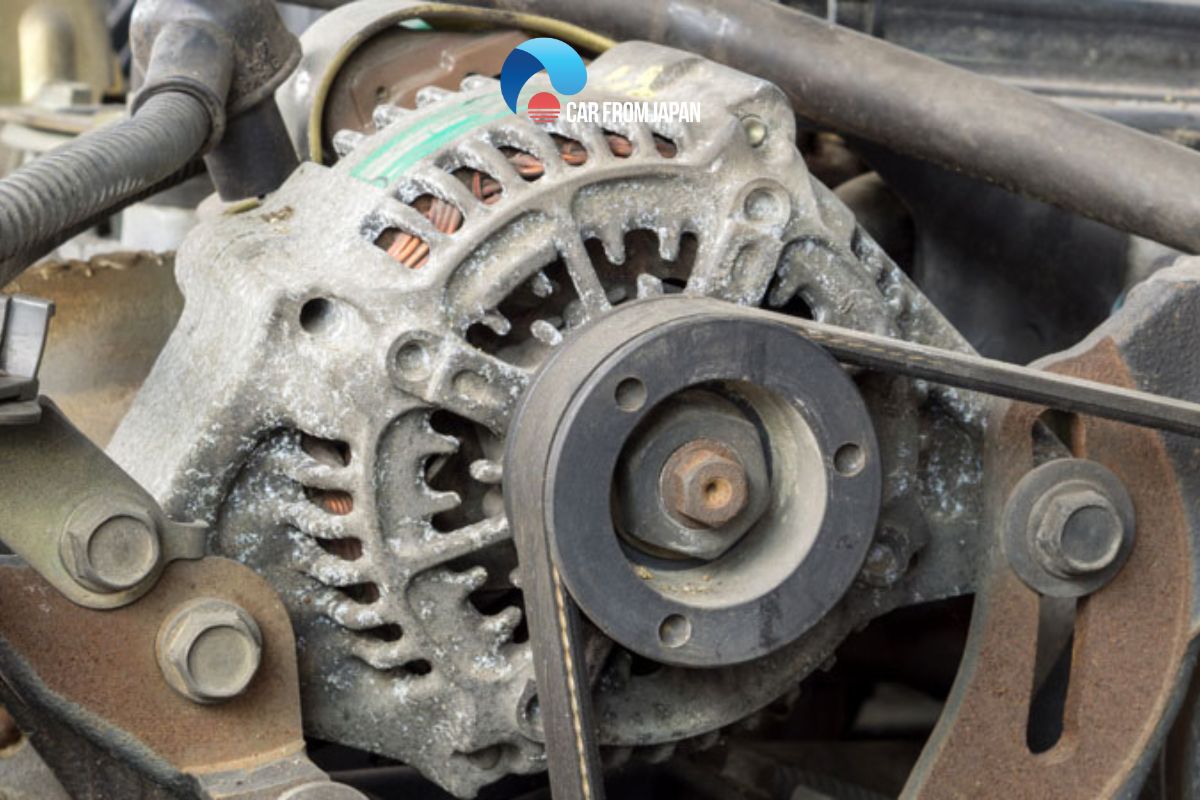
The alternator charges the battery while the engine runs. A faulty alternator cannot supply enough power. This makes the battery lose charge quickly. Signs include dim lights and a warning light on the dashboard.
Worn Out Battery
Batteries wear out over time and lose their ability to hold charge. A worn out battery may fail to start the car. It often shows weak power and slow cranking. Replacing the battery is the best solution.
Bad Battery Connections
Loose or corroded battery terminals block the flow of electricity. This prevents the battery from charging properly. Cleaning and tightening the connections can restore proper charging. Regular checks help avoid this problem.
Serpentine Belt Issues
The serpentine belt drives the alternator and other engine parts. A broken or slipping belt stops the alternator from working. This stops the battery from charging. Check the belt for cracks or looseness regularly.
Electrical System Problems
Faults in the car’s electrical system can drain the battery. Broken wires or bad fuses may cause charging issues. Electrical shorts also affect battery health. A mechanic can diagnose and fix these problems safely.
Credit: carfromjapan.com
Symptoms To Watch For
Noticing problems with your car battery? It might not be charging properly. Early signs help catch the issue before it worsens. Watch for these common symptoms. They show your battery needs attention.
Dim Lights
Headlights and dashboard lights appear weaker than usual. They may flicker or dim when the engine runs. This happens because the battery does not get enough power. Dim lights often signal a charging problem.
Slow Engine Crank
The engine takes longer to start. You hear a slow, labored turning sound. This means the battery cannot provide enough energy. Slow cranking often means the battery is running low on charge.
Warning Lights
The battery or charging system light appears on the dashboard. This warning signals trouble with the battery or alternator. Ignoring this light can lead to a dead battery and car breakdown.
Electrical Accessories Malfunction
Power windows, radio, or other accessories work poorly or stop working. These devices need steady power from the battery. If they act up, the battery might not be charging correctly.
Testing The Battery And Charging System
Testing the battery and charging system helps find why the car battery is not charging. It shows if the battery or alternator has a problem. Simple tools and steps can check the health of these parts.
Start with basic tests before calling a mechanic. You save time and know what part needs fixing.
Using A Multimeter
A multimeter measures voltage and current in the battery. Set the multimeter to DC voltage mode.
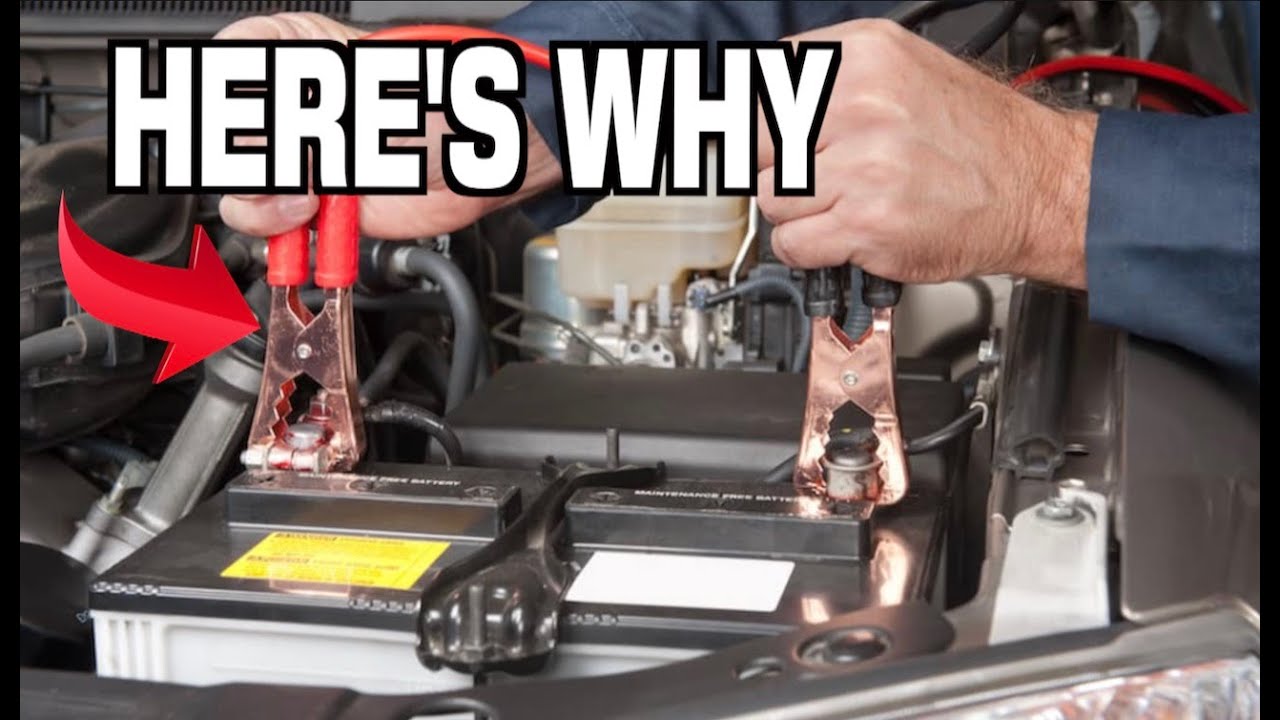
Connect the red probe to the battery’s positive terminal. Attach the black probe to the negative terminal. A healthy battery shows about 12.6 volts when the car is off.
Turn the car on. Voltage should rise to 13.7 to 14.7 volts. Lower reading means the battery is not charging properly.
Load Testing The Battery
Load testing checks the battery’s power under stress. Use a load tester or take it to a shop.
Apply a load equal to half the battery’s cold cranking amps for 15 seconds. Voltage should stay above 9.6 volts during the test.
If voltage drops quickly, the battery may be weak or damaged. This test shows if the battery can start the car reliably.
Alternator Output Test
The alternator charges the battery when the engine runs. Check its output with a multimeter.
Start the car. Measure voltage at the battery terminals. The reading should be between 13.7 and 14.7 volts.
Lower voltage means the alternator is not charging the battery well. Higher voltage can damage the battery and electrical parts.
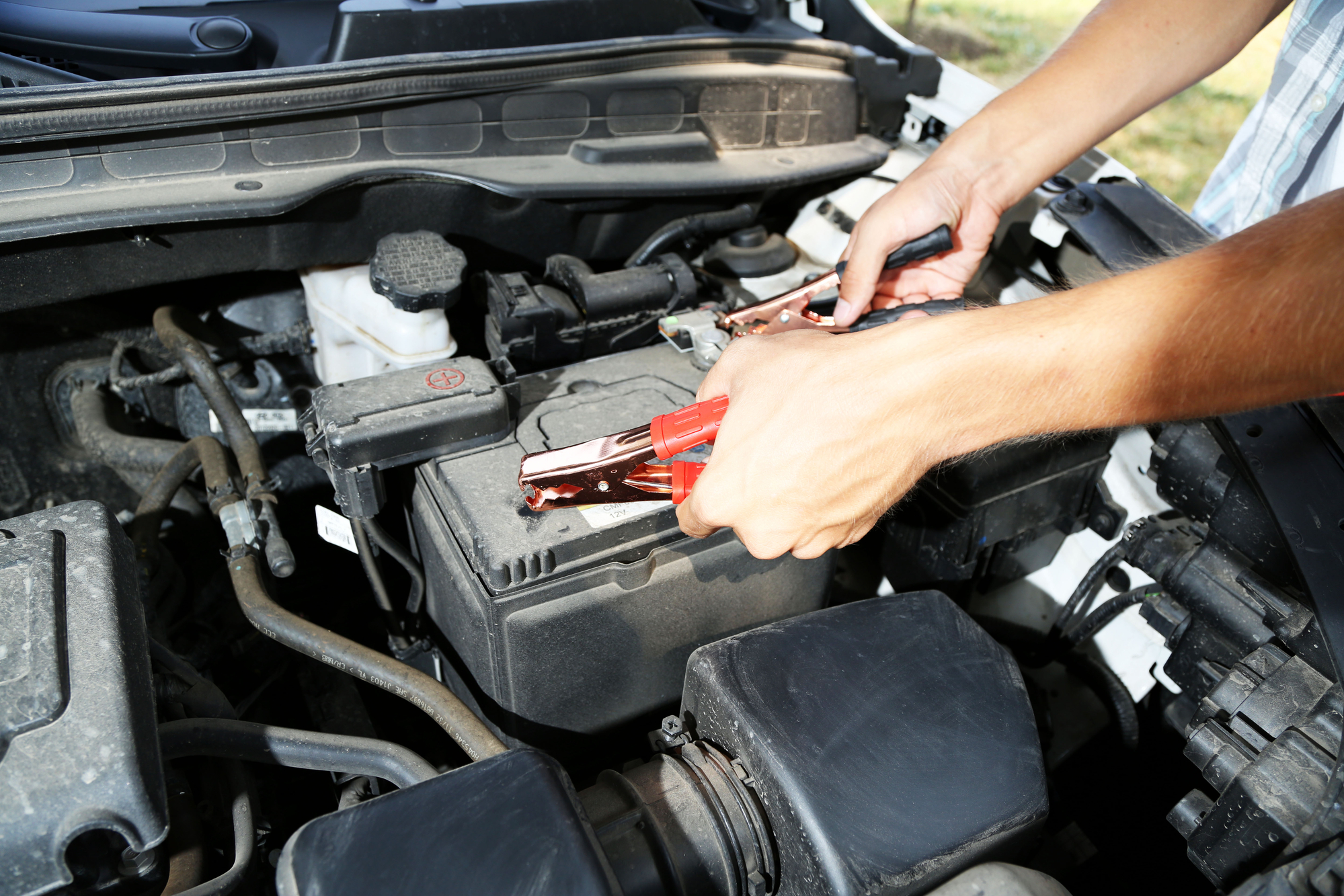
Credit: www.hi-techcarcare.com
Diy Fixes
Car battery not charging can cause many troubles. You might feel stuck with a dead battery. Some fixes you can do by yourself. These DIY steps can save time and money. Basic tools and safety help you fix simple problems. Start with easy checks before calling a mechanic.
Cleaning Battery Terminals
Dirty battery terminals block power flow. Use a wire brush or sandpaper to clean them. Remove corrosion with a mix of baking soda and water. Disconnect the battery before cleaning for safety. Dry terminals well before reconnecting cables. Clean terminals improve battery charging and car start.
Replacing Fuses
Blown fuses can stop the battery from charging. Find the fuse box under the hood or dashboard. Check the fuse chart to locate the charging fuse. Remove the fuse carefully and inspect it. Replace a blown fuse with one of the same rating. Test the battery charging after fuse replacement.
Tightening Connections
Loose connections cause poor charging and starting issues. Check battery cable clamps for tightness. Use a wrench to tighten loose nuts and bolts. Inspect ground wires connected to the car frame. Secure any loose connections firmly. Tight connections ensure steady battery charging.
When To Seek Professional Help
Knowing when to get professional help is key if your car battery won’t charge. Some problems need expert tools and skills. Trying to fix these alone could cause more damage or waste time.
Understanding the signs that require a mechanic can save money and avoid car trouble. Below are common situations when calling a professional is the best choice.
Persistent Charging Issues
If your battery keeps losing charge, something deeper may be wrong. Simple checks or jump-starts might not fix it. A mechanic can test the alternator and charging system. Persistent issues often mean parts are failing and need repair or replacement.
Complex Electrical Repairs
Modern cars have complex electrical systems. Problems with wiring, sensors, or the alternator need special tools. Professionals know how to handle these safely. Incorrect repairs can cause electrical shorts or damage other parts.
Battery Replacement Considerations
Sometimes the battery itself is the problem. Professionals can check if the battery still holds power. They also ensure the new battery fits and works with your car’s system. Proper disposal of old batteries is important for safety and environment.
Preventive Measures
Preventive measures help keep your car battery charging properly. Small actions can stop big problems before they start. Consistent care extends battery life and avoids unexpected failures.
Regular Battery Maintenance
Clean the battery terminals often. Dirt and corrosion block electrical flow. Use a mix of baking soda and water to scrub terminals. Check battery fluid levels if your battery allows it. Top up with distilled water to keep cells full. Inspect the battery case for cracks or leaks. Replace the battery if damage appears.
Checking Belt Tension
The belt drives the alternator, which charges the battery. Loose or worn belts cause charging issues. Check belt tension by pressing it with your finger. It should be firm but not too tight. Replace belts that are cracked, frayed, or slipping. Proper tension ensures the alternator works well.
Routine Electrical Inspections
Regularly inspect the car’s electrical system. Look for loose or broken wires around the battery and alternator. Test the alternator output with a voltmeter to confirm charging. Faulty wiring or components reduce battery charging efficiency. Fix any electrical problems quickly to protect battery health.
Frequently Asked Questions
Why Is My Car Battery Not Charging?
A car battery may not charge due to a faulty alternator, loose connections, or a worn-out battery. Check these parts to identify the cause and fix the issue quickly.
How Can I Tell If The Alternator Is Bad?
If your battery warning light is on, or the car stalls frequently, the alternator might be failing. Get it tested for accurate diagnosis.
Can A Car Battery Fail Suddenly?
Yes, a car battery can fail suddenly due to old age, extreme temperatures, or internal damage. Regular maintenance helps prevent unexpected failures.
How Do I Fix A Car Battery That Won’t Charge?
Start by checking the battery terminals and alternator belt. Clean connections and replace faulty parts to restore charging functionality.
Conclusion
A car battery not charging can cause many problems. Check the battery and connections often. Clean any dirt or corrosion you see. Use a multimeter to test battery voltage. Replace the battery if it is old or weak. Keep your car’s charging system in good shape.
Regular checks help avoid unexpected battery failure. Taking small steps can save time and money. Stay alert to signs of battery trouble. Your car will start smoothly and run well.