Car Taking Longer To Start

Is your car taking longer to start than usual? You might feel frustrated or worried every time you turn the key and hear that slow, reluctant crank.
This problem can interrupt your day and leave you wondering what’s wrong under the hood. But don’t panic—understanding why your car struggles to start is the first step to fixing it quickly. You’ll discover the common reasons behind slow starts and simple ways to get your car running smoothly again.
Keep reading to save time, avoid costly repairs, and get back on the road with confidence.

Credit: www.mendomotorz.com
Common Causes
Car taking longer to start is a common problem. It can have many causes. Knowing these helps you find the right fix. Some causes are simple. Others need a mechanic’s help.
Battery Issues
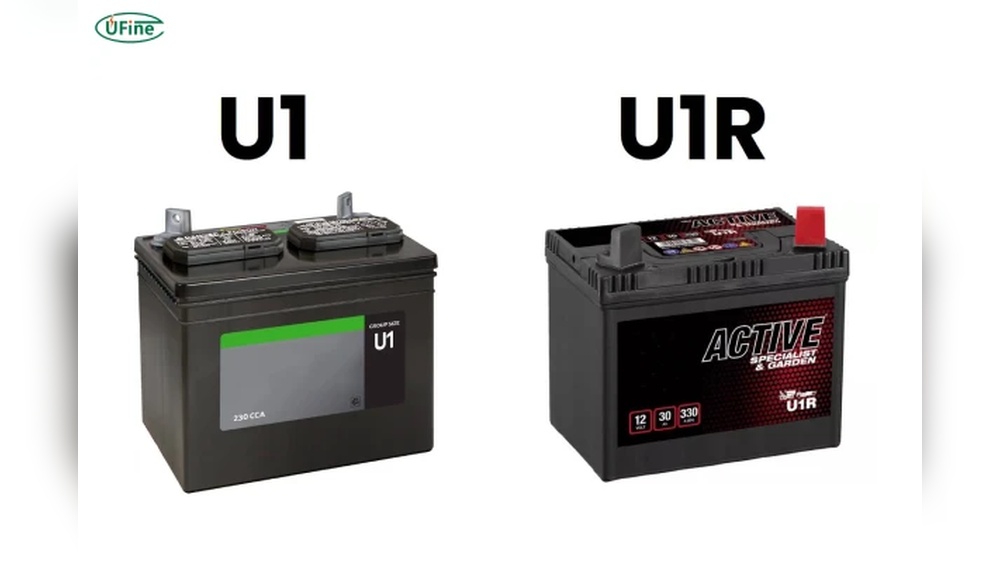
The battery is the main power source for starting. A weak or dead battery slows the start. Corroded or loose battery connections also cause trouble. Cold weather can reduce battery power. Check the battery charge and cables first.
Starter Motor Problems
The starter motor turns the engine on. If it wears out, the car may start slowly or not at all. Strange noises during starting can mean starter issues. Sometimes the motor’s electrical parts fail. Testing the starter motor can show the problem.
Fuel System Troubles
The engine needs fuel to start. Problems in the fuel system delay ignition. A clogged fuel filter stops fuel flow. A failing fuel pump cannot deliver enough fuel. Dirty fuel injectors reduce engine performance. Fuel system cleaning or repairs may be required.
Ignition System Faults
The ignition system creates the spark to start the engine. Faulty spark plugs cause weak sparks or no spark. Bad ignition coils or wires also lead to slow starts. Regular spark plug changes keep the system healthy. Checking ignition parts can solve many starting issues.
Symptoms To Watch For
Knowing the symptoms of a car taking longer to start helps catch problems early. These signs show your car needs attention. Acting fast can save you from bigger repair costs. Watch your car closely for unusual behavior during startup.
Slow Cranking
Slow cranking means the engine turns over very slowly. It takes longer than usual to start. This can happen if the battery is weak or old. It may also signal problems with the starter motor. Slow cranking makes starting your car frustrating and can leave you stranded.
Clicking Sounds
Clicking sounds come from the engine when you turn the key. A single click or repeated clicking means the starter is not working right. Often, this sound means the battery does not have enough power. It can also mean the starter motor is failing. Clicking sounds never mean a healthy start.
Dashboard Warning Lights
Dashboard warning lights can flash or stay on during startup. Lights like the battery or check engine light are important. They alert you to electrical or engine problems. Ignoring these lights can cause your car to stop starting altogether. Always pay attention to warning lights on your dashboard.
Diagnostic Steps
When a car takes longer to start, finding the cause is key. Start with simple checks. These steps help find common problems quickly. Follow each step carefully. It saves time and avoids extra costs. Here are the main diagnostic steps to try.
Checking The Battery
The battery is the first part to check. A weak or old battery can slow starting. Look for corrosion on battery terminals. Clean terminals if needed. Use a voltmeter to check battery voltage. A healthy battery shows around 12.6 volts. Below this, the battery may need charging or replacement.
Inspecting The Starter
The starter motor helps the engine turn over. Listen for clicking sounds when starting. Clicking often means a bad starter. Check starter connections for tightness. Loose wires stop proper power flow. Tap the starter gently with a tool. Sometimes this frees stuck parts. If the car still struggles, the starter may need repair or replacement.
Testing Fuel Delivery
Fuel must reach the engine for starting. Listen for the fuel pump’s humming noise when turning the key. No sound may mean a pump problem. Check fuel lines for leaks or blockages. A clogged fuel filter also slows fuel flow. Fuel injectors should spray fuel evenly. Testing fuel pressure helps confirm delivery issues.
Examining Spark Plugs
Spark plugs ignite fuel in the engine. Old or dirty plugs cause weak sparks. Remove plugs and inspect their condition. Look for fouling, cracks, or wear. Clean or replace plugs as needed. Check plug gaps match manufacturer specs. Good spark plugs improve starting and fuel use.
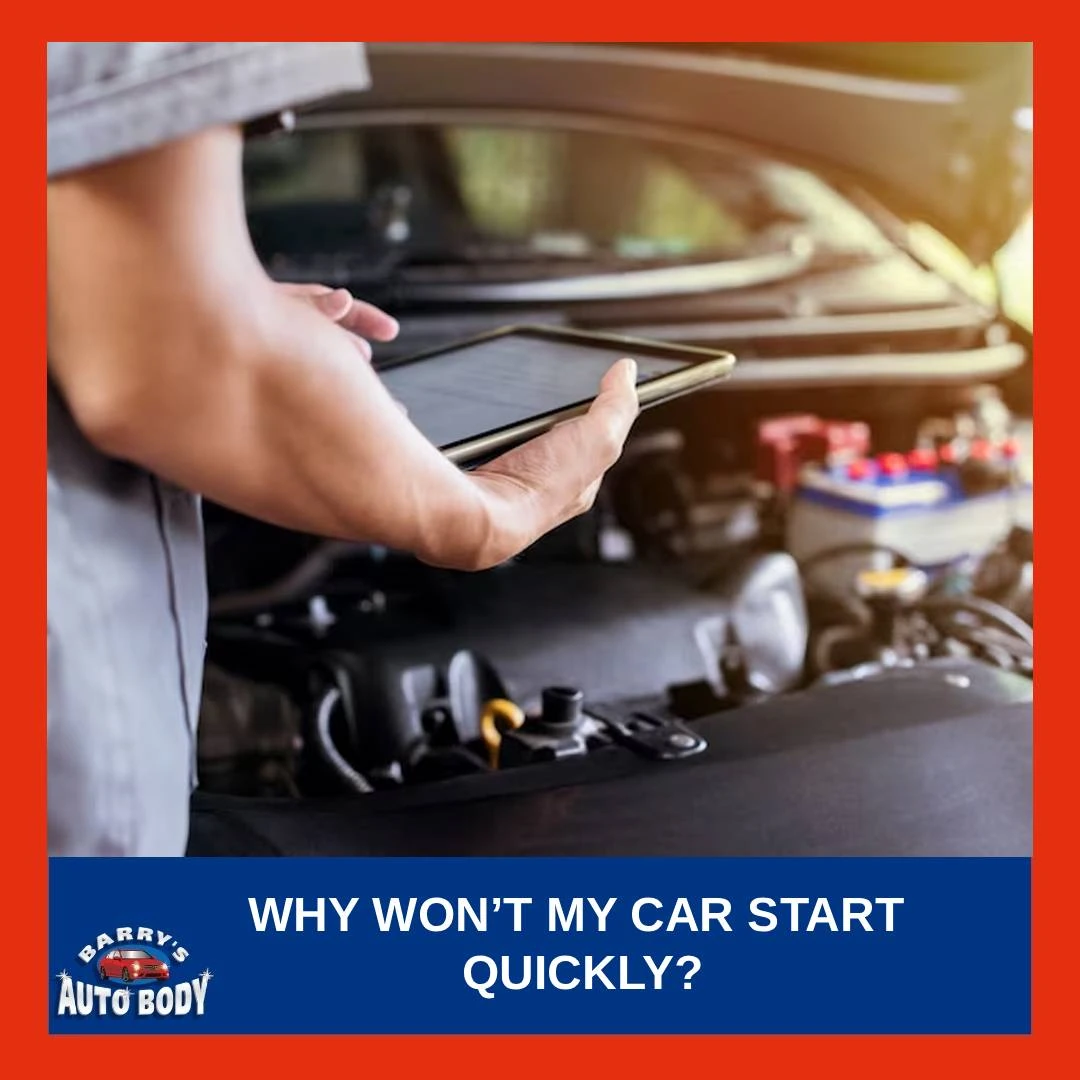
Credit: barrysautobody.com
Maintenance Tips
Cars that take longer to start need regular care. Simple maintenance helps avoid many problems. Small steps keep your car running smooth. Focus on three key areas. Battery, fuel, and ignition systems need attention. Each part plays a role in starting your car fast.
Regular Battery Care
Check the battery terminals for dirt and corrosion. Clean them with a brush if needed. Ensure battery cables are tight and secure. Test battery voltage often to catch issues early. Replace the battery every 3 to 5 years. Cold weather can weaken battery power quickly.
Fuel System Cleaning
Dirty fuel injectors cause slow starts and poor engine performance. Use fuel additives to clean injectors and fuel lines. Change the fuel filter as recommended in the car manual. Keep your gas tank at least a quarter full. This prevents fuel pump damage and helps fuel flow.
Ignition System Checks
Inspect spark plugs for wear and deposits. Replace plugs every 30,000 miles or as advised. Check ignition coils and wires for cracks or damage. Faulty ignition parts lead to weak sparks and slow starts. Regular checks help keep your engine firing properly.
When To Seek Professional Help
Knowing when to seek professional help for a car that takes longer to start is important. Some issues can be fixed at home. Others need expert care to avoid bigger problems. Recognizing key signs helps protect your car and safety.
Persistent Starting Issues
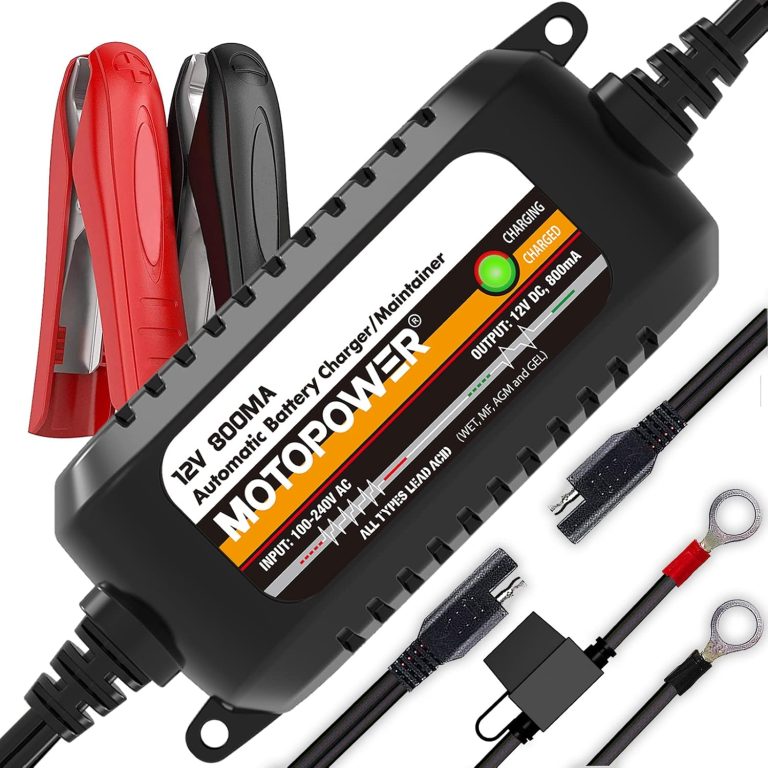
If your car struggles to start every time, it is a serious sign. Repeated slow starts may mean a weak battery or starter problem. Try charging the battery once, but if the problem stays, see a mechanic. Ignoring this can lead to complete failure and leave you stranded.
Unusual Noises Or Smells
Strange sounds like clicking or grinding during start-up need attention. These noises often point to a faulty starter or worn parts. Burning smells or fuel odors are even more urgent. They may signal electrical issues or fuel leaks. Stop driving and get professional help fast to prevent damage or fire risk.
Dashboard Alerts
Warning lights on the dashboard can mean many things. Lights like the battery, check engine, or oil alert need quick checks. These signals often relate to engine or electrical system problems. Do not ignore these alerts. A mechanic can run tests and fix the root cause before it worsens.

Credit: www.dubizzle.com
Frequently Asked Questions
Why Is My Car Taking Longer To Start?
A slow-starting car often signals battery, starter, or fuel issues. Cold weather and old spark plugs also cause delays. Regular maintenance helps identify and fix these problems early. Checking these components can prevent starting troubles and improve engine performance.
Can A Weak Battery Cause Slow Car Starts?
Yes, a weak or dying battery is a common cause of slow starts. It struggles to provide enough power to the starter motor. Testing and replacing the battery when needed ensures reliable engine ignition and prevents starting delays.
How Does Cold Weather Affect Car Starting Time?
Cold weather thickens engine oil and reduces battery efficiency. This makes the engine harder to turn over and slows ignition. Warming the engine or using synthetic oil helps improve starting performance in cold conditions.
Could A Faulty Starter Motor Delay Car Starting?
Yes, a faulty starter motor can cause slow or no starts. It may fail to engage or spin the engine properly. Diagnosing and repairing the starter motor prevents prolonged starting issues and ensures smooth engine cranking.
Conclusion
A car taking longer to start can signal small or big problems. Check the battery, spark plugs, and fuel system first. Regular car care helps avoid these issues. Don’t wait too long to fix starting problems. A quick repair saves time and money later.
Stay alert to changes in how your car runs. Drive safely and keep your car healthy.