How Long To Recharge Car Battery After Jump ?

Have you ever jump-started your car and wondered how long it takes to fully recharge the battery afterward? Knowing the right amount of time to let your car run can save you from unexpected breakdowns and keep your vehicle reliable.
If you’re unsure about how long to recharge your car battery after a jump, you’re not alone. You’ll discover simple, clear answers to help you get back on the road quickly and confidently. Keep reading to find out exactly what you need to do to protect your battery and avoid future problems.
Factors Affecting Recharge Time
Several factors influence how long it takes to recharge a car battery after a jump start. Understanding these factors helps you estimate the time needed for a full recharge. The recharge time depends on the battery type, the jump starting method, the charger or alternator output, and the battery’s condition and age.
Battery Type And Capacity
Different batteries recharge at different speeds. Lead-acid batteries take longer than AGM or lithium types. Larger capacity batteries need more time to recharge fully. Smaller batteries recover faster but may have less power.
Jump Starting Method
The way you jump start affects the battery’s charge level. Using another vehicle’s battery provides a quick boost. Portable jump starters may give less power. This changes how much charging the battery needs afterward.
Charger Output And Vehicle Alternator
The charger’s power output controls recharge speed. Higher output chargers refill the battery faster. The vehicle’s alternator also charges the battery while driving. A strong alternator can reduce recharge time.
Battery Condition And Age
Old or damaged batteries take longer to recharge. They may not hold a full charge anymore. New batteries regain power quickly. Regular maintenance keeps batteries healthy and charging fast.
Credit: www.alibaba.com
Typical Recharge Duration
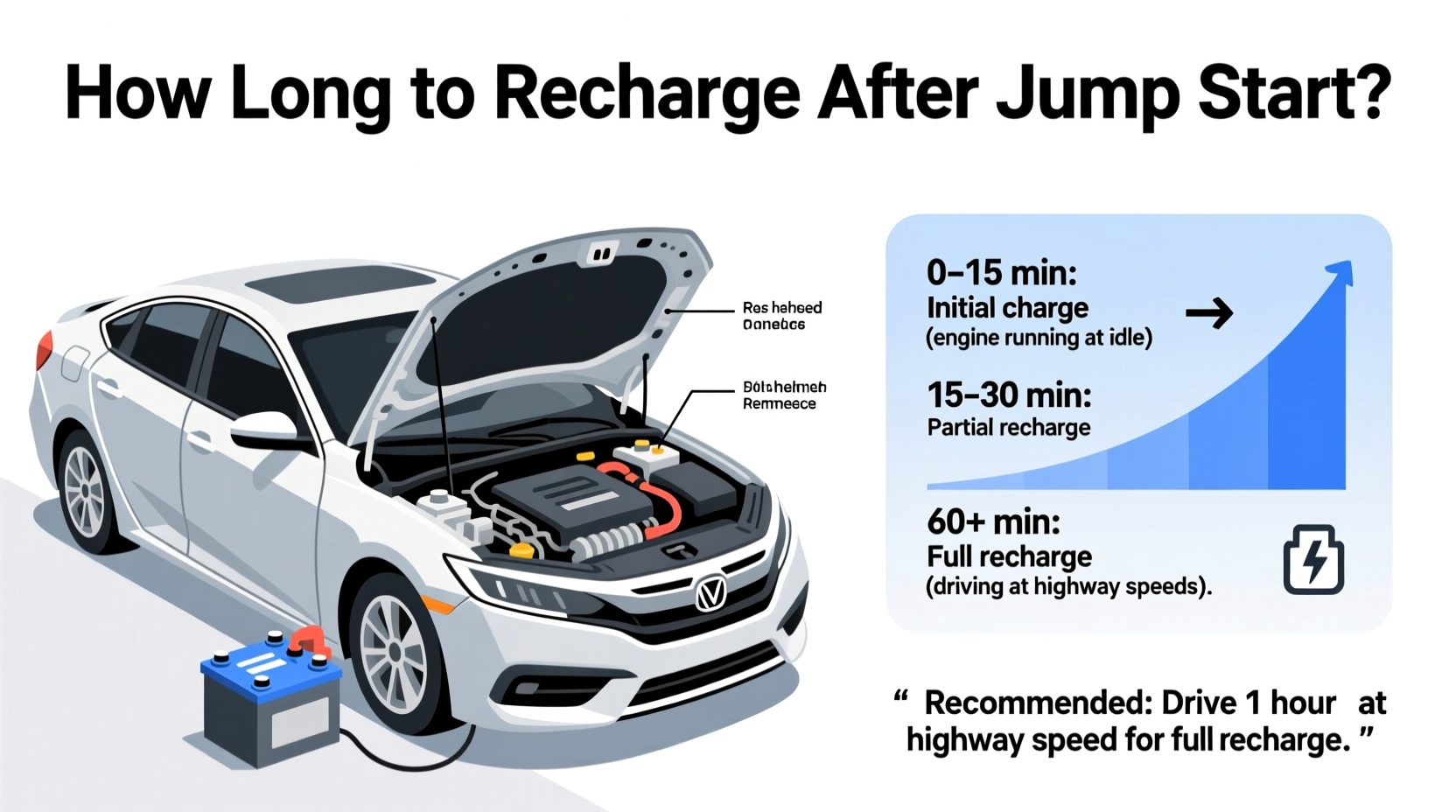
After jump-starting a car battery, it needs time to recharge fully. The recharge duration depends on the method used and driving habits. Knowing typical recharge times helps keep your battery healthy and ready.
The battery does not recharge instantly. It takes hours to regain enough power for regular use. Understanding these times can save you from battery troubles later.
Recharge Time Using Alternator
The car’s alternator charges the battery while driving. It usually takes about 30 minutes to an hour of driving for a basic recharge. Longer drives improve battery power more effectively.
Short trips may not provide enough charge. The alternator supplies a low current, so recharge is slow. For a full charge, several hours of driving might be needed.
Recharge Time Using Battery Charger
Battery chargers plug into a power outlet and charge the battery directly. They are faster than alternators and more controlled. Charging time varies by charger type and battery size.
Standard chargers take 4 to 12 hours for a full recharge. Smart chargers adjust current and prevent overcharging. Fast chargers can reduce time to 1-2 hours but use them carefully.
Impact Of Driving Habits
Driving style affects how well the alternator recharges the battery. Frequent short trips stop full charging. Idling or slow driving limits alternator output.
Longer drives at steady speeds help recharge better. Avoid turning off the engine soon after jump-starting. Consistent driving habits improve battery health and recharge speed.
Signs Battery Needs More Charging
After jump-starting a car, the battery may still need time to recharge fully. Knowing the signs that your battery needs more charging helps avoid getting stuck. These signs show that the battery has not regained enough power yet.
Dim Lights And Electrical Issues
Dim headlights are a common sign of low battery power. Interior lights may also appear weaker than usual. Other electrical parts might work slowly or fail to operate. These issues mean the battery cannot supply enough energy.
Difficulty Starting Engine
The engine might turn over slowly or not at all. You may hear clicking noises when trying to start. This happens if the battery lacks sufficient charge to power the starter motor. Recharging the battery longer can fix this problem.
Battery Warning Indicator
Your dashboard may show a battery warning light. This light signals problems with battery charging or power. It stays on when the battery is weak or the alternator is not charging properly. Take this warning seriously to avoid breakdowns.
Credit: www.unitedautoinsurance.com
Tips To Speed Up Battery Recharge
Recharging a car battery after a jump start can take time. Following some simple tips can speed up the process. These tips help your battery regain power faster and keep your car running smoothly.
Drive At Higher Rpms
Driving at higher RPMs helps the alternator work better. It produces more electricity to charge the battery quickly. Avoid idling or slow driving right after a jump start. Instead, keep the engine running at a steady, higher speed for at least 20 minutes.
Use A Dedicated Battery Charger
A dedicated battery charger gives controlled and steady power. It charges the battery safely and faster than just driving. Choose a charger with automatic shutoff to avoid overcharging. Plug in the charger after the jump start to boost the recharge time.
Avoid Short Trips After Jump
Short trips do not allow the battery to charge fully. The engine turns off before the battery regains enough power. Wait for longer drives of 20 to 30 minutes to help the battery recharge. This practice increases battery life and prevents future jump starts.
When To Replace The Battery
Knowing when to replace a car battery is important for safety and car performance. A battery that has trouble holding a charge can leave you stranded. Sometimes, jump-starting the battery is a short fix, but repeated problems show deeper issues. Watch for signs that signal it’s time for a new battery.
Repeated Jump Starts
Needing a jump start more than once in a short time means the battery is weak. Batteries lose their ability to hold power after many jump starts. Each jump drains the battery and wears it down. If you jump start often, the battery cannot keep up with your car’s needs. Replace the battery to avoid sudden failures.
Battery Fails To Hold Charge
A good battery holds charge for a long time. If your battery loses power quickly after charging, it is likely dying. Test the battery with a voltmeter to check its charge level. A low or dropping voltage means the battery cannot store energy well. Replace the battery to ensure your car starts reliably.
Corrosion And Physical Damage
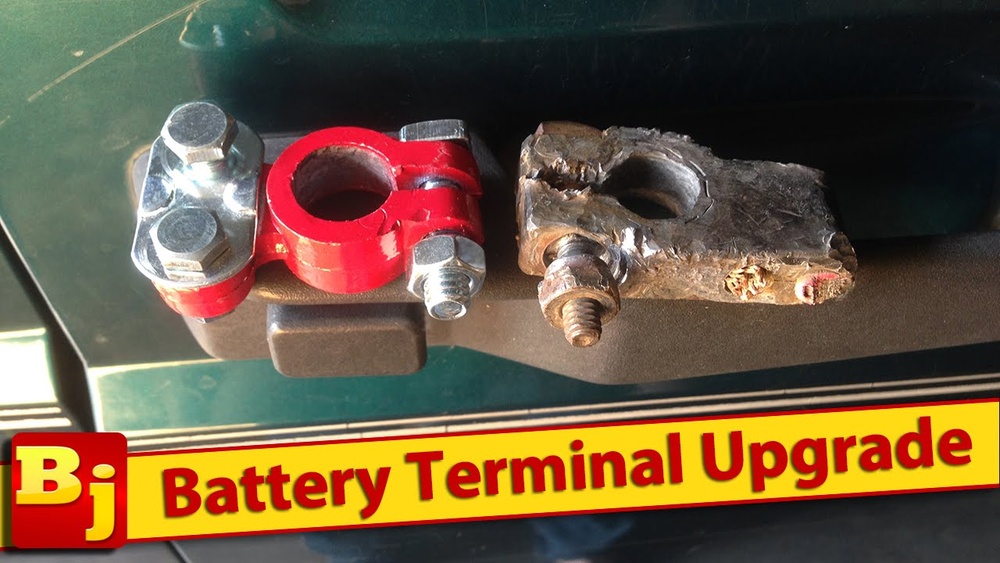
Corrosion on battery terminals blocks power flow and weakens the battery. Look for white or green powder on the battery posts and cables. Cracks or leaks in the battery case show physical damage. Damaged batteries are unsafe and may fail suddenly. Replace the battery if you see corrosion or damage to prevent breakdowns.
Credit: www.lokithorshop.com
FAQs For How Long To Recharge Car Battery After Jump
How Long Does It Take To Recharge A Car Battery After Jump?
Recharging a car battery after a jump usually takes 30 minutes to 2 hours. Driving the car helps the alternator recharge the battery efficiently. Idle charging takes longer, so a steady drive is recommended to restore battery power effectively.
Can I Drive Immediately After Jump-starting My Car?
Yes, you can drive immediately after jump-starting. Driving allows the alternator to recharge the battery. Avoid turning off the engine soon after, as the battery may need time to regain full charge to start again.
How Far Should I Drive To Fully Recharge The Battery?
Driving 20 to 30 minutes at highway speeds helps fully recharge a car battery. Short trips may not provide enough charge. Consistent driving ensures the alternator replenishes the battery’s power effectively after a jump start.
Will A Short Drive Recharge A Dead Car Battery Fully?
A short drive may not fully recharge a dead battery. It provides some charge but likely won’t restore full capacity. For complete recharge, longer drives or using a dedicated battery charger is recommended after jump-starting.
Conclusion
A car battery needs time to recharge after a jump start. Usually, driving for 20 to 30 minutes helps restore the charge. Short trips may not fully recharge the battery. Keep the engine running to allow the alternator to work.
Avoid turning off the car right after a jump start. Regular checks can prevent future battery problems. This simple care keeps your car ready to go. Remember, patience helps your battery regain power safely.