Do Pawn Shops Buy Motorcycle Helmets?

You might have an old helmet sitting in the garage. Maybe you need quick cash and think, do pawn shops buy motorcycle helmets? It feels like they should. Helmets are not cheap, and riders always need one. But the truth is not so simple.
Pawn shops love things they can sell fast—like jewelry, tools, or guitars. Helmets are different. They are safety gear. A helmet is made to take one hard impact. After that, it may not protect you, even if it looks fine. That risk makes helmets hard to resell.
Selling to a Pawn Shop
Will a pawn shop buy a used helmet? The answer is not a simple yes or no. It is a hard question. Shops have their own rules. They think about risk. They need to know about helmets. Most pawn shops will say no. But some special shops will say yes. This part looks at why. It shows why some shops buy them. It shows why some do not. It also tells you how they decide the price. This is for sellers who find a shop that will buy.
When a Pawn Shop Says “Yes”
We looked at the rules of pawn shops. Most do not take helmets. It is rare. When they do, the shop is a special type. Some pawn shops say they take helmets. They also take other bike gear.
One shop is Pawn1st in Arizona. It works with people who ride bikes. They say they “buy, sell and loan on… secondhand equipment for motorcycles and street motorcycles including helmets, leather jackets, and sometimes biker boots”. They do this for a reason. Their staff knows a lot about bikes. Pawn1st says its staff are “motorcycle experts who are passionate enthusiasts themselves.” This helps them know the real price of gear. It helps them check the gear. This lowers the risk of selling used safety gear.
We can see proof of these sales. A big chain is Pawn America. They sold a used HJC helmet online. If they sell a helmet, they must have bought it first. This shows they do buy helmets. People also share stories online. They say they bought used helmets from pawn shops. This shows there is a market for them.
Some pawn shops sell army gear. They also take helmets. Shops like Lincoln Pawn Shop sell “Helmets & Ballistic Protection”. These are not bike helmets. They are for the army. But it shows a key idea. A pawn shop will buy a helmet if they can price it well. Phoenix Pawn & Guns has a manager who was in the army. This gives him the “certain skill and expertise” to check army gear.
This shows a clear trend. Shops that buy helmets do it for a good reason. Normal pawn shops like to buy gold or tools. The price of these things is easy to check. A bike helmet is not easy to check. The risks are too high. But a special shop has a team that knows bikes. Or they know army gear. This knowledge helps a lot. The helmet is no longer a big risk. It is a thing they can sell. So, if you want to sell a helmet, you must find one of these special shops.
When a Pawn Shop Says “No”
Most pawn shops will not buy a used helmet. This is true for big chains. It is also true for small shops. Look at their lists of what they buy. Shops like First Cash buy many things. They buy jewels, tools, and more. They may buy sports gear. But they mean simple things like bikes or golf clubs. Helmets are not on these lists. They are too hard to check for safety.
The main reason is safety. You can’t check if a helmet is safe. A helmet is made to take one big hit. The inside part is made of a foam. This foam is called EPS. It crushes in a crash to keep you safe. This only works one time. The foam can break if the helmet is dropped. It can fall from a table. The outside of the helmet may look fine. But the inside foam could be broken. A pawn shop owner can’t see this. They do not know the helmet’s past. This is a very big risk. A shop could sell a bad helmet. It might look new. But it might not be safe. If the new owner gets hurt, the shop could be sued. The risk is much bigger than the small amount of money they could make.
There are other issues too. A helmet can be dirty. The inside part soaks up sweat and oil. The pads also change shape to fit the first owner’s head. This makes a used helmet less nice for a new buyer. The parts of a helmet also wear out over time. We will talk more about this in Section 2.
Pawn shops are risky businesses. Their money flow is not steady. Their items for sale change a lot. To lower this risk, they buy items they know are good. They want things that are easy to sell. They do not want broken things. They do not want things that are hard to price. A used helmet is a big risk. You can’t see if it is safe. It may be dirty. Not many people want to buy one.
So, a used helmet is a big problem for a pawn shop. It has legal risks. It has money risks. A lawsuit could cost a lot of money. A sale would make very little money. So, most shops say no. It is the smart choice for them. The helmet is a risk they do not want to take.
How Pawn Shops Set Prices
What if you find a shop that will buy your helmet? You need to know what to expect. The offer will be very low. The shop has to do this. The helmet is a high risk. Not many people want one. It will take a long time to sell.
We can look at a store called Play It Again Sports. They buy and sell used sports gear. They are not a pawn shop. But their price model is a good guide. They sell used gear for 40 to 60 percent of the new price. The person who sells it to them gets 30 to 50 percent of that price in cash. The offer can change. It depends on the brand, the shape it’s in, and if people want it.
Let’s use this model for a helmet. A new Shoei RF-1400 helmet costs about $680.
- Shop’s Sale Price: The pawn shop might sell this used helmet for $272 to $408. This is 40 to 60 percent of the new price.
- Cash for You: The shop would offer you 30 to 50 percent of their sale price. This means you would get about $82 to $204.
This is a big price drop. It is 70 to 88 percent less than the new price. This is true even for a top brand in great shape. The offer also depends on the helmet. A good brand like Shoei will get a better offer. A less known brand will get a very low offer. Or the shop may say no. The pawn shop wants to lower its risk. It wants to make the most money. This means you will get a low price for your helmet.
Also read : Where To Sell Motorcycle Helmets: A Complete Guide 2025
A Helmet Is a Safety Tool That Wears Out
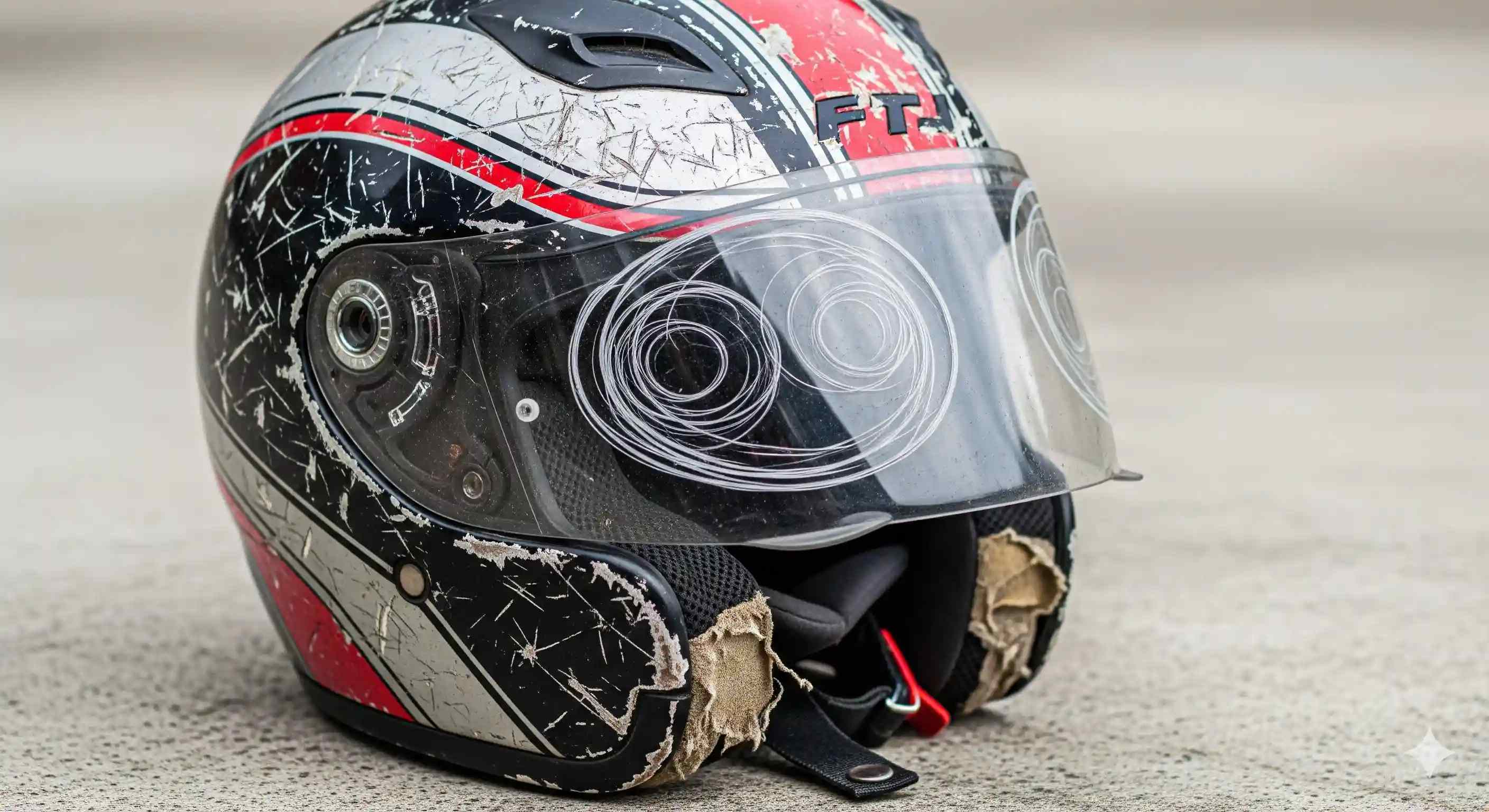
Pawn shops are careful with helmets. This is for a good reason. A helmet is not like a guitar or a tool. It is a safety tool. It has a set life. Its parts break down over time. Its shell can be hurt in ways you can’t see. If you know how a helmet works, you will see why its price drops so fast. You will see why shops are so wary of them.
1. The 5-Year Rule
Helmet makers and safety groups agree on one thing. You should change your helmet every five years. Or you should change it seven years after it was made. This is called the “5-year rule.” It is not just to sell more helmets. It is based on how helmets are made.
All parts of the helmet wear out:
- Inside Foam: The most key part for safety is the foam liner. It is called EPS. It sits inside the hard shell. It soaks up force in a crash by crushing. Over time, it works less well. The foam can dry out. Sweat and hair oil can also harm it. This makes the foam hard and small. It can’t soak up shocks as well. If you ride a lot, the foam can shrink 3 to 5 percent each year.
- Outside Shell: The hard shell is the first line of defense. It is made of strong stuff. But sunlight can harm it over time. UV rays from the sun break down the shell. This makes it weak and easy to break.
- Other Parts: The soft parts inside also wear out. The glues get weak. The chin strap can wear out. The soft pads get flat. This makes the helmet fit poorly. A good, tight fit is key for safety. A loose helmet will not keep you safe in a crash.
Some people do not agree with this. They say the 5-year rule is too safe. They think helmet makers just want to sell more helmets. They point to tests that show a well-kept helmet can last much longer. They say the rule is for a worst-case use. Like a police officer who rides all day in the sun.
But the 5-year rule is now a key idea in the market. Helmet makers use it. Safety groups like Snell use it too. This idea has a big effect on price. Any smart buyer will look for the date the helmet was made. You can find it on a sticker inside. If a helmet is near or past five years old, its price will be very low. This is not because it is proven to be unsafe. It is because most people think it is “expired” and a big risk.
2.The Hidden Past
The top reason used helmets are a risk is their hidden past. You just can’t know what has happened to them. A helmet is made to take one big hit. After that, it is no longer safe. The problem is that a big hit may not leave a mark.
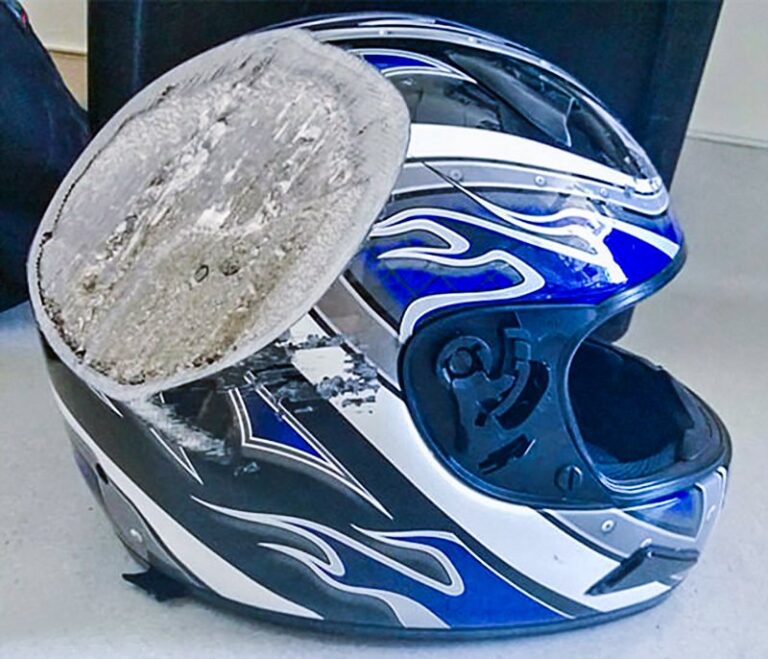
A helmet can be dropped from a short height. It could fall off a bike seat. It could fall onto a hard floor. This can be enough to crack the foam inside. The hard shell on the outside might just have a small mark. It might have no mark at all. This makes the helmet look safe when it is not.
This creates a big problem for a sale. Only the seller knows the true past of the helmet. The buyer has no way to check the foam inside. They would have to cut the helmet open. A pawn shop can’t just trust the seller. This is why so many shops will not buy used helmets.
3. Safety Labels (DOT, ECE, Snell)
Helmets sold for road use must meet safety rules. These rules are shown by labels on the helmet. These labels are key. But their meaning for used helmets is often not well known.
There are three main labels:
- DOT: This is the rule for all helmets sold in the U.S. It tests how well the helmet takes a hit. It also tests if sharp things can go through it. And it tests the chin strap.
- ECE: This is the rule in Europe. Many other lands use it too. The ECE test is seen as harder than the DOT test. It tests more spots on the helmet.
- Snell: This is a private group. Their test is not required by law. Snell rules are very hard to pass. They are often needed for racing.
These labels have one big limit. They only apply to a new helmet. They show that a new helmet of that type passed the tests. The label does not promise the helmet is still safe now. A 10-year-old Snell helmet is not safer than a 2-year-old DOT helmet if the old one is worn out or has been dropped.
For a used helmet, a safety label is a must. But its value goes down with time. A helmet with no DOT sticker is worth nothing in the U.S. But if it has the sticker, buyers look at its age and shape more than the label. A seller can’t ask for a high price just for a Snell sticker on an old helmet. The market knows that the helmet’s real state now is what matters most.
Also read : Can You Ride a Motorcycle Home After Buying It? A Guide to Ensuring You’re Ready
Where Can You Sell a Motorcycle Helmet Instead?
If pawn shops won’t buy helmets, you still have some options. Riders often turn to online platforms or local sales, but each comes with trade-offs.
- Online marketplaces
Sites like eBay, Craigslist, or Facebook Marketplace let you list your helmet directly to other riders. The upside is that you might find a buyer who just wants a spare or a budget option. The downside is that many riders won’t trust a used helmet. They worry about hidden damage, and for good reason. - Gear resale apps
Platforms like Vinted sometimes have better selections and more active buyers than traditional sites. They allow for niche audiences, but the same safety doubts apply. - Local sales
Some riders sell helmets at garage sales or through biking groups. Meeting in person helps a buyer inspect the gear. Still, most people are cautious, especially if the helmet has any wear. - Specialized forums
Motorcycle forums or riding clubs may have buy/sell sections. This can be a way to move a helmet if it’s nearly new. But once again, most members will remind each other that helmets should be bought new.
At the end of the day, selling a used helmet can feel like a gamble. You may find a buyer, but the market is limited. Most riders would rather spend a little more for the peace of mind that comes with a new one.
A Price Guide for Used Helmets
If you want to sell your helmet, you should look past pawn shops. The wider market has more options. Here, the price is set by brand, age, and shape. This part will show you what price you can hope to get. It will also look at special markets where helmets are sold as art, not for safety.
1. What Sets the Price: Brand, Age, and Shape
The used helmet market has clear price levels. The brand name is the top factor. Top brands sell for much more than low-cost brands. This is because many riders want a top helmet but can’t afford a new one. For $300, a rider could buy a new mid-level helmet. Or they could buy a lightly used top-level helmet. Many will choose the used top helmet. They feel the better build is worth the risk. This creates a strong demand for used top-brand helmets. There is no such demand for used low-cost helmets.
A look at eBay sales shows this brand effect:
- Shoei: This is a top brand from Japan. Shoei helmets hold their price well. Even old ones can sell for $150 to $400. Top models like the RF-1200 and RF-1400 sell very well. A “Used Like New” RF-1400 that cost $680 new can still sell for $560.
- Arai: This is another top brand from Japan. Arai helmets also hold their price. Used models can be listed from $200 to over $600. The brand is known for high quality. This gives buyers trust.
- HJC: HJC is a good brand. But it sells for less than Shoei and Arai. Many used HJC helmets are listed for under $100. Some sell for less than $50. Their top RPHA models sell for more. But they still sell for less than top Japanese brands.
After brand, age and shape are most key. The date the helmet was made is very important. A helmet less than three years old will sell for more. A helmet three to five years old will sell for less. A helmet older than five years is seen as past its safe life. It may only have value as a collector’s item.
The look of the helmet is also key. A helmet that looks new will get the best price. Small marks may be okay. But deep marks or a dirty inside will lower the price a lot.
2. Special Markets
The normal rules for price do not apply if a helmet is a collector’s item. In this case, its price is not based on safety. It is based on how rare it is and who wants it. If you have such a helmet, you can get a much higher price.
- Signed Helmets: A helmet signed by a famous racer is worth a lot. The helmet is now a piece of art. The Gold & Silver Pawn Shop from the TV show “Pawn Stars” sells signed football helmets. They sell for $500 to over $900. A bike helmet with a real signature from a top racer would be worth a lot too.
- Old and Replica Helmets: Helmets from the 1960s and 1970s are wanted by collectors. Their price is based on their past and how rare they are. Special helmets that copy the look of a famous racer’s helmet can also be worth a lot. In this case, a helmet that is too old to be safe to wear could be worth hundreds of dollars to put on a shelf.
- Army Helmets: As we saw in Section 1.1, there is a market for army helmets. These are wanted by a special group of people. Their price is based on the model and its past. If you have one of these, you should sell it to a special army gear shop.
Also read : How to Buy a Used Motorcycle from a Private Seller: Share my Experience and Ultimate Buying Guide
Other Places to Sell Your Helmet
A pawn shop is one way to get fast cash. But there are many other places to sell. Your choice should be based on what you want. Do you want the most money? Do you want it to be easy? Do you want a fast sale? This part looks at the other options.
1. Online Sites (eBay, Facebook Marketplace, Forums)
- What they are: These sites let you sell right to a buyer. eBay has a special part for “Pre-owned” helmets. Facebook Marketplace and Craigslist are good for local sales. You can also find buyers on bike forums and Reddit.
- Good things: You can get the most money on these sites. You sell right to the buyer. So you keep most of the sale price. You can reach a lot of people who like bikes.
- Bad things: It is a lot of work for you. You have to clean the helmet. You have to take good photos. You have to write a good description. You have to talk to buyers. You have to ship the helmet. There is also a risk of fake buyers. Most of all, you are responsible for the sale. You must be very honest about the helmet’s age and any marks. Also, buyers on local sites like Facebook often want very low prices.
2. Special Shops That Sell for You
- What they are: These shops sell your used gear for you. They take a part of the sale price. Some are real stores, like Moto Guild. Some are online, like Geartrade. You bring them your gear. They do all the work to sell it.
- Good things: This is the easiest way to sell. The shop does all the work. The shop is also responsible for the sale, not you. This lowers your risk.
- Cons: This way costs a lot. The shop will take a big part of the sale price. It is often 40 to 50 percent. So you get much less money than a private sale. The sale is not fast. It can take weeks or months. These shops are also picky. They may not take your gear if it is not a good brand or in good shape.
3. Other Local Stores
- What they are: This means stores like Play It Again Sports. They sell used sports gear. They might buy a helmet. Some local bike shops might also buy used gear. But this is not common.
- Good things: These stores offer a fast, local sale for cash.
- Bad things: The price they offer will be very low. It will be like a pawn shop’s price. They have the same high risks and lack of special knowledge. So they will likely say no. This is not a good option for most sellers.
How Selling Places Compare
This table helps you choose where to sell. It is based on what is most key to you.
| Channel | Money You Get (% of Value) | How Fast It Sells | Your Work | Your Risk | Best For… |
| Pawn Shop | 10-25% | Right Away | Low | Low-Medium | A seller who needs cash now for a top-brand helmet. |
| Online Site | 60-90% | Varies (Days to Months) | High | High | A seller who will work to get the most money. |
| Consignment Shop | 40-60% | Varies (Weeks to Months) | Low | Low | A seller who wants it to be easy and safe. |
| Used Sports Store | 10-25% | Right Away | Low | Low | A fast sale of a low-cost helmet, if they take it. |
Good Advice for Sellers
This last part gives you a clear plan. It is based on all the facts about the market and helmets. The goal is to help you make a smart choice. It will also help you sell in a safe and fair way.
1. How to Choose Where to Sell
The best place to sell is not the same for all. It depends on your main goal. Use the table above to help you choose.
- To Get the Most Money: The best choice is an online site like eBay. This lets you get the highest price. But this is only a good idea if you have a top-brand helmet. It should be less than five years old. It must be in great shape. You must be willing to do the work. You must also be okay with the risks.
- To Make It Easy and Safe: A special bike gear consignment shop is the best choice. This is for sellers who want no stress. You will get less money. But the shop does all the work. They also take on the legal risks.
- To Make It Fast: A pawn shop is the fastest way to get cash. But it gives you the lowest price. The offer will be very small. And the shop will likely say no. This should be your last choice. It is only for urgent needs.
2. How to Sell Well and Be Fair
No matter where you sell, you should follow these tips. They will help you get a fair price. They will also keep the next owner safe.
- Get It Ready: The helmet must look its best. Clean the outside shell. If you can, take out the inside pads and wash them. A clean helmet looks better and sells for more.
- Take Good Photos: You need clear photos for online sales. Take photos from all sides. Show the brand name and size. Take a clear photo of the date sticker inside. You must also take photos of any marks or scratches. Do not hide problems.
- Be Honest: This is the most key step to lower your risk. Your description must be very honest. State the date the helmet was made. Tell its known past (like “never dropped”). List all marks that you showed in the photos. It is also smart to say it is used safety gear.
- Set a Price: To find a good price, look at what your same helmet has sold for on eBay. This will give you a good idea of its price now. It is smart to price it a bit high. This gives you room to lower the price.
3. When You Should Not Sell a Helmet
The most key advice is this: some helmets should not be sold. A helmet is a safety tool with a set life. Selling a bad helmet is a big risk. If a helmet has any of these issues, you should get rid of it:
- It was in a crash or was dropped hard.
- It is more than 5 to 7 years past the date it was made.
- The shell has deep marks, cracks, or looks worn out.
- The inside foam is crushed or hurt in any way.
- The chin strap is worn out or the buckle is broken.
If you have a helmet like this, you should make sure no one can use it. Cut the chin strap. Then throw it away. The small amount of money you could get is not worth the risk. It is your duty to keep a bad helmet out of the market.
Helmet Price Factors
This table helps you guess a price for your helmet. It is based on the key things that set a used helmet’s price.
| Factor | High Price | Medium Price | Low Price |
| Brand | Shoei, Arai | HJC (top models), Bell | HJC (low models), Bilt |
| Age | < 3 years | 3-5 years | > 5 years |
| Shape | Looks New | Small marks, clean inside | Big marks, worn inside |
| Past | Known, never dropped | Not known | Known to be dropped |
| Est. % of New Price | 40-60% | 20-40% | 0-20% (or collector price) |
Better Alternatives to Selling Helmets
If pawn shops won’t take helmets, the good news is that plenty of other motorcycle gear holds value. These items are easier to sell because they don’t carry the same hidden risks.
- Jackets and trousers
Leather or textile gear is popular secondhand. Riders upgrade, change sizes, or stop riding, which means good gear often shows up for sale. As long as it hasn’t been crashed, it can be a smart buy for someone else. - Gloves and boots
These don’t last as long, but they can still move quickly if they’re in good condition. Buyers want clean gear with no damage. Prices are usually low, but they sell faster than helmets. - Accessories
Tail bags, tank bags, and even riding backpacks are easy to resell. They don’t have safety concerns, and buyers are more relaxed about purchasing them secondhand.
If your goal is to save money instead of making it back, clearance sales can be even better than selling old gear.
- Clearance and outlet stores
Shops like SportsBikeShop, Infinity, or J&S often clear out last season’s gear at half the price. Most of my own gear has come this way—I’ve bought brand new items without ever paying full price. - Bike shows and events
Some riders like to haggle at shows. Deals aren’t always better than online, but you may find discounts if you’re patient. - End-of-line sales
Brands drop prices when a new version of a jacket or boot comes out. That’s the best time to score fresh gear without breaking the bank.
So instead of struggling to sell a used helmet, you might get more value focusing on jackets, boots, or accessories—or simply hunting for new gear on sale.
FAQs for Should I Buy a Used Motorcycle Helmet
Is it safe to buy a used motorcycle helmet?
No, it isn’t safe. Helmets can hide crash damage inside the foam. Even if the shell looks fine, protection may be gone. Always buy a new helmet.
How long does a motorcycle helmet last?
Most helmets last about five years. Heat, sweat, and UV rays weaken them over time. Even unused helmets should be replaced after this period.
Why don’t pawn shops buy motorcycle helmets?
Pawn shops avoid helmets because they can’t prove safety. A helmet may have unseen damage or be too old to sell. Liability makes them risky items.
What should I look for if I consider a used helmet?
Check the DOT sticker, liner wear, and shell condition. But even with these checks, you can’t confirm safety. That’s why new is always best.
What gear is safer to buy used instead of a helmet?
Jackets, boots, and gloves are safer secondhand buys. They don’t carry the same crash risks as helmets. Always inspect for wear and damage first.
Final Thoughts: Do Pawn Shops Buy Motorcycle Helmets?
So, do pawn shops buy motorcycle helmets? The short answer is no, not usually. Helmets are tricky for pawn shops because they come with too many risks—hidden damage, age concerns, and very low resale value.
If you’re sitting on an old helmet, you may struggle to sell it anywhere. Riders prefer to buy helmets new because their safety depends on it. And honestly, that’s the right call. A helmet is one of those pieces of gear where peace of mind matters more than saving a few dollars.
Instead of focusing on helmets, look at the gear that does hold value: jackets, trousers, boots, gloves, and accessories. These are easier to sell and much safer to pass along secondhand.
And if you’re trying to stretch your budget, don’t forget clearance deals. You can often find brand new gear for the same price you’d pay secondhand—sometimes less. That way, you get both savings and safety.
At the end of the day, motorcycling doesn’t have to be expensive. With smart buying and selling, you can ride safe, stay protected, and still keep costs down—without relying on pawn shops for helmets.