Should I buy a used motorcycle helmet? An Honest Warning

I see you thinking about that used helmet. It looks like a good deal. But you ask, “Should I buy a used motorcycle helmet?” I have to say no. I have seen too much to say yes. Your head is worth more than a few saved dollars. Let me tell you why.
Do Not Buy a Used Helmet
The Short Answer
You should not buy a used helmet. This is true if you do not know the seller. It is not safe. You might save some money. But the risk to your safety is very high. You cannot know if a used helmet was in a crash. You cannot know if it is still strong. A helmet is for one crash only. If you do not know its past, it is a big risk.
1.Key Risks
There are four big risks. They are all linked.
- Past Damage You Cannot See: A helmet is made to break inside to save your head. This happens in one crash. The outside may still look fine. A used helmet can look new but be broken inside. It may not help you in a new crash.
- A Bad Fit: The soft pads inside a helmet shape to the first owner’s head. It will not fit a new owner well. A bad fit is not safe. The helmet could move or fall off in a crash.
- Old and Weak Parts: Helmet parts get weak over time. Sun, heat, and rain make them weak. Glues and plastics get old. A used helmet is often old. It may be past its 5 to 7 year life. Its parts may be weak and not work.
- Germs and Dirt: The inside of a helmet soaks up sweat and oils. This can grow germs and mold. It is not clean. It can cause skin problems. It also makes the helmet parts break down faster.
Also read : Do Pawn Shops Buy Motorcycle Helmets?
A Helmet is for One Crash Only
People think a helmet is like armor. They think you can use it many times. This is wrong. A helmet is a safety tool for one use. It is like an airbag in a car. Its main job is to break to save you. It breaks in a planned way to soak up the hit. If you see a crack on a helmet, it did its job. It did what it was made to do. It cannot do it again. A helmet is not a strong hat. It is a tool that breaks to keep you safe one time.
1. Parts of a Helmet
A helmet has key parts. They work as a team.
- The Outer Shell: This is the hard outside part. It is made of strong stuff like plastic or carbon fiber. It stops sharp things. It also spreads out the force of a hit. This lessens the shock to the inside part.
- The Foam Liner (EPS): This is the most key part for safety. It is a thick layer of foam. It is the main system to soak up energy. It is not just a soft pad. It is made to crush in a crash. When it crushes, your head slows down more gently. This takes about six milliseconds, not one. This longer stop time means less force hits your brain. The foam liner breaks when it does this. It cannot be fixed.
- The Comfort Liner and Straps: The soft liner makes the helmet fit tight. A good fit is key for the foam liner to work right. The chin strap keeps the helmet on your head. This is very important in a crash.
2.How a Helmet Protects You
A helmet saves you by breaking itself. When a helmet hits a hard thing, the shell bends. It spreads the force. The foam liner starts to crush. The foam cells fall apart. This turns the crash energy into a bit of heat. Most of all, it slows your head down.
This is why a helmet is a “single-impact” tool. Once the foam is crushed, it is broken for good. It cannot pop back. It cannot soak up another big hit in the same spot. Even one drop from a few feet can crush the foam. This makes a weak spot. The helmet is then not safe to use.
The Four Big Risks of a Used Helmet
The risks of a used helmet are all tied together. A weak spot in one area makes other areas weaker. For example, sweat can ruin the fit. This makes the helmet much more likely to fail in a crash.
1 .Damage You Cannot See
The biggest risk of a used helmet is its past. You do not know its history. A crash can break a helmet but leave no marks on the outside. The hard shell can hide bad damage to the foam liner inside. The foam can have small cracks or crushed spots you cannot see. A helmet can be dropped from just a few feet. This can crush the foam. The shell might only have a small mark, or no mark at all.
This means you cannot trust the seller. The seller may lie about the helmet’s past. Or the seller may not know it is broken. You cannot trust a stranger with your life. You cannot see if the foam liner is safe just by looking. You would need an X-ray. This makes any used helmet a risk.
2. A Fit That Is Not Right
A helmet must fit tight to keep you safe. The soft pads inside are tight when new. They slowly shape to your head and face. This good fit makes the helmet and your head move as one. It stops the helmet from moving around in a crash.
One study in Europe found that 12% of helmets fell off in a crash. This was often due to a bad fit. A used helmet has already shaped to the old owner’s head. For you, this means a bad fit. It may be too loose in some spots. It may be too tight in others. Gaps from the old fit can let the helmet move or be pulled off in a crash. This makes it useless when you need it most.
3.The Whole System Gets Old
A helmet is made of many parts. These parts are held by glues and other things that get weak over time. This can make the helmet fall apart.
The outer shell can get weak too. Sun can make the plastic shell brittle. A brittle shell can shatter in a crash. It will not spread the force. Gas fumes or cleaners can also harm the shell. You may not see this damage. The chin strap is also a key part. It can get weak with use. The buckle can wear out. This means it might not keep the helmet on your head in a crash.
4. Germs and Dirt Inside
A used helmet is not clean. The soft liner inside soaks up sweat, oils, and skin cells from the old owner. This warm, wet place is great for germs, mold, and fungus to grow. Wearing a dirty helmet can give you skin problems. It can cause acne or infections.
This is also a safety risk. The germs and dirt break down the soft liner. As the liner breaks down, the helmet fits more loosely. This adds to the risk of the helmet not staying on in a crash. So, a dirty helmet is also an unsafe helmet.
The Science of a Helmet’s Age: The “Five-Year Rule”
People talk about a “five-year rule” for helmets. It is often not well understood. This rule is not just a date. It is a way to manage risk. It is based on how the whole helmet gets old. This is very important for a used helmet with a past you do not know.
1. What Helmet Makers Say: The 5-7 Year Life
Helmet makers and safety groups all agree. These include Shoei, Arai, Bell, and others. They say to replace a helmet 5 years after you start using it. Or, 7 years after it was made. You should use the date that comes first. This is not just because the foam gets old. It is because the whole helmet system gets old. The glues, liners, and shell all get weak from sun, sweat, and chemicals.
2. What Science Says: Foam Is Stable
Some science studies say something different. These studies were mostly on bike helmets. They found that the foam liner does not get weak just from age. One big study tested 675 used helmets. Some were 26 years old. It found no link between age and how well they worked in a crash. This shows that a helmet kept in a safe, dark place does not just “go bad” with time.
3. Putting It All Together: Why the 5-Year Rule Is Still Best
Why do makers and science seem to disagree? A helmet is not just a block of foam in a box. It is a full system used in the real world.
Other studies show that wet air and small bumps do make the foam weaker. So, the five-year rule is a smart
risk policy. It covers the slow, unseen decay of the whole system. This includes the glue, the shell, the strap, and the liner. For a used helmet, you do not know how it was stored or used. So, the five-year rule is a simple way to say “the risk is too high.”
How to Check a Used Helmet (And Why It Is Not Enough)
This report says not to buy a used helmet. But it is good to know how to check one. This shows why just looking is not enough. A check can find a very bad helmet. It can never prove a helmet that looks good is safe.
1. The Checklist
A good check of a used helmet has many steps. But it is still not enough.
- Find the Date It Was Made: This date is on a sticker inside the helmet. It is often on the foam or the chin strap. If a helmet is more than five to seven years old, do not buy it.
- Check for Safety Marks: A helmet in the U.S. must have a DOT sticker on the back. Marks from ECE or Snell mean it passed harder tests. Real DOT stickers are often under the clear paint. A sticker that peels off easy is a bad sign.
- Check the Outer Shell: Feel the whole shell. Check for bumps, low spots, or tiny cracks. Deep scratches, peeling paint, or faded color can be signs of a crash or sun damage.
- Check the Foam Liner: This is the most key step. Take out the soft liner if you can. Use a bright light to look at all the foam. Look for any dents, dips, or cracks. Some liners are painted black. If you see white stress marks, the foam is crushed. Do not buy the helmet.
- Check the Straps and Buckles: Look at the chin strap for weak spots. This is common near the rings or buckle. Test the buckle to make sure it holds tight.
2. Why Looking Is Not Enough
Each check has a big problem. A good date does not tell you how the helmet was used. A nice shell can hide a broken foam liner. The worst damage to the foam is often too small to see. You would need a pro to test it. This is not something a buyer can do. A visual check can only rule out bad helmets. It cannot prove a good-looking helmet is safe.
What Makers and Safety Groups Say
The motorcycle world agrees on helmets. Their rules show that used helmets are a bad idea. These rules are not just for business. They help keep riders safe in a market with few laws.
1. What the Industry Says
Big safety groups and makers have clear rules. These rules show the risks of a used helmet:
- Motorcycle Safety Foundation (MSF): The MSF says to replace a helmet after any crash or big drop. They say you must know the helmet’s age. You must keep it safe from damage and chemicals. This means buying a used helmet with no history goes against their rules.
- Shoei: Shoei says to replace a helmet five years after you buy it. Any crash means you need a new one. They offer free checks, but only for the first owner.
- Arai: Arai has a strict 5-year use or 7-year made rule. Their warranty is only for the first owner. It does not move to a new owner if you buy it used.
- Bell: Bell gives a five-year warranty only to the first buyer. This means later owners get no help or coverage.
2. What a Warranty That Does Not Transfer Means
Top makers like Arai and Bell do not let warranties transfer. This is a strong safety message. The government has rules for new helmets, like DOT and ECE. But there are no rules for used helmets. So, the makers step in. By ending the warranty for a new owner, they are making a safety rule. They are saying they do not trust the used market. They are saying that once a helmet is sold by the first owner, it is no longer a sure thing. They will not back it up. For you, this is a clear warning from the people who made the helmet.
The Myth of Saving Money: Used vs. New Helmets
The main reason to think about a used helmet is to save money. But when you look at the real cost and safety, the savings are not real. A new, low-cost helmet is a much better and safer choice.
1. Prices for Used Helmets
On sites like eBay, used helmets have many prices. Cheap brands can be under $50. Used top brands like Arai or Shoei can cost $150 to over $250. People want to get a top-name helmet for a low price.
2. The New, Safe, and Low-Cost Choice
The idea of a “used deal” is not so good when you see the prices of new helmets. Good makers like Bell, HJC, and LS2 sell new, safe helmets for low prices. You can buy a new helmet with DOT and ECE marks for $115 to $200. These are not just basic shells. They have good air flow, shields that do not fog, sun visors, and liners you can wash.
3. A Clear Comparison
A side-by-side look shows why a new helmet is a better deal. The small amount of money you save on a used helmet is not worth the loss of safety, good fit, and a warranty.
| Feature | Used High-End Helmet | New Basic Helmet |
| Price | $200 – $250+ | $130 – $150 |
| Safety Mark | Old Mark (DOT/Snell) | New Mark (DOT/Snell) |
| Crash History | You do not know | None |
| Fit | Bad fit (shaped to old owner) | Good fit (shapes to you) |
| Warranty | None | 5 Years |
| How Long It Lasts | Not long, maybe 2 years left | 5 Years |
| Cleanliness | Dirty (germs and sweat) | Clean |
| New Safety Tech | Not likely (older tech) | More likely (new tech) |
This shows the choice is not just about price. It is about the safety you get for your money. A new, cheap helmet is a safe bet for its full life. A used helmet is a big gamble with a past you do not know.
FAQs for Should I buy a used motorcycle helmet
Is it safe to buy a used motorcycle helmet?
No, it is not safe to buy a used helmet. You do not know if it was in a crash. Damage can be hidden inside where you cannot see it.
Why is a good fit so important for a helmet?
A used helmet is shaped to the old owner’s head. This means it will not fit you well. A helmet with a bad fit may not stay on in a crash.
How long does a motorcycle helmet last?
You should get a new helmet every five years. The parts get old and weak over time. A used helmet might be too old to protect you well.
Can’t I just clean the inside of a used helmet?
A used helmet has old sweat and germs inside. This is not clean and can cause skin problems. It also makes the helmet’s parts break down faster.
What if a used motorcycle helmet looks brand new?
A helmet can look new on the outside but be broken inside. Even one drop can crush the safety foam. You cannot see this hidden damage. Sources and related content
Final Words and Good Advice
1. Final Word
All the facts point to one thing: buying a used helmet from a stranger is a risk you should not take. You cannot know if it was in a crash. The fit will be bad. The parts are likely old and weak. It is not clean. You cannot check for these risks just by looking. Safety groups and helmet makers agree. A helmet is the most key piece of safety gear you will buy. Do not leave its safety to chance.
2. Good Advice for Buying a Safe Helmet
To get the best protection, follow these steps:
- Buy New from a Real Store: This is the only way to know a helmet has no crash history. It is the only way to get a full warranty.
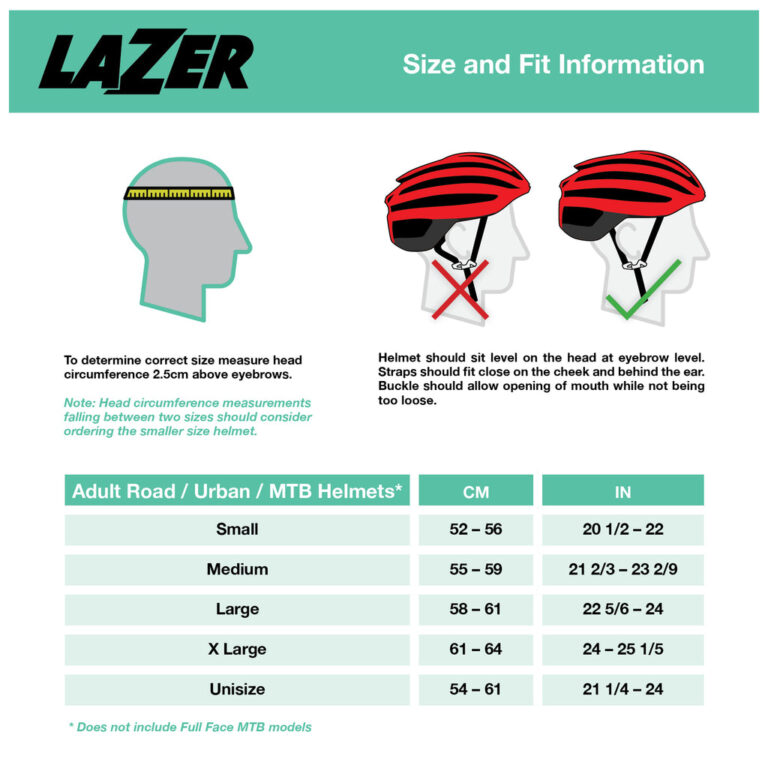
- Get a Pro to Help with Fit: A good fit is key to a safe helmet. Go to a store and get your head measured. Try on many brands. A “medium” in one brand may not fit like a “medium” in another. A good helmet should be tight all around. It should not have spots that hurt.
- Check for New Safety Marks: Your helmet must have a DOT mark. For more safety, look for ECE 22.06 or Snell M2020 marks. These have harder tests.
- Check the Date It Was Made: Even with a new helmet, check the date. Buy the newest one you can. This gives you the longest 5 to 7 year life.
- Think of a Helmet as a Key Buy: A helmet is not just a hat. It is not a place to save money. It is a key buy for your own safety. The price of a new helmet is very small next to the cost of a brain injury.