Fluke 117 Vs 115 Vs 116: Ultimate Comparison Guide 2026

Choosing the right multimeter can save you time, money, and frustration. If you’re deciding between the Fluke 117, 115, and 116, you’re probably wondering which one fits your needs best.
Each model offers unique features that can make your work easier, but it’s easy to get confused by the specs and options. You’ll discover the key differences and benefits of each Fluke multimeter so you can pick the perfect tool for your projects.
Keep reading, and by the end, you’ll feel confident about your choice.
Credit: www.tequipment.net
Fluke 117 Features
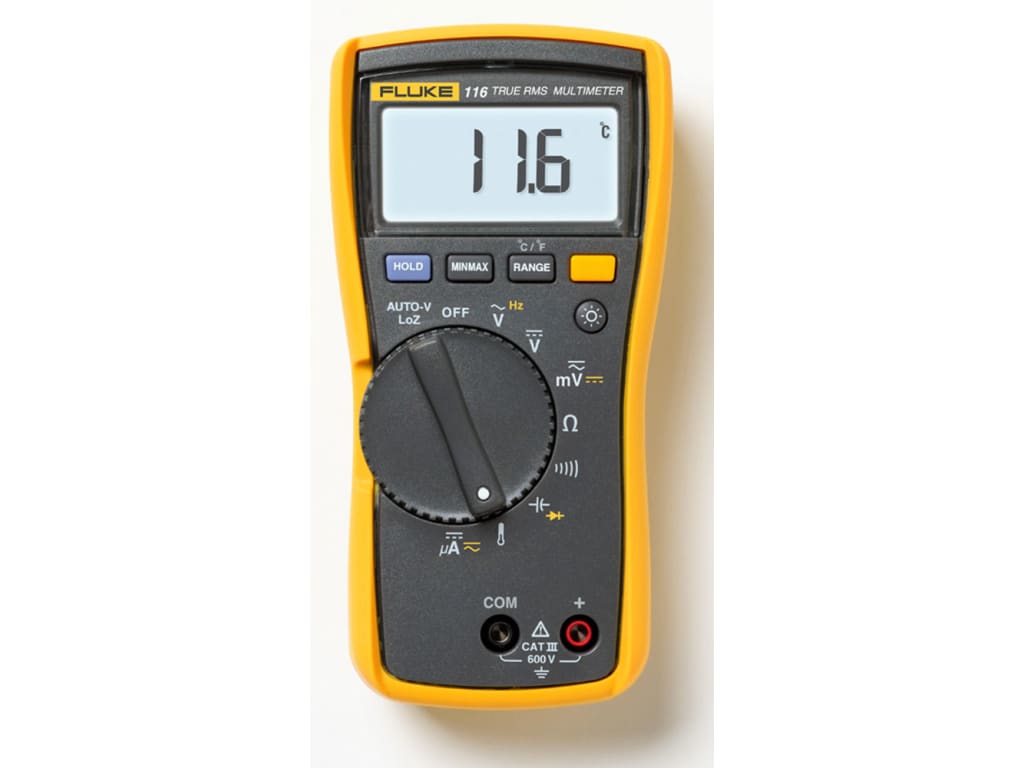
The Fluke 117 Features offer a solid choice for professionals and DIYers in electrical work. This model stands out in the Fluke Product Differences lineup with specific advantages. Compared to the Fluke 115 and Fluke 116, the Fluke 117 focuses on convenience and accuracy in common electrical tasks. Understanding its features helps to grasp why many prefer it for troubleshooting and maintenance.
Design And Build
The Handheld Multimeter Design of the Fluke 117 is compact and user-friendly. It fits well in the hand, making it easy to carry around job sites or workshops. The meter has a durable outer shell to resist drops and rough handling. Its lightweight design reduces fatigue during long testing sessions.
- Ergonomic grip: Soft rubber edges improve comfort and prevent slips.
- Compact size: Smaller than the Fluke 115 but with a similar display area.
- Weight: Around 10 ounces, light enough for extended use.
- Portability: Includes a convenient pouch for safe transport.
The build quality supports everyday use in tough environments. The Fluke 117 also includes a built-in kickstand for hands-free operation. This feature aids in testing while keeping the meter stable. Compared to the Fluke 115 Specs, the 117’s design focuses more on ease and speed of use.
Measurement Capabilities
The Measurement Accuracy Fluke provides is a key reason to choose the Fluke 117. It handles a wide range of electrical tests with precision. The meter can measure voltage, current, resistance, and continuity, covering most basic needs.
| Measurement Type | Fluke 117 | Fluke 115 | Fluke 116 |
|---|---|---|---|
| AC/DC Voltage | 600 V | 600 V | 600 V |
| AC/DC Current | 10 A | 10 A | 10 A |
| Resistance | 40 MΩ | 40 MΩ | 40 MΩ |
| Frequency | Yes | Yes | No |
| Temperature | No | No | Yes |
The Fluke 117 Features include a non-contact voltage detection mode. This feature quickly identifies live wires without touching them. It adds safety and convenience for electricians. The meter also offers a low input impedance mode to reduce false readings from ghost voltages.
Compared to the Fluke 116 Capabilities focused on HVAC measurements, the 117 prioritizes electrical testing tools for general use. The broad measurement range makes it versatile for many tasks.
Safety Ratings
Safety is crucial in electrical testing. The Fluke 117 meets strict Multimeter Safety Ratings to protect users. It carries a CAT III 600 V and CAT IV 300 V rating. These ratings indicate the meter can handle high-energy environments safely.
- CAT III 600 V: Suitable for distribution panels, feeders, and short branch circuits.
- CAT IV 300 V: Designed for service entrance and utility-level testing.
The meter’s design includes overload protection to prevent damage from unexpected voltage spikes. Its input jacks have built-in fuses for current measurement safety. This reduces the risk of injury or equipment failure.
Users get peace of mind using the Fluke 117 in various settings. The safety features align with industry standards. Compared to the Fluke 115 Specs, the 117 offers better protection for higher category environments.
Display And Interface
The Fluke Display Interface on the 117 is clear and easy to read. The backlit LCD screen shows large digits for quick viewing in dim light. It displays multiple readings, including voltage, frequency, and battery status.
- Auto-ranging: Automatically selects the correct measurement range.
- Hold function: Freezes the current reading for easier note-taking.
- Bar graph: Visual aid for monitoring trends and fluctuations.
- Icons: Clear symbols indicate the current mode and functions.
The interface uses a simple rotary dial to select measurement types. Buttons provide quick access to features like backlight and data hold. This setup reduces confusion and speeds up testing.
Compared to other models in the Digital Multimeter Comparison, the Fluke 117 balances advanced features with user-friendly controls. The display and interface improve efficiency on the job.
Fluke 115 Features
The Fluke 115 stands out among the Fluke Multimeter Models as a reliable and versatile tool for electricians and technicians. In the Digital Multimeter Comparison with Fluke 117 and Fluke 116 Differences, the Fluke 115 offers a balanced mix of features suitable for general electrical testing tasks. This section explores the Fluke 115 Specifications, focusing on its design, measurement capabilities, safety ratings, and display interface. Understanding these features helps users decide which handheld multimeter fits their needs best.
Design And Build
The Fluke 115 features a compact and rugged design built for tough job site conditions. Its lightweight body allows easy one-handed operation, improving work efficiency.
- Size: Fits comfortably in the palm, making it portable.
- Weight: Approximately 15.6 ounces, light enough for long use.
- Durability: Impact-resistant housing protects the device from drops up to 3 meters.
- Ergonomics: Rubberized corners provide a secure grip, reducing slips.
The Fluke 115 also includes a built-in stand for hands-free use. This feature is useful during complex electrical troubleshooting or when recording measurements. Compared to Fluke 117 Features, the Fluke 115 has a slightly smaller footprint but maintains robust build quality. The design ensures comfort without sacrificing toughness, a key factor in handheld multimeters reviews.
Measurement Capabilities
The Fluke 115 covers essential measurement functions needed for residential and commercial electrical work. It measures voltage, current, and resistance with accuracy and speed.
| Measurement Type | Range | Accuracy |
|---|---|---|
| AC/DC Voltage | 0.1 mV to 600 V | ±(1.0% + 2 digits) |
| AC/DC Current | 0.1 mA to 10 A | ±(1.5% + 3 digits) |
| Resistance | 0.1 Ω to 40 MΩ | ±(0.9% + 2 digits) |
Additional functions include continuity testing and diode check. Unlike Fluke 116 Differences, the Fluke 115 does not have temperature measurement but covers most routine tasks. The fast response time helps in quick troubleshooting. Its auto-ranging feature simplifies the process by selecting the best range automatically.
Safety Ratings
Multimeter safety standards are critical for protecting users from electrical hazards. The Fluke 115 meets high safety requirements for professional use.
- Category Rating: CAT III 600 V, CAT IV 300 V
- Overvoltage Protection: Designed to handle transient voltages safely
- Fuse Protection: High-quality fuses inside prevent damage from overloads
- Compliance: Meets IEC/EN 61010-1 safety standards
These ratings make the Fluke 115 suitable for electrical testing tools in industrial and commercial environments. Its safety features match or exceed those of Fluke 117 Features, ensuring peace of mind during measurements. Users can trust this meter to perform under challenging conditions while minimizing risk.
Display And Interface
The user interface design of the Fluke 115 focuses on clarity and ease of use. The large, backlit digital display ensures readings are visible in low-light situations.
- Display Size: 6000-count resolution for detailed measurements
- Backlight: Adjustable for use in dark environments
- Buttons: Simple layout with clearly labeled functions
- Indicators: Low battery, overload, and measurement type icons
The interface supports quick switching between measurement functions, reducing errors. Compared to Fluke 116 Differences, the Fluke 115 provides a more straightforward control scheme, favoring ease over advanced options. This simplicity benefits users who want reliable readings without complicated menus. The display’s readability and intuitive controls are often praised in handheld multimeters reviews.
Fluke 116 Features
The Fluke 116 is a specialized model within the Fluke 117 comparison series, designed mainly for HVAC and refrigeration professionals. Known for its precise measurement accuracy and useful features, this digital multimeter stands out in the Fluke 115 features lineup with unique capabilities. Understanding the Fluke 116 specs helps users decide which model fits their needs best in the handheld multimeter design category. This section explores the key Fluke 116 features, focusing on design, measurement abilities, safety ratings, and display interface.
Design And Build
The Fluke 116 offers a compact and rugged design, perfect for tough job site conditions. Its handheld multimeter design fits comfortably in the hand, allowing for easy operation during long work hours.
- Durable outer casing: Made from shock-resistant materials to protect internal components.
- Compact size: Smaller than the Fluke 117 and 115, making it easy to carry in a tool pouch.
- Lightweight: Weighs less than 400 grams, reducing user fatigue.
- Ergonomic shape: Designed for a secure grip, preventing slips.
This design supports quick, precise measurements without sacrificing durability. The Fluke 116 also features a built-in stand to keep the meter stable on flat surfaces. Compared to other models in the Fluke 117 comparison, the 116 has a more focused design for HVAC work, reflecting its specialized use.
Measurement Capabilities
Fluke 116 excels in electrical measurement tools by offering several key functions tailored to HVAC professionals. Its measurement accuracy supports troubleshooting and maintenance tasks effectively.
| Measurement Type | Range | Accuracy |
|---|---|---|
| AC/DC Voltage | 600 V | ±(0.5% + 1 digit) |
| Resistance | 0.1 Ω to 40 MΩ | ±(0.9% + 1 digit) |
| Capacitance | 1 nF to 100 μF | ±(1.9% + 2 digits) |
| Microamps (µA) | 0 to 400 µA | ±(1.9% + 2 digits) |
| Temperature (Type K Thermocouple) | -200 °C to 1090 °C | ±(1% + 1 °C) |
Unique to the Fluke 116 is its temperature measurement using a Type K thermocouple, a feature absent in the Fluke 115 features list. This makes it ideal for HVAC technicians who need to measure temperature and electrical parameters with one tool. It also offers low input impedance to prevent false readings from ghost voltages, enhancing measurement accuracy on live circuits.
Safety Ratings
Safety is a critical aspect of any electrical measurement tool. The Fluke 116 meets strict safety standards, ensuring protection during use.
- CAT III 600 V rating: Suitable for distribution level circuits, common in residential and commercial buildings.
- Double insulation: Provides an extra layer of protection against electric shock.
- Overvoltage protection: Guards the meter against unexpected voltage spikes.
- Compliance with IEC 61010-1: International safety standard for electrical equipment.
These safety features place the Fluke 116 among the safer models in the Fluke Multimeter Safety category. Users can trust the meter for routine and complex electrical tasks, reducing the risk of accidents on the job. This rating also aligns well with the Fluke 117 comparison, where safety is a priority.
Display And Interface
The Fluke 116 features a clear and functional multimeter display type designed for quick readings in various lighting conditions. The interface is simple, reducing errors and improving workflow.
- Backlit LCD: Allows easy reading in dimly lit areas.
- Large digits: Improve visibility, especially for users with limited vision.
- Bar graph: Provides a visual representation of changing measurements.
- Auto and manual range selection: Offers flexibility depending on the task.
- Hold function: Freezes the current reading for easier note-taking.
This straightforward interface reduces complexity compared to other models in the Fluke 117 comparison. The display layout focuses on essential information, helping users avoid confusion during critical tasks. The interface complements the handheld multimeter design, making the Fluke 116 a practical choice for professionals seeking both usability and accuracy.
Comparison Of Measurement Functions
The Fluke 117, 115, and 116 are popular digital multimeters used for electrical testing tools. Each model offers a unique set of features suited for different tasks. Understanding the comparison of measurement functions helps decide which multimeter fits specific needs. This section breaks down the voltage and current ranges, frequency and capacitance, and specialized functions of these models. The Fluke 116 functions focus on HVAC and temperature, while the Fluke 115 specifications and Fluke 117 features target general electrical work. This digital multimeter comparison reveals how each tool handles various electrical measurements.
Voltage And Current Ranges
The voltage measurement ranges vary slightly across the Fluke 117, 115, and 116. All three meters handle common electrical voltages, but differences exist in maximum voltage and current limits.
- Fluke 117 Voltage Measurement Ranges: Measures up to 600 V AC/DC. Designed for low-voltage electrical systems.
- Fluke 115 Specifications: Measures up to 600 V AC/DC with a maximum current of 10 A.
- Fluke 116 Functions: Measures voltage up to 600 V AC/DC but focuses more on current measurement related to HVAC systems.
Current measurement capabilities are crucial in electrical testing. The Fluke 115 and 117 both measure up to 10 A of current, making them suitable for general-purpose testing. The Fluke 116, while capable, emphasizes temperature and HVAC-specific measurements over high current ranges.
| Model | Voltage Range (AC/DC) | Current Range |
|---|---|---|
| Fluke 117 | 0 to 600 V | 0 to 10 A |
| Fluke 115 | 0 to 600 V | 0 to 10 A |
| Fluke 116 | 0 to 600 V | 0 to 10 A (limited use) |
In summary, all three have similar voltage ranges. Current measurement capabilities are strong in the 115 and 117. The 116 focuses less on current and more on HVAC functions.
Frequency And Capacitance
Frequency measurement is important for testing electrical equipment, especially in motors and power supplies. The Fluke 115 and 117 provide frequency measurement, while the Fluke 116 has limited frequency capabilities.
- Fluke 117 Features: Measures frequency up to 50 kHz, useful for many electrical tests.
- Fluke 115 Specifications: Frequency measurement up to 50 kHz, matching the 117 model.
- Fluke 116 Functions: Frequency measurement is limited and not its main focus.
Capacitance testing is available on the Fluke 115 and 117, supporting measurements of capacitors in circuits. The Fluke 116 does not offer capacitance testing.
| Model | Frequency Measurement | Capacitance Testing |
|---|---|---|
| Fluke 117 | Up to 50 kHz | Yes |
| Fluke 115 | Up to 50 kHz | Yes |
| Fluke 116 | Limited | No |
The Fluke 115 and 117 stand out in frequency measurement and capacitance testing. The Fluke 116 targets HVAC users, so these functions are less emphasized.
Specialized Functions
Specialized multimeter functions set the Fluke 117, 115, and 116 apart. The Fluke 117 features a non-contact voltage detection and low input impedance. This helps detect ghost voltages and avoid false readings.
- Fluke 117 Features: VoltAlert™ technology for non-contact voltage detection.
- Fluke 115 Specifications: Basic multimeter functions without VoltAlert™.
- Fluke 116 Functions: Built-in temperature measurement for HVAC professionals.
The Fluke 116 includes a thermocouple input for temperature readings. This feature is useful for heating and cooling systems diagnostics. The Fluke 115 focuses on general electrical testing without these specialized features.
Other specialized functions include:
- Auto-ranging capabilities for ease of use in all models.
- Data hold and min/max recording.
- Backlit display for working in dark environments.
In conclusion, the Fluke 117 is best for electricians needing non-contact voltage detection. The Fluke 116 suits HVAC technicians with temperature measurement needs. The Fluke 115 offers reliable basic testing functions at a competitive price.
Battery Life And Power Options
Battery life and power options play a key role in choosing the Best Fluke Multimeter Model. The Fluke 115 True RMS, Fluke 116 Comparison, and Fluke 117 Features all include different power setups affecting usage time and convenience. Understanding their power choices helps users pick a tool that fits daily needs without frequent recharging or battery swaps. This section clarifies Fluke 117 Vs 115 Battery Life and highlights Digital Multimeter Differences in energy use and accuracy.
Fluke 115 True Rms Battery Life And Power
The Fluke 115 Specs show it uses two AA batteries. These provide around 200 hours of continuous use. This long battery life suits long jobs and fieldwork. The device also has an auto-off feature to save power when not in use.
- Uses two AA batteries
- About 200 hours of operation
- Auto power-off to extend battery life
Fluke 116 Temperature Measurement And Battery Options
The Fluke 116 Temperature Measurement model also runs on two AA batteries. Its battery life matches the Fluke 115 with roughly 200 hours of use. This model is designed for HVAC work, so its power setup supports extended fieldwork without interruptions.
- Powered by two AA batteries
- Approximate 200 hours battery life
- Power-saving auto-off feature
Fluke 117 Vs 115 Battery Life And Power Differences
The Fluke 117 Features include using a single 9V battery. This setup provides about 400 hours of use, which is double the Fluke 115 True RMS battery life. The 9V battery gives the 117 an edge in longer tasks and less frequent replacements.
| Model | Battery Type | Estimated Battery Life |
|---|---|---|
| Fluke 115 | Two AA batteries | 200 hours |
| Fluke 116 | Two AA batteries | 200 hours |
| Fluke 117 | One 9V battery | 400 hours |
Handheld Multimeter Reviews often praise the Fluke 117 for its longer battery life. The 9V battery also makes the device lighter and easier to hold during long inspections. The power choices in these models affect the Fluke Multimeter Accuracy by ensuring stable voltage during use.
Price And Value
Choosing between the Fluke 117, 115, and 116 models depends a lot on price and value. These handheld multimeter models offer different features that affect their cost and usefulness. The Fluke 117 Vs 115 review often highlights how each tool balances price with Voltage Measurement Accuracy and other specs. Understanding Fluke Multimeter Features helps to decide which True RMS Multimeter fits your budget and needs. This digital multimeter comparison focuses on price points and the value each model offers for electrical testing tools.
Fluke 115 Multimeter Price And Features
The Fluke 115 multimeter is known for solid performance and reasonable cost. Its price falls in the mid-range among Fluke handheld multimeter models. This unit offers great Voltage Measurement Accuracy for general electrical testing. It suits users who want reliable measurements without extra advanced features.
- Affordable for professionals and DIYers
- Good for basic voltage, current, and resistance checks
- Includes True RMS for accurate AC readings
Fluke 117 Multimeter Price Compared
The Fluke 117 multimeter costs a bit more than the Fluke 115. It includes extra features designed for electricians, such as non-contact voltage detection. This adds value for users who test in live environments and need quick safety checks. Its higher price reflects these added capabilities and improved Fluke Multimeter Features.
- Higher price due to more advanced functions
- Non-contact voltage detection improves safety
- True RMS ensures accurate voltage and current readings
Fluke 116 Multimeter Value And Cost
The Fluke 116 multimeter focuses on HVAC and temperature measurements. It is priced similarly to the Fluke 115 but offers unique tools not found in the 115 or 117. For users needing temperature checks alongside voltage accuracy, this model offers strong value.
- Competitive price with specialized HVAC features
- Includes temperature measurement capabilities
- True RMS for accurate electrical readings
Price And Value Table Summary
| Model | Approximate Price | Key Features | Best For |
|---|---|---|---|
| Fluke 115 Multimeter | $150 – $180 | Basic voltage, current, resistance, True RMS | General electrical testing |
| Fluke 117 Multimeter | $180 – $220 | Non-contact voltage, True RMS, enhanced safety | Electricians, live environment testing |
| Fluke 116 Multimeter | $150 – $190 | Temperature measurement, HVAC focus, True RMS | HVAC technicians, temp and voltage testing |
User Experience And Ease Of Use
Choosing the right tool for electrical testing means focusing on user experience and ease of use. The Fluke 117, 115, and 116 each offer unique benefits that matter to users. These handheld multimeters stand out in digital multimeter comparison for their reliability and features. Understanding Fluke 116 differences and Fluke 117 features helps pick the best option. Voltage measurement accuracy and clear displays make these tools popular in handheld multimeter reviews. Each model fits different needs in the Fluke series overview, from general use to specialized testing. This section breaks down how easy these meters are to use for everyday electrical work.
User Interface And Display
All three models have simple, clear displays that show readings instantly. The Fluke 117 and 115 feature a backlit screen, useful in dark spaces. The Fluke 116 has a smaller but bright display focused on HVAC needs.
- Fluke 117: Large digits, backlight, and easy-to-read icons.
- Fluke 115: Similar display with a slightly simpler layout.
- Fluke 116: Compact display tailored for temperature and voltage.
This focus on display clarity improves voltage measurement accuracy by reducing user errors.
Controls And Navigation
The control dials are intuitive across all models, allowing quick mode changes. The Fluke 117 and 115 share a similar rotary switch layout. The Fluke 116 differs slightly, adding controls for its clamp meter functionality and temperature measurement.
- Fluke 117: Smooth dial turns with distinct stops for easy selection.
- Fluke 115: Simple dial with clear labels for each function.
- Fluke 116: Extra settings for HVAC work, still easy to use.
Users appreciate the minimal learning curve across these electrical testing tools.
Portability And Build Quality
All three meters are compact and lightweight, fitting well in tool belts or pockets. The Fluke 117 and 115 offer rugged designs that resist drops and dust. The Fluke 116 is slightly smaller, emphasizing portability for HVAC professionals.
| Model | Weight | Dimensions | Durability Features |
|---|---|---|---|
| Fluke 117 | 0.85 lbs | 6.7 x 3.4 x 1.7 in | Drop-resistant, dust-tight case |
| Fluke 115 | 0.9 lbs | 6.5 x 3.3 x 1.7 in | Shock-resistant, sealed buttons |
| Fluke 116 | 0.7 lbs | 6.0 x 2.9 x 1.5 in | Compact design, rugged housing |
Durability adds confidence during field use and improves overall user experience.
Special Features Impacting Ease Of Use
The Fluke 117 includes a True RMS multimeter feature, improving accuracy in non-linear loads. It also offers a non-contact voltage detection option. The Fluke 115 focuses on general-purpose electrical measurements with reliable accuracy. The Fluke 116 stands out for its temperature measurement and clamp meter functions.
- Fluke 117: Non-contact voltage detection, True RMS for precise readings.
- Fluke 115: Basic functions with solid Fluke 115 specs for everyday use.
- Fluke 116: Clamp meter for current, temperature probe input.
These features simplify testing tasks, reduce steps, and boost user confidence.
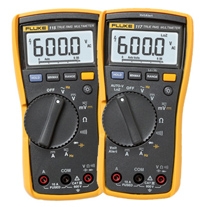
Credit: www.transcat.com
Best Applications For Each Model
Choosing the right digital multimeter depends on the specific tasks and environments you face. The Fluke 117, 115, and 116 models each offer unique features and benefits suited to different needs. Understanding the best applications for each model helps professionals select the perfect tool for their work. This guide highlights the ideal uses for each Fluke multimeter, focusing on their strengths in industrial and electrical testing.
Fluke 117 Suitable Tasks
The Fluke 117 stands out in environments where quick and accurate voltage readings are essential. It is designed for electricians working in commercial and residential settings, offering a blend of speed and precision. The Fluke 117 features comparison shows its integrated non-contact voltage detection, which saves time and improves safety.
Common tasks for the Fluke 117 include:
- Testing voltage in lighting and power circuits
- Checking outlets and switches for proper wiring
- Verifying the presence of AC/DC voltage quickly
- Performing industrial multimeter uses that require fast response
The Fluke 117 is favored in situations demanding high Fluke multimeter accuracy and versatility. Its compact design and bright display make it easy to use in tight spaces. This model is ideal for those who need a reliable tool for routine electrical troubleshooting without extra features that may complicate tasks.
Fluke 115 Suitable Tasks
The Fluke 115 is a general-purpose digital multimeter with a strong reputation for accuracy and durability. It suits a wide range of electrical testing tools requirements, from basic maintenance to advanced diagnostics. Professionals value the Fluke 115 specifications for their balance of functionality and simplicity.
Tasks well-suited for the Fluke 115 include:
- Measuring voltage, current, and resistance in various circuits
- Testing electronic components and devices
- Performing continuity checks and diode tests
- Diagnosing problems in HVAC and automotive systems
This model shines in environments where reliability and straightforward operation matter most. The Fluke 115 Vs 116 battery life comparison reveals the 115 offers longer use between charges, an advantage for fieldwork. Its rugged build handles tough conditions, making it a favorite among technicians needing a dependable, all-around multimeter.
Fluke 116 Suitable Tasks
The Fluke 116 specializes in HVAC applications, offering features tailored to heating, ventilation, and air conditioning professionals. Its unique capabilities set it apart from the other models in the lineup. The Fluke 116 applications focus on temperature measurement and low input voltage detection, essential for HVAC diagnostics.
Ideal tasks for the Fluke 116 include:
- Measuring temperature with built-in thermocouple input
- Testing low voltage circuits in HVAC systems
- Checking continuity and resistance in heating elements
- Using the multimeter as part of routine HVAC maintenance
The Fluke 116 is less suited for general electrical troubleshooting but excels in its niche. It bridges the gap between a clamp meter vs multimeter by offering temperature readings alongside standard electrical tests. Technicians who need specialized HVAC tools find this model indispensable for accurate and efficient work.

Credit: mme-ae.com
FAQs For Fluke 117 Vs 115 Vs 116
What Are The Main Differences Between Fluke 117, 115, And 116?
Fluke 117 offers non-contact voltage detection and low input impedance. Fluke 115 is a general-purpose multimeter. Fluke 116 includes a temperature probe and HVAC-specific features. Each model suits different professional needs, from electricians to HVAC technicians.
Which Fluke Model Is Best For Hvac Professionals?
The Fluke 116 is ideal for HVAC professionals. It includes a built-in temperature probe and low input impedance. These features help diagnose HVAC systems efficiently and accurately, making it the preferred choice in this field.
Can Fluke 117 Detect Voltage Without Contact?
Yes, Fluke 117 features VoltAlert non-contact voltage detection. This allows users to detect live wires safely without touching them. It enhances safety and speed during electrical troubleshooting tasks.
Is Fluke 115 Suitable For Basic Electrical Measurements?
Yes, Fluke 115 is perfect for basic electrical and electronic measurements. It offers accurate voltage, current, and resistance readings. Its compact design suits general electricians and technicians well.
Conclusion
The Fluke 117, 115, and 116 each offer useful features. Choose the Fluke 117 for fast voltage testing in buildings. The Fluke 115 suits general electrical work with solid accuracy. The Fluke 116 is best for HVAC tasks with temperature checks.
Consider your job needs and budget before deciding. All three meters provide reliable readings and good build quality. Your choice depends on the tools you use most. Simple, clear, and dependable tools help finish work well.