How Much Does It Cost to Replace Motorcycle Tires: Ultimate Price Guide

When it’s time to replace your motorcycle tires, one of the first questions on your mind is likely: how much will it cost? You want to keep your bike safe and performing at its best without breaking the bank.
But tire prices can vary a lot depending on what you ride and where you buy. You’ll get clear answers on the costs involved, what affects the price, and how to choose the right tires for your needs. By the end, you’ll feel confident making the best choice for your bike—and your budget.
Keep reading to find out everything you need to know about replacing your motorcycle tires.

Credit: macfoxbike.com
Factors Affecting Tire Cost
Replacing motorcycle tires involves several costs beyond just the price of the tire itself. Understanding the factors affecting tire cost helps riders prepare for the total expense. Prices vary widely due to different specifications and qualities. These factors influence the motorcycle tire replacement cost you will face at a shop or online. Knowing them aids in making smart choices without compromising safety or performance.
Tire Size And Type
Motorcycle tire sizes play a major role in determining cost. Tires come in many sizes to fit various bikes, from small scooters to large cruisers. Larger tires usually cost more because they require more material and specialized manufacturing.
Types of tires also affect price:
- Sport tires offer high grip but tend to be pricier.
- Touring tires focus on durability and comfort, often mid-range in price.
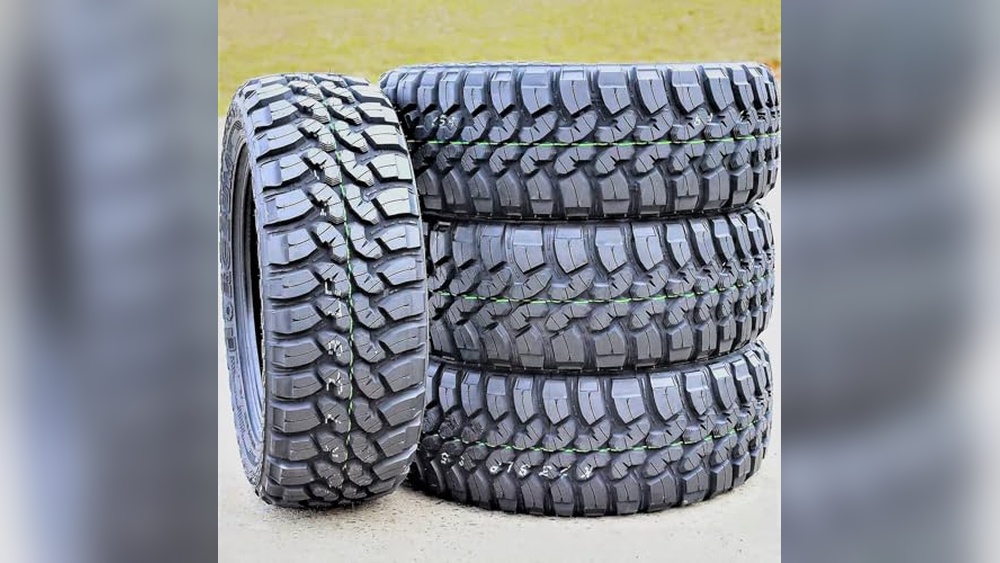
- Off-road tires have aggressive tread and vary widely in cost.
Here is a quick overview:
| Tire Type | Typical Price Range | Use |
|---|---|---|
| Sport | $120 – $250 | High speed, sharp handling |
| Touring | $100 – $180 | Long distance, comfort |
| Off-road | $90 – $200 | Rough terrains |
Always check your bike’s manual for the right tire size. Choosing the correct size ensures safety and proper handling. Incorrect sizes can lead to higher tire installation fees and faster wear.
Brand And Quality
Tire brands significantly influence price. Popular brands often charge more due to their reputation and technology. Premium motorcycle tires from top brands offer better grip, durability, and performance.
Lower-cost alternatives, known as budget motorcycle tires, save money upfront but may wear faster or offer less traction. Quality impacts safety, so balance cost with reliability.
Consider these points when choosing a brand:
- Warranty and customer support
- Reviews on motorcycle tire durability
- Availability of sizes and patterns
- Compatibility with your bike
Here is a simple tire brand comparison table:
| Brand | Price Range | Durability | Performance |
|---|---|---|---|
| Brand A (Premium) | High | Excellent | High grip |
| Brand B (Mid-range) | Medium | Good | Balanced |
| Brand C (Budget) | Low | Fair | Basic grip |
Choosing a trusted brand can reduce long-term costs by lasting longer and providing safer rides.
Tread Pattern
Tire tread patterns affect both cost and performance. Different patterns suit various riding styles and conditions. Complex tread designs often require more precise manufacturing, increasing price.
Common tread types include:
- Sport tread for dry, smooth surfaces
- Touring tread with moderate grooves for wet and dry conditions
- Off-road tread with deep knobs for dirt and mud
Tire tread patterns impact grip, noise, and wear rate. More aggressive patterns may wear faster but provide better traction. Simpler treads can last longer but might perform less well in wet conditions.
Choose a tread pattern based on your riding needs. This choice influences the motorcycle tire replacement cost and how often you replace tires.
Front Vs Rear Tires
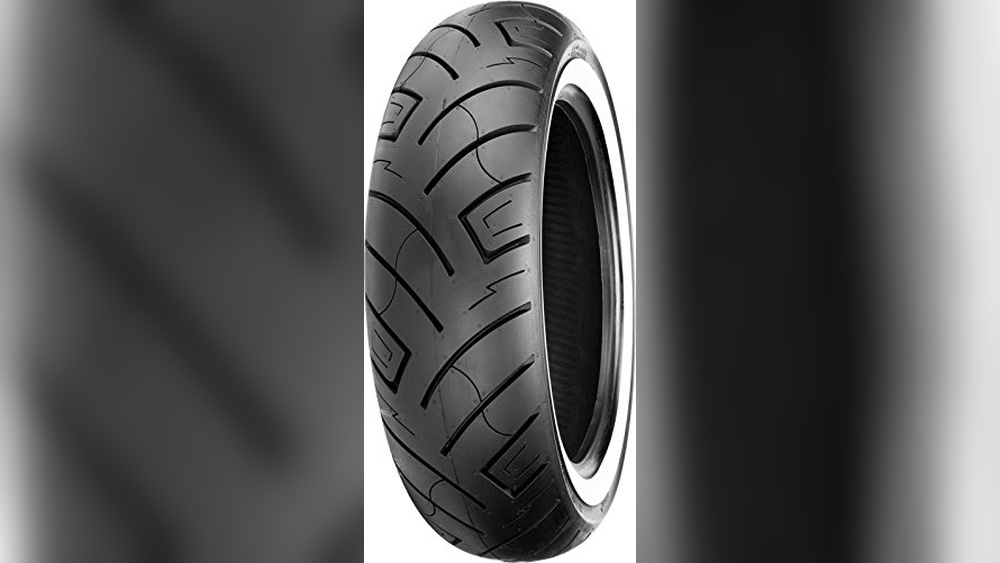
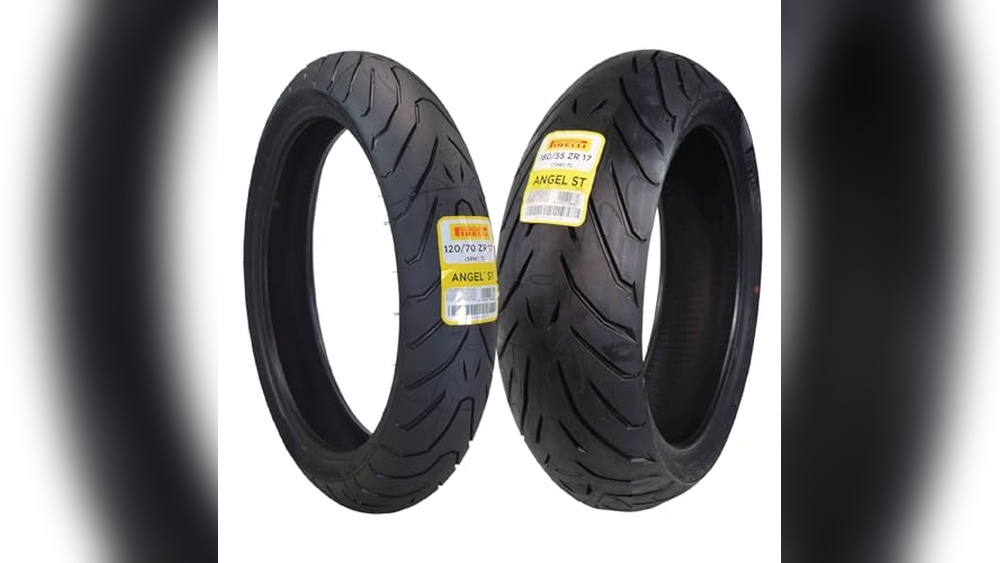
Front and rear tires differ in size, construction, and price. Rear tires generally cost more due to their wider size and higher wear from power delivery.
The rear motorcycle tire cost is often higher because the rear tire handles more weight and traction. Front tires focus on steering and braking, often smaller and less expensive.
Here is a quick comparison:
| Tire Position | Size | Price Range | Role |
|---|---|---|---|
| Front Tire | Smaller, narrower | $80 – $150 | Steering and braking |
| Rear Tire | Larger, wider | $100 – $250 | Power and traction |
Some riders replace only the rear tire due to faster wear, reducing initial costs. Others replace both for balanced performance. Consider front motorcycle tire price and rear costs together to budget properly.
Average Price Range
Replacing motorcycle tires involves varying costs depending on quality and brand. The average price range for motorcycle tires spans from affordable options to high-end performance tires. Understanding these categories helps riders choose tires that fit their budget and riding style. Prices include both the tire cost and the tire installation cost, which can affect the total motorcycle tire replacement cost.
Budget Tires
Budget tires offer the most affordable motorcycle tires available. These tires appeal to riders who want to save money without sacrificing safety. Budget tires come from lesser-known motorcycle tire brands or entry-level lines of popular brands. They provide decent grip and durability but may wear faster than premium options.
Key features of budget tires:
- Lower initial cost, usually between $50 and $100 per tire.
- Basic tread patterns suitable for everyday riding.
- Shorter motorcycle tire lifespan compared to premium tires.
- Often recommended for casual riders or low-mileage bikes.
Here is a simple comparison of budget tire prices:
| Tire Model | Price Range | Lifespan (Miles) |
|---|---|---|
| Brand A Basic | $50 – $70 | 3,000 – 5,000 |
| Brand B Entry | $60 – $90 | 4,000 – 6,000 |
Budget tires keep the cost of motorcycle tires low, but riders should plan for more frequent replacements. Motorcycle tire maintenance is important to extend their life.
Mid-range Tires
Mid-range tires balance price and performance, often the best choice for many riders. These tires come from trusted motorcycle tire brands with proven quality. The price usually ranges from $100 to $180 per tire, including some advanced features.
Benefits of mid-range tires include:
- Improved grip and handling on various surfaces.
- Longer lifespan, typically between 6,000 and 10,000 miles.
- Better resistance to wear and punctures.
- Suitable for daily commuting and weekend rides.
Mid-range tires are a popular choice because they offer a good balance of durability and safety. The motorcycle tire replacement cost includes moderate tire prices plus standard tire installation cost.
| Tire Model | Price Range | Lifespan (Miles) |
|---|---|---|
| Brand C Sport Touring | $120 – $160 | 7,000 – 9,000 |
| Brand D All-Rounder | $110 – $180 | 6,500 – 10,000 |
These tires suit riders who want quality without paying premium prices. Regular motorcycle tire maintenance will keep these tires performing well.
Premium Tires
Premium tires represent the highest quality and performance in the market. These high-performance motorcycle tires come from top-tier motorcycle tire brands and cost between $180 and $300+ per tire. They offer advanced technology for grip, speed, and durability.
Advantages of premium tires:
- Superior traction in wet and dry conditions.
- Longer motorcycle tire lifespan, often 10,000 miles or more.
- Enhanced stability at high speeds.
- Ideal for sport bikes and aggressive riders.
Premium tires also come with a higher tire installation cost due to their complexity and size. Riders investing in these tires get the best motorcycle tires for performance and safety.
| Tire Model | Price Range | Lifespan (Miles) |
|---|---|---|
| Brand E Ultra Grip | $200 – $300 | 10,000 – 15,000 |
| Brand F Race Pro | $220 – $350 | 8,000 – 12,000 |
Choosing premium tires increases the motorcycle tire replacement cost upfront but may reduce long-term expenses. Proper motorcycle tire maintenance will maximize their lifespan and performance.
Additional Replacement Expenses
Replacing motorcycle tires involves more than just buying new tires. The Motorcycle Tire Replacement Cost includes several extra expenses that affect the total amount you pay. These Additional Replacement Expenses cover services like installation, balancing, alignment, and proper disposal of old tires. Understanding these costs helps prepare a realistic budget for your motorcycle’s maintenance.
Installation Fees
Tire Installation Fees are a key part of the overall Motorcycle Tire Replacement Cost. Installing new tires requires skill and special tools. Most shops charge labor fees for this service. These Labor Costs For Tire Change can vary based on the shop, location, and motorcycle type.
Typical installation fees include:
- Removing old tires
- Mounting new tires on the rims
- Inflating tires to the correct pressure
- Checking for leaks or damage
Here is an example table showing common installation fee ranges:
| Service | Typical Cost Range |
|---|---|
| Basic Tire Installation | $20 – $50 per tire |
| Premium or Specialty Tires | $50 – $100 per tire |
Choosing quality Motorcycle Tire Brands Pricing can affect installation complexity. Some tires require more time and care, increasing labor costs.
Balancing And Alignment
Motorcycle Tire Balancing and Wheel Alignment Charges are often separate from installation fees. These services improve safety and tire life. Balanced tires reduce vibration and wear. Proper alignment keeps the motorcycle stable and responsive.
Balancing involves attaching small weights to the wheel rim to even out weight distribution. Alignment adjusts the wheels to the correct angle. Both steps are part of standard Tire Maintenance Expenses.
- Balancing cost: $10 – $30 per tire
- Alignment cost: $40 – $80 per session
Skipping balancing or alignment can cause:
- Uneven tire wear
- Poor handling
- Increased fuel consumption
Regular balancing and alignment keep your motorcycle safe and smooth. Expect these costs to add up but pay off in performance and tire durability.
Disposal Charges
Old tires need proper disposal to protect the environment. Many shops charge a Tire Disposal Fee. This fee covers removing and recycling old tires safely. It is a small but necessary part of the Motorcycle Wheel Service Cost.
Disposal charges usually range from $2 to $10 per tire. Some shops include this in the total price, while others list it separately.
- Proper disposal prevents environmental damage
- Illegal dumping can result in fines
- Recycling old tires supports sustainability
Check with the service provider about disposal fees before agreeing to the service. This helps avoid surprises on the final bill.

Credit: windone.com
Diy Vs Professional Replacement
Replacing motorcycle tires is an essential part of motorcycle maintenance. Deciding between a DIY motorcycle tire change and professional tire mounting affects both cost and safety. Understanding the motorcycle tire prices and the effort involved helps in making the right choice. This section compares the two options: doing it yourself or hiring a professional service.
Tools Required For Diy
Doing a DIY motorcycle tire change needs several specialized tools. These tools make the process easier and safer. Without proper motorcycle tire tools, the job can become difficult or cause damage to the tire or rim.
Here are the main tools required for a DIY tire replacement:
- Tire irons or levers: Used to remove and install the tire on the rim.
- Valve core remover: Helps to release air from the tire.
- Bead breaker: Breaks the tire bead from the rim.
- Air compressor or pump: To inflate the tire after installation.
- Tire balancing motorcycle stand: Helps balance the tire after installation for a smooth ride.
- Wheel weights: Used for balancing the tire properly.
Using these tools correctly reduces the motorcycle tire maintenance cost by avoiding damage. Below is a simple table showing essential tools and their purposes:
| Tool | Purpose |
|---|---|
| Tire Irons | Remove and install tires |
| Valve Core Remover | Release air from tire |
| Bead Breaker | Separate tire bead from rim |
| Air Compressor | Inflate tire after installation |
| Balancing Stand & Wheel Weights | Balance tire for smooth ride |
Having the right tools is the first step to a successful motorcycle tire installation.
Risks Of Self-installation
Choosing a DIY approach carries several risks of DIY tire replacement. Without experience, mistakes can lead to safety problems and extra expenses. Improper installation may cause tire failure on the road.
Common risks include:
- Incorrect tire seating: The tire may not sit properly on the rim, causing air leaks.
- Improper balancing: Poor balance leads to vibrations and unstable handling.
- Damaging the tire or rim: Using wrong tools or force can cause damage.
- Inadequate inflation: Wrong tire pressure affects performance and tire life.
- Personal injury: Handling heavy tires and tools without skill can cause accidents.
These risks can increase the overall motorcycle tire replacement cost. Mistakes might require professional repair or buying a new tire. Safety is critical, especially for motorcycle riders.
Below is a list of issues from poor DIY installation:
- Air leaks causing flat tires
- Unbalanced tires causing wobble
- Premature tire wear
- Potential accidents due to tire failure
Benefits Of Professional Service
Professional tire service offers many advantages over DIY. Experts have experience and tools for proper motorcycle tire installation and tire balancing motorcycle. They ensure safety and performance.
Main benefits of professional tire service include:
- Proper mounting and balancing: Experts use machines to mount and balance tires accurately.
- Time-saving: Professionals complete the job quickly without stress.
- Guaranteed safety: Correct installation reduces risk of tire failure.
- Access to additional services: Tire inspection, valve checks, and wheel alignment.
- Warranty on work: Many shops offer guarantees on their service.
Though professional tire mounting costs more upfront, it lowers long-term motorcycle tire maintenance cost. It also protects the rider from safety hazards.
Here is a comparison of cost and benefits:
| Service Type | Cost Range | Key Benefit | Risk Level |
|---|---|---|---|
| DIY Motorcycle Tire Change | Low (Tools + Time) | Lower initial cost | High (Safety & Damage) |
| Professional Tire Service | Medium to High | Safe, fast, and reliable | Low |
Tips To Save On Tire Replacement
Replacing motorcycle tires can be costly, but smart choices help reduce expenses. Tips to save on tire replacement focus on timing, buying methods, and selecting the right tires. Understanding tire pricing factors and tire installation fees can lower the motorcycle tire replacement cost significantly. These savings make it easier to maintain safety and performance without overspending.
Seasonal Discounts
Seasonal tire discounts often provide the best opportunities to save. Many shops and online stores offer seasonal tire discounts during off-peak times, such as late fall or early spring. These sales help reduce the cost of premium motorcycle tires and budget motorcycle tire options alike.
Look for:
- Winter clearance sales
- Holiday promotions
- End-of-season offers
These discounts may reduce both the tire price and tire installation fees. Tracking these sales can cut the motorcycle tire replacement cost by 10-30%.
| Season | Common Discounts | Best For |
|---|---|---|
| Winter | 15-25% off on summer tires | Riders who replace tires before spring |
| Spring | 10-20% off on all-season tires | Those upgrading for summer rides |
| Fall | 20-30% off on select brands | Riders preparing for winter storage |
Planning tire replacement during these times lowers overall expenses and offers access to better brands at reduced prices.
Buying In Sets
Buying motorcycle tires in sets is another way to save money. Many shops give discounts for purchasing both front and rear tires together. This method helps lower the tire installation fees and often reduces the price per tire.
Advantages of buying in sets:
- Bulk discounts from retailers
- Reduced installation fees compared to separate visits
- Better matching of tire types and tread patterns
- Improved safety and performance
Sometimes, buying only one tire can cost more per unit. Here’s a comparison:
| Purchase Type | Cost Per Tire | Tire Installation Fees | Total Estimated Cost |
|---|---|---|---|
| Single Tire | $120 | $40 | $160 |
| Set of Two Tires | $110 | $60 | $280 |
Buying sets often leads to better deals on motorcycle tire brands and may improve tire durability and lifespan by ensuring matched tires.
Choosing The Right Tires
Choosing motorcycle tire types wisely impacts cost and performance. Knowing the differences between sport, touring, and off-road tires helps match tires to your riding style and budget. This choice affects the cost of premium motorcycle tires and budget options.
Consider these factors:
- Tire Durability And Lifespan: Longer-lasting tires save money over time.
- Tire Pricing Factors: Brand, size, and tread design influence price.
- Riding Conditions: Choose tires suited for weather and terrain.
Budget motorcycle tire options may suit casual riders. Premium tires offer better grip and longer life but cost more upfront.
Tips for choosing the right tires:
- Check manufacturer recommendations for tire size and type
- Balance between cost and performance needs
- Read reviews about tire durability and grip
- Consider your regular riding environment
Making an informed choice reduces frequent replacements and lowers overall expenses related to the motorcycle tire replacement cost.
Signs You Need New Tires
Knowing how much it costs to replace motorcycle tires is important, but recognizing the signs you need new tires is even more critical. Riding on worn or damaged tires puts your safety at risk and can lead to costly repairs. Regular motorcycle tire maintenance helps extend the motorcycle tire lifespan, but tires will eventually need replacement. Watch for clear signals from your bike to avoid motorcycle handling problems and ensure motorcycle tire safety.
Tread Wear Indicators
Tread wear indicators are small raised bars found inside the grooves of your tire tread. They show how much tread remains and help you judge if the tire is safe to ride on. When the tread wears down to these bars, it means the tire has reached its limit.
- Check the tread depth regularly using a tread depth gauge or the built-in indicators.
- Different motorcycle tire types have varying tread patterns, but all come with wear indicators.
- Worn tread reduces grip, especially on wet roads, increasing the risk of accidents.
Use the table below to understand safe tread depths:
| Tread Depth | Condition | Action |
|---|---|---|
| Above 2 mm | Good | No replacement needed |
| At 2 mm (wear indicators) | Limit reached | Prepare for replacement |
| Below 2 mm | Unsafe | Replace immediately |
Ignoring motorcycle tire wear indicators can lead to poor performance and higher motorcycle tire replacement cost due to damage from accidents.
Cracks And Damage
Damaged motorcycle tires often show cracks, cuts, or punctures on the sidewalls or tread. These issues weaken the tire’s structure and increase the chance of failure.
Common signs of motorcycle tire cracks and damage include:
- Small cracks along the tire sidewalls or between tread blocks
- Bulges or bubbles indicating internal damage
- Visible cuts, nails, or foreign objects embedded in the tire
- Uneven or excessive wear spots
Exposure to sun, heat, and chemicals accelerates cracking and aging. Older tires, even with good tread, can become unsafe.
Regularly inspect tires during motorcycle tire maintenance to detect damage early. Replace tires showing cracks or other damage to avoid accidents and expensive repairs.
Remember, motorcycle tire pricing varies by brand and type, but safety should never be compromised to save money.
Handling Issues
Motorcycle handling problems often signal the need for new tires. Tires directly affect your bike’s stability, braking, and cornering.
Signs of handling problems include:
- Vibration or wobbling at certain speeds
- Reduced grip or slipping on corners
- Difficulty braking or longer stopping distances
- Poor response or steering feedback
These problems can stem from worn or damaged tires or improper inflation. Tires beyond their motorcycle tire lifespan lose elasticity and grip.
Check tire pressure often and look for uneven wear patterns during motorcycle tire maintenance. Addressing issues early prevents accidents and reduces motorcycle tire replacement cost over time.
In short, handling issues are a clear warning to inspect and likely replace your tires to maintain motorcycle tire safety.

Credit: us.rabaconda.com
FAQs For How Much Does It Cost to Replace Motorcycle Tires
How Much Do Motorcycle Tires Typically Cost?
Motorcycle tires usually range from $100 to $300 each. Prices vary by brand, tire type, and size. High-performance or specialty tires can cost more. Always consider quality and durability when choosing replacement tires for safety and performance.
What Factors Affect Motorcycle Tire Replacement Cost?
Tire cost depends on tire size, type, brand, and tread design. Labor charges for installation also impact total cost. Additional services like balancing and valve replacement may increase expenses. Location and shop rates can further influence price differences.
How Often Should Motorcycle Tires Be Replaced?
Motorcycle tires generally last 3,000 to 15,000 miles. Replace tires if tread depth is below 2/32 inch or if cracks appear. Age and riding conditions also affect tire lifespan. Regular inspections ensure timely and safe tire replacements.
Can I Replace Motorcycle Tires Myself?
Yes, but it requires specific tools and skills. Improper installation risks safety and tire damage. Many riders prefer professional services for correct mounting, balancing, and alignment. DIY replacement saves money but demands caution and experience.
Conclusion
Replacing motorcycle tires costs vary by brand, size, and type. Choose tires that fit your bike and riding style. Regular tire checks help avoid sudden expenses. Budget for both tires and installation fees. Quality tires improve safety and riding comfort.
Taking care of tires extends their life and saves money. Plan tire replacement ahead to prevent surprises. Safe rides depend on good tires. Keep your bike ready for the road.