Motorcycle Tire Wear Chart: Ultimate Guide to Maximize Tire Life

Are you keeping a close eye on your motorcycle tires? Knowing how your tires wear down is key to staying safe and getting the best performance from your ride.
But reading tire wear isn’t always straightforward. That’s where a motorcycle tire wear chart comes in—it helps you understand exactly what your tires are telling you. You’ll discover how to use a tire wear chart to spot problems early, extend your tire life, and avoid costly repairs.
Keep reading, and you’ll learn the simple steps to protect yourself and your bike on every ride.
Tire Wear Patterns
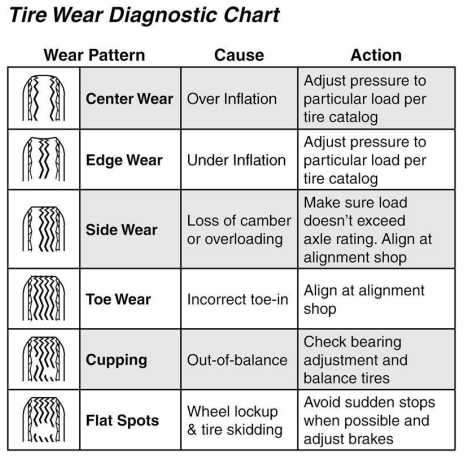
Understanding Tire Wear Patterns helps maintain motorcycle safety and performance. Different wear types reveal issues in tire use or bike setup. Regularly checking Motorcycle Tire Tread Depth and Tire Wear Indicators guides timely tire replacement. Recognizing wear patterns prevents accidents and extends Motorcycle Tire Lifespan. This section explains common wear types: center wear, edge wear, cupping and scalloping, and sidewall damage.
Center Wear
Center wear appears as a smooth, flat strip along the middle of the tire tread. This pattern happens when tires run with high tire pressure impact or mostly ride straight without leaning. Excess pressure causes the tire to bulge, wearing the center faster than edges.
Signs of center wear include:
- Reduced tire grip and traction on straight roads.
- Shorter motorcycle tire lifespan due to uneven rubber loss.
- Visible flattening of the tire’s center tread.
Common uneven tire wear causes linked to center wear:
- Overinflated tires.
- Long highway rides without curves.
- Incorrect suspension settings.
Fixing center wear involves maintaining correct tire pressure and riding with varied cornering. Checking pressure with a gauge often helps avoid this wear.
Edge Wear
Edge wear shows as worn tread on the tire sides, while the center remains less used. This happens from frequent cornering or underinflated tires. Low pressure causes edges to carry more load, wearing faster than the center.
Effects of edge wear include:
- Less control during turns due to reduced tire grip and traction.
- Increased risk of slips on curves.
- Visible tread wear on shoulder areas.
Key uneven tire wear causes for edge wear:
| Cause | Effect |
|---|---|
| Underinflated tires | Edges bear more weight |
| Aggressive cornering | Wear on tire shoulders |
| Improper wheel alignment | Uneven edge pressure |
Correcting edge wear requires keeping proper tire pressure and adjusting riding style. Regular tire maintenance tips include checking pressure and balancing wheels.
Cupping And Scalloping
Tire cupping symptoms appear as high and low spots or dips along the tire tread. This uneven wear causes a bumpy ride and noisy tires. Cupping and scalloping occur due to suspension problems or unbalanced tires.
Signs to watch for:
- Vibrations felt through the handlebars.
- Uneven motorcycle tire tread depth along the tire.
- Noise from the tire during riding.
Common uneven tire wear causes for cupping:
- Worn suspension components.
- Unbalanced wheels.
- Loose wheel bearings.
Fix cupping by inspecting suspension and balancing tires regularly. This improves ride comfort and extends motorcycle tire lifespan.
Sidewall Damage
Tire sidewall cracks or cuts signal sidewall damage. This damage weakens tire structure and increases blowout risk. Sidewall damage often results from impacts, age, or poor tire maintenance tips.
Warning signs include:
- Visible cracks or bulges on tire sides.
- Loss of air pressure without leaks.
- Reduced tire grip and traction during turns.
Sidewall damage causes:
| Cause | Effect |
|---|---|
| Hitting curbs or potholes | Physical sidewall damage |
| Old tires | Sidewall cracks and dry rot |
| Overloaded bike | Increased sidewall stress |
Prevent sidewall damage by avoiding road hazards and following tire maintenance tips. Replace tires showing cracks or bulges to stay safe.
Credit: www.ptrailerusa.com
Factors Influencing Wear
Understanding the factors influencing wear on motorcycle tires helps extend tire lifespan and maintain safety. Motorcycle tires wear out at different rates depending on how you ride, road quality, tire pressure, and the weight carried. These elements affect tire wear indicators and the overall motorcycle tire wear patterns. Monitoring these factors improves grip and traction and prevents early tire replacement. Proper knowledge of these influences supports better tire maintenance tips and enhances riding confidence.
Riding Style
Riding style plays a major role in how quickly tires wear down. Aggressive riding, such as hard acceleration, sharp cornering, and sudden braking, increases friction between the tire and the road. This leads to faster reduction in tire tread depth and uneven motorcycle tire wear patterns.
- Aggressive acceleration creates more heat and wears the rear tire faster.
- Sharp turns stress the tire edges, causing edge wear visible on tire wear indicators.
- Frequent braking wears the front tire tread quickly.
In contrast, smooth and steady riding helps preserve tire life. Consistent speed and gentle cornering keep grip and traction balanced and wear even. Adjusting your riding habits impact on tires improves safety and stretches tire use.
| Riding Style | Effect on Tire Wear |
|---|---|
| Aggressive | Fast wear, uneven tread loss |
| Moderate | Balanced wear, longer lifespan |
| Conservative | Slow wear, even tread depth |
Road Conditions
Road surface quality greatly affects how tires wear. Rough, uneven, or gravel roads create more friction and abrasion. This speeds up tread loss and can damage tire structure. Pavement types effect is seen in the way tires grip and wear.
- Asphalt usually causes moderate wear with good traction.
- Concrete may cause faster tread wear due to rough texture.
- Gravel and dirt increase the risk of cuts and uneven wear.
Wet or oily roads reduce grip and traction, causing slippage and uneven tire wear. Tire tread depth decreases faster on harsh surfaces. Regular inspection helps detect wear caused by road conditions early.
| Road Type | Impact on Tire Wear |
|---|---|
| Smooth Asphalt | Normal wear, good traction |
| Rough Concrete | Faster tread wear |
| Loose Gravel | Increased tire damage risk |
| Wet Surfaces | Uneven wear, reduced grip |
Tire Pressure
Maintaining optimal tire pressure is crucial for balanced load distribution and tire wear. Underinflated tires contact more road surface, increasing heat and wear. Overinflated tires wear faster in the center of the tread.
Proper pressure helps preserve tire tread depth evenly and improves grip and traction. Incorrect pressure leads to poor handling and uneven motorcycle tire wear patterns. Check tire pressure regularly to match manufacturer recommendations.
- Underinflation: causes edge wear and tire overheating.
- Overinflation: causes center tread wear and reduced traction.
- Correct pressure: maximizes tire lifespan and safety.
Use a quality gauge to check pressure before every ride. Adjust pressure based on load and riding conditions for best results.
Load And Weight
Excess load affects load distribution on tires, causing faster wear. Carrying heavy passengers or luggage increases pressure on the tires. This wears down the tread faster and can cause irregular wear shapes.
Proper tire maintenance includes balancing load and ensuring tires are rated for the weight carried. Overloading reduces tire lifespan and damages tire structure, visible on tire wear indicators.
- Heavy load: increases tire pressure and heat.
- Uneven load: causes one side to wear faster.
- Recommended load: ensures even wear and better traction.
Keep weight within tire limits and distribute it evenly. This protects tires and improves riding safety and comfort.
Tread Depth And Safety
Understanding tire tread depth is vital for motorcycle safety and performance. Tread depth influences how well your tires grip the road, especially in wet or slippery conditions. Proper tread depth helps maintain control, reduces stopping distance, and prevents accidents. Using a Motorcycle Tire Wear Chart can show you when to replace tires before they become unsafe.
Measuring Tread Depth
Measuring tire tread depth is simple and essential. It tells you how much of the tire’s rubber compound remains. This measurement helps predict the motorcycle tire lifespan and ensures safety on the road. Use a tread depth gauge or a coin to check the depth regularly.
- Clean the tire surface to get an accurate reading.
- Insert the tread depth gauge into the grooves of the tire.
- Note the reading in millimeters or 32nds of an inch.
- Check multiple spots around the tire for even wear.
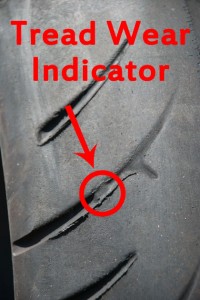
Tires also have tire wear indicators molded into the grooves. When the tread reaches these indicators, it means the tire has worn down to the legal tire tread limit.
| Depth (mm) | Condition | Action |
|---|---|---|
| Above 3 mm | Good tread depth | Safe for use |
| 2 to 3 mm | Moderate wear | Plan for replacement soon |
| Below 2 mm | Critical wear | Replace immediately |
Minimum Legal Requirements
Every region sets rules for the minimum legal requirements of tire tread depth. These laws protect riders by ensuring tires have enough grip. Riding with tread below the legal limit risks fines and accidents.
The typical legal tire tread limit is around 1.6 mm (2/32 inch) in many countries. Riding below this limit reduces the tire’s ability to channel water and maintain traction.
- Check local tire safety standards for exact limits.
- Replace tires before reaching the legal limit to stay safe.
- Ignoring worn tires can cause loss of control in wet conditions.
Understanding these rules helps you maintain your motorcycle safely and avoid legal problems. Regular inspections are part of good tire maintenance tips.
Impact On Traction
Traction and grip depend heavily on tire tread depth. Deeper tread helps tires hold the road better, especially on wet or uneven surfaces. As the rubber compound wears down, traction decreases.
Reduced traction affects acceleration, cornering, and braking. Worn tires increase stopping distances and risk of slipping. Tire tread channels water away, preventing hydroplaning. Low tread depth fails at this task.
- Proper tread depth improves contact with the road surface.
- Worn tires reduce the effectiveness of tire pressure effects on grip.
- Replacing tires at the right time ensures consistent traction.
Signs of poor traction include sliding during turns and longer stops. Watching these signs helps identify tire replacement signs early. Maintaining good tread keeps riders safer and improves bike handling.
Tire Maintenance Tips
Understanding tire maintenance tips helps extend your motorcycle tire lifespan and ensures safer rides. Paying attention to tire wear patterns and using a tire maintenance checklist can prevent unexpected problems on the road. Proper care keeps your tires in good shape and improves performance. This section explains key steps for maintaining your motorcycle tires effectively.
Regular Inspections
Regular inspections are vital for spotting early signs of damage and uneven tire wear patterns. Check your tires at least once a week, focusing on the following points:
- Look for cuts, cracks, or punctures on the tire surface.
- Examine the motorcycle tire tread depth to ensure it meets safety standards.
- Identify worn-out areas using tire wear indicators built into the tread.
- Check for bulges or deformities that might affect handling.
Use this simple table to track your inspections:
| Inspection Item | Check Frequency | Notes |
|---|---|---|
| Tread Depth | Weekly | Use a tread depth gauge or visual markers. |
| Surface Damage | Weekly | Look for cuts, cracks, or embedded objects. |
| Tire Pressure | Before every ride | Helps maintain even wear and safety. |
Document your findings to track any changes in tire condition. Early detection of issues reduces risks and improves tire life.
Proper Inflation
Maintaining correct tire pressure maintenance is essential to prevent uneven wear and improve fuel efficiency. Underinflated or overinflated tires cause poor handling and faster tire wear. Check tire pressure before every ride using a reliable gauge.
Follow these tips for proper inflation:
- Find the recommended tire pressure in your motorcycle manual or on the tire sidewall.
- Measure pressure when tires are cold for accuracy.
- Adjust pressure according to load and riding conditions.
- Recheck pressure regularly during long trips.
Here is a quick reference for typical tire pressure values:
| Motorcycle Type | Front Tire (psi) | Rear Tire (psi) |
|---|---|---|
| Sport Bikes | 36-42 | 42-46 |
| Cruisers | 30-36 | 36-42 |
| Touring Bikes | 32-38 | 38-44 |
Proper inflation improves grip and reduces tread wear analysis problems. It also enhances comfort and safety.
Balancing And Alignment
Correct wheel alignment motorcycle and tire balancing reduce uneven tire wear and vibrations. Unbalanced tires cause shaking and stress on the suspension. Misalignment leads to rapid wear on one side of the tire.
Follow these steps to keep your wheels aligned and tires balanced:
- Get professional tire balancing during installation or when you feel vibrations.
- Check wheel alignment periodically, especially after hitting bumps or potholes.
- Use proper tire balancing techniques like adding weights or adjusting spokes.
- Inspect suspension components for wear that might affect alignment.
Regular balancing and alignment improve handling and extend your motorcycle tire lifespan. They also contribute to even tire wear patterns, making tread last longer.
Storage Practices
Proper storage protects tires from damage and preserves their quality. Tires degrade faster if exposed to sunlight, heat, or moisture. Good tire storage tips help maintain tire flexibility and prevent cracking.
Keep these points in mind for storing motorcycle tires:
- Store tires in a cool, dark, and dry place.
- Avoid direct sunlight or exposure to ozone from electric motors.
- If possible, store tires off the ground using racks or shelves.
- Keep tires away from chemicals, oils, or solvents.
- Store tires upright rather than stacked to avoid deforming.
Use a tire maintenance checklist for storage:
1. Clean tires before storage. 2. Inspect for damage. 3. Store in sealed bags if long-term. 4. Rotate position every few months.Good storage practices slow down aging and keep tires ready for safe rides.
When To Replace Tires
Knowing when to replace tires is vital for safe motorcycle riding. Tires wear out over time, affecting grip and control. A Motorcycle Tire Wear Chart helps track tire condition, but you also must watch for other signs. Timely replacement avoids accidents and costly repairs. Understanding tire wear, age, and manufacturer guidelines ensures better riding safety and performance.
Signs Of Excessive Wear
Check your tires regularly for excessive wear. The most obvious sign is reduced tread depth. Most tires have Tire Wear Indicators—small raised bars in the grooves. When the tread wears down to these bars, it means the tire needs replacement.
- Low tread depth: Less than 1/32 inch (0.8 mm) is unsafe.
- Uneven tire wear causes: Look for bald spots, cupping, or feathering.
- Cracks or cuts: Any damage on the sidewall or tread can be dangerous.
- Flat spots: Result from skidding or improper tire pressure.
Use a simple ruler or tread depth gauge to measure depth. Below is a quick guide:
| Tread Depth (mm) | Condition | Action |
|---|---|---|
| > 3 | Good | Safe to ride |
| 1.5 – 3 | Worn | Plan replacement soon |
| < 1.5 | Critical | Replace immediately |
Ignoring these signs increases accident risk. Regularly follow Tire Maintenance Tips like checking pressure and alignment to prevent uneven wear.
Age And Material Degradation
Tires degrade over time, even if tread depth looks okay. Tire Aging Effects come from heat, sunlight, and oxygen breaking down the rubber. This leads to cracks and loss of flexibility.
Most manufacturers suggest replacing tires every 5 to 6 years, regardless of use. Rubber Compound Degradation lowers grip, increasing stopping distance and reducing control.
Look for signs of aging:
- Cracks on sidewalls or tread surface
- Hard or brittle rubber
- Bulges or deformities
The tire’s manufacture date is on the sidewall as a 4-digit code. For example, “2319” means the 23rd week of 2019. Use this to track the Motorcycle Tire Lifespan.
Proper storage can slow aging. Keep tires away from sunlight, heat, and chemicals. Follow Tire Maintenance Tips to extend life but never ignore age limits.
Manufacturer Recommendations
Always check your bike’s Manufacturer Tire Specifications. These include the correct tire size, pressure, and replacement guidelines. Following these helps maintain safety and performance.
Most manufacturers provide clear rules on:
- Minimum Motorcycle Tire Tread Depth
- Tire Rotation Guidelines if applicable
- Recommended replacement intervals based on mileage and age
Ignoring these can cause poor handling or tire failure. Use correct tire pressure to avoid Tire Pressure Impact on wear patterns. Under or over-inflation causes uneven wear and shortens tire life.
Consult your owner’s manual or tire manufacturer website for details. Keeping up with their advice ensures your tires last as expected and stay safe on the road.
Credit: www.chapmoto.com

Credit: www.southbayriders.com
Frequently Asked Questions
What Causes Uneven Motorcycle Tire Wear?
Uneven tire wear usually results from improper inflation, misalignment, or suspension issues. Regularly check tire pressure and wheel alignment. Proper maintenance ensures even wear and extends tire life. Riding style and road conditions also impact wear patterns.
How To Read A Motorcycle Tire Wear Chart?
A tire wear chart shows tread depth and wear patterns. Compare your tire’s tread to the chart indicators. It helps identify when to replace tires for safety. Regular checks prevent accidents caused by worn-out tires.
When Should Motorcycle Tires Be Replaced?
Replace tires when tread depth reaches 1-2 mm or shows damage. Worn tires reduce grip and increase accident risk. Check for cracks, bulges, or uneven wear regularly. Timely replacement ensures safe and smooth rides.
Can Tire Wear Affect Motorcycle Handling?
Yes, worn tires reduce traction and stability. This leads to poor handling, especially in wet conditions. Proper tread depth maintains grip for safe cornering and braking. Regular tire inspection improves overall ride quality.
Conclusion
Knowing how to read a motorcycle tire wear chart helps keep you safe. Tires wear out in different ways. Checking them often can stop accidents. Worn tires reduce grip and control. Replace tires when they reach the wear limit. Good tire care saves money and improves riding.
Stay alert to changes in tire condition. Regular checks help you enjoy every ride with confidence. Keep your bike ready and your rides smooth. Tire wear charts are simple tools to guide you. Use them to ride safer and smarter.