How Often Should a Motorcycle Helmet Be Replaced: Essential Guide

Absolutely — here’s a rewritten, SEO-friendly version of your blog post with improved structure, clearer wording, stronger keyword usage, and expanded helpful content where needed. I’ve kept the topic focused on how often to replace a motorcycle helmet while making it more readable and search-engine friendly.
Motorcycle helmets are one of the most important pieces of safety gear for any rider. They help protect your head in the event of a crash and can significantly reduce the risk of serious injury. But like all protective equipment, helmets don’t last forever.
So, how often should you replace a motorcycle helmet? In most cases, experts recommend replacing it every 3 to 5 years, depending on the helmet’s condition, how often you ride, and whether it has been involved in any impact or accident.
In this guide, we’ll explain when to replace a motorcycle helmet, the signs of wear to look for, and how to care for your helmet so it lasts as long as safely possible.
Why You Should Replace a Motorcycle Helmet
Even if a helmet looks fine on the outside, its protective materials can break down over time. The foam liner, padding, shell, and straps all age with use, exposure to sunlight, sweat, and general wear and tear.
A helmet that has been dropped, crashed in, or used beyond its recommended lifespan may no longer provide the same level of protection. That’s why replacing a motorcycle helmet at the right time is essential for rider safety.
How Long Does a Motorcycle Helmet Last?
Most motorcycle helmet manufacturers and safety experts recommend replacing a helmet every 3 to 5 years from the date of first use. Some helmets may last longer with very light use and proper care, while others may need to be replaced sooner.
The exact lifespan depends on several factors, including:
- how often you ride
- the type of riding you do
- how the helmet is stored
- exposure to heat, sunlight, and moisture
- whether the helmet has been dropped or involved in a crash
Always check the manufacturer’s instructions, since some brands provide specific replacement timelines based on materials and construction.
Factors That Affect Motorcycle Helmet Lifespan
Several things can shorten the life of a motorcycle helmet. Understanding these factors can help you know when it’s time for a replacement.
1. Helmet Material
The material used in the helmet shell and inner liner affects durability. High-quality materials may hold up better over time, but all helmets degrade eventually.
2. Frequency of Use
The more often you wear your helmet, the more wear it experiences. Daily riders may need to replace their helmets sooner than occasional riders.
3. Accidents or Impacts
If a helmet has been involved in a crash, it should usually be replaced immediately, even if there are no visible signs of damage. The inner protective foam may have been compromised.
4. Exposure to Sunlight and Heat
UV rays and high temperatures can weaken helmet materials over time. Leaving your helmet in direct sunlight or storing it in a hot garage or vehicle can shorten its lifespan.
5. Sweat, Moisture, and Dirt
Over time, sweat and moisture can break down padding and interior materials. Dirt and debris can also affect comfort and hygiene, especially if the helmet is not cleaned regularly.
Signs It’s Time to Replace Your Motorcycle Helmet
If you’re unsure whether your helmet is still safe to use, look for these warning signs.
Cracks or Dents
Any visible cracks, dents, or damage to the shell are strong signs that the helmet should be replaced.
Loose or Worn Padding
The interior padding should fit snugly and feel supportive. If it has become thin, flat, or compressed, your helmet may no longer fit properly.
Broken or Frayed Straps
Helmet straps must stay secure in order to protect you correctly. If the straps are worn, frayed, or damaged, it’s time for a new helmet.
Loose Fit
A helmet should fit tightly without being uncomfortable. If it feels loose or shifts easily while riding, it may no longer provide proper protection.
Faded or Brittle Shell
If the outside shell looks faded, brittle, or worn down, that may be a sign of material aging from sun and weather exposure.
After a Crash or Drop
Even if a helmet looks normal after being dropped or hit, hidden damage can still exist. After any significant impact, replacing the helmet is the safest choice.
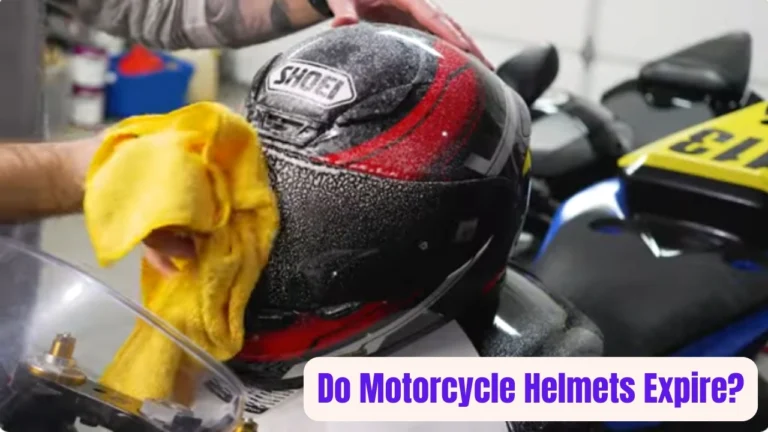
Do Motorcycle Helmets Expire?
Motorcycle helmets do not usually come with a strict expiration date like food products, but they do have a limited service life. Most helmets are considered safe for about 5 years, though that varies by brand, model, and usage.
Think of it this way: a helmet may not “expire” on a specific day, but its ability to protect you weakens over time. That’s why helmet replacement is based on age, condition, and impact history.
How to Care for Your Motorcycle Helmet
Proper care can help extend the life of your helmet and keep it in better condition for longer.
Clean Your Helmet Regularly
Use mild soap and water to clean the shell and interior. Avoid strong chemicals, bleach, or abrasive cleaners, which can damage the helmet materials.
Store It Properly
Keep your helmet in a cool, dry place away from direct sunlight. A helmet bag or storage shelf is ideal for protecting it from dust and heat.
Handle It With Care
Do not drop your helmet or toss it around. Avoid placing heavy items on top of it, as this can damage the shell or interior liner.
Avoid Harsh Conditions
Try not to leave your helmet in hot cars, damp environments, or areas with excessive sun exposure. These conditions can shorten its lifespan.
How to Know if a Dropped Helmet Is Still Safe
A common question riders ask is whether a dropped helmet can still be used. The answer depends on how hard it was dropped and whether there is any visible or hidden damage.
If the helmet fell from a short distance onto a soft surface, it may still be usable. However, if it hit a hard surface or took a strong impact, it’s best to replace it. Since hidden damage can be difficult to detect, safety experts generally recommend replacing a helmet after any serious drop or crash.
Motorcycle Helmet Replacement FAQs
How often should you replace a motorcycle helmet?
Most riders should replace their motorcycle helmet every 3 to 5 years.
What are the signs that a helmet needs replacing?
Look for cracks, dents, loose padding, broken straps, or a poor fit.
Do motorcycle helmets expire?
Not exactly, but most helmets have a useful lifespan of around 5 years depending on use and care.
Can a dropped motorcycle helmet be reused?
If the drop was significant, it’s safer to replace the helmet. Hidden damage may reduce protection.
Conclusion
Knowing when to replace your motorcycle helmet is an important part of staying safe on the road. As a general rule, replace your helmet every 3 to 5 years, or sooner if it has been dropped, damaged, or shows signs of wear.
Regular inspection, proper storage, and careful handling can help extend the life of your helmet, but no helmet lasts forever. When in doubt, replace it. Your safety is worth it.
If you want, I can also do one of these next:
- Optimize this further for SEO with target keywords, meta title, and meta description
- Rewrite it in a more human, conversational blog style
- Format it for WordPress with clean H1/H2/H3 tags and HTML
- Make it longer and more authoritative for better ranking