How to Measure Helmet Size: Ultimate Guide to Perfect Fit

Ensuring your safety while enjoying activities like biking or skateboarding starts with the right gear, and nothing is more crucial than a well-fitting helmet. But how do you measure helmet size correctly?
You might think grabbing a helmet off the shelf is enough, but without the right fit, you’re risking your safety. In this guide, you’ll discover simple steps to measure your helmet size accurately, ensuring the perfect fit and maximum protection.
Imagine the peace of mind you’ll feel, knowing you’ve taken the right steps to protect yourself. Keep reading to equip yourself with the knowledge that could make all the difference.
Read More: How Big Is A 15 Helmet: Size Guide & Measurements Explained
Importance Of Helmet Fit
Wearing the right helmet can save lives. It protects your head in a crash or accident. But a helmet only works if it fits well. An ill-fitting helmet can be dangerous. It might slip off during impact. Or it might not cover your head properly. A snug fit ensures safety and comfort. This guide will help you measure helmet size and understand its importance.
A helmet that fits correctly protects your head effectively. It distributes the force of impact evenly, reducing injury risk. The right fit also means comfort. You can wear it for longer without feeling discomfort.
Why Fit Matters
- Safety:A loose helmet can slip during an accident. A tight helmet may cause headaches.
- Comfort:A well-fitted helmet feels comfortable. It doesn’t press too hard or feel too loose.
- Performance:A proper fit enhances performance. It stays in place during fast rides.
How To Measure Your Head
- Find a flexible tape measure.
- Wrap it around your head, just above your eyebrows.
- Note the circumference in centimeters or inches.
- Compare it with helmet size charts.
Helmet Size Chart
| Head Circumference | Helmet Size |
|---|---|
| 52-54 cm | Small |
| 55-58 cm | Medium |
| 59-61 cm | Large |
| 62-64 cm | Extra Large |
Checking The Fit
Once you have the right size, check the fit:
- Front:It should sit just above your eyebrows.
- Sides:Should not pinch or leave gaps.
- Chin Strap:Should be snug but not tight.
You can also read : How To Tell If Motorcycle Helmet Is Too Small: Expert Tips
Final Thoughts
A helmet is not just gear. It’s protection. Ensuring it fits well is crucial. Measure your head. Check the fit. Stay safe on the road.
Tools Needed For Measurement
Finding the perfect helmet size is crucial for safety and comfort. Using the right tools ensures a proper fit. Whether you’re measuring for a motorcycle helmet or any safety gear, accurate measurement techniques are essential. A helmet fit guide can assist you in achieving the ideal fit. This section explores the tools needed for effective size adjustment and head measurement techniques. Understanding these tools will help you navigate the world of helmet sizing confidently.
Measuring your head for a helmet isn’t complicated, but it does require specific tools. Below are essential items for accurate helmet measurement:
- Flexible Measuring Tape:This tool is crucial for measuring head circumference. It should be soft and easily wrap around your head.
- Mirror:Helps ensure the measuring tape is level and correctly positioned. A mirror allows you to check the fit without assistance.
- Helmet Size Chart:Use this chart to convert your measurements into helmet sizes. A chart is vital for proper helmet fit.
- Assistant:Sometimes, having someone else measure can ensure accuracy. They can help keep the tape level.
Using The Flexible Measuring Tape
To measure your head correctly, follow these steps:
- Wrap the tape around your head just above your eyebrows.
- Ensure the tape is level, using a mirror for assistance.
- Record the measurement in centimeters or inches.
- Refer to the helmet size chart to find your size.
Helmet Size Chart
Once you have your measurement, a helmet size chart helps convert it into a helmet size. Below is a sample chart:
| Head Circumference (cm) | Helmet Size |
|---|---|
| 54-55 | Small |
| 56-57 | Medium |
| 58-59 | Large |
| 60-61 | X-Large |
Ensuring Proper Helmet Fit
Helmet fitting tips can aid in achieving the right fit. After sizing, check these aspects:
- Helmet should sit evenly on your head.
- Straps must be snug but comfortable.
- The helmet should not move excessively.
Safety helmet sizing is vital for protection. Use these tools and techniques for effective motorcycle helmet measurement. Following these steps ensures your helmet fits well, providing both safety and comfort on your rides.
Measuring Head Circumference
Choosing the right helmet is vital for safety. A helmet that fits well provides the best protection. To ensure the best fit, you need to measure your head circumference accurately. Understanding this key measurement helps you find a helmet that offers comfort and safety. Let’s explore how to measure your head size correctly.
Finding The Right Spot
To measure your head circumference, you must locate the correct spot on your head. This spot is usually just above your eyebrows and ears. It’s the widest part of your head. Here’s how you can find it:
- Stand in front of a mirror to see the position clearly.
- Place your finger just above your eyebrows.
- Run your finger around to find the widest point over your ears.
This area is crucial because it ensures the helmet will not be too tight or loose. A helmet that fits this area snugly will provide the best protection in the event of a fall.
Take your time finding this spot. If you have someone to help, they can make sure you are measuring the right place. You can also use a flexible cloth tape measure. This tool makes it easier to find the perfect spot. If you don’t have a tape, a string can work too. Later, you can measure the string with a ruler.
Using A Measuring Tape
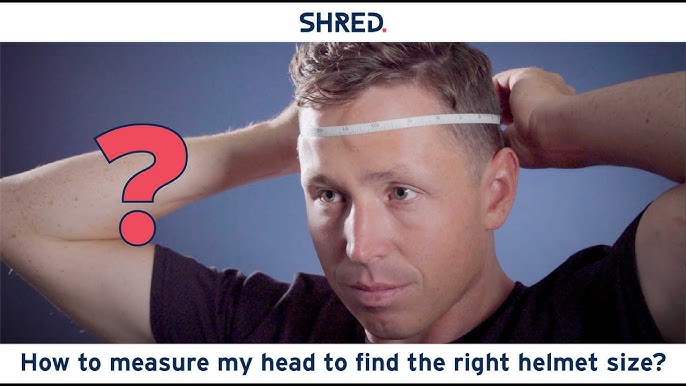
Now that you’ve found the right spot, it’s time to measure. Using a measuring tape is the best method. Follow these steps:
- Wrap the measuring tape around your head at the identified spot.
- Make sure the tape is level all around. It should sit just above your eyebrows and ears.
- Ensure the tape is snug but not too tight. You should feel comfortable.
- Read the measurement where the tape meets itself. Write down this number.
Record your measurement in both centimeters and inches. This makes it easier to find a helmet that fits, as brands may use different units.
Here is a simple table to convert your measurement:
| Inches | Centimeters |
|---|---|
| 21-22 | 53-56 |
| 22-23 | 56-58 |
| 23-24 | 58-61 |
Once you have your measurement, compare it to the helmet size chart. Select a size that matches closely. A well-fitted helmet ensures your safety and comfort. It also helps you enjoy your activities without worry.

Credit: www.troxelhelmets.com
Choosing The Right Size
Choosing the right helmet size is crucial for safety and comfort. A helmet that fits well offers maximum protection and ensures a pleasant experience during activities. The key to a proper helmet fit lies in accurate helmet measurement and understanding helmet size charts. This guide will help you navigate the essentials of helmet sizing, including adjustable helmet features, so you can select the perfect helmet for your needs.
Size Charts Explained
Helmet size charts are essential tools in the helmet sizing guide. These charts help translate head circumference measurements into specific helmet sizes. To measure your head, wrap a flexible tape measure around the widest part of your head, usually just above the eyebrows and ears. This measurement is your head circumference.
Once you have your measurement, consult a helmet size chart. These charts typically list head circumference ranges alongside corresponding helmet sizes. Here’s a simple example:
| Head Circumference (cm) | Helmet Size |
|---|---|
| 50 – 52 | XS |
| 53 – 55 | S |
| 56 – 58 | M |
| 59 – 61 | L |
| 62 – 64 | XL |
Remember, these ranges can vary by brand, so always refer to the specific helmet sizing guide provided by the manufacturer. A helmet size chart is a reliable tool for choosing the right helmet size, ensuring both comfort and safety.
Adjustable Helmets
Adjustable helmets offer flexibility in fitting a helmet to various head sizes. These helmets come with adjustable helmet features such as straps and dial systems. This allows for minor adjustments to achieve a proper helmet fit.
Here’s how adjustable helmet features enhance safety gear sizing:
- Dial Adjustment System:A small dial at the back of the helmet lets you tighten or loosen the fit.
- Adjustable Straps:Straps can be modified to secure the helmet snugly under the chin.
- Removable Padding:Some helmets include padding that can be added or removed for a custom fit.
Adjustable helmets are ideal for those whose head circumference falls between standard sizes. This flexibility ensures the helmet conforms to your head shape, providing optimal protection and comfort. When choosing the right helmet, consider one with adjustable features for ease and adaptability.
Trying On The Helmet
Finding the right helmet size is crucial for safety and comfort. Trying on the helmet is an essential step to ensure it fits perfectly. A helmet should fit snugly without being too tight. It should sit level on your head and not rock back and forth. This step involves careful checking and adjustments, ensuring the helmet provides maximum protection. Follow these guidelines to make sure your helmet is the right size and fits well.
Checking The Fit
Once you have selected a helmet size using a Helmet Size Chart, it’s time to try it on. Start by placing the helmet on your head, ensuring it covers the forehead. The helmet should sit level, not tilted back. To check the fit, use your hands to gently twist the helmet side to side. A proper helmet fit is snug, without causing discomfort.
Consider these Helmet Fitting Tips:
- Your helmet should not move more than an inch when shaken.
- Ensure the helmet covers the top of your head and forehead.
- Check for pressure points or discomfort around the head.
To determine the correct size, use a Measuring Tapeto measure your Head Circumference. Compare this measurement with the Helmet Sizing Guideto ensure accuracy. Here’s a simple table to assist with sizing:
| Head Circumference (inches) | Helmet Size |
|---|---|
| 19 – 20 | Small |
| 21 – 22 | Medium |
| 23 – 24 | Large |
Adjusting The Straps
After ensuring the helmet fits well, focus on adjusting the straps. Adjustable Strapsare key for a secure fit. Start by fastening the chin strap. It should be tight enough to hold the helmet in place, but loose enough to allow comfortable breathing and speaking.
Follow these steps for a Proper Helmet Fit:
- Ensure the strap forms a “V” shape under each ear.
- Adjust the buckle so it fits snugly under the chin.
- Check the length of the straps. They should not be too long or too short.
Adjust the rear straps to stabilize the helmet. This prevents shifting during movement. Safety helmet fitting involves more than just size. Straps play a vital role in keeping the helmet secure. A well-adjusted strap ensures that the helmet stays in place, providing protection and comfort.
Credit: www.youtube.com
Common Sizing Mistakes
Finding the right helmet size is crucial for safety and comfort. A helmet that fits well protects the head better during impacts. Sadly, many people make mistakes when measuring helmet sizes. These mistakes can lead to buying helmets that are too tight or too loose. Understanding common sizing mistakes helps avoid these issues and ensures a proper helmet fit.
1. Ignoring Head Measurement Techniques
One of the most frequent mistakes is overlooking head measurement techniques. People often guess their size instead of using a measuring tape for helmets. To measure head circumference correctly, wrap the tape around the widest part of your head. Make sure it sits above the eyebrows and ears. This technique gives a more accurate measurement.
2. Not Using a Helmet Size Chart
Many skip checking a helmet size chart after measuring. Every brand has different sizing. A medium in one brand might be a large in another. Always compare your head measurement with the brand’s helmet sizing guide. This ensures you choose the right size.
3. Disregarding Helmet Fit Measurement
Some believe that head size is the only factor in choosing a helmet. Helmet fit measurement is just as important. A helmet should fit snugly without being too tight. It should not move around when you shake your head. Try different models and use helmet fitting tips to find the best fit.
4. Overlooking Adjustable Helmet Sizes
Adjustable helmet sizes are often ignored. These helmets have features like dial-fit systems or removable pads. They allow for a more customized fit. This feature is great for growing kids or those in between sizes. Always consider these options for a better fit.
5. Choosing Style Over Safety Helmet Fitting
Style sometimes trumps safety, leading to poor helmet choices. A cool-looking helmet might not provide the best protection. Safety helmet fitting should always be the priority. Ensure the helmet meets safety standards and fits well.
6. Relying on Old Helmet Fitting Tips
People often rely on outdated helmet fitting tips. Helmets and fitting methods have evolved. Stay updated with the latest fitting techniques. This ensures you are using the most effective methods for a proper helmet fit.
You can also read : How To Measure Your Head For A Motorcycle Helmet: Perfect Fit Guide 2025
Maintaining Helmet Fit
Ensuring your helmet fits well is crucial for safety and comfort. Whether you’re measuring for a bike helmet or fitting a motorcycle helmet, a proper helmet sizing can protect you from injuries. Regular checks and understanding when to replace your helmet are key. Maintaining helmet fit means regularly checking the size, adjusting it as needed, and replacing it when it’s no longer safe. This guide will help you keep your helmet in top condition, ensuring your safety on the road.
Regular Checks
Regularly checking your helmet fit is essential. Head circumference measurement can change over time due to various factors such as hair growth or weight changes. Here’s how to ensure your helmet still fits:
- Measure your head:Use a flexible tape measure to check your head circumference. Compare this with a helmet size chart to ensure you have the correct size.
- Inspect the helmet:Check for any visible damage. Cracks or dents can compromise safety.
- Try it on:The helmet should fit snugly without being too tight. Use adjustable helmet features to achieve a comfortable fit.
A well-fitting helmet should cover your forehead and sit level on your head. It shouldn’t move when you shake your head. Regular checks ensure your helmet meets helmet safety standards and continues to provide protection.
Replacement Guidelines
Knowing when to replace your helmet is just as important as fitting it correctly. Follow these helmet replacement tips to ensure your safety:
- Check the age:Helmets should be replaced every 3-5 years. Materials degrade over time, reducing effectiveness.
- After an impact:Replace your helmet after any crash or significant impact, even if no damage is visible.
- Visible wear and tear:If you notice cracks, fading, or any other signs of wear, consider replacing your helmet.
The table below summarizes when to consider helmet replacement:
| Condition | Action |
|---|---|
| Over 5 years old | Replace |
| After a crash | Replace |
| Visible damage | Replace |
By following these guidelines, you ensure your helmet provides the best possible protection. Stay safe by keeping your helmet up to date and well-maintained.

Credit: bikeruniverse.com
FAQs For How To Measure Helmet Size
How Do I Know My Helmet Size?
Measure your head’s circumference above your eyebrows using a soft tape. Match the measurement to the helmet size chart provided by the manufacturer. Ensure a snug fit without pressure points for comfort and safety. Always try the helmet on before purchasing to confirm the correct fit.
What Size Helmet Is A 23 Inch Head?
A 23-inch head typically fits into a helmet size of Large. Measure your head circumference accurately for the best fit. Different brands may vary slightly in sizing, so check the specific size chart for each brand. Proper helmet fit ensures safety and comfort during use.
What Size Is A 55cm Helmet?
A 55cm helmet typically fits a small head size. It’s crucial to check brand-specific sizing charts for accuracy. Measure your head circumference to ensure a proper fit. A well-fitting helmet enhances safety and comfort. Always try on the helmet before purchasing to confirm the correct size.
What Is The 2 2 2 Rule When Fitting A Helmet On Your Head?
The 2 2 2 rule ensures proper helmet fit: two fingers above eyebrows, two fingers below chin strap, two fingers between strap and jaw. This rule guarantees safety and comfort while wearing a helmet. Always check that the helmet fits snugly and securely to provide maximum protection.
Conclusion
Finding the right helmet size ensures safety and comfort. Measure your head carefully. Use a soft tape measure for accuracy. Check sizing charts from manufacturers. Try on helmets before buying. It should fit snugly but not too tight. You need to feel comfortable for long periods.
Remember, a well-fitted helmet can protect you better. Always prioritize safety while riding. Now, you’re ready to find your perfect helmet size. Stay safe, and enjoy your ride!