How To Measure Your Head For A Motorcycle Helmet: Perfect Fit Guide 2025

Getting the right fit for your motorcycle helmet isn’t just about comfort—it’s about safety. When you hit the road, you want peace of mind knowing that your helmet will protect you.
But with so many sizes and styles available, how do you find the perfect fit? The answer lies in knowing how to measure your head properly. In this guide, we’ll show you simple steps to ensure you get it right.
You’ll discover why a well-fitted helmet is crucial and how it can make your rides more enjoyable and safer. Stick with us, and you’ll soon be ready to make an informed choice that keeps you secure and comfortable on every ride.
Importance Of Proper Fit
Wearing a motorcycle helmet is not just a legal requirement. It’s a crucial safety measure. But the helmet must fit properly to protect you. A poor fit can compromise safety, leading to severe injuries. Measuring your head correctly ensures your helmet stays snug and comfortable. Let’s explore why the proper fit is vital for every rider.
Why Proper Fit Matters
A helmet that fits well can be the difference between safety and danger. A loose helmet may slip during a ride, affecting your vision. On the other hand, a tight helmet can cause headaches and discomfort. Both scenarios distract you from the road, increasing the risk of accidents.
Comfort And Safety
Comfort is as important as safety. A well-fitted helmet reduces wind noise. It stays in place without pressing too hard against your head. This balance helps maintain focus during long rides. Feeling comfortable means you can concentrate on the road, not the helmet.
Impact Protection
The main purpose of a helmet is to protect your head during impacts. A correctly fitted helmet absorbs shock better. It distributes the force evenly across your head. This reduces the risk of serious injuries. A helmet that doesn’t fit properly might not provide this protection.
Longevity Of The Helmet
A proper fit also extends the life of your helmet. A helmet used with the right fit experiences less wear and tear. It maintains its shape and effectiveness longer. This saves you money in the long run, as you won’t need to replace it as often.
You can also read : Is It Illegal To Ride A Bike Without A Helmet?
How To Ensure A Proper Fit
- Measure Your Head:Use a soft tape measure. Wrap it around your head just above your eyebrows.
- Check the Size Chart:Compare your measurement with the helmet manufacturer’s size chart.
- Try It On:Wear the helmet. It should feel snug but not too tight.
- Shake Test:Shake your head. The helmet should not move.
Ensuring a proper fit is a simple step that enhances safety and comfort. It makes every ride enjoyable and secure. Remember, investing time to measure your head accurately can protect your life on the road.

Credit: www.youtube.com
Tools Needed
Finding the perfect motorcycle helmet is crucial for safety and comfort on the road. A helmet that fits well protects your head better. To ensure the right fit, you need to measure your head accurately. This process requires some basic tools. In this section, we’ll discuss the essential tools needed for measuring your head for a motorcycle helmet.
1.Flexible Measuring Tape
A flexible measuring tapeis the most important tool you’ll need. It should be soft and easy to wrap around your head. A tape made of cloth or plastic works best. This allows for accurate measurement without any discomfort.
2.Mirror
Having a mirror can be very helpful. It lets you see if the tape is level and positioned correctly. A mirror ensures you’re taking the measurement from the right spot. It’s a simple tool that makes the process easier.
3.Pen and Paper
Keep a pen and paper handy to note down the measurements. Recording your head size helps you compare it with helmet sizes later. It’s a small step that ensures you don’t forget the measurement.
4.Assistant
An assistant is not a tool, but their help can make a big difference. They can hold the tape in place while you stand still. An extra pair of hands ensures more accurate measurements.
5.Online Sizing Chart
After taking the measurement, consult an online sizing chart. Most helmet brands provide charts to match head size with helmet size. This chart is essential for finding the right fit.
The table below summarizes the tools needed:
| Tool | Purpose |
|---|---|
| Flexible Measuring Tape | Measure head circumference |
| Mirror | Ensure level measurement |
| Pen and Paper | Record measurements |
| Assistant | Hold tape for accuracy |
| Online Sizing Chart | Match head size to helmet size |
Measuring Technique

Ensuring a proper helmet fit is crucial for motorcycle safety. Knowing how to measure your head accurately guarantees the right helmet size. This guide dives into the measuring technique. Following these steps will help you achieve a snug yet comfortable fit, optimizing your safety gear fitting. The Motorcycle Helmet Size impacts both comfort and protection. Let’s explore these head measurement techniques.
Finding The Right Spot
Identifying the correct spot on your head is essential for an accurate head circumference measurement. Start by locating the largest part of your head. This spot usually lies just above your eyebrows and ears.
Consider the following tips for better precision:
- Use a mirror to observe your head shape.
- Feel for the bony ridge above your eyebrows.
- Check the area above your ears.
Finding this spot ensures your helmet fits securely. A secure fit is vital for your motorcycle safety equipment. Without this, even the best helmet sizing guide won’t help. Remember, the right spot is the foundation for proper helmet fit.
Wrapping The Measuring Tape
Once you’ve identified the right spot, it’s time to wrap the measuring tape for helmets. Use a soft, flexible tape measure. This ensures comfort and accuracy.
Follow these steps:
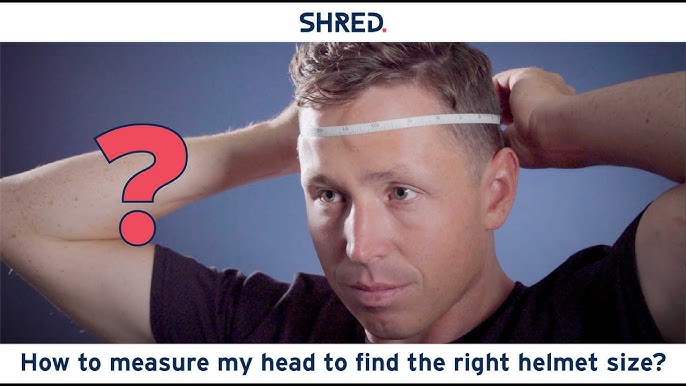
- Hold one end of the tape at the spot above your eyebrows.
- Wrap the tape around your head, keeping it above your ears.
- Ensure the tape remains level and snug, but not too tight.
A snug wrap prevents inaccurate readings. This step is crucial for fitting a helmet correctly. The proper technique helps avoid common fit issues. A well-fitted helmet is part of effective safety gear fitting.
Taking Accurate Measurements
With the tape wrapped correctly, taking accurate measurements becomes straightforward. Ensure the tape lies flat against your skin. Avoid twisting or slanting.
Consider these points for precision:
- Read the measurement at the point where the tape meets.
- Record the measurement in centimeters for precision.
This measurement forms the basis for the helmet fit test. Comparing your measurement with a helmet sizing guide aids in choosing the right motorcycle helmet size. Accurate measurements ensure the helmet fits well, enhancing your safety and comfort.
Remember, a precise head circumference measurement is key to a proper helmet fit. It directly impacts the effectiveness of your motorcycle safety equipment.
Credit: www.youtube.com
Interpreting Your Measurement
Choosing the right helmet size is crucial for any rider. A proper fit ensures maximum safety and comfort. Once you have measured your head for a motorcycle helmet, interpreting your measurement is the next step. This process involves understanding how your measurements translate into helmet sizes. It’s part of the Helmet Fit Guide that ensures your Motorcycle Safety Gear fits perfectly. Here’s how to navigate this important step.
Understanding Head Circumference Measurement
Using a flexible tape measure, wrap it around your head. Position it about one inch above your eyebrows and ears. This gives you the most accurate Head Circumference Measurement. Record the measurement in centimeters or inches. This number will guide you in selecting the right helmet size.
Using Helmet Measurement Tools
Several Helmet Measurement Tools are available to assist in this process. These tools help you determine your head shape and size. Some are digital, while others are simple charts. Either way, they play a vital role in selecting the perfect helmet.
Head Shape Considerations For Helmets
Not all helmets are created equal. Your head shape is a significant factor in determining the best fit. Common shapes include round, oval, and intermediate oval. Knowing your head shape helps in selecting a helmet that fits snugly without pressure points.
Sizing Chart For Motorcycle Helmets
Once you have your measurements, consult a Sizing Chart For Motorcycle Helmets. These charts match head circumference to helmet sizes. Below is a simple example:
| Head Circumference (cm) | Helmet Size |
|---|---|
| 52-54 | XS |
| 55-56 | S |
| 57-58 | M |
| 59-60 | L |
| 61-62 | XL |
Proper Helmet Fitting Techniques
A helmet should fit snugly but not too tight. It should sit level on your head. Ensure the helmet does not move when you shake your head. Use Proper Helmet Fitting Techniques to adjust the straps and padding. This ensures maximum protection and comfort.
Motorcycle Helmet Sizing Tips
- Try on multiple helmets to find the best fit.
- Wear the helmet for several minutes to test comfort.
- Check for pressure points that may cause discomfort over time.
- Consider seasonal changes that might affect fit, like wearing a balaclava in winter.
Choosing The Right Helmet Size
Choosing the right helmet size is crucial for motorcycle safety and comfort. A helmet that’s too tight can cause headaches, while a loose one won’t protect you in an accident. Understanding how to measure your head accurately ensures that your helmet fits well. This involves using a measuring tape for helmets to find the correct head circumference measurement. Let’s explore how to use a helmet fit guide and select the perfect size.
Size Charts
Helmet size charts are essential tools in finding the correct helmet size. These charts display sizes based on head circumference measurement. Use a flexible measuring tape for helmets to wrap around the widest part of your head. Ensure the tape stays level and snug.
Here are some typical sizes you might find on a helmet size chart:
| Head Circumference (cm) | Helmet Size |
|---|---|
| 51-52 | XS |
| 53-54 | S |
| 55-56 | M |
| 57-58 | L |
| 59-60 | XL |
Use these measurements to match your size on the chart. Helmet fitting tips suggest trying on different helmets within your size range. This helps find the best fit for your unique head shape.
Remember, different helmet styles may fit differently. It’s always best to check the helmet fit guide for specific models.
Different Brands And Styles
Different brands offer various types of motorcycle helmets. Each brand may have slight variations in sizing. This is known as brand-specific sizing. Some brands cater to round head shapes, while others fit oval shapes better.
Consider these factors when selecting a helmet:
- Helmet Fit Guide: Provides sizing details specific to the brand.
- Motorcycle Helmet Sizing: Helps you understand the fit and comfort of different models.
- Different Helmet Styles: Includes full-face, open-face, modular, and half helmets.
Each style offers unique benefits. Full-face helmets provide more protection, while open-face helmets offer more visibility. Modular helmets combine both features. Choose a style that suits your riding needs.
Explore types of motorcycle helmets to see what fits your lifestyle. Whether you prefer sleek designs or vintage looks, there’s a helmet for everyone. Motorcycle safety gear is essential, so make sure your helmet fits well and feels comfortable.
Try on several helmets from various brands. This ensures you find the perfect match for your head shape and riding style.

Credit: greensafaris.com
Trying On The Helmet
Choosing the right motorcycle helmet is crucial for your safety on the road. The first step in finding the perfect fit is measuring your head accurately. Once you have the right size, it’s time to try on the helmet. This step ensures a snug and comfortable helmet fit, which is vital for protection. A helmet that fits well stays secure in case of an accident. So, let’s explore how to ensure your helmet fits perfectly.
How It Should Feel
When trying on a motorcycle helmet, the feel is crucial. A well-fitting helmet should be snug but not overly tight. It should sit evenly all around your head without causing discomfort. Use a measuring tape for helmetfitting to ensure the right size.
- The helmet should not move around when you shake your head.
- Cheek pads should press against your cheeks without causing pain.
- The top of the helmet should not press painfully against the crown of your head.
A snug helmet fitis vital. It should feel secure without being too tight. Consider using a helmet fit guideto help ensure the right feel. If the helmet feels uncomfortable after a short time, it may not be the correct size.
It’s also important to check helmet safety standards. Make sure the helmet is certified for safety. This ensures it offers the protection you need.
Common Fit Issues
Several common fit issues can arise when trying on helmets. Understanding these can help you choose the right motorcycle helmet size:
| Issue | Solution |
|---|---|
| Helmet slides around | Choose a smaller size or adjust the straps. |
| Painful pressure points | Consider a different helmet shape or size. |
| Cheeks are too tight | Adjust cheek pads or try a larger size. |
Head shape considerationsare also important. Some helmets fit round heads better, while others suit oval shapes. Always check your head circumference measurementagainst common helmet sizesto find the best fit.
Adjusting helmet strapscan fix minor issues. Ensure they are tight enough to keep the helmet secure but not so tight they cause discomfort. A comfortable helmet fitis essential for safety and enjoyment while riding.
Adjustments And Customization
Finding the right motorcycle helmet isn’t just about picking a style. Ensuring a proper fit is crucial for safety and comfort. Adjustments and customization play a key role in making sure your helmet fits like a glove. This section explores how adjustments can fine-tune your helmet fit and enhance your riding experience.
Helmet Fit Guide: Making Adjustments
Even with the perfect size, some helmets need tweaking for an ideal fit. A Helmet Fit Guidecan help you understand how to adjust the interior padding and straps. Look for helmets with removable liners. They allow you to add or remove padding, ensuring snugness without discomfort.
Motorcycle Headgear Customization Options
- Removable liners for easy washing and adjustments.
- Adjustable chin straps for secure fitting.
- Ventilation systems to keep cool on long rides.
These customization options not only enhance comfort but also improve safety. A well-fitted helmet reduces distractions while riding.
Using A Measuring Tape For Helmet Adjustments
A Measuring Tape For Helmetcan be a handy tool. After initial fitting, use it to measure the distance from your head to the helmet’s interior. This ensures consistency in fit even after customization.
Head Measurement Techniques To Perfect Fit
- Measure the head circumference with a tape.
- Note the distance from forehead to back of the head.
- Check helmet size against a Helmet Size Chart.
These Head Measurement Techniqueshelp in selecting the right size and making necessary adjustments.
Enhancing Motorcycle Safety Gear With Proper Helmet Size
A Proper Helmet Sizesignificantly boosts your safety on the road. Ensure the helmet sits snugly around your head without pressure points. Regularly check for wear and tear. Adjust as needed to maintain fit and effectiveness of your Motorcycle Safety Gear.
Helmet Fitting Tips For Head Circumference Measurement
| Tip | Description |
|---|---|
| Check Padding | Ensure padding is evenly distributed around your head. |
| Secure Straps | Adjust straps so they hold the helmet firmly in place. |
| Regular Checks | Periodically re-measure your head circumference. |
These Helmet Fitting Tipsensure your helmet remains comfortable and safe during rides.
Safety Considerations
Choosing the right helmet is crucial for motorcycle safety. An ill-fitting helmet can compromise safety and comfort. Accurate head measurement is the first step in ensuring your helmet fits properly. This guide will help you understand the importance of sizing for motorcycle helmets, using a helmet size chart, and ensuring helmet comfort and safety.
Ensuring your helmet fits perfectly is more than just comfort. It is a critical aspect of motorcycle safety gear. A well-fitted helmet can protect you from severe injuries. Here’s how you can ensure you’re choosing the right helmet.
Importance Of Proper Helmet Fitting
A helmet that fits well acts as a shield. It absorbs impact and protects your head. Proper helmet fitting prevents the helmet from slipping during a ride. This ensures your vision is not obstructed.
Understanding Head Circumference Measurement
Measuring your head circumference accurately is the first step. Use a flexible tape measure. Wrap it around the largest part of your head, just above the eyebrows and ears. This measurement helps in selecting the correct size from the helmet size chart.
Consulting A Helmet Fit Guide
Once you have your head measurement, consult a helmet fit guide. These guides provide a detailed breakdown of sizes. A helmet should feel snug yet comfortable without causing pressure points.
Ensuring Helmet Comfort
After finding your size, try the helmet on. Wear it for several minutes. Check for any discomfort. A helmet that fits well should not cause pain or leave marks. This is a sign of an incorrect fit.
Motorcycle Helmet Sizing And Adjustment
Adjust the chin strap. It should be secure but not too tight. The helmet should not move around. Shake your head gently to test the fit. If the helmet shifts, it might be too large.
Final Checks For Safety
Perform a final check before making your purchase. Ensure the helmet meets safety standards. Look for certifications like DOT or ECE. These guarantee that the helmet has passed safety tests.
By following these steps, you ensure your motorcycle helmet sizing is accurate and safe. Remember, helmet fit is a crucial part of motorcycle safety gear. Protect your head by choosing the right helmet.
FAQs About How To Measure Your Head For A Motorcycle Helmet
How Do I Determine My Motorcycle Helmet Size?
Measure your head’s circumference using a flexible tape measure. Position it above your eyebrows and ears. Compare the measurement to the helmet brand’s sizing chart. Ensure the helmet fits snugly without pressure points. Try different brands for the best fit, as sizes may vary.
What Is The 2 2 2 Rule When Fitting A Helmet On Your Head?
The 2 2 2 rule ensures a proper helmet fit: 2 fingers above eyebrows, 2 straps form a V under ears, 2 fingers between chin and strap.
What Size Motorcycle Helmet For A 23 Inch Head?
For a 23-inch head, choose a motorcycle helmet size that fits comfortably. Typically, this is a size Large in most brands. Measure your head circumference accurately and check the manufacturer’s size chart for precise fit. Always try the helmet on before purchasing to ensure comfort and safety.
How To Find Your Head Size For A Helmet?
Measure your head with a flexible tape. Wrap it around your forehead, above your eyebrows. Ensure the tape is level. Note the measurement in centimeters or inches. Compare it with helmet size charts to find your fit. Double-check for comfort and adjust as needed.
Conclusion
Ensuring a proper helmet fit is crucial for safety and comfort. Measure your head carefully. Use a flexible tape measure for accuracy. Take note of your head’s circumference and shape. Compare your measurements with the helmet size chart. Try on helmets to confirm the fit.
The helmet should be snug but not tight. Remember, a good fit protects you better. Replace your helmet if it feels loose or uncomfortable. Regular checks ensure your helmet stays effective. Safe rides start with the right helmet. Always prioritize your safety on the road.
Stay protected and enjoy your journey.