Motorcycle Jacket Washing And Drying Tips: Ultimate Care Guide

Your motorcycle jacket is more than just gear—it’s your shield against wind, rain, and road grime. Keeping it clean and well-maintained isn’t just about looks; it’s about safety and comfort every time you ride.
But washing and drying your jacket the wrong way can damage the materials, reduce its protective qualities, or cause it to lose shape. Don’t worry—this guide will show you simple, effective tips to clean your motorcycle jacket without ruining it.
Keep reading to learn how to care for your gear so it stays tough, fresh, and ready for every ride.
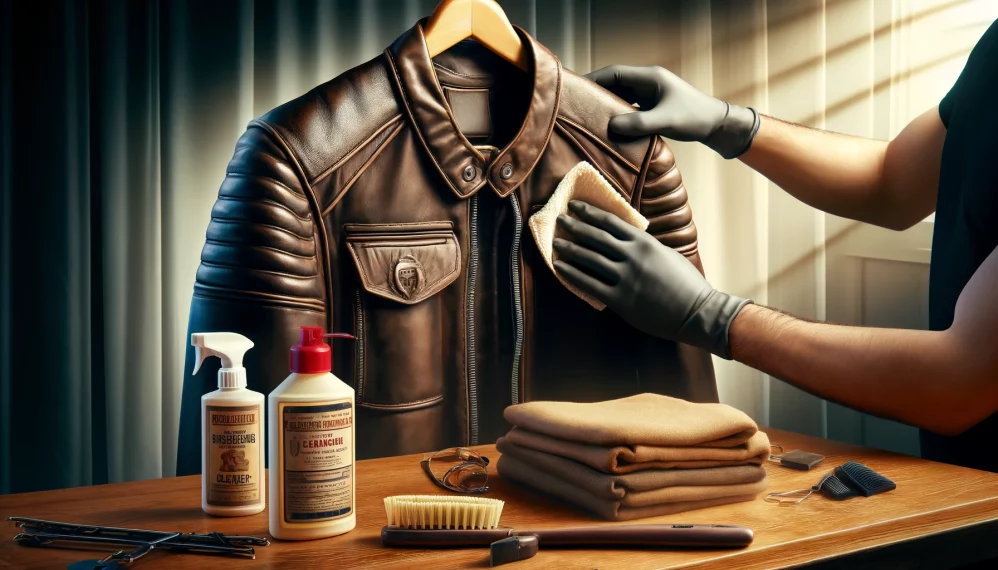
Credit: fcdrycleaners.com
Choosing The Right Jacket For Washing
Cleaning your motorcycle jacket keeps it fresh and extends its life. Choosing the right jacket for washing is key to avoid damage. Not all jackets handle water and detergents the same way. Knowing your jacket’s material and following care instructions helps keep it safe during washing and drying. This guide helps you pick the right approach for your jacket.
Material Types And Care Needs
Motorcycle jackets come in different materials. Each type needs special care to stay strong and comfortable. Here are common materials and their washing tips:
- Leather: Avoid machine washing. Use a damp cloth and special leather cleaner. Keep it away from direct heat while drying.
- Textile (nylon, polyester): Can usually be machine washed on a gentle cycle. Use mild detergent and cold water.
- Mesh: Often washable but delicate. Use a laundry bag and gentle cycle to protect the fabric.
- Waterproof fabrics: Use detergents made for waterproof gear. Avoid fabric softeners that damage water repellency.
Here is a simple table summarizing care tips for each material:
| Material | Washing Method | Drying Method | Special Notes |
|---|---|---|---|
| Leather | Spot clean only | Air dry away from heat | Use leather conditioner |
| Textile | Machine wash cold, gentle cycle | Air dry or low heat | Use mild detergent |
| Mesh | Machine wash in laundry bag | Air dry | Handle gently |
| Waterproof | Use waterproof detergent | Air dry | No fabric softener |
Knowing your jacket’s material helps prevent damage. Choose a washing method that fits the fabric type.
Checking Manufacturer Labels
Manufacturer labels hold important washing and drying information. Always read these labels before cleaning your jacket. They tell you the safest way to care for your gear.
Labels often include:
- Washing temperature: The maximum water temperature safe for your jacket.
- Washing method: Whether hand wash, machine wash, or dry clean only.
- Detergent type: Which detergents are safe to use, such as mild or special waterproof detergent.
- Drying instructions: Air dry, tumble dry, or avoid heat.
Here is an example of common washing symbols and their meanings:
| Symbol | Meaning |
|---|---|
| Hand wash symbol | Wash by hand only |
| Machine wash symbol | Machine washable with temperature limit |
| Do not bleach symbol | Do not use bleach |
| Do not tumble dry symbol | Avoid machine drying |
| Iron symbol with cross | Do not iron |
Following label instructions keeps your jacket in good shape. Ignoring them can cause shrinking, fading, or loss of protective features.
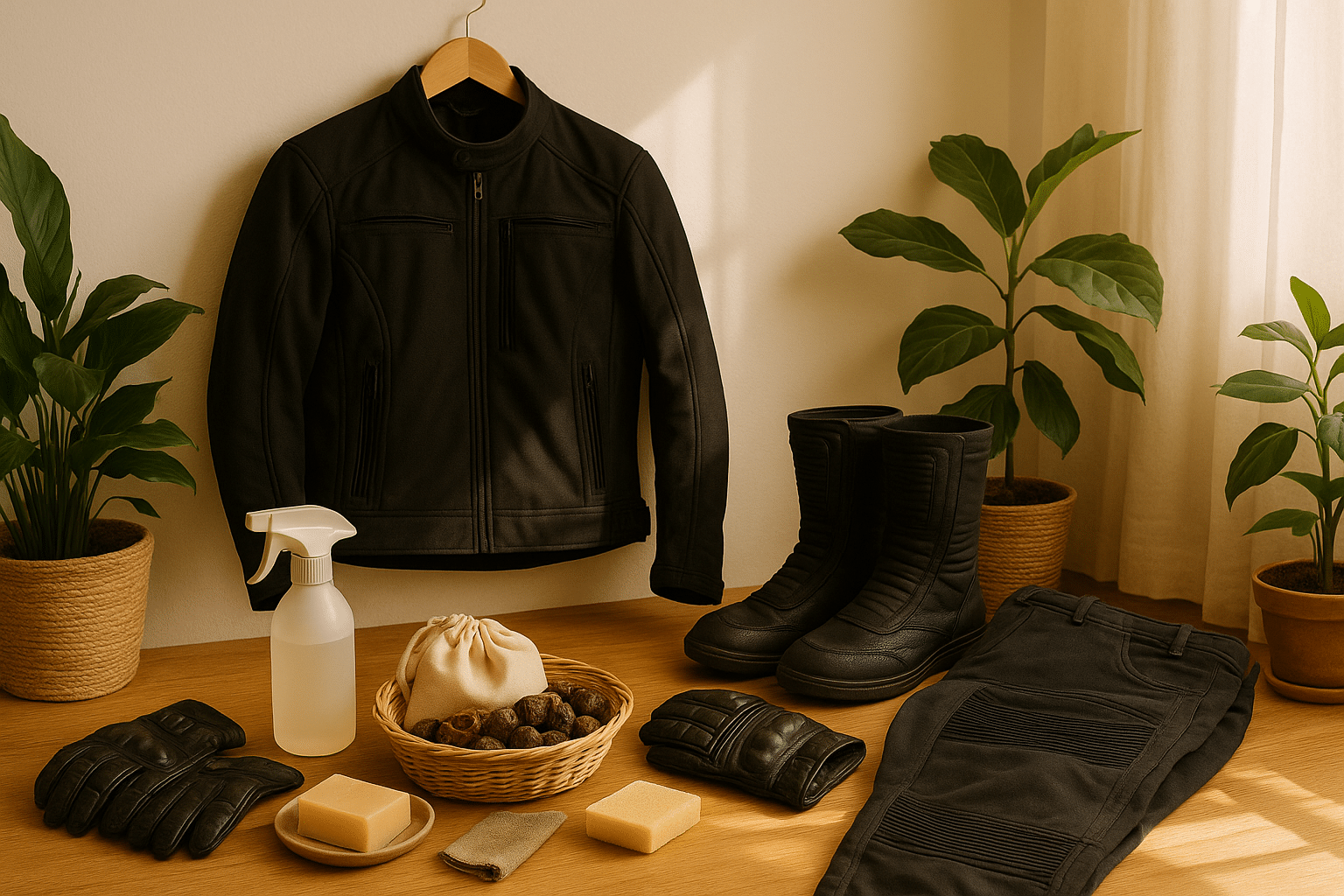
Credit: www.mycover-protection.com
Preparing Your Jacket
Proper care starts before washing your motorcycle jacket. Preparing your jacket helps protect its material and parts. It keeps your jacket safe from damage during cleaning. Taking time now saves effort later. Follow simple steps to get your jacket ready for washing and drying.
Removing Armor And Accessories
Most motorcycle jackets have removable armor and extra parts. These include shoulder pads, elbow protectors, and back armor. Removing these parts is essential before washing. Armor pieces can get damaged or damage the jacket in the wash.
Steps to remove armor and accessories:
- Locate the armor pockets: Usually inside the jacket sleeves and back area.
- Gently pull out the armor: Take care not to tear the pockets or fabric.
- Remove any detachable accessories: Such as badges, patches, or reflective strips.
- Check for hidden armor: Some jackets have extra padding sewn in; these cannot be removed.
Keep the armor pieces in a safe place. Clean armor separately with a damp cloth if needed. Do not put armor in the washing machine. Removing these parts helps your jacket dry evenly and prevents damage to both the jacket and the armor.
Closing Zippers And Fasteners
Closing all zippers and fasteners is a crucial step before washing your jacket. Open zippers can catch on other fabrics or parts. This can cause tears or damage to your jacket or washing machine.
Follow these tips to secure your jacket:
- Zip up all zippers: Including main front zipper, pocket zippers, and ventilation zippers.
- Fasten all buttons and snaps: This keeps the jacket shape during washing.
- Close Velcro straps: These can stick to other parts and cause pilling or damage.
- Check cuffs and collar fasteners: Make sure they are securely closed.
Closing zippers and fasteners helps the jacket keep its form. It also prevents zippers from scratching the fabric or other clothes. A well-prepared jacket cleans better and lasts longer.
Washing Methods
Washing methods play a vital role in maintaining the quality and durability of motorcycle jackets. Proper cleaning helps extend the life of your gear while preserving its protective features. Different materials, like leather and textile, require specific care techniques to keep them safe from damage. Choosing the right washing method ensures effective cleaning without harming the jacket fabric. Below are detailed methods for hand washing and machine washing motorcycle jackets.
Hand Washing Techniques
Hand wash motorcycle gear to protect delicate materials and maintain waterproof jacket maintenance. This method is gentle and ideal for leather jacket cleaning and textile motorcycle jacket washing.
Follow these steps for hand washing:
- Use cold or lukewarm water: Hot water can damage fabrics and leather.
- Mild detergent only: Choose a detergent made for delicate fabrics or leather care.
- Spot clean stains first: Apply detergent gently on dirty areas with a soft cloth or sponge.
- Submerge and soak: Let the jacket soak for 10-15 minutes to loosen dirt.
- Gently scrub: Use a soft brush or cloth to clean the entire surface without rubbing hard.
- Rinse thoroughly: Remove all soap residue using clean water.
- Avoid wringing: Squeeze out water gently without twisting the fabric.
Hand wash motorcycle gear is the best option for preserving jacket fabric preservation. It reduces wear and helps maintain the jacket’s waterproof and protective qualities.
| Step | Details |
|---|---|
| Water Temperature | Cold or lukewarm water |
| Detergent | Mild, suitable for leather or delicate fabrics |
| Cleaning Method | Spot clean, soak, gentle scrubbing |
| Drying Preparation | Do not wring; squeeze water out gently |
Machine Washing Guidelines
Machine wash leather jacket or textile motorcycle jacket only if the care label allows it. This method is faster but requires caution to avoid damage. Follow these guidelines for cleaning motorcycle protective gear safely in a machine.
Important machine washing tips:
- Use a gentle cycle: Select a delicate or hand wash cycle with low spin speed.
- Cold water only: Warm or hot water may shrink or deform the jacket fabric.
- Use a mesh laundry bag: Protect the jacket from friction and zippers during the wash.
- Mild detergent: Avoid strong chemicals or bleach that harm waterproof coatings.
- Remove armor and accessories: Take out removable pads and fasteners before washing.
- Do not overload: Wash jacket alone or with similar delicate items to prevent damage.
Machine wash leather jacket with extreme care. Many leather jackets are better off with hand wash motorcycle gear methods. Textile jackets usually tolerate machine washing better but follow the instructions closely for best motorcycle jacket care.
| Machine Washing Rule | Details |
|---|---|
| Cycle Type | Delicate or hand wash |
| Water Temperature | Cold only |
| Protective Measures | Use mesh laundry bag; remove armor |
| Detergent | Mild, no bleach or harsh chemicals |
| Load Size | Jacket alone or with similar delicates |
Detergents And Cleaning Products
Cleaning a motorcycle jacket needs special care to keep its look and durability. Choosing the right detergents and cleaning products is key. The wrong products can damage the jacket’s material, affect waterproofing, or reduce its lifespan. This section explains how to pick safe detergents and avoid harmful chemicals, helping with effective motorcycle jacket care.
Recommended Detergents
Use a gentle detergent for jackets made specifically for technical fabrics or delicate clothes. These detergents clean well without harsh chemicals that damage jacket fibers or waterproof coatings. For textile motorcycle jacket washing, liquid detergents designed for sportswear work best. They remove dirt and sweat but keep fabric strong.
- Choose detergents labeled “mild” or “for delicate fabrics.”
- Use powder detergents only if they dissolve fully in water.
- Avoid strong bleach or heavy stain removers unless spots are tough.
Here is a simple table to compare detergent types:
| Detergent Type | Best Use | Notes |
|---|---|---|
| Liquid Detergent | Textile and synthetic jackets | Gentle, dissolves easily, good for washing machines |
| Powder Detergent | Heavily soiled jackets | Use if fully dissolved, avoid residue |
| Specialized Leather Cleaner | Leather jacket cleaning | Preserves leather texture and color |
During washing, pick washing machine settings for jackets that use cold water and gentle cycles. This helps preserve jacket durability. Use the smallest detergent amount needed. Excess soap can leave residues and harm waterproof jacket maintenance.
Avoiding Harmful Chemicals
Certain chemicals damage motorcycle jackets. Avoid detergents with bleach, fabric softeners, or strong enzymes. These break down fibers and damage waterproof layers. Instead, try fabric softener alternatives like white vinegar or baking soda. They soften fabric without harm.
- Bleach: Destroys fibers and colors.
- Fabric softener: Reduces waterproofing and breathability.
- Strong enzymes: Can weaken textile strength.
Stain removal needs care too. Use mild soap or special stain removers safe for the jacket type. Always test a small hidden area first. Protect the jacket’s finish during cleaning.
Drying motorcycle jackets properly also prevents damage. Avoid high heat or direct sunlight. Air drying on a hanger indoors is best. This keeps the jacket shape and performance intact.
By avoiding harmful chemicals and using right detergents, the jacket lasts longer and stays functional. These tips support motorcycle jacket care and keep your gear ready for the road.
Drying Tips
Drying Motorcycle Jackets properly is a key step in Textile Motorcycle Jacket Maintenance. After Washing Motorcycle Gear, especially waterproof jackets, drying them right keeps the fabric strong and long-lasting. Poor drying can cause damage, shrinkage, or loss of waterproofing. Follow Jacket Drying Best Practices to keep your gear safe and ready for your next ride.
Air Drying Best Practices
Air Drying Motorcycle Jackets is the safest way to dry your gear. It helps protect delicate materials and maintains the jacket’s shape. Here are some tips for effective air drying:
- Hang the jacket on a wide, padded hanger. This prevents shoulder dents and keeps the jacket’s form.
- Choose a well-ventilated area. Good airflow speeds up drying and stops mold or mildew.
- Keep the jacket inside out. This helps the inner lining dry faster and prevents odor buildup.
- Avoid folding or crumpling. This can cause wrinkles and damage the fabric.
Below is a simple table showing pros and cons of air drying for Motorcycle Jacket Fabric Care:
| Advantages | Disadvantages |
|---|---|
| Preserves waterproof coating | Slower drying time compared to machines |
| Prevents heat damage | Requires space and patience |
| Maintains fabric strength | Needs regular airflow to avoid damp smell |
Air Drying Motorcycle Jackets suits both textile and leather materials, making it essential for Motorcycle Jacket Care.
Avoiding Direct Heat
Avoiding Heat Damage is critical when drying Motorcycle Jackets. Direct heat from radiators, sunlight, or dryers can harm the fabric and leather. It may cause shrinking, cracking, or loss of waterproofing. Follow these guidelines:
- Never place jackets near direct heat sources. This includes heaters, fireplaces, and direct sunlight.
- Do not use clothes dryers. High heat and tumbling can ruin the jacket’s material and zippers.
- Keep leather jackets away from heat. Leather dries naturally and heat can cause it to become stiff or brittle.
- Use fans to improve air circulation. This helps drying without heat damage.
Here is a quick checklist for Avoiding Heat Damage during jacket drying:
- ✔️ Use cool or room temperature air only
- ✔️ Air dry away from windows or sun
- ✔️ Avoid forced heat like hairdryers
- ✔️ Keep jackets flat or hung properly
Following these steps ensures your waterproof jacket washing and drying routine is safe. Proper care extends the life of your gear, keeping it comfortable and protective for every ride.

Credit: www.bestleatherny.com
Post-wash Maintenance
After washing and drying your motorcycle jacket, post-wash maintenance plays a vital role in keeping it in great shape. Proper care extends the jacket’s life and keeps it comfortable and safe for every ride. Motorcycle jacket fabric care and leather jacket maintenance need special attention once the jacket is clean and dry. Neglecting these steps can cause the jacket to lose its waterproofing or become stiff and cracked. This section covers two important parts: reapplying waterproofing and conditioning leather jackets. Both help protect your gear and keep it ready for the road.
Reapplying Waterproofing
Textile motorcycle jackets often come with a waterproof layer that keeps rain out. Washing textile motorcycle jackets can remove this layer, so reapplying waterproofing is essential. Use a good quality waterproof spray for jackets to restore this protection.
Follow these steps for best results:
- Ensure the jacket is completely dry before applying the spray.
- Choose a spray designed for your jacket’s fabric type.
- Apply the spray evenly, holding the bottle about 6-8 inches away.
- Spray both the outside and seams for full coverage.
- Let the jacket dry naturally in a well-ventilated area.
Here is a simple table showing common waterproofing sprays for different jacket materials:
| Jacket Type | Recommended Waterproof Spray | Notes |
|---|---|---|
| Textile | Silicone-based spray | Good water repellency, breathable |
| Leather | Leather waterproofing spray | Maintains leather texture, water-resistant |
Proper jacket drying techniques before waterproofing prevent trapping moisture inside. Avoid direct heat or sunlight as it can damage fabric and reduce waterproofing effectiveness.
Leather Jacket Conditioning
Leather jackets need special care beyond washing and drying motorcycle jackets. Leather conditioner for jackets helps keep the leather soft and prevents cracks. It also restores oils lost during cleaning, improving flexibility and appearance.
Use these tips for leather jacket maintenance:
- Make sure the jacket is dry and clean before applying conditioner.
- Choose a conditioner made for motorcycle leather, not regular shoe polish.
- Apply a small amount of conditioner on a soft cloth.
- Rub the conditioner gently into the leather in circular motions.
- Allow the jacket to absorb the conditioner for a few hours.
- Buff off any excess with a clean cloth for a smooth finish.
Regular conditioning protects your jacket from drying out and cracking. It also maintains the jacket’s look and comfort during rides. Cleaning motorcycle gear and applying conditioner regularly ensures your leather jacket stays tough and flexible for years.
Remember, avoid over-conditioning. Too much product can clog leather pores and make it sticky. Condition your jacket every few months or after heavy washing and drying.
Storage Tips After Cleaning
After washing and drying your motorcycle jacket, proper storage is key to keep it fresh and in good shape. Storing your jacket correctly stops damage and helps with Motorcycle Gear Maintenance Tips. Whether you own a textile or leather jacket, good storage protects your investment and extends the jacket’s life. Follow these Storage Tips After Cleaning for the best results.
Proper Hanging Techniques
Proper jacket hanging is essential for maintaining shape and fabric quality. Use a wide, padded hanger to avoid shoulder dents and stretching. A thin wire hanger can cause damage over time. Here are some tips for Proper Jacket Hanging:
- Choose a hanger that fits your jacket’s shoulder width.
- Hang the jacket in a cool, dry place away from direct sunlight.
- Fasten zippers and snaps to keep the jacket in shape.
- If your jacket is heavy, use a sturdy hanger to support the weight.
For leather jackets, avoid hanging near heat sources to prevent drying out. Textile motorcycle jackets benefit from good air circulation to maintain breathability.
| Jacket Type | Recommended Hanger | Storage Tip |
|---|---|---|
| Leather Jacket | Wide, padded hanger | Store away from heat and sunlight |
| Textile Jacket | Wide hanger | Ensure good airflow to prevent moisture |
Using these techniques helps preserve your jacket’s fit and quality. Proper hanging after Textile Motorcycle Jacket Washing or Leather Jacket Cleaning makes drying easier and prevents wrinkles.
Avoiding Mold And Odors
Mold and odors can ruin your jacket fast. Proper storage prevents these problems and keeps your jacket smelling fresh. Follow these Jacket Mold Prevention tips:
- Ensure the jacket is completely dry before storing. Moisture invites mold.
- Store jackets in a well-ventilated area to allow air circulation.
- Use moisture absorbers like silica gel packs in your storage space.
- Spray a light mist of Fabric Softener Alternatives or a natural deodorizer to fight odors.
- Regularly air out your jacket, especially if stored for a long time.
For Odor Removal Motorcycle Jackets, try gentle cleaning methods that don’t damage the jacket’s waterproofing. Avoid harsh chemicals that can break down fabric or leather.
Remember, Waterproof Motorcycle Jacket Maintenance includes careful drying and storage to keep the waterproof layer intact and mold-free.
Common Answer For Motorcycle Jacket Washing And Drying Tips
How Do I Wash A Motorcycle Jacket Safely?
Use a mild detergent and cold water to wash your jacket. Hand wash or use a gentle machine cycle. Avoid harsh chemicals and bleach to protect the fabric and padding. Always check the care label for specific instructions before washing.
Can I Machine Dry My Motorcycle Jacket?
It’s best to air dry your motorcycle jacket. Machine drying can damage protective materials and cause shrinking. Hang the jacket in a well-ventilated area away from direct sunlight. Patience ensures the jacket maintains its fit and safety features.
How Often Should I Wash My Motorcycle Jacket?
Wash your jacket only when it’s visibly dirty or smells bad. Over-washing can degrade protective materials and reduce durability. Spot clean minor stains to extend the jacket’s life. Proper maintenance balances cleanliness with fabric preservation.
What Drying Tips Protect Motorcycle Jacket Materials?
Avoid direct sunlight and heat sources when drying your jacket. Use a hanger to maintain the jacket’s shape. Do not wring or twist the fabric. Gentle air drying preserves the jacket’s protective layers and overall quality.
Conclusion
Cleaning your motorcycle jacket carefully keeps it strong and looking good. Always follow the jacket’s care label for the best results. Use mild soap and cold water to avoid damage. Dry it naturally, away from direct heat or sunlight. Regular washing removes dirt and sweat that can wear the fabric.
Taking these simple steps helps your jacket last longer and stay comfortable. Care for your jacket like you care for your bike. Small efforts make a big difference in the jacket’s life. Keep riding safe and stylish with a clean jacket.