Motorcycle Touring USA: Ultimate Guide to Epic Road Trips

Motorcycle Touring Usa: The Ultimate Guide For Riders
The open road is a dream for many motorcycle riders, and few places offer as much freedom and diversity as the United States. From the Pacific Coast Highway to the sweeping curves of the Blue Ridge Parkway, touring the USA by motorcycle is an adventure that blends scenic beauty, cultural discovery, and personal challenge. Whether you’re a seasoned rider or just starting out, motorcycle touring across America can be life-changing. This guide will help you plan, prepare, and enjoy your journey with practical advice, expert tips, and real-world examples. You’ll learn about the best routes, essential gear, safety rules, and how to avoid common mistakes. Let’s get started on your road trip across the land of opportunity.
Why Motorcycle Touring In The Usa Is Unique
The United States is a vast country with varied landscapes, climates, and cultures. Unlike many places, you can ride for days without seeing the same scenery twice. Here’s why touring the USA is different:
- Diverse landscapes: From deserts to forests, mountains to coastlines, every state offers something unique.
- Long, well-maintained roads: Many routes are designed for scenic drives, making them ideal for motorcycles.
- Friendly riding culture: Riders often find warm welcomes and support in small towns and biker communities.
- Variety of climates: You can ride year-round somewhere in the USA, but weather changes fast—planning is key.
A non-obvious insight: The USA has designated motorcycle-friendly hotels and campgrounds, which often offer secure parking and rider-specific amenities. Another subtle advantage is the widespread motorcycle rental services, making it possible to tour even if you don’t own a bike.
Planning Your Motorcycle Tour
Preparation is essential for a safe and enjoyable journey. Here are the main steps to organize your trip:
Choosing The Right Route
The USA has hundreds of famous touring routes. Your choice depends on your interests, skill level, and time.
- Pacific Coast Highway (California): Stunning ocean views, mild weather, and classic American towns.
- Blue Ridge Parkway (North Carolina/Virginia): Rolling hills, lush forests, and historic sites.
- Route 66: Nostalgia and Americana, crossing eight states from Chicago to Los Angeles.
- Tail of the Dragon (Tennessee/North Carolina): 318 curves in 11 miles—great for experienced riders.
- Great River Road (Mississippi River): Follows the river through ten states, rich in history.
If you want a challenge, try the Alaska Highway. For less-traveled routes, look into the Ozarks or the Black Hills.
Deciding When To Ride
Timing matters. Peak seasons vary by region. In the north, summer is best (June–September). In the south and west, spring and fall offer cooler, pleasant weather. Avoid winter unless you’re experienced with cold riding.
Setting Your Budget
Costs depend on duration, route, and style. For a 10-day tour:
- Gas: $150–$250
- Lodging: $70–$150 per night (hotel); $10–$40 (camping)
- Food: $25–$50 per day
- Bike rental: $100–$200 per day
Unexpected costs often come from repairs, gear, or weather delays. Always keep extra funds.
Accommodation Choices
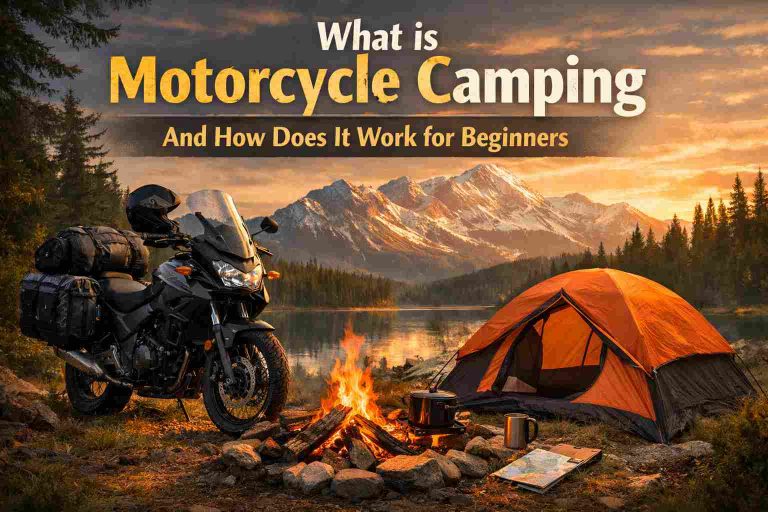
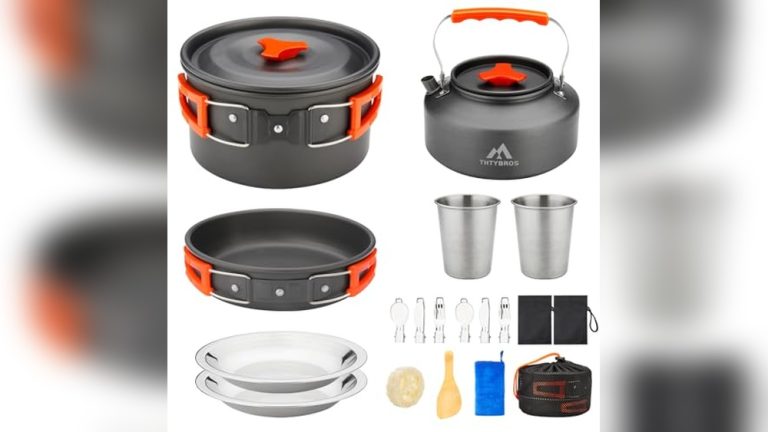
You can stay in motels, hotels, campsites, or even motorcycle-only lodges. Many riders prefer camping to save money and enjoy nature.
Permits And Paperwork
US citizens need only their driver’s license and motorcycle insurance. International visitors require a valid license, insurance, and sometimes an International Driving Permit. Some states have helmet laws—check before you go.
Credit: reuthers.com
Essential Gear For Motorcycle Touring
Packing the right gear is critical for comfort and safety. Here’s what you need:
Riding Gear
- Helmet: DOT or Snell approved. Full-face offers best protection.
- Jacket: Abrasion-resistant, waterproof, with armor.
- Pants: Motorcycle-specific, with knee and hip protection.
- Gloves: Full-finger, padded, waterproof.
- Boots: Over-the-ankle, sturdy, non-slip soles.
Personal Items
- Rain gear: Weather changes quickly.
- Earplugs: Reduce wind noise, prevent fatigue.
- Sunglasses: Eye protection and comfort.
- First-aid kit: Small, but complete.
Packing Tips
- Layer clothing: Temperatures change from morning to night.
- Pack light: Weight affects handling.
- Use saddlebags: Waterproof bags keep gear dry.
- Tool kit: Basic tools, tire repair kit, spare fuses.
Navigation And Communication
- GPS device or smartphone: Offline maps are essential in remote areas.
- Chargers: USB or battery-powered.
- Emergency locator: For remote rides, consider a SPOT device or similar.
A common mistake is overpacking. Many beginners bring too many clothes and heavy items, making the bike harder to handle and increasing fatigue.
Best Motorcycle Touring Routes In The Usa
Let’s explore the most iconic routes, with highlights and data.
| Route Name | Distance (miles) | Scenery Type | Best Season |
|---|---|---|---|
| Pacific Coast Highway | 655 | Coastal, Ocean | Spring/Fall |
| Blue Ridge Parkway | 469 | Mountains, Forests | Spring/Fall |
| Route 66 | 2,448 | Desert, Plains, Cities | Spring/Fall |
| Tail of the Dragon | 11 | Twisty Mountain | Summer |
| Great River Road | 2,340 | River, Farmland | Spring/Fall |
Pacific Coast Highway (california)
This legendary road runs along the coastline from San Francisco to Los Angeles. You’ll see cliffs, beaches, and small towns. The weather is mild, but fog can appear suddenly. Popular stops include Big Sur, Monterey, and Santa Barbara.
Blue Ridge Parkway
Known for its gentle curves and stunning mountain views, this road is perfect for a relaxed ride. It’s famous for fall colors and spring wildflowers. Stops like Asheville and Mabry Mill add cultural flavor.
Route 66
America’s most famous highway, Route 66 offers nostalgia and variety. You can visit quirky towns, old diners, and classic motels. The road is long, so break it into sections for comfort.
Tail Of The Dragon
This short but intense route is a magnet for skilled riders. With 318 curves in 11 miles, it’s not for beginners. The area has many local events and biker gatherings.
Great River Road
Following the Mississippi River from Minnesota to Louisiana, this route is rich in history and natural beauty. You’ll cross many state borders and see both small towns and big cities.
Safety And Legal Requirements
Safety is critical. Follow these rules to stay protected and legal.
Helmet Laws
Some states require helmets for all riders; others only for those under a certain age. Always check local laws before crossing state lines.
Insurance
Minimum coverage varies by state. Full coverage is best for touring, as it protects you from theft, accidents, and damages.
Traffic Laws
- Speed limits: Vary from 55 mph (rural) to 75 mph (interstates).
- Lane splitting: Legal in California, illegal in most other states.
- Right of way: Always yield to emergency vehicles and pedestrians.
Common Safety Mistakes
- Underestimating fatigue: Long rides are tiring. Take breaks every 100 miles or two hours.
- Ignoring weather: Sudden storms can be dangerous. Always check forecasts.
- Not carrying water: Dehydration sneaks up on riders, especially in hot climates.
Non-obvious insight: Many states allow motorcycle access to HOV lanes, which can help avoid traffic jams in cities. Check signs for details.
Preparing Your Motorcycle
Your bike must be ready for long distances and varied conditions.
Pre-ride Inspection
- Tires: Check pressure and tread. Replace if worn.
- Brakes: Test for smooth operation.
- Lights: All signals and headlamps must work.
- Chain/Belt: Inspect for wear, lubricate regularly.
- Fluid levels: Oil, coolant, brake fluid.
Maintenance During Tour
Carry a basic toolkit and spare parts (bulbs, fuses). Learn simple repairs, such as fixing a flat tire. Many highways have long stretches without service stations.
Choosing The Right Bike
Some bikes are better for touring than others.
| Type | Pros | Cons |
|---|---|---|
| Cruiser | Comfortable, stable | Heavy, less agile |
| Sport-touring | Fast, nimble, luggage space | Less comfortable for long rides |
| Adventure | Versatile, off-road capable | Tall seat, heavier |
| Touring | Maximum comfort, lots of storage | Expensive, very heavy |
Most beginners prefer cruisers or sport-touring bikes. Adventure bikes are good for mixed terrain.

Credit: magellanmotorcycletours.co.uk
Accommodation And Food On The Road
You’ll need to rest and refuel yourself as well as your bike.
Lodging Options
- Motels/Hotels: Widely available, often with rider discounts.
- Camping: National and state parks offer sites, but book ahead in peak season.
- Biker hostels: Some towns have places specifically for motorcycle travelers.
Motorcycle-only lodges provide secure parking, washing facilities, and social events. These are great for meeting other riders.
Food Choices
- Local diners: Classic American food, often affordable.
- Fast food: Convenient but not always healthy.
- Grocery stores: Good for snacks and picnic lunches.
Keep snacks and water handy. In remote areas, food options may be limited. Riders often underestimate how much energy they need; aim for regular meals to stay alert.
Regional Food Experiences
Trying local foods is part of the adventure. In the south, look for barbecue and fried chicken. In the west, enjoy seafood and Mexican cuisine. The Midwest is famous for burgers and steak.
Weather And Climate Considerations
Weather can change quickly across the USA. You need to be ready.
Regional Differences
- West: Dry summers, mild winters near the coast, but cold inland and at altitude.
- South: Hot, humid summers; mild winters.
- North/Midwest: Cold winters, warm summers, unpredictable spring/fall.
- East: Four seasons, rain possible year-round.
Riding In Different Conditions
- Rain: Slow down, increase following distance, avoid painted lines.
- Heat: Wear breathable gear, hydrate often.
- Cold: Layer clothing, use heated grips if possible.
Weather Apps And Alerts
Use smartphone apps like Weather Underground or NOAA for real-time updates. Many highways have electronic signs about weather and hazards.
A practical tip: If you see dark clouds ahead, stop and check radar. Sometimes waiting 30 minutes can avoid riding through dangerous storms.
Navigating And Staying Connected
Getting lost on a motorcycle is more stressful than in a car. Good navigation is essential.
Gps And Maps
Modern GPS devices are reliable, but always carry a paper map as backup. Some national parks and remote areas lack cell service.
- Offline maps: Download before you leave.
- Route planning: Apps like Rever and Scenic help create motorcycle-friendly routes.
Staying Connected
- Cell phone coverage: Good in cities, weaker in mountains and deserts.
- Wi-Fi: Available at hotels, cafes, and some gas stations.
- Emergency communication: Carry a locator or satellite communicator if going remote.
Non-obvious insight: Some states have motorcycle roadside assistance programs, which you can join for extra security.
Dealing With Emergencies
Preparation makes all the difference in emergencies.
Common Issues
- Mechanical breakdown: Know basic repairs or have roadside assistance.
- Medical emergencies: Carry a first-aid kit, know the nearest hospital locations.
- Weather hazards: Flash floods, tornadoes, and wildfires can occur.
What To Do
- Stay calm: Assess the situation before acting.
- Call for help: Use your phone or emergency device.
- Wait safely: Move off the road, stay visible.
Insurance And Assistance
Check your policy for roadside assistance and medical coverage. AAA and other groups offer motorcycle-specific plans.
Meeting Other Riders And Community Events
Connecting with other riders adds fun and safety to your tour.
Motorcycle Rallies
Big events like Sturgis Motorcycle Rally (South Dakota) and Daytona Bike Week (Florida) draw thousands. They offer music, food, gear, and rides.
Local Groups
Many towns have motorcycle clubs or informal meetups. Join for group rides, advice, or just company.
Online Forums And Apps
Websites like Adventure Rider and Motorcycle.com have forums for sharing tips and finding local events.
A non-obvious insight: Some communities offer guided tours for newcomers, which can be safer and more informative.
Tips For International Riders
If you’re visiting the USA, extra preparation is needed.
Paperwork
- Visa: Depending on your home country.
- International Driving Permit: Recommended for non-US licenses.
- Insurance: Buy US-specific coverage.
Bike Rental
Many companies rent motorcycles to international riders. Check for age restrictions and deposit requirements.
Cultural Differences
- Tipping: Common in restaurants and hotels.
- Language: English is dominant; learn basic phrases if needed.
- Road signs: Mostly in English, but easy to understand.
International riders often overlook state-specific laws, like helmet requirements or lane splitting rules. Research before you ride.
Environmental Impact And Responsible Riding
Motorcycle touring is fun, but it’s important to protect nature.
Leave No Trace
- Pack out trash: Never leave litter.
- Respect wildlife: Don’t disturb animals.
- Stay on roads: Off-road riding damages habitats.
Fuel Efficiency
Motorcycles use less gas than cars, but avoid unnecessary idling. Modern bikes are more efficient; check your fuel economy.
Supporting Local Economies
Buy from local stores, eat at small diners, and stay at family-owned motels. This helps towns along your route.
Top Mistakes To Avoid
Even experienced riders make errors. Here are the most common:
- Skipping bike checks: Regular inspections prevent breakdowns.
- Ignoring weather forecasts: Plan ahead to avoid dangerous conditions.
- Overpacking: Keep gear light and focused on essentials.
- Missing local laws: Research helmet and lane splitting rules.
- Not taking breaks: Fatigue leads to accidents.
A subtle mistake is neglecting hydration. Always carry water, especially in hot or dry regions.
Real-world Example: Coast-to-coast Tour
Let’s look at a typical cross-country trip from New York to San Francisco.
- Distance: About 2,900 miles.
- Duration: 14–21 days.
- Route: Take Route 50 (“The Loneliest Road”), cross Midwest, then join Pacific Coast Highway.
- Stops: Pittsburgh, St. Louis, Denver, Lake Tahoe, Monterey.
Riders face all kinds of weather, from rain in Pennsylvania to heat in Nevada. Highlights include mountain passes, historic towns, and national parks.
Non-obvious insight: Many riders join organized coast-to-coast tours to share costs and reduce planning stress. These often include support vehicles and group leaders.
Data: Motorcycle Touring Statistics
Motorcycle touring is growing in popularity. Here are some numbers:
| Year | Riders (millions) | Average Trip Length (days) | Accident Rate (per 1,000 tours) |
|---|---|---|---|
| 2015 | 8.5 | 7.2 | 6.1 |
| 2020 | 9.7 | 8.5 | 5.4 |
| 2023 | 10.3 | 9.2 | 4.7 |
Accident rates are dropping due to better gear and rider education. Average trip length is increasing as more people take extended tours.
Frequently Asked Questions
What Is The Best Time Of Year For Motorcycle Touring In The Usa?
Spring (April–June) and fall (September–November) are best for most regions. Summer is good in the north and mountain areas, but can be too hot in the south and west. Always check local weather before planning.
Do I Need A Special License To Ride A Motorcycle In The Usa?
You need a valid motorcycle endorsement on your driver’s license. International visitors may require an International Driving Permit. Some states have unique requirements; check before you travel.
Is It Safe To Camp While Touring By Motorcycle?
Camping is generally safe, especially in national and state parks. Choose well-maintained sites, lock your bike, and keep valuables secure. Avoid isolated areas if you’re alone.
Can I Rent A Motorcycle For Touring In The Usa?
Yes, many companies offer rentals for touring bikes, cruisers, and sport bikes. Requirements include age limits, insurance, and a valid license. Book ahead in peak season.
What Are The Top Three Tips For Beginners?
- Start with short trips: Build experience before attempting long tours.
- Invest in quality gear: Protection and comfort matter more than looks.
- Plan your route: Include rest stops, lodging, and backup options.
If you want more details, visit the official National Park Service motorcycle touring page.
Final Thoughts
Motorcycle touring in the USA offers adventure, freedom, and discovery. The country’s vast roads, stunning landscapes, and friendly culture make it perfect for riders of all levels. Careful planning, the right gear, and respect for local rules are key to a successful tour.
Don’t forget to enjoy the journey, meet new people, and try local foods. With preparation and confidence, your motorcycle tour will become a memory you’ll cherish forever. Safe travels, and may the road always rise to meet you.

Credit: www.eaglerider.com