Stabil vs Seafoam: Which is Better for Your Engine?

Stabil is ideal for long-term fuel storage, keeping gasoline fresh for up to 24 months. Sea Foam, on the other hand, is a versatile cleaner and stabilizer that works in both gasoline and diesel engines. While STA-BIL is cost-effective for storage, Sea Foam excels at cleaning fuel systems and restoring engine performance. Your choice depends on whether you need stabilization or cleaning.
When you’re looking to take care of your engine, you’ve probably come across fuel additives like STA-BIL and Sea Foam. These products help keep your fuel fresh, clean your engine, and improve overall performance. But how do you know which one is right for you?
I’ve used both STA-BIL and Sea Foam. Each one has its strong points. Depending on what you need, one might be better for you than the other.
In this article, I’ll break down what each product does, how they compare, and which one might be the best choice for your engine.
What is Stabil?
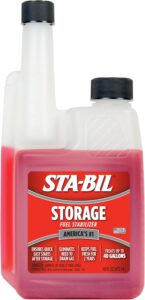
STA-BIL is well-known for one thing: long-term fuel storage. If you plan to store fuel for months, STA-BIL helps prevent fuel from going bad. It keeps gasoline from breaking down, forming gum, or causing varnish buildup.
The main product for gasoline storage is STA-BIL Storage (often called the red bottle). It’s perfect for seasonal vehicles or any equipment you won’t use for a while.
Key Features of STA-BIL Storage:
- Long-Term Storage: STA-BIL keeps gasoline fresh for up to 24 months. It’s ideal if you store vehicles or equipment for winter or long periods.
- Affordable: STA-BIL is a budget-friendly choice for long-term storage. You get a lot of value for the price.
- Cleaning Benefits: While not its main job, STA-BIL can also clean your fuel system a little. But its focus is on storage, not cleaning.
If you need to store gasoline for a long time, STA-BIL is a reliable, cost-effective choice.
What is Seafoam?
Sea Foam is a versatile product loved by many car owners, boaters, and DIY mechanics. Like STA-BIL, it helps stabilize fuel. But Sea Foam does more than that – it also cleans your engine and fuel system.
Sea Foam can be used in gasoline and diesel engines, and even in engine oil. It’s great for fixing problems like rough idling, hesitation, or dirty injectors.
Key Features of Sea Foam Motor Treatment:
- Cleaning Power: Sea Foam excels at cleaning. It helps remove carbon buildup and cleans fuel injectors, carburetors, and intake valves.
- Versatile Use: Sea Foam works in both fuel systems and engine oil. It’s also safe for both gasoline and diesel engines.
- Corrosion Protection: Sea Foam helps prevent rust and corrosion, even in harsh conditions like saltwater.
Sea Foam may cost more than STA-BIL, but its cleaning power and ability to work in different systems make it worth considering. If your engine is already having trouble, Sea Foam could be the fix you need.
Product Overview and Key Claims
| Product Name | Brand | Primary Stated Functions | Target Applications | Key Claimed Benefit |
| STA-BIL Storage | STA-BIL | Long-term fuel storage, Prevents gum/varnish/rust/corrosion, Water removal, Cleans carbs/injectors | Gasoline (2 & 4-stroke), Ethanol & Non-ethanol blends | Keeps fuel fresh up to 24 months |
| STA-BIL 360° Marine | STA-BIL | Ethanol treatment, Water removal, PEA fuel system cleaning, Corrosion prevention | Marine gasoline engines | Year-round protection, Keeps fuel fresh 12 months |
| STA-BIL Diesel Formula | STA-BIL | Prevents sludge/sediment, Cleans/lubricates injectors, Water removal, Stabilizes fuel | Diesel engines (all types including agricultural, marine) | Keeps diesel fresh up to 12 months |
| STA-BIL Small Engine Pro | STA-BIL | Cleans injectors/carbs, Lubricates valves/pistons, Quiets engines, Ethanol protection | Small gasoline engines (2 & 4-stroke) | Multi-system additive for small engines |
| Sea Foam Motor Treatment | Sea Foam | Cleans fuel & oil systems, Lubricates upper cylinders, Stabilizes fuel, Manages moisture | Gasoline & Diesel engines (all types), 2 & 4-stroke, Oil systems | Stabilizes fuel up to 2 years, Cleans deposits |
| Sea Foam Marine PRO | Sea Foam | Complete marine fuel system treatment, Cleans residues, Prevents common marine issues, Stabilizes fuel | All marine gasoline engines (2 & 4-stroke, inboard/outboard) | Prevents corrosion, Improves performance |
| Sea Foam High Mileage | Sea Foam | Cleans fuel & oil deposits, Prevents rough performance, Reduces long-term wear | Gas cars & trucks >75,000 miles | Formulated for higher mileage vehicles |
| Sea Foam Spray | Sea Foam | Cleans GDI intake valves, Upper engine cleaning | Gasoline Direct Injection engines, Upper engine areas | Targets hard-to-reach deposits |
Comparing Cost and Value
Now that we know what each product does, let’s talk about cost. When it comes to fuel additives, price is an important factor, but you also want to think about value. What are you getting for your money?
STA-BIL Storage:
STA-BIL is one of the most affordable fuel additives when it comes to long-term storage. You get a lot of mileage out of each bottle. For example, you can treat up to 2.5 gallons of gasoline with just 1 ounce of STA-BIL. That makes it very economical for anyone who needs to store fuel for extended periods.
On average, a 32 oz bottle of STA-BIL Storage costs between $12.48 and $19.99. When you break it down, that comes to about 16 to 22 cents per gallon of fuel stored.
Sea Foam Motor Treatment:
Sea Foam, on the other hand, has a higher price tag. A 16 oz bottle typically costs between $8.48 and $13.90. This might seem like a lot, but keep in mind that Sea Foam does more than just stabilize fuel – it cleans and protects your engine too.
For storage, Sea Foam treats 1 gallon per ounce. That makes it about 53 to 75 cents per gallon when used for stabilization. However, for cleaning purposes, Sea Foam recommends using 2 ounces per gallon. This can push the cost up to $2.83 to $4.24 per gallon.
Cost Comparison:
| Product | Average Price | Treat Rate (Storage) | Cost per Gallon (Storage) | Treat Rate (Cleaning) | Cost per Gallon (Cleaning) |
| STA-BIL Storage | $12.48 – $19.99 | 1 oz / 2.5 gallons | $0.16 – $0.22 | (Secondary) | (Minimal cost at storage dose) |
| Sea Foam Motor Treatment | $8.48 – $13.90 | 1 oz / 1 gallon | $0.53 – $0.75 | 2 oz / gallon | $2.83 – $4.24 |
As you can see, STA-BIL is far more economical for long-term storage. However, Sea Foam offers more benefits in terms of cleaning, making it a better option for those dealing with engine performance issues.
Strengths and Weaknesses of Stabil vs Seafoam
When deciding between STA-BIL and Sea Foam, it’s important to consider both the strengths and weaknesses of each product. Both have their own unique advantages, and depending on what you’re looking for, one might be a better choice than the other.
STA-BIL’s Strengths:
- Long-Term Storage:
STA-BIL shines when it comes to long-term fuel storage. It’s one of the most effective and affordable options for preventing fuel degradation. If you’re someone who stores fuel for months, such as for a boat or a seasonal vehicle, STA-BIL is a solid choice. - Cost-Effective for Gasoline Storage:
As mentioned earlier, STA-BIL’s price-to-performance ratio for gasoline storage is tough to beat. You get a lot of use out of a single bottle. Plus, it works well even with ethanol-blended fuels, which are commonly used today. - Diesel and Marine Options:
STA-BIL offers specialized formulas for both diesel engines and marine fuel systems. This makes it a versatile brand if you need specific additives for these types of engines. - PEA Cleaners in Marine Formulas:
STA-BIL’s marine products, like the STA-BIL 360° Marine, include Polyetheramine (PEA) cleaners. These are great for keeping fuel systems clean and removing water, which is a big problem in marine environments.
STA-BIL’s Weaknesses:
- Limited Cleaning Power at Storage Dosage:
While STA-BIL does an excellent job stabilizing fuel, its cleaning capabilities aren’t as strong as Sea Foam. If you need to clean your engine or fuel system, you might need a stronger solution or higher concentration, which isn’t what STA-BIL is primarily designed for. - Carcinogenic Concerns:
Some of STA-BIL’s formulations, particularly for gasoline, come with a warning for carcinogenicity due to ingredients like naphthalene. While this is not a huge issue for most users, it’s something to keep in mind, especially if you handle the product often. - Can Cause Issues After Prolonged Storage:
There are some reports that STA-BIL can cause hard starts after a very long period of storage, particularly if the fuel dries out or is left too long in carburetors. For a lot of users, this won’t be a major issue, but it’s something to be aware of if you leave your fuel for extended periods.
Sea Foam’s Strengths:
- Versatility:
One of the biggest advantages of Sea Foam is its versatility. It works in both gasoline and diesel engines. Whether you’re dealing with a car, motorcycle, lawnmower, or boat, Sea Foam has you covered. - Exceptional Cleaning Power:
Sea Foam excels at cleaning fuel systems. It’s well known for its ability to clean fuel injectors, carburetors, and internal engine deposits. If you’re dealing with a clogged engine, rough idling, or poor acceleration, Sea Foam might be the perfect solution. - Moisture Control:
Sea Foam contains isopropyl alcohol, which helps remove moisture from the fuel system. This is particularly useful in colder climates where condensation can form in the fuel tank and lead to engine issues. - Corrosion Protection:
If you’re using your vehicle in environments that expose it to moisture—like marine settings or humid regions—Sea Foam offers solid corrosion protection. It has been tested in saltwater conditions, making it a good option for boats and other marine engines.
Sea Foam’s Weaknesses:
- Higher Price for Storage:
While Sea Foam’s cleaning abilities are great, its storage capabilities come at a cost. For just basic fuel stabilization, Sea Foam is much more expensive than STA-BIL. If you’re only looking to store fuel for months and not clean your engine, you’ll be paying more for Sea Foam than you would with STA-BIL. - Costly for Intensive Cleaning:
If you need to use Sea Foam at its cleaning dosage (2 oz per gallon), the cost per gallon can get pretty high. For some users, this makes it an expensive option for long-term cleaning. - Conflicting Reports on Corrosion Resistance:
While Sea Foam is excellent for corrosion resistance in many cases, there have been some conflicting reports from users in colder climates with E10 fuel. Some users have experienced corrosion issues despite Sea Foam’s promising lab results. It’s something to keep in mind depending on your local conditions.

Recommended Usage and Treatment Ratios
| Product Name | Brand | Application Scenario | Recommended Treat Rate (approx.) | Frequency | Key Notes |
| STA-BIL Storage (Red) | STA-BIL | Long-Term Storage (up to 24 mo) | 1 oz per 2.5 gal (30ml per 9.5L) | Per storage period | Add to FRESH fuel; Run engine 5 min after adding; Store tanks full |
| Seasonal Storage (up to 12 mo) | 1 oz per 2.5 gal (30ml per 9.5L) | Per storage period | Cannot revitalize old fuel | ||
| STA-BIL 360° Marine | STA-BIL | Marine Regular Use / Storage (up to 12 mo) | 1 oz per 10 gal | Every fill-up / Per storage period | Pour in before gassing; Run engine 5 min |
| STA-BIL Diesel | STA-BIL | Diesel Regular Use | 1 oz per 10 gal | Every fill-up | Safe for all diesel engines |
| Diesel Storage Only | 1 oz per 5 gal | Per storage period | Add to fresh diesel fuel | ||
| Sea Foam Motor Tx | Sea Foam | Fuel Storage (up to 2 yrs) / Regular Maintenance | 1 oz per 1 gal | Every 3k miles (cars) / Every refuel (small eng) | Safe for Gas & Diesel; Oil systems too |
| Intensive Fuel System Cleaning | 2+ oz per gal (or 16oz can per 2-3 gal) | As needed | Add to LOW tank; “More is better for cleaning” | ||
| Oil System Cleaning | 1 oz per quart of oil | 100-300 miles before oil change | Add to crankcase | ||
| Sea Foam Marine PRO | Sea Foam | Marine Regular Use / Storage | 1 oz per 1 gal | Every tank / Per storage period | For all 2 & 4-stroke gas marine engines |
| Marine Intensive Cleaning | 2+ oz per gal (or 20oz can per 2-3 gal) | As needed | Add to LOW tank; Run engine 20+ min | ||
| Sea Foam High Mileage | Sea Foam | Fuel Storage / Regular Maintenance (High Mileage Veh) | 1 oz per 1 gal | Every 3k miles / 5k km | For gas vehicles >75k miles |
| Oil System Cleaning (High Mileage Veh) | 1 oz per quart of oil | 150-450 km before oil change | Add to crankcase |
Summary of Effectiveness from Reviews/Tests
| Performance Attribute | STA-BIL (General Findings) | Sea Foam (General Findings) | Notes/Contradictions |
| Long-Term Fuel Stabilization (>1yr) | Generally effective, trusted for storage. Claims up to 24 months. | Effective, claims up to 2 years. Some users prefer for starting after storage. | STA-BIL is primarily known for this. |
| Short-Term Fuel Stabilization (<1yr) | Effective. | Effective. | Both are suitable. |
| Gum/Varnish Prevention (Storage) | Primary function, generally effective. | Effective as part of stabilization. | STA-BIL’s core strength. |
| Carburetor Cleaning | Claimed by Storage ; 360 Marine (PEA) likely more potent. Some reports of residue if it dries out. | Widely reported as effective, a primary strength. | Sea Foam is often chosen specifically for this. |
| Fuel Injector Cleaning | Claimed by Storage ; Diesel & 360 Marine versions emphasize this. | Widely reported as effective. | Sea Foam is often chosen specifically for this. |
| Water Removal/Management | Storage claims water removal ; Marine version emphasizes this ; Diesel demulsifies. | IPA content solubilizes/disperses water. | Different mechanisms; STA-BIL Marine focuses on removal/demulsification, Sea Foam on dispersion. |
| Corrosion Prevention (General) | Claimed effective. | Claimed by Marine PRO. | Dependent on specific product and conditions. |
| Corrosion Prevention (Saltwater Env.) | STA-BIL Ethanol “did help” but not a top performer in one test. | Top performer and “Budget Buy” in one aggressive saltwater test. | Sea Foam showed strength here. |
| Corrosion Prevention (Cold/Steel) | No specific negative reports in snippets. | One user reported it as worst for corrosion on steel in long-term cold storage with E10. | Significant contradiction with saltwater test results. Highlights condition-dependent performance. |
Cost Comparison and Value Analysis
| Product Name | Brand | Typical Size | Avg. Price Range | Treat Rate (Storage) | Cost/Gal (Storage, approx.) | Treat Rate (Cleaning) | Cost/Gal (Cleaning, approx.) | Key Value Proposition |
| STA-BIL Storage | STA-BIL | 32 oz | $12.48 – $19.99 | 1 oz / 2.5 gal | $0.16 – $0.22 | (Secondary benefit) | (At storage dose) | Most cost-effective for long-term gasoline storage. |
| Sea Foam Motor Treatment | Sea Foam | 16 oz | $8.48 – $13.90 | 1 oz / 1 gal | $0.53 – $0.75 | 2+ oz / gal or 16oz / 2-3 gal | $2.83 – $4.24 | Versatile cleaner & stabilizer for fuel/oil, gas/diesel; strong cleaning. |
| STA-BIL 360° Marine | STA-BIL | 32 oz | $19.99 – $29.99 | 1 oz / 10 gal | $0.06 – $0.09 | (PEA cleaners at maint. dose) | (At storage dose) | Very economical for regular marine maintenance & storage; includes PEA. |
| Sea Foam Marine PRO | Sea Foam | 20 oz | $13.90 – $26.75 | 1 oz / 1 gal | $0.70 – $1.34 | 2+ oz / gal | Higher | Strong cleaning & good corrosion protection in saltwater test. |
| STA-BIL Diesel Formula | STA-BIL | 32 oz | $23.99 – $27.99 | 1 oz / 5 gal (storage) | ~$0.15 – $0.17 (storage) | (Cleans at maint. dose) | (At storage dose) | Specialized for diesel; storage, cleaning, lubrication. |
Note: Costs per gallon are estimates based on average prices and recommended treat rates. Actual costs may vary.
You can also read:Why the Best Fuel Stabilizer for Harley Davidson Will Save Your Bike?
FAQs: STA-BIL vs Sea Foam
1. What is the difference between STA-BIL and Sea Foam?
STA-BIL is mainly used for long-term fuel storage, while Sea Foam is a versatile cleaner and stabilizer for fuel and oil systems. Sea Foam is better for cleaning, and STA-BIL is ideal for preventing fuel degradation.
2. Which product is better for long-term fuel storage?
STA-BIL is the best choice for long-term fuel storage. It effectively prevents fuel degradation and keeps gasoline fresh for up to 24 months, making it ideal for seasonal equipment and vehicles.
3. Can I use Sea Foam for cleaning my fuel system?
Yes, Sea Foam is excellent for cleaning fuel injectors, carburetors, and internal engine deposits. It works well for removing dirt and improving engine performance.
4. Which is more cost-effective: STA-BIL or Sea Foam?
STA-BIL is generally more cost-effective, especially for long-term storage. It has a lower cost per gallon treated, while Sea Foam is more expensive due to its cleaning capabilities and versatility.
5. Can I use Sea Foam in diesel engines?
Yes, Sea Foam can be used in diesel engines, providing both fuel stabilization and cleaning. However, STA-BIL offers more specialized diesel products like STA-BIL Diesel Formula for optimal performance.
6. Is STA-BIL safe to use in marine engines?
Yes, STA-BIL offers a specific marine product, STA-BIL 360° Marine, designed for regular maintenance and fuel storage in marine engines. It includes PEA cleaners and moisture control for marine environments.
7. Can I use Sea Foam for both gasoline and diesel engines?
Yes, Sea Foam is versatile and can be used in both gasoline and diesel engines, offering stabilization, cleaning, and moisture control for all types of fuel systems.
8. Which product is best for cleaning an engine with performance issues?
Sea Foam is the best option for cleaning engines with performance issues. It is highly effective at removing carbon deposits and restoring fuel system functionality, especially in dirty engines.
9. Is Sea Foam more expensive than STA-BIL?
Yes, Sea Foam tends to be more expensive than STA-BIL, especially when used for intensive cleaning. However, it offers greater versatility and cleaning power, making it a strong choice for various applications.
10. How do I use STA-BIL for fuel storage?
For fuel storage, add 1 ounce of STA-BIL Storage per 2.5 gallons of gasoline. This helps prevent fuel degradation, gum buildup, and keeps the fuel fresh for long periods.
11. Can I use STA-BIL for regular fuel system maintenance?
STA-BIL is primarily for fuel storage. While it can offer some cleaning benefits, it is not as effective for ongoing fuel system maintenance compared to Sea Foam, which is designed for that purpose.
12. Which product works better for marine fuel systems?
STA-BIL 360° Marine is specially designed for marine engines. It offers corrosion protection, moisture handling, and effective fuel stabilization. Sea Foam Marine PRO is also a strong option but comes at a higher price.
13. What is the best product for high-mileage vehicles?
For high-mileage vehicles, Sea Foam High Mileage is the best choice. It’s specifically formulated with extra detergents and lubricants to clean and maintain older engines, improving performance.
14. Is Sea Foam safe to use in engine oil?
Yes, Sea Foam is safe to use in engine oil. It can clean oil systems, remove sludge, and improve engine performance by helping to break down deposits in the engine.
15. Can STA-BIL prevent fuel from going bad in small engines?
Yes, STA-BIL is effective at preventing fuel degradation in small engines. It’s great for seasonal equipment like lawnmowers, motorcycles, and chainsaws, keeping the fuel fresh during off-seasons.
Which One is Best for You?
Now that we’ve discussed the strengths and weaknesses of both STA-BIL and Sea Foam, let’s dive into which product might be the best for your specific needs. The decision really comes down to what you prioritize: cost, cleaning power, or storage time.
If You Need Long-Term Storage:
- STA-BIL Storage is the clear winner.
If your primary concern is keeping fuel fresh over a long period (e.g., for seasonal equipment or classic cars), STA-BIL is the best choice. It’s specifically formulated to prevent fuel degradation and prevent issues like varnish or gum buildup in your engine. For example, if you store a boat during the winter or a car for several months, STA-BIL is perfect for ensuring the fuel doesn’t go stale. - Sea Foam can still be used, but it’s not as cost-effective for this purpose. While it can stabilize fuel, its primary strength lies in cleaning. If you’re mainly looking for fuel stabilization, STA-BIL will give you more bang for your buck.
If You Need Active Cleaning:
- Sea Foam Motor Treatment is the go-to option.
Sea Foam’s reputation as a cleaning powerhouse is well-deserved. If you’re dealing with a sluggish engine, dirty injectors, or old fuel causing performance issues, Sea Foam is the better choice. It can clean fuel systems and restore engine performance much more effectively than STA-BIL, especially at higher concentrations. - STA-BIL has some cleaning capabilities, but it’s not designed to actively clean an engine that’s already clogged or underperforming. For storage, it’s great, but for an engine with existing issues, Sea Foam is the way to go.
If You Need Versatility:
- Sea Foam wins again.
If you’re someone who likes to use one product for multiple purposes—gasoline, diesel, and even engine oil—Sea Foam is highly versatile. You can use it for fuel stabilization, cleaning, and moisture control. It works in almost any engine, from cars to boats to lawnmowers. - STA-BIL is more specialized. While it does offer options for gasoline, diesel, and marine fuel systems, it doesn’t have the same level of cross-application versatility as Sea Foam. For example, Sea Foam can be used in both the fuel system and the oil system, while STA-BIL is mainly focused on fuel storage and protection.
If You Need a Cost-Effective Option for Fuel Storage:
- STA-BIL Storage is the winner.
If you just need a product to keep fuel fresh for an extended period, STA-BIL is the more affordable option. Its cost per gallon treated is lower than Sea Foam’s, and it’s very effective at preventing fuel degradation, making it ideal for long-term storage situations like cars, motorcycles, or seasonal equipment. - Sea Foam is more expensive for just fuel stabilization. If cleaning isn’t a priority, you might end up spending more than you need to with Sea Foam.
For Marine Applications:
- STA-BIL 360° Marine offers great value for regular maintenance and fuel storage in marine engines. It’s highly cost-effective, especially considering its PEA cleaners and moisture-handling capabilities. For boats or other marine equipment, this is a solid choice.
- Sea Foam Marine PRO offers strong cleaning, but it is more expensive. If you need corrosion protection in saltwater environments and the best cleaning power, Sea Foam Marine PRO is a great product, but you’ll pay more for the privilege.
Final Thoughts
- Go with STA-BIL Storage if your main goal is long-term fuel storage at the lowest cost per gallon. It’s affordable, effective, and reliable.
- Go with Sea Foam if you need a product that can clean your engine and fuel system, work in both gasoline and diesel engines, and even be used in the oil system. It’s perfect for active maintenance and cleaning, though it comes at a higher price.
Ultimately, both products have earned their place in the market and serve different purposes. The right choice for you will depend on your specific needs and priorities. Whether you’re storing fuel for months, dealing with a dirty engine, or looking for a versatile solution, there’s a product for you.