What is the Difference between Motorcycle Oil And Atv Oil: Key Facts Explained

Are you confused about whether to use motorcycle oil or ATV oil for your ride? Choosing the right oil is more important than you might think.
Using the wrong type can affect your engine’s performance and even cause damage over time. You’ll discover the key differences between motorcycle oil and ATV oil, so you can protect your machine and keep it running smoothly. Keep reading to find out exactly what your vehicle needs—and why it matters to you.
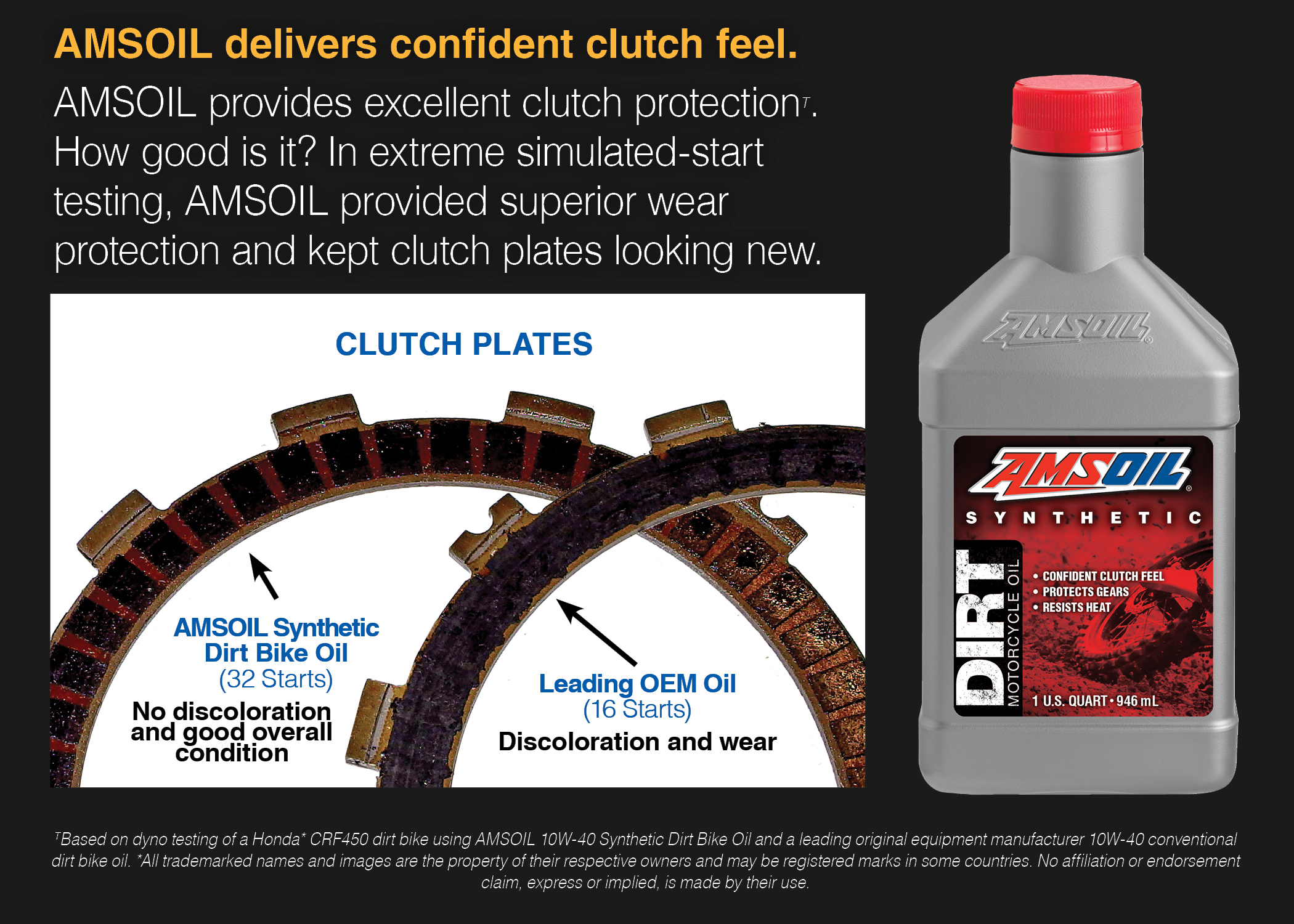
Credit: blog.amsoil.com
Types Of Oils
Understanding the types of oilsis key to knowing the difference between motorcycle oil and ATV oil. Both oils serve to protect engines, but their formulations differ due to unique engine oil differencesand usage conditions. Choosing the right oil depends on the vehicle’s design and needs. This section explains the main motorcycle oil typesand ATV oil varietiesto help you make the best choice.
Motorcycle Oil Varieties
Motorcycle oilcomes in several forms, each designed for specific engine demands and riding styles. The oil must handle high engine temperatures, clutch friction, and variable speeds. Synthetic motorcycle oilis popular for its stability and protection in extreme conditions.
- Mineral Oil:Basic and affordable, good for low mileage and gentle riding.
- Semi-Synthetic Oil:A mix of mineral and synthetic oils; balances cost and performance.
- Fully Synthetic Oil:Offers superior engine protection, better for high-performance bikes.
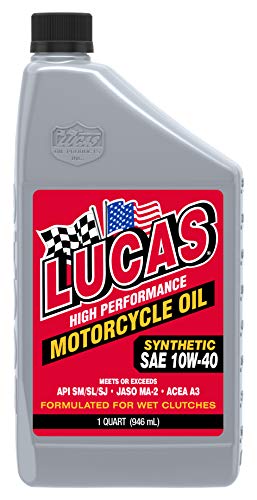
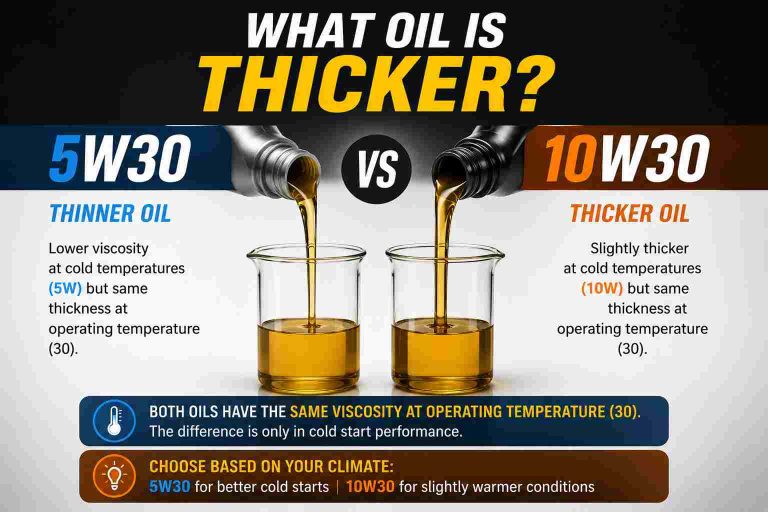
Oil viscosity for motorcycles varies based on climate and engine type. Common grades include 10W-40 and 20W-50. The right viscosity keeps the engine well-lubricated during both cold starts and hot rides.
| Motorcycle Oil Type | Best For | Example Viscosity |
|---|---|---|
| Mineral Oil | Casual riders, older bikes | 10W-40 |
| Semi-Synthetic | Regular riders, mixed conditions | 10W-40, 20W-50 |
| Fully Synthetic | Performance bikes, high heat | 10W-40, 5W-40 |
Motorbike oil brandsoften list their oil’s compatibility with specific motorcycle models and clutch types. This helps riders pick oil that matches their bike’s needs and ensures smooth gear shifts.
Atv Oil Varieties
ATV oilmust meet different standards because of the unique demands of off-road driving. The oil needs to handle rough terrain, dirt, and water exposure while protecting the engine. Off-road vehicle oilhas additives to resist wear and prevent corrosion.
ATV oil specificationsfocus heavily on ATV engine protectionand maintaining performance in harsh conditions. The oils often have higher detergent levels to keep engines clean during tough rides.
- Conventional ATV Oil:Good for light off-road use and moderate temperatures.
- Synthetic ATV Oil:Provides better protection for extreme environments and long rides.
- High Mileage ATV Oil:Designed for older engines needing extra care.
Common viscosities for ATV oils include 10W-40 and 5W-50, ensuring the oil flows well across temperature changes. ATV oil requirementsemphasize durability and resistance to contaminants.
| ATV Oil Type | Best For | Example Viscosity |
|---|---|---|
| Conventional Oil | Light off-road, daily use | 10W-40 |
| Synthetic Oil | Heavy off-road, extreme weather | 5W-50, 10W-50 |
| High Mileage Oil | Older ATVs | 10W-40 |
Understanding motorcycle vs ATV lubricationclarifies why these oils are not always interchangeable. ATV oils focus on engine protectionin dirt and mud, while motorcycle oils manage clutch engagement and high-speed performance. Using the correct oil type extends engine life and improves vehicle reliability.
Engine Requirements
Understanding the engine requirementsis key to choosing the right oil for motorcycles and ATVs. Both machines need proper lubrication to protect their engines and keep them running smoothly. Yet, their engines have different designs and uses, so the oil must meet specific demands. Factors like engine lubrication differences, oil viscosity for motorcycles, and ATV oil specificationsplay a big role in performance and durability. Knowing these needs helps select the best oil type, whether synthetic or conventional, to enhance motorcycle engine performanceor support ATV engine durability.
Motorcycle Engine Needs
Motorcycle engines are built for speed and smooth operation. They often combine the engine, transmission, and clutch in one unit, which affects oil choice. Motorcycle oil additivesmust protect all parts from wear and reduce friction. High-quality lubrication supports quick gear shifts and engine cooling.
- Oil Viscosity for Motorcycles:Usually lighter oils (10W-40 or 20W-50) are preferred for better flow at high speeds.
- Motorcycle Oil Types:Synthetic oils offer better heat resistance and longer life, while conventional oils are affordable and suitable for less demanding rides.
- Synthetic Vs Conventional Oil:Synthetic oils resist breakdown and maintain viscosity better under extreme conditions.
Motorcycle engines run at higher RPMs and temperatures compared to ATVs. The oil must handle this stress to prevent engine damage. Proper lubrication reduces friction and keeps parts clean from deposits. This ensures peak motorcycle engine performanceand extends engine life.
| Requirement | Motorcycle Oil Needs |
|---|---|
| Viscosity | Light to medium (10W-40, 20W-50) |
| Additives | Friction modifiers, detergents, anti-wear agents |
| Type | Synthetic or conventional |
| Engine Design | Combined engine, transmission, clutch |
Atv Engine Needs
ATV engines face different challenges. They work in rough, off-road conditions requiring strong protection against dirt, water, and heavy loads. ATV oil requirementsfocus on durability and contamination resistance. These engines usually have separate transmission systems, so oil formulas differ from motorcycles.
- ATV Oil Specifications:Oils must protect against mud and dust, often with higher detergent levels.
- Atv Engine Durability:Requires thicker oils for stable lubrication under low-speed, high-torque conditions.
- All-Terrain Vehicle Maintenance:Regular oil changes are critical to avoid damage from harsh environments.
Many ATVs use oils with higher viscosity grades (15W-50 or 20W-50) to maintain a thick oil film. This prevents wear on gears and bearings during slow, heavy use. The oil also helps cool the engine but must resist breakdown from dirt and moisture. Proper lubrication extends engine life and improves reliability in tough terrain.
| Requirement | ATV Oil Needs |
|---|---|
| Viscosity | Medium to heavy (15W-50, 20W-50) |
| Additives | High detergents, anti-corrosion, anti-foam agents |
| Type | Mostly synthetic or synthetic blends |
| Engine Design | Separate transmission, rugged use |
Additives And Formulations
Additives and formulationsplay a crucial role in distinguishing motorcycle oilfrom ATV oil. Both types of oil share the goal of protecting engines and improving performance, yet their additive packages and base formulations vary. This difference arises from the unique demands placed on motorcycle enginesversus off-road vehicles. Understanding these distinctions helps in choosing the right oil, enhancing engine wear protection, and ensuring proper lubrication properties. The choice between synthetic vs mineral oil, as well as oil viscosity and additive blends, impacts overall performance and compatibility with engine parts.
Motorcycle Oil Additives
Motorcycle engine oilcontains additives designed to handle high speeds, hot operating conditions, and mixed lubrication environments. These additives enhance protection for both the engine and the transmission, as many motorcycles use the same oil for both systems.
- Friction modifiers:Reduce clutch slippage and improve smooth gear shifts.
- Detergents and dispersants:Keep engine parts clean by preventing sludge and deposit buildup.
- Anti-wear agents:Form a protective film to reduce metal-to-metal contact.
- Oxidation inhibitors:Prevent oil breakdown at high temperatures.
- Viscosity improvers:Maintain stable oil thickness across temperature changes.
Motorcycle oils often have a balanced formulation to support wet clutches, which are common in these engines. The oil’s compatibilitywith clutch materials is essential to avoid slipping. Also, many motorcycle oils meet specific industry standards that address both engine and transmission needs.
| Additive Type | Purpose | Impact on Performance |
|---|---|---|
| Friction Modifiers | Reduce clutch slippage | Smooth gear shifts, better power transfer |
| Anti-Wear Agents | Protect engine parts | Longer engine life |
| Detergents | Clean engine surfaces | Prevent sludge buildup |
Atv Oil Additives
ATV engine oilmust endure harsher conditions than typical motorcycle oil. Off-road vehicles often face dust, mud, water, and extreme temperature swings. Their oils contain additives focused on durability and protection under tough environments.
- Anti-foam agents:Reduce foam formation to maintain consistent lubrication.
- Corrosion inhibitors:Protect metal parts from moisture and contaminants.
- Extreme pressure additives:Provide extra protection under heavy loads and shock.
- Shear stability enhancers:Maintain oil viscosity despite rough terrain impacts.
- Seal conditioners:Keep rubber seals flexible and prevent leaks.
ATV oils often emphasize off-road vehicle oilperformance, needing to protect the engine through mud and water exposure. The formulations may lean more towards synthetic blends for stronger engine wear protectionand better lubrication propertiesin extreme conditions.
| Additive Type | Purpose | Impact on Performance |
|---|---|---|
| Extreme Pressure Additives | Protect under heavy load | Prevent engine damage in tough terrains |
| Corrosion Inhibitors | Resist moisture damage | Extend engine life |
| Seal Conditioners | Maintain seal flexibility | Reduce oil leaks |
Performance Factors
Understanding the performance factorsbehind Motorcycle Oil Vs ATV Oilhelps choose the right lubricant. Both oils serve to protect engines but differ due to their specific demands. The temperature tolerance of engine oiland the ability to handle heavy loads vary between motorcycle and ATV oils. These differences affect engine life and performance. Examining temperature and load handlingalongside friction and wear protectionreveals why each oil suits its vehicle type.
Temperature And Load Handling
The temperature tolerance of engine oilis critical for both motorcycles and ATVs, but their operating conditions differ. Motorcycles often run at steady speeds on roads, while ATVs face rough terrain and stop-start driving. These factors affect how oil performs under heat and pressure.
ATV Oil Specificationsfocus on managing high engine loads and temperature spikes. ATVs work harder, generating more heat and stress on the oil. The oil must maintain viscosity and protect the engine at these extremes.
| Factor | Motorcycle Oil | ATV Oil |
|---|---|---|
| Temperature Range | Stable at moderate engine temps | Designed for wider, higher temp ranges |
| Load Handling | Optimized for steady loads | Handles sudden, heavy engine load |
| Viscosity | Oil viscosity for motorcycles varies by type | Higher viscosity to resist breakdown |
Key points for temperature and load:
- ATV engines face more frequent high-load conditions.
- Motorcycle oils focus on smooth flow and fuel efficiency.
- Oil viscosity must suit the engine’s heat and pressure.
Friction And Wear Protection
Wear protection additivesand friction modifiers in oilplay a vital role in reducing engine wear for motorcycles and ATVs. Both vehicles need strong protection but under different stresses.
Motorcycle engines require precise lubrication to support high RPMs and shifting. Motorcycle engine oil typesinclude synthetic and conventional, each with different friction control properties. Synthetic oils often provide better wear protection and stability at high temperatures.
ATV oil must protect against harsh conditions like dirt, mud, and vibration. It often contains more robust wear protection additives to withstand the ATV engine load. This helps prevent metal-to-metal contact and extends engine life.
| Feature | Motorcycle Oil | ATV Oil |
|---|---|---|
| Wear Protection Additives | Balanced for high-speed engine parts | Enhanced for rugged off-road use |
| Friction Modifiers | Optimized for smooth clutch operation | Focus on heavy load and shock resistance |
| Oil Base | Both synthetic and conventional types common | Synthetic preferred for durability and protection |
Important points on wear protection:
- Motorcycle oils support smooth gear shifts and clutch function.
- ATV oils protect against dirt and heavy impact.
- Synthetic vs conventional oil for ATVs affects longevity and protection.
Compatibility Issues
Compatibility issuesarise because engine oil for motorcycles and ATVs have different formulations. Both oils protect engines, but their additives and viscosity levels vary. These differences affect performance and engine life. Using the wrong oil type may cause wear, overheating, or poor lubrication. Understanding the differences between motorcycle and ATV oilhelps prevent damage and ensures smooth engine operation.
Using Motorcycle Oil In Atvs
Using motorcycle oil in ATVsis common but not always ideal. Motorcycle oil types contain additives designed for high-revving engines and wet clutches. ATV engine oil specifications focus more on protection against dirt, water, and heavy loads. The variations in ATV oil viscosityand additive packages affect how well the oil handles off-road conditions.
Key points to consider:
- Motorcycle oil additives often include friction modifiers for wet clutches.
- ATVs face harsher environments, needing better protection against dust and moisture.
- Viscosity grades in motorcycle oils may not match ATV requirements.
Here is a simple comparison table:
| Feature | Motorcycle Oil | ATV Oil |
|---|---|---|
| Viscosity | Typically thinner for high RPM | Thicker to handle rough conditions |
| Additives | Focus on clutch protection | Focus on dirt and water resistance |
| Engine Environment | Road use, less dirt exposure | Off-road, dusty and wet |
Using motorcycle oil in an ATV sometimes works for short-term use. But poor ATV oil compatibilitycan reduce engine protection. It may cause clutch slippage or increased engine wear. Always check the manufacturer’s recommendations for the best oil choice.
Using Atv Oil In Motorcycles
Using ATV oil in motorcyclesis not usually recommended. ATV oils are made for engines that run at lower speeds and face dirt and water exposure. Motorcycle engines run at higher RPMs and need oils with special additives and thinner viscosity. Using ATV oil might lead to poor engine performance or damage.
Important factors include:
- Viscosity mismatch:ATV oil viscosity might be too thick for motorcycles.
- Lack of clutch additives:ATV oils may not protect wet clutches found in motorcycles.
- Engine heat handling:Motorcycle oils are designed to handle higher temperatures.
Consider this comparison:
| Aspect | Motorcycle Oil | ATV Oil |
|---|---|---|
| Clutch Protection | Includes friction modifiers | Limited or none |
| Temperature Range | High heat tolerance | Moderate heat tolerance |
| Viscosity | Lower viscosity for fast engines | Higher viscosity for rugged use |
Using ATV oil in motorcycles risks poor lubrication and clutch issues. The motorcycle oil additivesare tailored to specific engine needs. Swapping oils without considering specifications can shorten engine life and reduce performance. Always match oil type to engine design for best results.
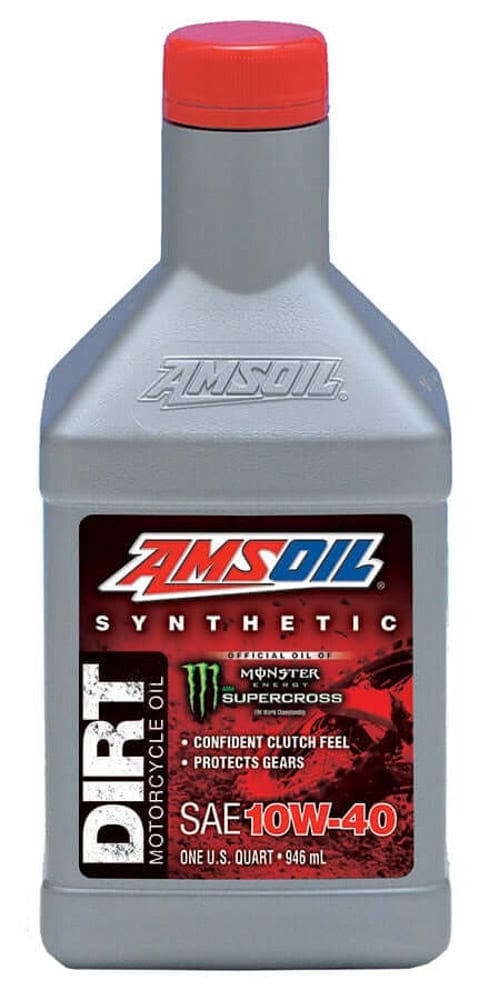
Credit: www.atvtrailrider.ca
Manufacturer Recommendations
Manufacturer Recommendationsplay a crucial role in choosing the right oil for your vehicle. Different vehicles need different types of oil based on their engine design and usage conditions. This is especially true for motorcycles and ATVs. Manufacturers provide clear guidelines to ensure the engine runs smoothly and lasts longer. Ignoring these guidelines can lead to poor performance or even damage.
Motorcycle Oil Manufacturer Guidelines
Motorcycle engines often need motorcycle oil additivesthat help protect the clutch and transmission. Manufacturers specify oil viscosity for motorcyclesto suit high-revving engines. They also recommend certain motorcycle oil types, such as synthetic or conventional oils, based on engine design.
- Use oils meeting JASO MA or MA2 standards for proper clutch performance.
- Follow oil change intervalsbased on mileage or time, usually every 3,000 to 5,000 miles.
- Choose synthetic oils for better heat resistance and engine protection in sport or high-performance bikes.
Atv Oil Manufacturer Recommendations
ATV engines require oils designed for tougher off-road conditions, often labeled as off-road vehicle oil. Manufacturers focus on ATV engine lubricationthat handles dirt, mud, and frequent stops. The ATV oil specificationsusually call for oils with strong detergents and anti-wear additives.
- Use oils that meet API service classifications for four-stroke engines.
- Select oils with appropriate viscosity to handle variable temperatures and terrain.
- Regularly change oil to prevent buildup from harsh riding conditions, usually every 1,000 to 2,000 miles.
Comparing Manufacturer Recommendations
| Aspect | Motorcycle Oil | ATV Oil |
|---|---|---|
| Engine Type | High-revving, often with wet clutch | Off-road, heavy-duty use |
| Oil Additives | Clutch-friendly additives | Detergents and anti-wear agents |
| Viscosity | Specific for engine speed and temperature | Designed for variable, tough conditions |
| Oil Change Interval | 3,000-5,000 miles | 1,000-2,000 miles |
| Oil Type | Synthetic or Conventional | Synthetic or Conventional for off-road |
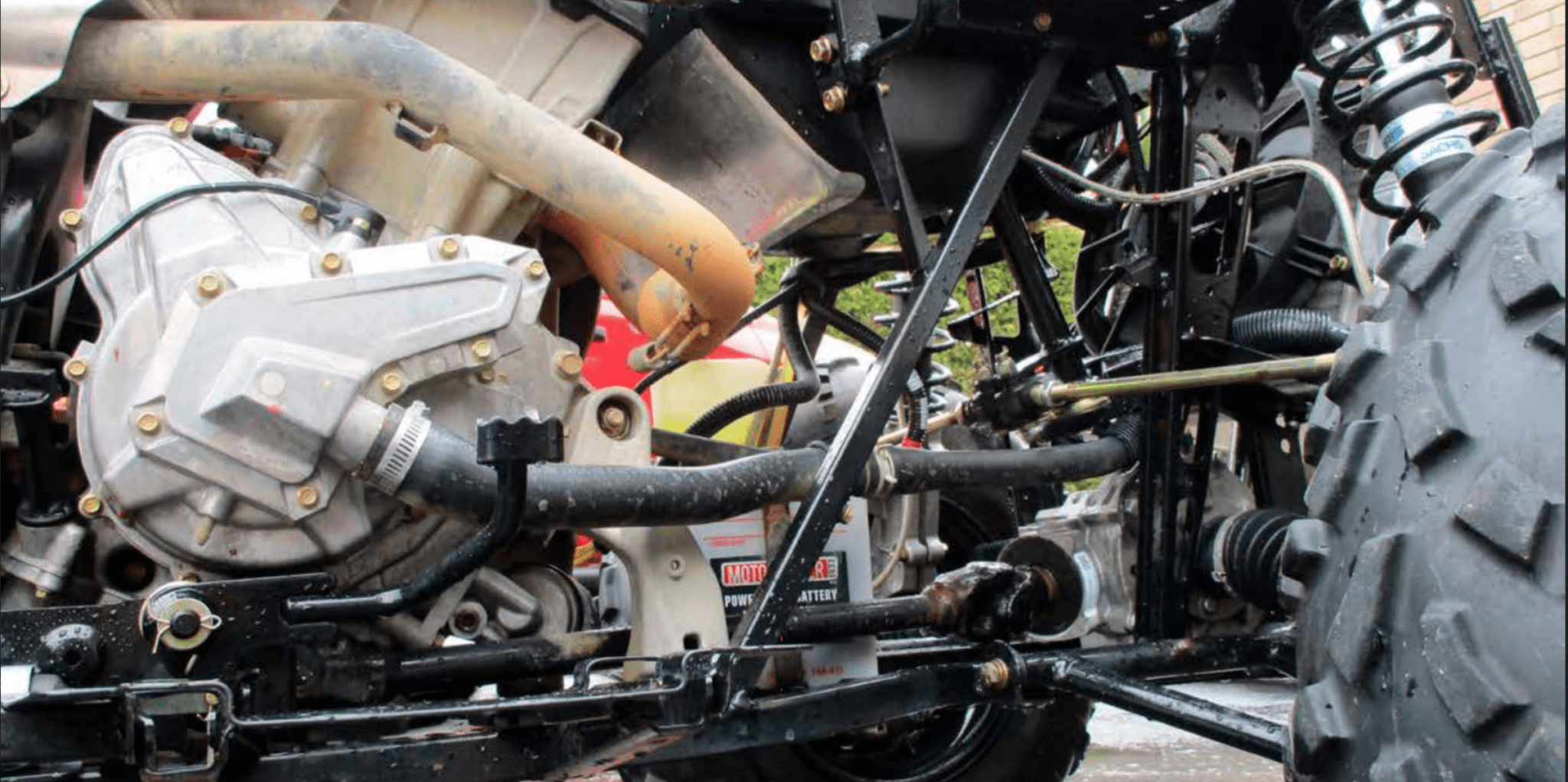
Credit: www.atvtrailrider.ca
FAQs for what is the difference between motorcycle oil and atv oil
What Makes Motorcycle Oil Different From Atv Oil?
Motorcycle oil contains additives for wet clutches and high RPMs. ATV oil focuses more on dirt resistance and engine protection under rough conditions. Each oil is formulated to meet the specific engine and transmission needs of the vehicle type.
Can I Use Motorcycle Oil In My Atv?
It is not recommended. Motorcycle oils may lack the necessary dirt control and heavy-duty additives ATV engines require. Using the wrong oil can reduce performance and cause engine wear.
Why Does Atv Oil Have Extra Detergent Additives?
ATVs often operate in dusty, dirty environments. Detergent additives help keep the engine clean and prevent sludge buildup. This ensures longer engine life and better performance in harsh conditions.
Are Motorcycle Oils Designed For Higher Engine Temperatures?
Yes, motorcycle oils are formulated to handle higher engine temperatures and frequent high RPMs. This helps protect the engine and clutch system during aggressive riding.
Conclusion
Choosing the right oil keeps your engine strong and lasting. Motorcycle oil and ATV oil have different needs. Each type protects parts in its own way. Using the correct oil helps avoid damage and saves money. Always check your vehicle’s manual before buying oil.
This small step makes a big difference. Clean oil means smoother rides and fewer repairs. Remember, good care leads to better performance and fun times on the road or trail. Simple but important.