Why are Motorcycle Oil Changes so Expensive ?

If you own a motorcycle, you’ve probably noticed how costly oil changes can be compared to your car. You might be wondering, why does something as simple as changing oil burn a bigger hole in your wallet?
Understanding the reasons behind these higher costs can help you make smarter choices for your bike’s care and your budget. Keep reading to discover what makes motorcycle oil changes more expensive and how you can still keep your engine running smoothly without overspending.

Credit: www.cleanharleys.com
You can also read : Can You Mix Two Different Oil Brands In Motorcycles?
Cost Factors Behind Oil Changes
Motorcycle oil changes often cost more than car oil changes. Several cost factors behind oil changesexplain this difference. The price reflects the quality of materials and the effort required to maintain your bike’s engine. Understanding these factors helps riders appreciate why service centers charge what they do. Motorcycle maintenance costsdepend on parts like oil and filters, and the time mechanics spend on the job. Each factor plays a role in the final price.
High-quality Synthetic Oils
High-performance motorcycle oilis not the same as regular car oil. Most motorcycles need synthetic oils designed for their engines. These oils offer better protection and last longer, which improves engine life. Synthetic oil benefits include:
- Better heat resistance, which prevents oil breakdown.
- Improved lubrication, reducing engine wear.
- Enhanced performance in both cold and hot weather.
- Longer oil change frequency, saving money over time.
These benefits come at a higher price. Synthetic oils cost more to produce due to the advanced technology used. For example, a typical synthetic motorcycle oil bottle costs 2-3 times more than regular oil. This difference increases the overall oil change cost.
| Oil Type | Price per Quart | Oil Change Frequency | Benefits |
|---|---|---|---|
| Conventional Oil | $5 – $8 | 3,000 – 4,000 miles | Lower cost, less protection |
| High-Performance Synthetic Oil | $12 – $20 | 5,000 – 7,000 miles | Better lubrication, longer engine life |
Choosing synthetic oil is a smart motorcycle care tip. It protects your engine and reduces future repair costs.
Specialized Oil Filters
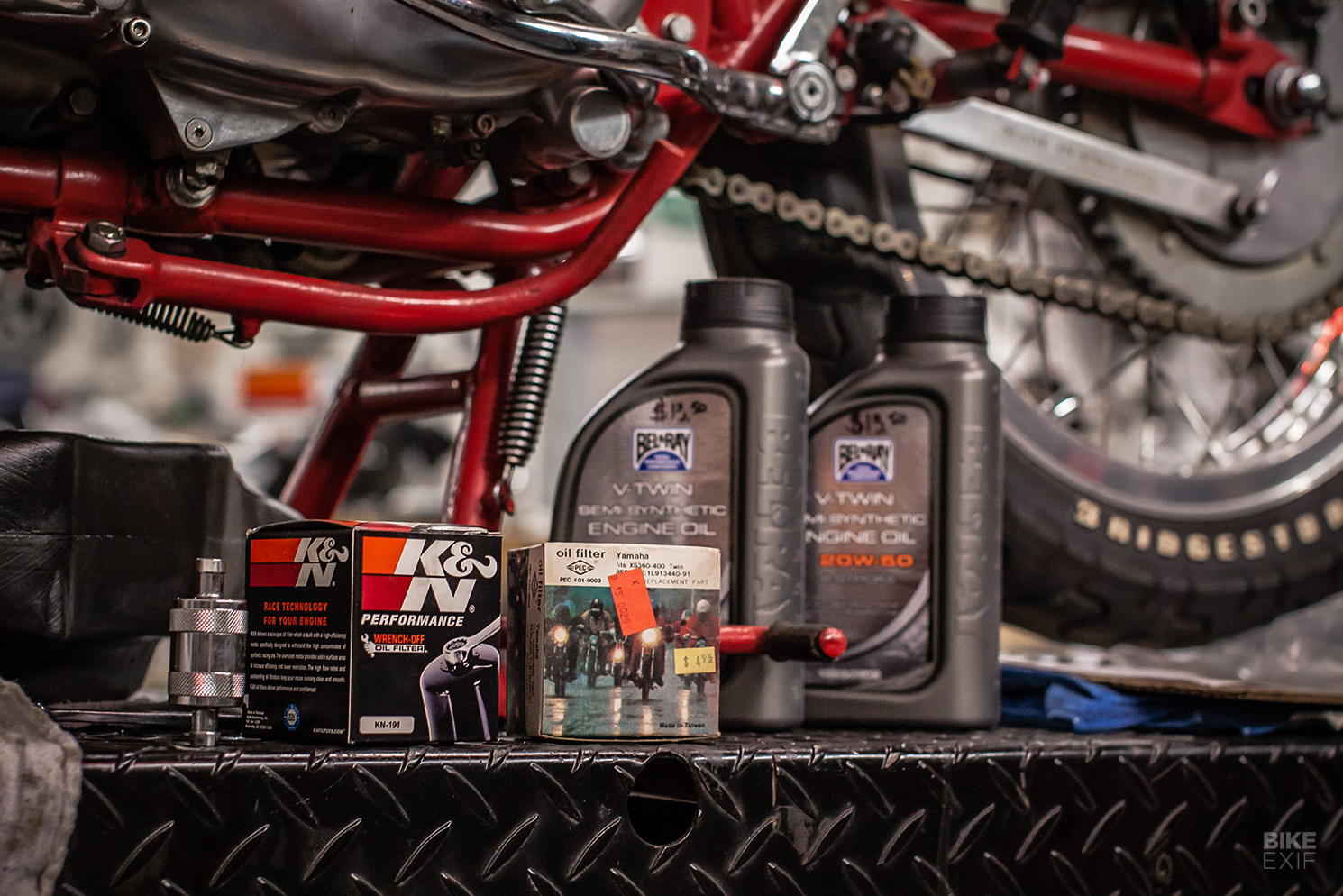
Motorcycles use oil filter typesdesigned to match their engine needs. These filters remove tiny dirt particles and metal shavings. Specialized filters protect the engine from damage and ensure smooth motorcycle engine lubrication. Unlike car filters, motorcycle filters are smaller and built to handle high engine speeds.
Quality oil filters add to the cost. Features that raise prices include:
- High filtration efficiency to trap fine particles.
- Durable construction to withstand engine heat and pressure.
- Compatibility with synthetic oils to maintain performance.
Cheap filters may save money upfront but risk engine damage. Using the right filter helps extend oil life and prevents costly repairs. Service centers often use branded filters, which increase service center pricingbut improve reliability.
| Filter Type | Price Range | Filtration Quality | Typical Use |
|---|---|---|---|
| Standard Filter | $5 – $10 | Basic filtration | Low-cost motorcycles |
| High-Performance Filter | $15 – $30 | Advanced filtration | Sport and touring bikes |
Labor Intensity
Labor charges motorcycle serviceadd significantly to oil change costs. Motorcycles vary widely in design. Some engines are easy to access, while others require extra work to reach the oil drain plug and filter. This increases the time mechanics spend.
Labor intensity depends on:
- Engine layout and size.
- Location of oil filter and drain plug.
- Need to remove parts or panels.
- Tools and equipment required.
Complex models may take 30-60 minutes for an oil change. Simple bikes might need only 15-20 minutes. The hourly labor rate at service centers ranges from $50 to $100, impacting the total cost.
Mechanics also inspect other parts during the oil change. This extra care adds value but increases labor costs. Following motorcycle care tipslike regular oil changes can reduce long-term expenses by preventing major repairs.
Credit: www.bikeexif.com
Motorcycle Engine Requirements
Motorcycle oil changes often cost more than car oil changes. This is due to the unique motorcycle engine requirementsthat affect maintenance needs and costs. High-performance engines in motorcycles demand specific care to maintain engine health and performance. The motorcycle maintenance costreflects these special needs, including precise oil types and frequent service intervals. Understanding these engine requirements helps explain why oil changes are pricier and why regular upkeep is essential for motorcycle engine longevity.
Tighter Engine Tolerances
Motorcycle engines have tighter engine tolerancesthan most car engines. This means the parts inside the engine fit together very closely. Tighter gaps reduce engine noise and increase power. But they also require better oil quality and precise lubrication.
The lubrication systemmust protect these close-fitting parts from wear. Oil with the correct oil viscosity requirementsis crucial. Using the wrong oil can cause increased friction and damage the engine quickly.
- High-performance engines need oil that stays stable under high temperatures.
- The oil must flow easily to reach all engine parts.
- Oil must keep engine parts clean and prevent sludge buildup.
Because of these needs, synthetic oils are often recommended. Their advanced formulas offer better protection and meet strict standards. This increases the cost of oil changes but improves engine wear protectionand durability.
Smaller Oil Capacity
Motorcycle engines usually have a smaller oil capacitythan car engines. This means they hold less oil overall. A smaller amount of oil works harder and gets dirty faster. This affects how often oil changes are needed and the type of oil used.
| Vehicle Type | Oil Capacity (Approx.) | Common Oil Type |
|---|---|---|
| Motorcycle | 2-4 liters | Synthetic or Semi-synthetic |
| Car | 4-6 liters | Conventional or Synthetic |
Because motorcycles use less oil, the oil heats up quickly during rides. The oil breaks down faster and loses its protective qualities sooner. This leads to more frequent oil changes and can increase service labor chargesover time.
Oil filter replacement is also important. The filter must work efficiently to keep the small oil volume clean. This adds to the overall cost of maintenance.
Frequent Oil Changes Needed
Motorcycle engines require frequent oil changesto stay healthy. Shorter oil change intervalshelp protect the engine from wear and tear. This maintenance routine supports motorcycle engine longevityand reliable performance.
Factors that increase oil change frequency:
- High engine temperatures that degrade oil faster.
- Smaller oil volume that becomes contaminated quickly.
- Riding styles, such as aggressive acceleration, increasing engine stress.
Frequent oil changes mean more frequent purchases of quality synthetic oil and filters. These synthetic oil benefitsjustify the cost by improving engine life and reducing repair expenses.
Though the cost of oil and labor adds up, skipping oil changes risks serious engine damage. Investing in regular maintenance reduces long-term costs and keeps motorcycles running smoothly.
Service And Maintenance Complexity
Motorcycle oil changes cost more than car oil changes due to the service and maintenance complexity. Motorcycles have tight spaces and unique engine designs that make the job harder. This complexity raises motorcycle maintenance expensesand affects the motorcycle oil change cost. Skilled mechanics spend more time dealing with challenges that do not appear in car oil changes. Understanding these factors helps explain why oil changes on motorcycles are expensive.
Access And Drainage Challenges
Motorcycle engines are often compact and tightly packed, causing oil drainage difficulties. Accessing the oil drain plug can be tricky because it may be hidden behind other parts.
- Some motorcycles require removing parts just to reach the drain plug.
- Low clearance between the bike and the ground can force the mechanic to work in uncomfortable positions.
- Oil pans are smaller and fill faster, so any mistake can cause spills.
These oil change service challengesincrease the labor time and effort. This labor is called motorcycle mechanic labor, and it is a key factor in the total cost.
| Challenge | Effect on Cost |
|---|---|
| Tight engine space | More time to access oil plug |
| Hard-to-reach drain plugs | Extra disassembly required |
| Smaller oil pans | Higher risk of spills, need careful handling |
Mechanics work carefully to avoid damage during oil drainage. This care adds to the motorcycle oil change cost.
Use Of Specific Tools
Motorcycles need specialized motorcycle toolsfor oil changes. These tools are different from those used for cars. Using the correct tools protects the bike’s delicate parts and ensures proper motorcycle engine lubrication.
Examples of specific tools include:
- Torque wrenches designed for small bolts
- Oil filter wrenches made for tight spaces
- Drain pan trays that fit motorcycle frames
These tools cost more and require mechanics to be trained in their use. This training adds to the motorcycle maintenance expenses.
Using the right tools reduces the risk of damaging parts. Damage can lead to expensive repairs and more downtime for the motorcycle.
| Tool | Purpose | Impact on Cost |
|---|---|---|
| Torque Wrench | Ensures bolts tighten correctly | Prevents damage, adds precision |
| Oil Filter Wrench | Removes tight filters safely | Speeds up service, reduces wear |
| Drain Pan Tray | Collects oil without spills | Keeps workspace clean, avoids extra cleanup |
Additional Inspection Services
Motorcycle service inspectionis often part of an oil change. Mechanics check the bike’s condition to spot problems early. This preventive motorcycle careadds value but raises the price.
Common inspections include:
- Checking brake pads and fluid levels
- Inspecting tire pressure and tread
- Examining chain tension and lubrication
- Looking for oil leaks or engine wear
These checks help keep the motorcycle safe and running well. Catching issues early can prevent costly repairs later. This service is part of motorcycle maintenance expensesthat contribute to the overall price.
Mechanics also recommend high-performance oil typesfor better engine protection. These oils cost more but improve motorcycle engine lubricationand performance.
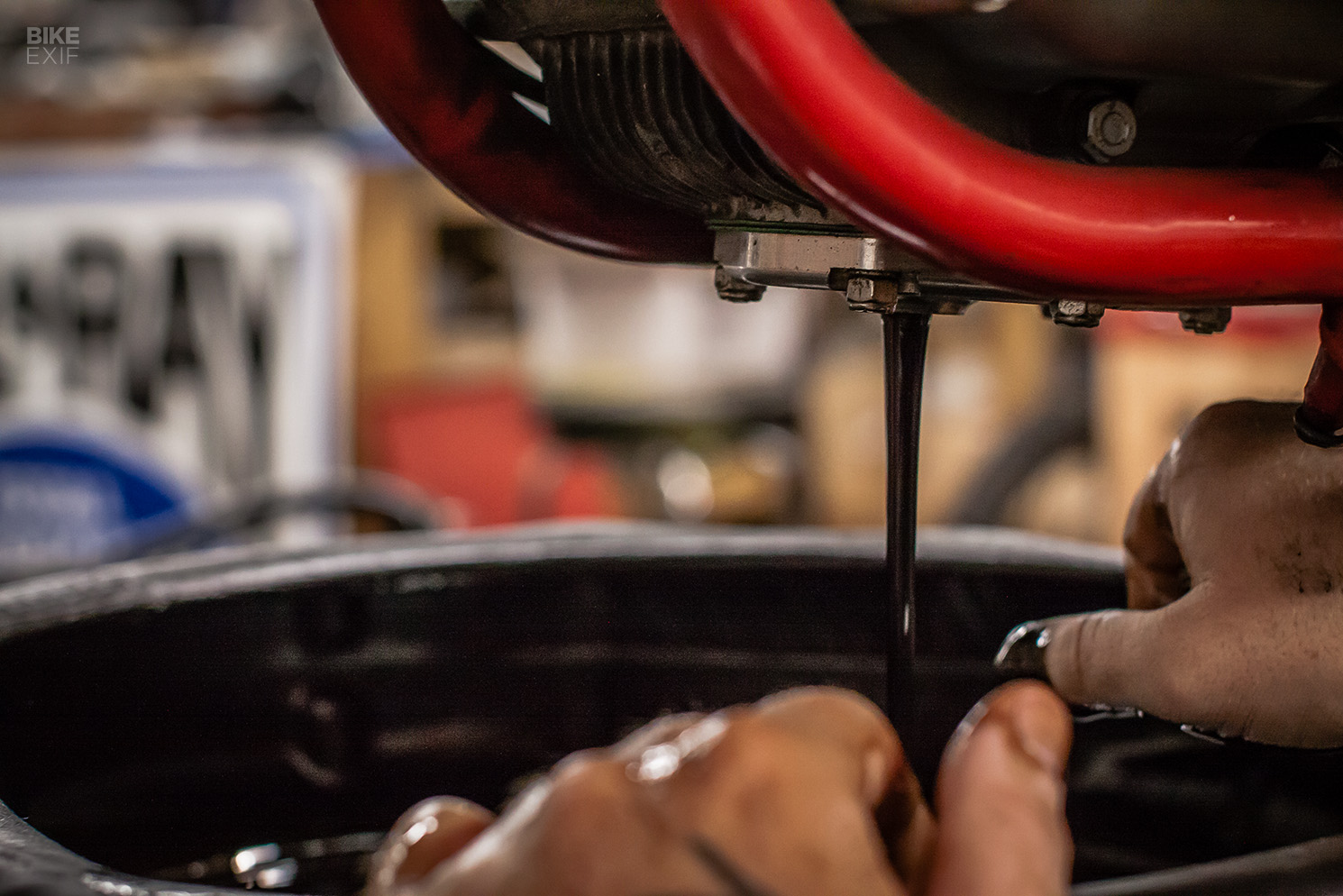
Credit: www.bikeexif.com
Market And Regional Influences
Motorcycle oil changes often seem costly due to various market and regional influences. These factors affect the pricing structure across different locations and service providers. Understanding these influences helps explain why prices vary and why some areas have higher motorcycle maintenance costs. Key elements include dealer policies, labor expenses, and parts availability. Each factor plays a role in shaping the final cost of an oil change service.
Dealer Pricing Strategies
Dealers usually set their prices higher than independent mechanics. Their strategy aims to cover overheads and offer specialized service. The dealer vs independent mechanicprice difference can be significant. Dealers often use synthetic vs conventional oiloptions to justify higher costs. Synthetic oils cost more but provide better motorcycle engine lubrication.
Key reasons behind dealer pricing strategies include:
- Brand expertise:Dealers have factory-trained staff.
- Warranty compliance:Using authorized parts protects warranty.
- Premium oils and parts:Dealers prefer high-quality motorcycle oil types.
- Additional services:Dealers may include inspection and diagnostics.
Here is a simple comparison table of typical price differences:
| Service Provider | Oil Type | Price Range |
|---|---|---|
| Dealer | Synthetic | $80 – $120 |
| Independent Mechanic | Conventional | $40 – $70 |
Dealers focus on quality and brand trust, which affects regional service pricing. Prices reflect the value they add to the service interval motorcyclemaintenance.
Regional Labor Costs
Labor charges impact the total cost of an oil change service. Regions with higher living costs often have higher labor charges motorcycle service. This raises the price of motorcycle maintenance overall.
Factors influencing regional labor costs include:
- Local wage rates for skilled mechanics.
- Cost of running a service shop in the area.
- Demand for motorcycle repairs and maintenance.
- Competition between dealers and independent shops.
For example, cities with a high cost of living tend to have:
- More expensive hourly labor rates.
- Longer wait times due to high demand.
- Higher motorcycle maintenance costs overall.
In smaller towns or rural areas, labor costs are usually lower. This can reduce the price of the oil change service. However, availability of qualified mechanics may be limited, affecting service quality.
Availability Of Parts And Oil
The availability of motorcycle partsand oils influences oil change costs. Some regions have better access to high-quality motorcycle oil types. Others face delays or higher prices due to shipping or limited stock.
Key points about parts and oil availability:
- Remote areas may pay more due to shipping costs.
- Urban centers often have more suppliers and brands.
- Synthetic oils may be harder to find in some regions.
- Specialty parts for certain models can increase costs.
The choice between synthetic vs conventional oilalso affects price. Synthetic oils provide better motorcycle engine lubricationbut cost more. Limited availability drives prices up further.
Parts availability affects how often a rider follows the recommended service interval motorcycle. If parts are scarce, delays or higher prices occur. This adds to overall motorcycle maintenance costs.
Cost-saving Tips
Motorcycle oil changes can feel costly, but smart choices help cut expenses. Understanding Motorcycle Maintenance Costsand the factors influencing them saves money. Applying simple Cost-Saving Tipsreduces the burden without risking your bike’s health. Focus on Oil Change Frequency, oil type, and service options. These elements shape how much you spend on Motorcycle Engine Lubrication. Below are practical ideas to keep your bike running smoothly while spending less.
Diy Oil Changes
Performing Diy Motorcycle Maintenanceis a great way to lower oil change costs. Doing it yourself eliminates labor fees from Motorcycle Service Shops. Basic tools and some knowledge suffice to handle the task safely. Follow your bike’s manual for the correct procedure and oil type.
Benefits of DIY oil changes:
- Save on labor charges
- Control the quality of oil used
- Learn more about your bike’s needs
- Perform oil changes at your convenience
Important steps include:
- Drain old oil carefully
- Replace the oil filter
- Use the recommended Motorcycle Oil Types
- Fill with proper oil quantity
Here’s a quick comparison of costs:
| Expense | DIY | Service Shop |
|---|---|---|
| Oil (Synthetic or Mineral) | $20-$40 | $20-$40 |
| Oil Filter | $5-$15 | $5-$15 |
| Labor | $0 | $40-$70 |
| Total | $25-$55 | $65-$125 |
DIY saves about 50%-60%. It takes time but builds your skills and saves money.
Bulk Purchase Of Oil
Buying oil in large quantities reduces the Cost Of Motorcycle Oil. Shops and riders save by purchasing in bulk. This strategy works well for those who change oil often or own multiple bikes.
Advantages of Bulk Oil Purchase Discounts:
- Lower price per liter
- Fewer trips to buy oil
- Stock on hand for emergencies
Common bulk options include:
- 5-liter containers of synthetic or mineral oil
- Packaged deals with oil filters included
- Subscription services offering discounts on repeat orders
Example cost comparison:
| Quantity | Price per Liter | Total Cost |
|---|---|---|
| 1 Liter | $10 | $10 |
| 5 Liters (Bulk) | $8 | $40 |
Buying 5 liters at once saves 20% on price per liter. This helps reduce overall Motorcycle Maintenance Costs. Choose the right Motorcycle Oil Typessuitable for your engine. Synthetic oils might cost more upfront but offer better protection and longer life.
Choosing Independent Shops
Independent Mechanic Savingsoffer a budget-friendly alternative to branded dealerships. Independent shops often charge less for oil changes and other maintenance tasks.
Benefits of independent shops include:
- Lower labor rates
- Personalized service
- Flexibility in choosing oil brands
- Faster turnaround times
Compare prices and services before choosing:
| Service Location | Oil Change Price | Oil Brands Offered | Service Speed |
|---|---|---|---|
| Dealership | $80-$120 | Brand-specific synthetic oils | 1-2 hours |
| Independent Shop | $40-$70 | Various synthetic and mineral oils | 30 min – 1 hour |
Independent shops help keep your bike healthy without high costs. They understand different Motorcycle Oil Typesand recommend the best for your bike’s needs. This reduces frequent oil changes and saves money over time.
FAQs for why are motorcycle oil changes so expensive
Why Do Motorcycle Oil Changes Cost More Than Cars?
Motorcycle oil changes require specialized oils and filters for engine protection. Labor is also more intensive due to tight engine spaces. These factors increase overall service costs compared to car oil changes.
How Often Should I Change Motorcycle Oil?
You should change motorcycle oil every 3,000 to 5,000 miles or as per manufacturer guidelines. Regular changes maintain engine health and improve performance.
Does Synthetic Oil Affect Motorcycle Oil Change Cost?
Yes, synthetic oil is pricier but lasts longer and protects better. Using synthetic oil raises the overall oil change cost but benefits engine longevity.
Can I Change Motorcycle Oil Myself To Save Money?
Yes, DIY oil changes can save money but require proper tools and disposal methods. Incorrect changes may harm your engine, so follow guidelines carefully.
Conclusion
Motorcycle oil changes cost more because of special oil and parts. Skilled mechanics take time to do the job right. Using the correct oil keeps engines safe and lasting longer. Skipping oil changes can lead to costly repairs later. Spending a bit more now helps avoid big problems down the road.
Regular oil care keeps your motorcycle running smooth and strong. It’s a small price for better bike health and performance. Keep your bike happy by staying on top of oil changes.