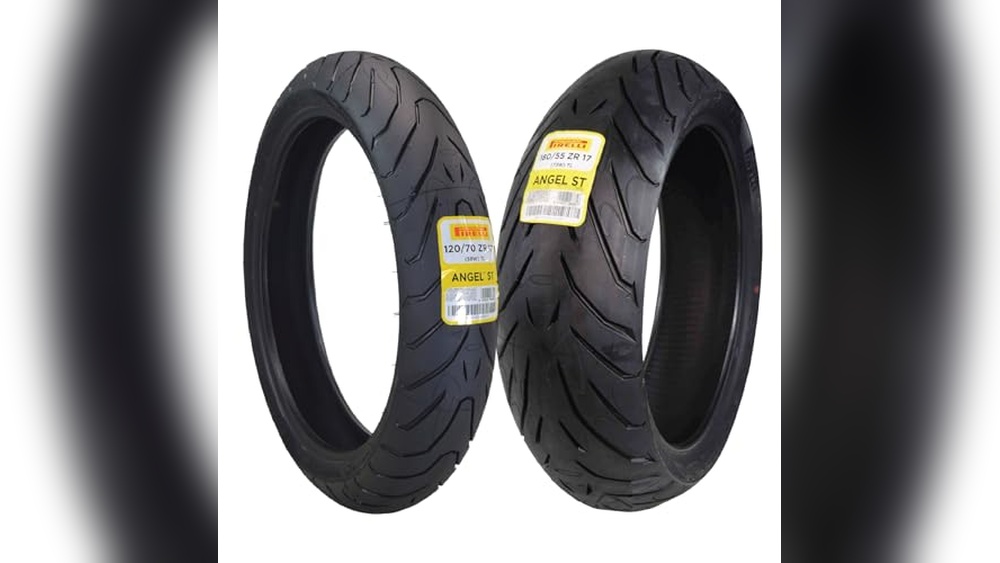
Motorcycle Tire Size Chart Height: Ultimate Guide for Perfect Fit

Choosing the right motorcycle tire size can feel confusing, especially when you see numbers that don’t quite make sense at first glance. You might be wondering how tire height affects your ride, safety, and bike’s performance.
Understanding a motorcycle tire size chart, especially the height measurement, is key to making smart choices for your bike. You’ll learn exactly what those numbers mean and how to pick the perfect tire size that fits your needs. Keep reading, and you’ll gain the confidence to upgrade your tires like a pro.

Credit: cateyeamerica.com
Motorcycle Tire Size Basics
The Motorcycle Tire Size Basics are essential to understand for safe riding and proper bike maintenance. Every motorcycle tire has a set of numbers and letters printed on its sidewall. These details describe the tire’s exact size, shape, and fit. Knowing how to read these numbers helps riders choose the right tire for their motorcycle. This knowledge affects the tire sidewall height, rim diameter, and overall motorcycle tire dimensions. A clear grasp of tire size coding ensures the tire matches the motorcycle wheel size perfectly. This section will explain the key points of tire specification guide and tire height calculation.
Decoding Tire Size Numbers
Motorcycle tires display a series of numbers and letters. These represent important details like tire width measurement, tire profile, and rim diameter. Understanding these numbers helps riders pick the correct tire for their bike.
- Tire Width Measurement: The first number shows the width of the tire in millimeters. For example, 120 means the tire is 120 mm wide.
- Tire Aspect Ratio: This number follows the slash (“/”) and shows the tire sidewall height as a percentage of the tire width. If the tire says 120/70, the sidewall height is 70% of 120 mm.
- Rim Diameter: This number shows the wheel’s diameter in inches, like 17. The tire fits a rim of this size.
- Tire Profile: The aspect ratio also defines the tire profile, indicating how tall or short the tire sidewall is.
Here is a simple table to break down a common tire size:
| Tire Size | Meaning |
|---|---|
| 120/70 ZR 17 |
|
Knowing these numbers helps with accurate tire height calculation and ensures the motorcycle tire dimensions fit the bike properly.
Common Tire Size Formats
Motorcycle tire sizes come in different formats. The most common formats show tire width, aspect ratio, and rim diameter. Some formats also include load index and speed rating.
Two popular tire size formats include:
- Metric Format: This uses millimeters and inches. Example: 130/80-17 means 130 mm tire width, 80% aspect ratio, and 17-inch rim diameter.
- Inch Format: This uses inches for width and rim diameter. Example: 3.50-18 means 3.5 inches wide tire and 18-inch rim.
Understanding these formats helps riders read tire size coding easily. The tire specification guide often uses metric format for modern tires.
Here is a quick comparison table:
| Format | Example | Details |
|---|---|---|
| Metric | 120/70 ZR 17 | Tire width in mm, aspect ratio %, rim diameter in inches |
| Inch | 4.00-18 | Tire width in inches, rim diameter in inches |
Knowing the tire size format simplifies choosing the right motorcycle tire dimensions. It also helps with comparing tire sizes and understanding tire sidewall height impact on ride quality.
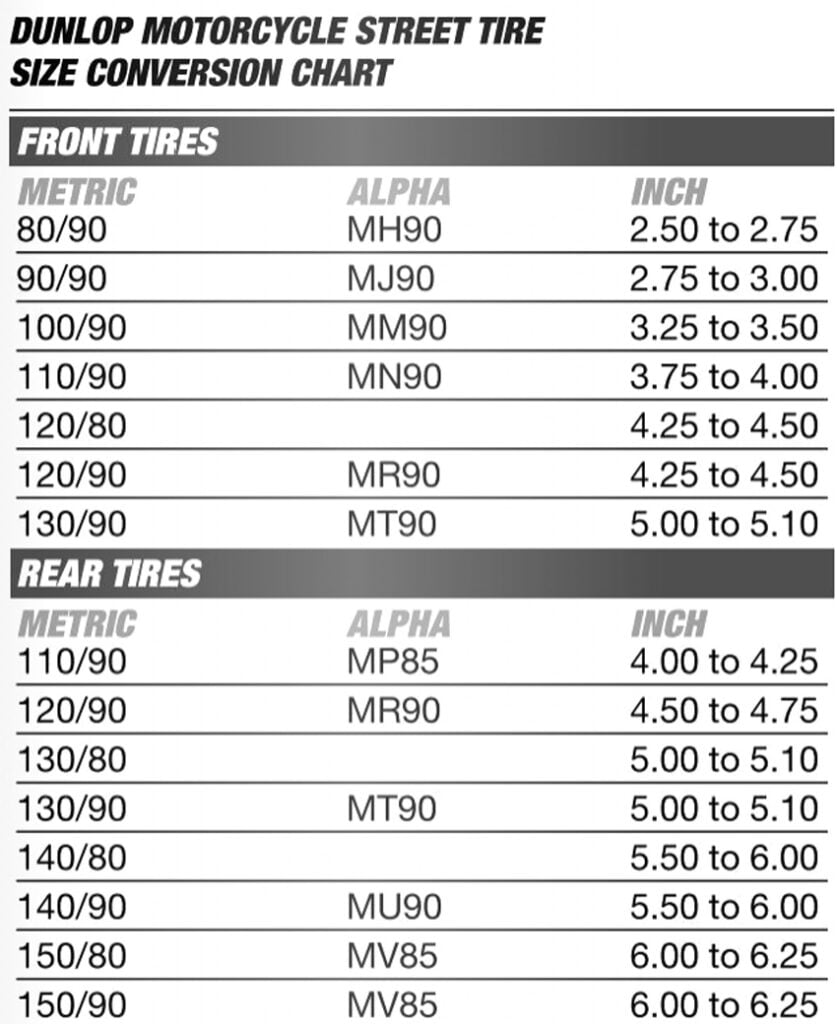
Credit: vixencomposites.com
Height Dimensions In Tire Sizes
The height dimensions in tire sizes play a crucial role in understanding motorcycle tire height measurement. Every tire has specific numbers that describe its width, profile, and rim diameter. These numbers help you find the right tire size conversion for your bike. Knowing the height dimensions helps riders choose tires that fit well and perform safely. The height affects the bike’s handling, speedometer accuracy, and ground clearance. A clear grasp of these measurements can improve your riding experience and tire maintenance. This section explains the aspect ratio and sidewall height and their impact on overall tire height.
Aspect Ratio And Sidewall Height
The aspect ratio definition is the ratio between the tire’s sidewall height and its width. It is a percentage value shown in the tire size. For example, in a tire size 120/70-17:
- 120 = Tire width in millimeters
- 70 = Aspect ratio (sidewall height is 70% of tire width)
- 17 = Rim diameter in inches
The sidewall height calculation uses this ratio to find the height of the tire’s sidewall. It is important because the sidewall height affects the overall tire diameter and ride comfort.
Here is a simple calculation for sidewall height:
Sidewall Height = Tire Width × (Aspect Ratio ÷ 100)Using the example above:
Sidewall Height = 120 × (70 ÷ 100) = 84 mmThe sidewall height is 84 mm. This number helps you understand the tire profile, which affects how the tire absorbs shocks and impacts handling.
| Tire Size | Tire Width (mm) | Aspect Ratio (%) | Sidewall Height (mm) |
|---|---|---|---|
| 120/70-17 | 120 | 70 | 84 |
| 130/60-17 | 130 | 60 | 78 |
| 150/80-16 | 150 | 80 | 120 |
Impact On Overall Tire Height
The overall tire diameter or height depends on the sidewall height and rim diameter. The formula combines the rim diameter and twice the sidewall height because the tire has two sidewalls (top and bottom).
Here is the formula for overall tire height in millimeters:
Overall Tire Height = (2 × Sidewall Height) + (Rim Diameter × 25.4)Rim diameter is in inches, so multiply it by 25.4 to convert to millimeters.
Example with 120/70-17 tire:
Overall Tire Height = (2 × 84) + (17 × 25.4) = 168 + 431.8 = 599.8 mmThis value shows the total height of the tire from ground to rim edge.
The overall tire diameter affects:
- Speedometer accuracy
- Bike ground clearance
- Handling and stability
- Brake performance
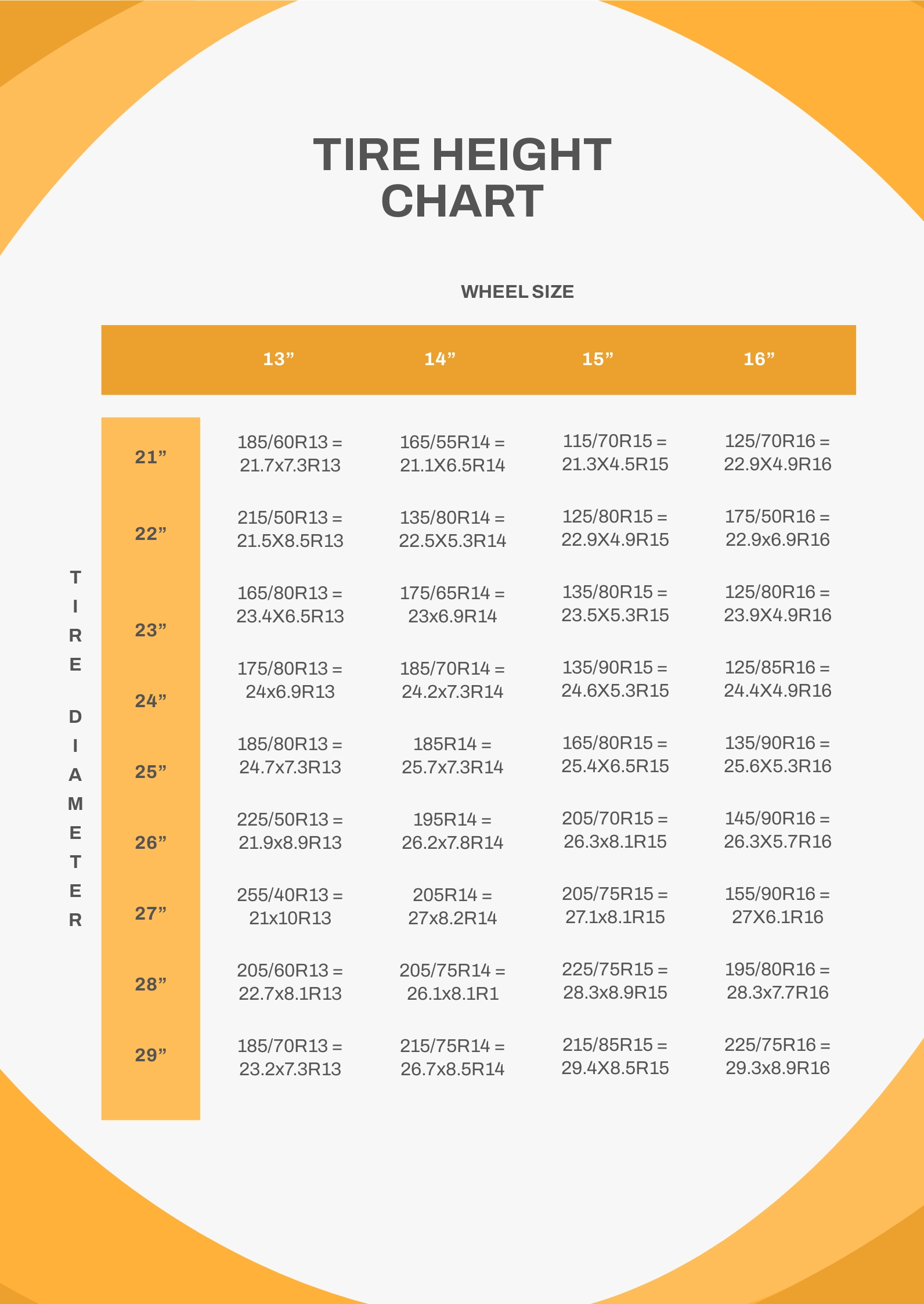
Small changes in tire profile or rim diameter can change the overall tire height significantly. Using a tire height chart helps compare different tire sizes quickly.
| Tire Size | Overall Tire Height (mm) |
|---|---|
| 120/70-17 | 599.8 |
| 130/60-17 | 585.6 |
| 150/80-16 | 610.8 |
Understanding tire height dimensions is key to selecting the right tire size conversion for your motorcycle. It ensures safety, comfort, and better performance.
Using Tire Size Charts
Understanding Motorcycle Tire Size Chart Height is crucial for selecting the right tire for your bike. Using tire size charts helps you know the exact measurements of your tire, including width, height, and diameter. These charts show important details like tire profile height and tire aspect ratio, which affect how your motorcycle handles and looks. A clear grasp of these charts ensures you pick tires that fit well and perform safely on the road.
Reading Height From Charts
Reading the tire height measurement from a chart starts with understanding the numbers in the tire size. A typical tire size looks like this: 120/70 ZR17. Here’s what each part means:
- 120 – Tire width in millimeters
- 70 – Tire aspect ratio (height as a percentage of width)
- ZR – Tire construction type and speed rating
- 17 – Motorcycle wheel size in inches (rim diameter)
To find the tire height or tire profile height, multiply the width by the aspect ratio. For example:
Height = 120 mm × 0.70 = 84 mmThis 84 mm is the sidewall height of the tire, important for comfort and handling.
Here’s a simple tire diameter chart that shows how total tire height changes based on size:
| Tire Size | Width (mm) | Aspect Ratio (%) | Wheel Diameter (inches) | Total Tire Diameter (mm) |
|---|---|---|---|---|
| 120/70 ZR17 | 120 | 70 | 17 | 84 × 2 + 431.8 = 599.8 |
| 130/80 ZR17 | 130 | 80 | 17 | 104 × 2 + 431.8 = 639.8 |
| 110/70 ZR17 | 110 | 70 | 17 | 77 × 2 + 431.8 = 585.8 |
Tire circumference is also affected by height. A taller tire means a bigger circumference, which changes speedometer readings and bike feel.
Comparing Different Tire Sizes
Comparing motorcycle tire dimensions helps find the best fit and performance. Focus on these key parts:
- Tire width and height: Wider tires give more grip but may affect handling. Taller tires raise the bike’s height.
- Tire aspect ratio: Lower ratios mean shorter sidewalls, better for sporty riding. Higher ratios give a softer ride.
- Wheel size: The rim diameter must match your wheel size exactly.
Use a tire size guide to compare sizes side by side. Here’s a quick tire size comparison table:
| Tire Size | Width (mm) | Aspect Ratio (%) | Tire Height (mm) | Total Diameter (mm) |
|---|---|---|---|---|
| 120/70 ZR17 | 120 | 70 | 84 | 600 |
| 130/70 ZR17 | 130 | 70 | 91 | 618 |
| 110/80 ZR17 | 110 | 80 | 88 | 608 |
Compare circumference and diameter to avoid changes in speedometer accuracy or bike handling. Small changes affect ride height and grip.
Always check manufacturer specs and confirm motorcycle wheel sizes before buying. Correct tire size ensures safety and better ride quality.
Effects Of Tire Height On Performance
The height of a motorcycle tire affects many parts of the ride. This height is often described as the sidewall height, which is the distance from the rim to the outer edge of the tire. Tire height influences motorcycle handling, stability control, and even the accuracy of the speedometer. Understanding how changes in tire dimensions impact performance helps riders choose the right tire size for their needs.
Handling And Stability
The sidewall height plays a key role in how a motorcycle feels on the road. A taller sidewall means more flex in the tire, which can affect motorcycle handling. Tires with a higher sidewall provide more cushioning but may reduce sharpness in turns. On the other hand, tires with a lower sidewall are stiffer, improving cornering but sometimes making the ride harsher.
Other factors related to tire height include:
- Aspect Ratio: The ratio of sidewall height to tire width. A lower aspect ratio usually means better stability at high speeds.
- Wheel Diameter: Larger diameters can improve stability but may reduce agility.
- Rim Size: Correct rim size is essential to match tire height and maintain proper fit.
Below is a simple table showing how different sidewall heights affect handling and stability:
| Sidewall Height | Handling | Stability | Ride Comfort |
|---|---|---|---|
| Low | Sharper, more responsive | Good at high speeds | Less cushioning |
| Medium | Balanced control | Stable in most conditions | Moderate comfort |
| High | Less precise | Lower stability at speed | More cushioning |
Choosing the right tire profile helps maintain stability control and improves overall ride quality. Riders who want quick responses should opt for tires with a smaller sidewall height. Those who prefer comfort may benefit from taller sidewalls.
Speedometer Accuracy
The height of a motorcycle tire also affects the speedometer reading. The speedometer works by measuring the rotation of the wheel, which depends on the tire circumference. Changing the tire profile alters the circumference, causing the speedometer to show incorrect speeds.
Key points about speedometer accuracy and tire height:
- Tire Circumference: Larger tires cover more distance per rotation, making the speedometer read slower than actual speed.
- Aspect Ratio and Wheel Diameter: Both affect the total diameter and circumference.
- Speedometer Calibration: Adjustments are needed to correct speed readings after changing tire sizes.
Here is an example calculation for tire circumference based on tire size:
Tire Size: 120/70 R17 Sidewall Height = 120 mm × 0.70 = 84 mm Wheel Diameter (Rim) = 17 inches × 25.4 mm/inch = 431.8 mm Total Diameter = 2 × Sidewall Height + Wheel Diameter = 2 × 84 + 431.8 = 599.8 mm Tire Circumference = π × Diameter ≈ 3.14 × 599.8 ≈ 1882 mm If the tire size changes, this circumference will change, affecting speedometer readings. For example, increasing the sidewall height by 10 mm will increase the total diameter and circumference, causing the speedometer to under-report speed.
Riders should check rim size compatibility and confirm the tire dimensions match the motorcycle’s original specs for accurate speed measurement. Some motorcycles allow recalibration of the speedometer to fix differences caused by tire size changes.
Selecting The Right Tire Height
Selecting the right tire height is essential for safe and smooth motorcycle riding. The height of a tire affects the bike’s balance, handling, and speedometer accuracy. Choosing the correct tire height ensures proper tire size compatibility with your motorcycle. Understanding motorcycle tire dimensions and how they relate to your bike helps avoid fitment issues and maintains performance. This section explains how to select the right tire height by following manufacturer guidelines and making adjustments for custom rides.
Matching Manufacturer Recommendations
Every motorcycle comes with a manufacturer tire size guide that lists the recommended tire height and other dimensions. These recommendations ensure the tire matches the motorcycle wheel fitment and meets safety standards.
Important points to consider:
- Check the tire diameter specifications given in the owner’s manual or tire placard.
- Follow the recommended tire profile and aspect ratio for optimal grip and balance.
- Use tires that meet motorcycle tire standards for your model.
Below is a simple table showing typical manufacturer-recommended tire height ranges for popular motorcycle types:
| Motorcycle Type | Recommended Tire Height (mm) | Notes |
|---|---|---|
| Sportbike | 550 – 600 | Focus on low profile for speed and cornering |
| Cruiser | 600 – 650 | Higher sidewall for comfort and stability |
| Adventure | 650 – 700 | More height for off-road capability |
Sticking to manufacturer recommendations keeps your bike safe and ensures accurate tire height measurement. It also prevents damage to the suspension or frame caused by incorrect tire size.
Adjusting For Custom Rides
Custom motorcycles often need tires that differ from original specs. Custom motorcycle tires require careful tire height adjustment to maintain tire size compatibility and performance.
Consider these key factors for custom tire height:
- Bike modifications: Changes to suspension or frame can affect the ideal tire height.
- Rider preference: Some riders prefer taller or shorter tires for style or handling.
- Wheel size changes: Larger or smaller wheels affect the required tire height for fitment.
The table below shows how tire height changes with different wheel diameters and aspect ratios:
| Wheel Diameter (inches) | Tire Aspect Ratio (%) | Estimated Tire Height (mm) |
|---|---|---|
| 17 | 55 | 580 |
| 18 | 60 | 620 |
| 19 | 70 | 680 |
For custom builds, always check the overall diameter against the original tire’s height. This ensures the speedometer and ABS sensors work correctly. Use precise tire height measurement tools and consult tire experts if needed.
Remember: Proper motorcycle tire dimensions are vital to maintain balance and safety on custom motorcycles.
Credit: www.template.net
Tools For Measuring Tire Height
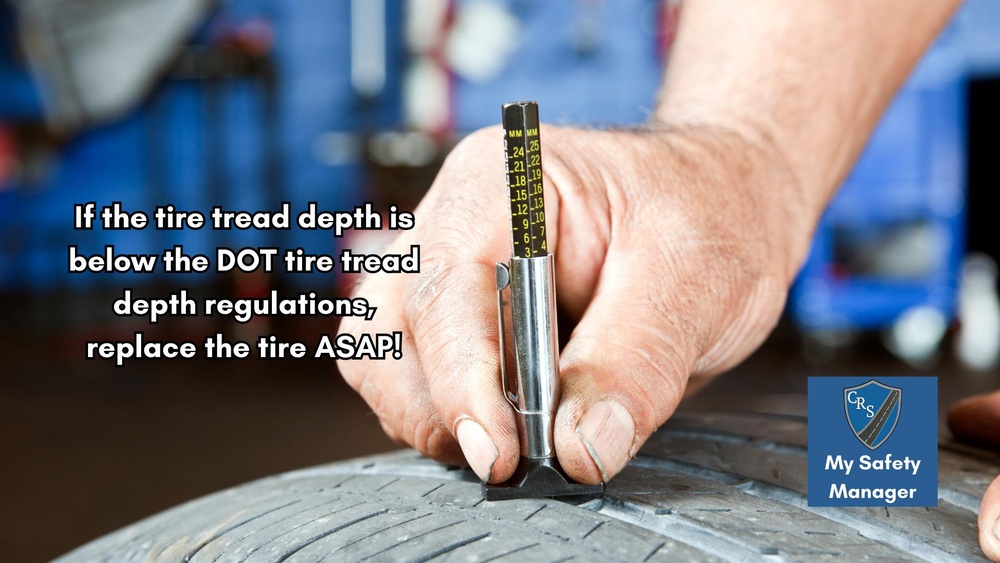
Measuring the height of motorcycle tires is essential for safety and performance. Understanding Motorcycle Tire Dimensions helps you choose the right tire for your bike. The Tire Width Size, Rim Size, and Tire Profile Height all affect the ride and handling. Several tools make measuring tire height easier and more accurate. These tools include simple manual devices and advanced digital solutions. Using the right method ensures precise results and helps you read the Tire Size Conversion Chart correctly. Below are two common tools for measuring tire height.
Using Calipers And Tape Measures
Calipers and tape measures are popular manual tools for checking Tire Diameter Measurement and Tire Sidewall Measurement. They are easy to use and give accurate data when handled properly.
Calipers are precise instruments that measure small distances. They help find the exact height of the tire’s sidewall and rim. You can use digital or manual calipers depending on your preference.
- Place the caliper jaws on the tire sidewall to measure the height.
- Measure the rim width by placing the caliper inside the rim.
- Record the reading and compare it with the Tire Size Conversion Chart.
Tape measures are handy for measuring the overall tire height or circumference. Follow these steps:
- Wrap the tape around the tire to find the Tire Circumference.
- Measure the tire’s diameter by placing the tape over the tire from edge to edge.
- Check the Aspect Ratio by measuring the sidewall height and dividing it by the tire width.
| Tool | Best For | Accuracy |
|---|---|---|
| Calipers | Tire Sidewall Measurement, Rim Size | High |
| Tape Measure | Tire Diameter Measurement, Tire Circumference | Moderate |
These tools help you understand tire height and other key dimensions clearly. They are affordable and easy to find at hardware stores or online.
Digital Apps And Online Calculators
Digital tools simplify measuring and calculating motorcycle tire size. Digital Tire Size Tools and online calculators provide quick results without manual measurement errors.
Many apps allow you to enter the Tire Width Size, Aspect Ratio, and Rim Size. The app then calculates the Tire Profile Height, diameter, and circumference. This helps in understanding the full tire size instantly.
- Input your current tire numbers or new tire specs.
- Get instant results for tire height and other dimensions.
- Compare different tire sizes using the built-in Tire Size Conversion Chart.
These tools are useful for quick checks and tire comparisons. They reduce the chance of mistakes from manual reading. Some popular features include:
- Automatic calculation of tire diameter and circumference.
- Visual charts to compare tire height and width.
- Saving and sharing tire data for easy reference.
Here is an example of a simple tire size calculation formula used in many digital tools:
Tire Height = (Tire Width Size × Aspect Ratio × 2 / 100) + Rim DiameterThis formula helps confirm your manual measurements or gives you estimates quickly. Digital apps and online calculators are user-friendly and often free.
Frequently Asked Questions
What Does Motorcycle Tire Size Height Mean?
Motorcycle tire size height refers to the tire’s sidewall height. It’s usually a percentage of the tire’s width. This height affects ride comfort and handling. Proper height ensures safe performance and fit on the rim.
How To Measure Motorcycle Tire Height Accurately?
Measure the sidewall height from the rim to the tire’s outer edge. Use a ruler or caliper for precision. Refer to the tire size code for exact height percentage. Accurate measurement helps in choosing the right tire replacement.
Why Is Tire Height Important For Motorcycles?
Tire height influences bike stability, handling, and comfort. Incorrect height can cause poor performance or safety risks. Matching tire height with manufacturer specs ensures optimal riding experience and tire longevity.
Can Tire Height Affect Motorcycle Speedometer Accuracy?
Yes, tire height impacts speedometer readings. Larger or smaller tires change wheel circumference, altering speed calculations. Correct tire height keeps speedometer readings accurate, ensuring safe riding.
Conclusion
Choosing the right motorcycle tire size helps keep your ride safe. Tire height affects handling and comfort on the road. Using a tire size chart makes picking easier and clearer. Check your bike’s manual for the best tire fit. Proper tires improve grip and reduce wear.
Stay aware of tire changes to keep control. A good tire choice means a smoother, safer ride every time.